Accelerating offshore wind development through advanced modelling
Guest/partner contributor
Posted on: 20 March 2024
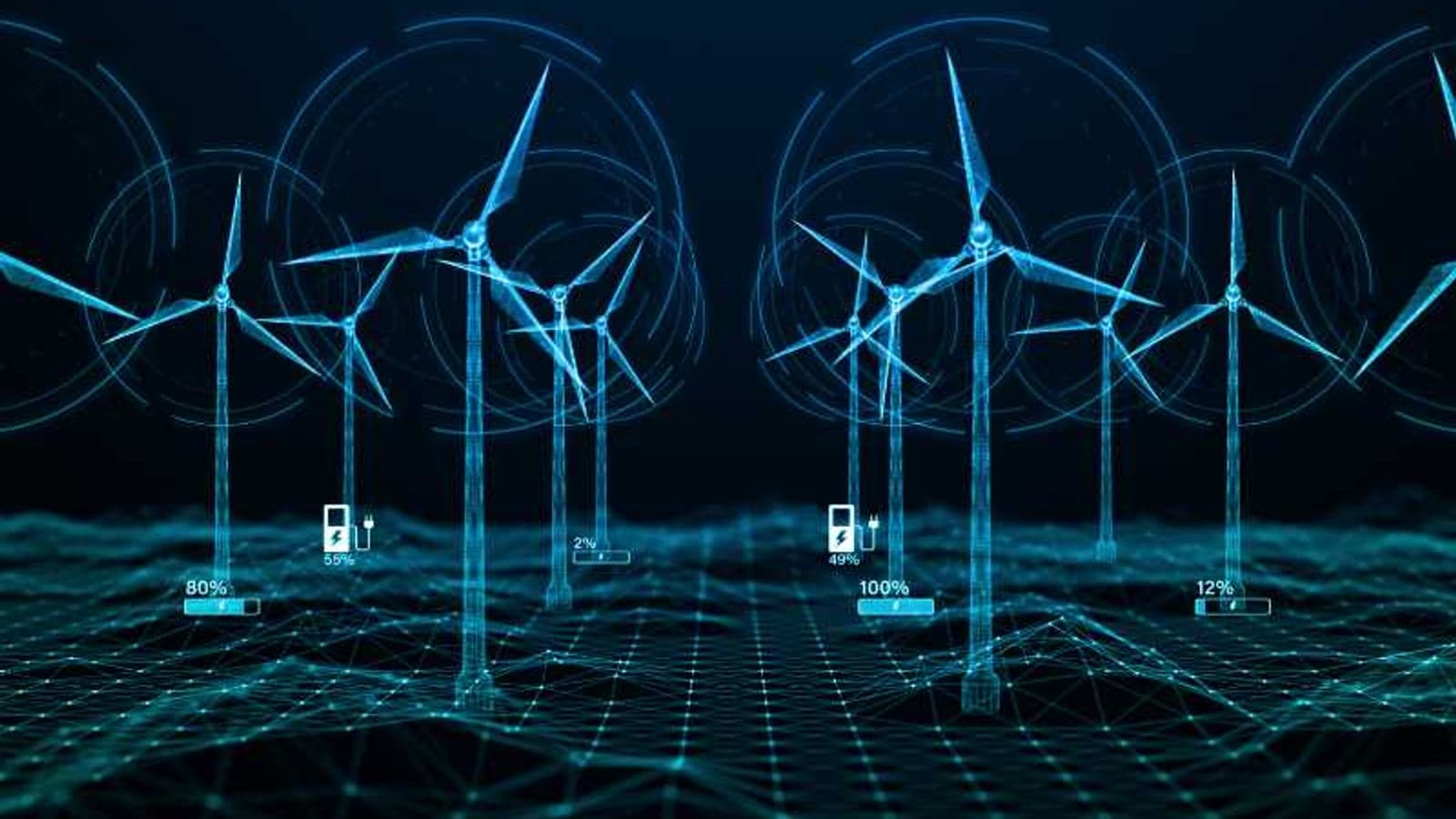
Developers are turning to a limited number of external advanced modelling tools to expedite the early phases of wind project development.

In the quest for sustainable energy solutions, offshore wind has emerged as a vital player in the race to decarbonise power supplies. However, according to Anna Rivera Jové of Youwind Renewables, this promising sector faces formidable challenges, from navigating volatile market conditions to accelerating project development amid increasing demand.
European offshore wind leasing rounds are potentially set to award over 80GW in new projects by 2029 – the largest number and volume of offshore wind auctions and seabed lease programmes to date.
This surge in activity leaves offshore wind developers and investors at a critical juncture. Matching this increased demand and reaching national net-zero goals requires significantly accelerating project development.
This, however, risks errors occurring at the early development stage, which will pose challenges later on in the development cycle.
Faced with the need to speed up deployment while managing emerging risks, developers are turning to a limited number of external advanced modelling tools to expedite the early phases of project development.
Have you read?
BayWa r.e. accelerates offshore activities in Italy
Pier to support community engagement for Stromar offshore project
Increased urgency, increased complexity
The year 2023 proved to be a tumultuous period for global offshore wind development.
Fluctuations in interest rates and commodity prices led to the abandonment of auctions where bid prices were deemed too low for returns. Additionally, the cancellation of initial offtake agreements further exacerbated the challenges faced by developers and investors.
Despite these setbacks, a record number of offshore wind development zones are slated for allocation globally in 2024-2025, driven by national clean energy development targets.
The urgency for rapid offshore wind development is further underscored by government targets for net zero emissions by 2050. Auctions held in the coming years will play a pivotal role in shaping the trajectory of offshore wind development for the next two decades.
In order to realise project timelines and effectively deploy capital in this evolving market environment, developers and their investor partners must adopt a fast and reliable means of screening early-stage projects. This involves navigating a myriad of factors, including the quality of the site and whether it sits in an area with significant wind speed.
Regional market dynamics must also be taken into account, as well as resource availability and technology selection.
The ability to rapidly assess project location, wind resource, effective project layout (to minimise wake losses), and the best installation sequence is not only essential for meeting project deadlines but also for ensuring optimal decision-making amidst dynamic market conditions.
Gaining a comprehensive early view
The challenge faced by developers lies not only in expediting the screening process but also in ensuring that critical future development questions are addressed comprehensively at the outset.
Developers and investors must navigate a complex landscape of domestic policies, tariffs, and site-specific conditions. In project development, the focus also tends to be more on the CapEx-intensive components (mainly the foundation and wind turbine itself), with less attention paid to the necessary regulatory frameworks, environmental impact, and engagement with the local community.
Grid connection, water depth and seabed properties, and navigation routes must be accounted for, among many other external constraints. These are all factors that affect the feasibility of the project and can take months or years to address comprehensively.
With development teams already juggling various projects, digital tools are now imperative to streamline this process and ensure thorough vetting of potential sites, while keeping traceability of all project changes throughout the different development phases.
The good news is that these external tools are readily available - and are becoming increasingly advanced, allowing developers to concentrate on maximising value for their projects while ensuring their digital tools remain consistently updated and operating at peak efficiency, delivering optimal speed and accuracy.
Three ways in which external advanced modelling tools can accelerate wind project development
1. Analysing key data streams to assess project viability
Advanced modelling tools integrate engineering and cost data to model key technical and financial indicators and assess the viability of projects. These features are vital for developers to rapidly increase the speed and accuracy of their decision-making processes, overcoming barriers and capitalising on emerging opportunities when they present themselves.
Such technology enables swift evaluation of project locations, wind resources, layout considerations, and optimal installation sequences, ultimately expediting the project development cycle and maximising returns on investment.
Also of interest: Novel wind turbine control techs open for commercialisation
2. Enhancing accuracy and efficiency by integrating and managing data sets
Modelling technology also allows developers to consolidate complex financial data and calculations, reducing reliance on scattered spreadsheets and disparate sources. This not only enhances efficiency but also improves reporting, collaboration, and communication within development teams.
With all stakeholders working from the same comprehensive dataset, decision-making becomes more transparent and informed. Ultimately, this integrated approach enables developers to make more accurate assessments, mitigate risks, and maximise the financial viability of offshore wind projects.
3. Simulations that give developers a proactive means of mitigating risks early
Beyond data stream analysis, new technology can calculate essential technical features of main components and conduct rapid sensitivity analyses, providing invaluable insights for project optimisation. Moreover, the technology's ability to rapidly run complex development scenarios significantly expands the scope of projects under consideration, unlocking further opportunities for project developers. Simulations can also be run on component failures and their potential impact on maintenance budgets. One such area is cable failures, to name one of many.
Repairing array and export cables can take as long as two months, and the financial repercussions of lost revenues during this time can be substantial, especially if it comes at a period of heightened electricity prices and favourable wind conditions.
The significant operational expenditure incurred in repairing cables further underscores the need for technology that can simulate the most efficient cable layouts and their potential costs. Without effective simulation tools, the risk of prolonged generation loss poses a formidable threat, potentially resulting in financial losses amounting to €100 million ($127 million) or more.
The future of wind project development - underpinned by rapid analysis
While offshore wind holds immense promise for driving global decarbonisation efforts, its full potential can only be realised through concerted efforts to accelerate early project development. By prioritising rapid analysis, informed decision-making, and technological innovation, developers and investors can avoid costly challenges further in the development cycle and navigate the volatile nature of the offshore wind industry.
With the potential to significantly drive the decarbonisation of global power supplies, offshore wind developers and investors must be equipped with the latest technology, specialised digital tools, and insights necessary to expedite the decision-making process and capitalise on the opportunities that lie ahead.
With its multifaceted capabilities, this new technology is capable of redefining the landscape of offshore wind development, driving progress towards a more sustainable future where net-zero commitments can be met.