Adani Group invests $100bn in renewable-powered AI data centres
Pamela Largue
Posted on: 18 February 2026
The Group will combine renewable power generation, transmission infrastructure and hyperscale AI compute within a single coordinated architecture.

Indian conglomerate Adani Group has announced plans to invest $100 billion in renewable-powered hyperscale AI-ready data centres by 2035.
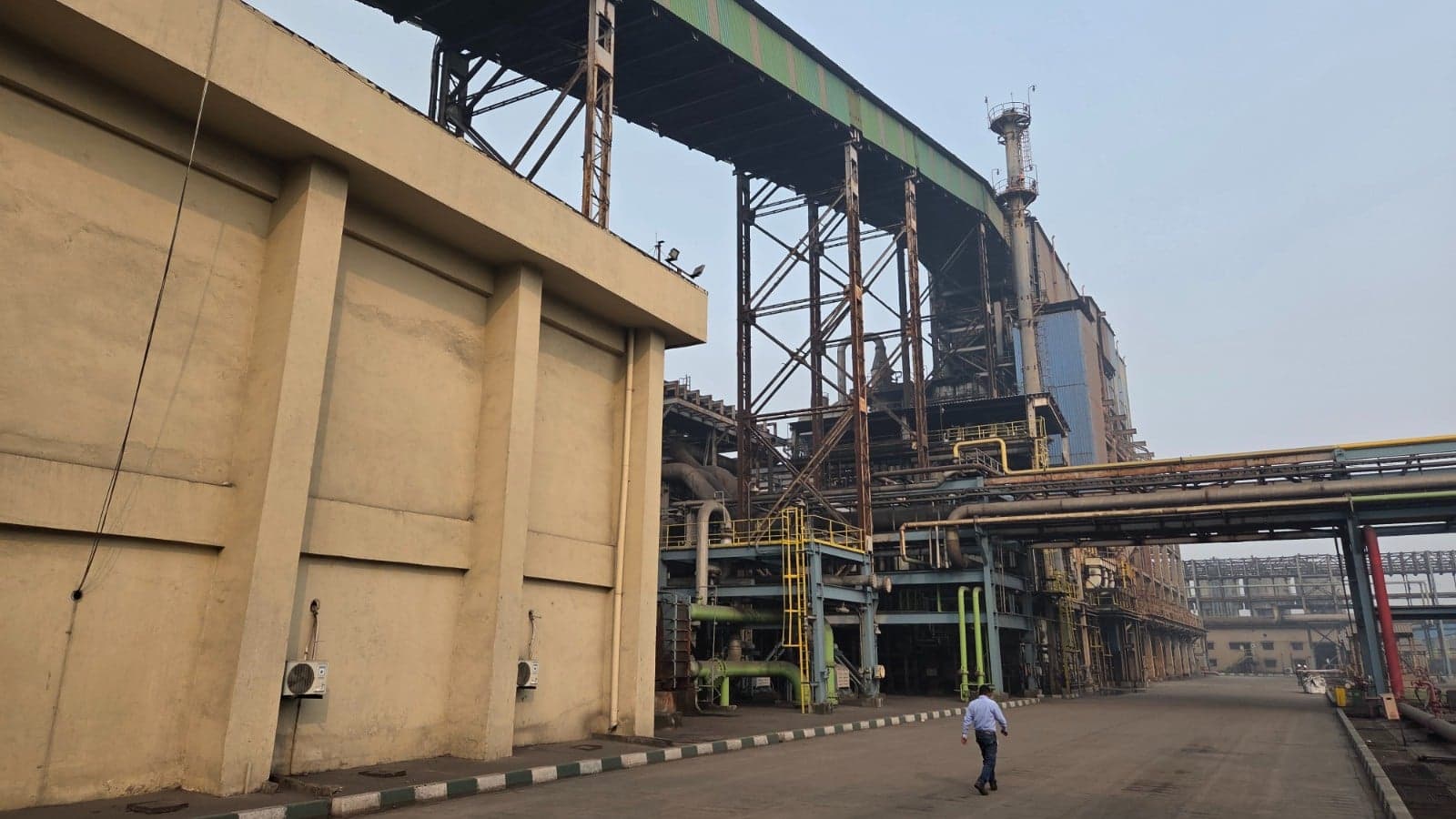
The plan will see the expansion of AdaniConnex's existing 2GW national data centre to 5GW, which according to the Group, will combine renewable power generation, transmission infrastructure and hyperscale AI compute within a single coordinated architecture.
Central to powering this strategy is Adani Green Energy’s 30GW Khavda hybrid wind and solar project, of which over 10GW is already operational.
Besides the Khavda project, the Group will be expanding its existing renewables and battery energy storage portfolio with a further $55 billion investment.
The idea is to build an energy-and-compute ecosystem in parallel, where generation, grid resilience and high-density processing capacity are developed.
Facilities will then not only be optimised for large high-density compute clusters and next-generation AI workloads, they will also be supported by advanced liquid cooling systems and high-efficiency power architecture.
To derisk the domestic supply chain, Adani will co-invest in local manufacturing partnerships of critical infrastructure components, including high-capacity transformers, advanced power electronics, grid systems, inverters and industrial thermal management solutions.
Furthermore, the Group will work with academic institutions to establish specialised AI Infrastructure Engineering curricula, labs focused on energy and logistics and a national fellowship programme to address the growing skills gap.
Have you read?
Suzlon secures 248.5MW wind order from ArcelorMittal
Vodafone's Vi Business to enable 12 million smart meters in India
Gautam Adani, Chairman of the Adani Group, commented on the announcement: "Nations that master the symmetry between energy and compute will shape the next decade. India is uniquely positioned to lead.”
In order to realise this strategy, Adani will leverage partnerships with Google to establish AI data centre campuses in Visakhapatnam and Noida, as well as with Microsoft in Hyderabad and Pune.
The Group will also deepen its partnership with Indian e-commerce firm Flipkart, collaborating on the development of a second AI data centre to support Flipkart's next-generation digital commerce and large-scale AI workloads.
According to the Group, discussions are also underway with other major players looking to establish large-scale campuses across India.
The broader perspective
The initiative, says Adani Group in a statement, aims to establish a long-term sovereign energy and compute platform that positions India as a global leader in the “emerging Intelligence Revolution”.
And clearly, India is looking to strengthen itself domestically as a data hub, but also as a strategic partner and exporter of intelligence and compute infrastructure.
Continued Adani: “At Adani, we are building on our foundation in data centres and green energy to expand into the complete five-layer AI stack focused on India's technological sovereignty. India will not be a mere consumer in the AI age. We will be the creators, the builders and the exporters of intelligence and we are proud to be able to participate in that future."
While India looks to build a competitive edge, the global race to build data-centres and export intelligence is growing.
According to the European Data Centre Association’s (EUDCA) latest report, since 2023, European IT power capacity has grown from 10,539MW to 14,784MW in 2025, with further cumulative investments of €176 billion expected between 2026 and 2031.
The drivers, states EUDCA, are the accelerating digitalisation across sectors, the rapid expansion and uptake of AI and the demand for a sovereign infrastructure, with data centres being recognised as a ‘strategic infrastructure’.
Commenting on the report findings was EUDCA Secretary General, Michael Winterson: “The exceptional growth of Europe’s data centre market is welcome news at a time when international volatility has focused many geographies on digital sovereignty and security.”
And in the US, where digital sovereignty and energy security are high on the agenda, the situation is similar. McKinsey states that by 2030, companies globally will invest almost $7 trillion in capital expenditures on data centre infrastructure globally.
More than 40% of this spending will be invested in the United States.
McKinsey’s report also highlights the benefits of effectively planning, managing, and mitigating the risks of data centre growth. Millions, perhaps even billions, of dollars in direct and indirect growth can be unlocked, high paying jobs can be created, and countries or states can establish themselves as leading digital-infrastructure hubs.