Trial proves rice husk pellets can lead to greener steel in India
Pamela Largue
Posted on: 10 March 2026
Indian and Australian researchers have teamed up to demonstrate a way to reduce emissions from steelmaking by using agricultural waste.
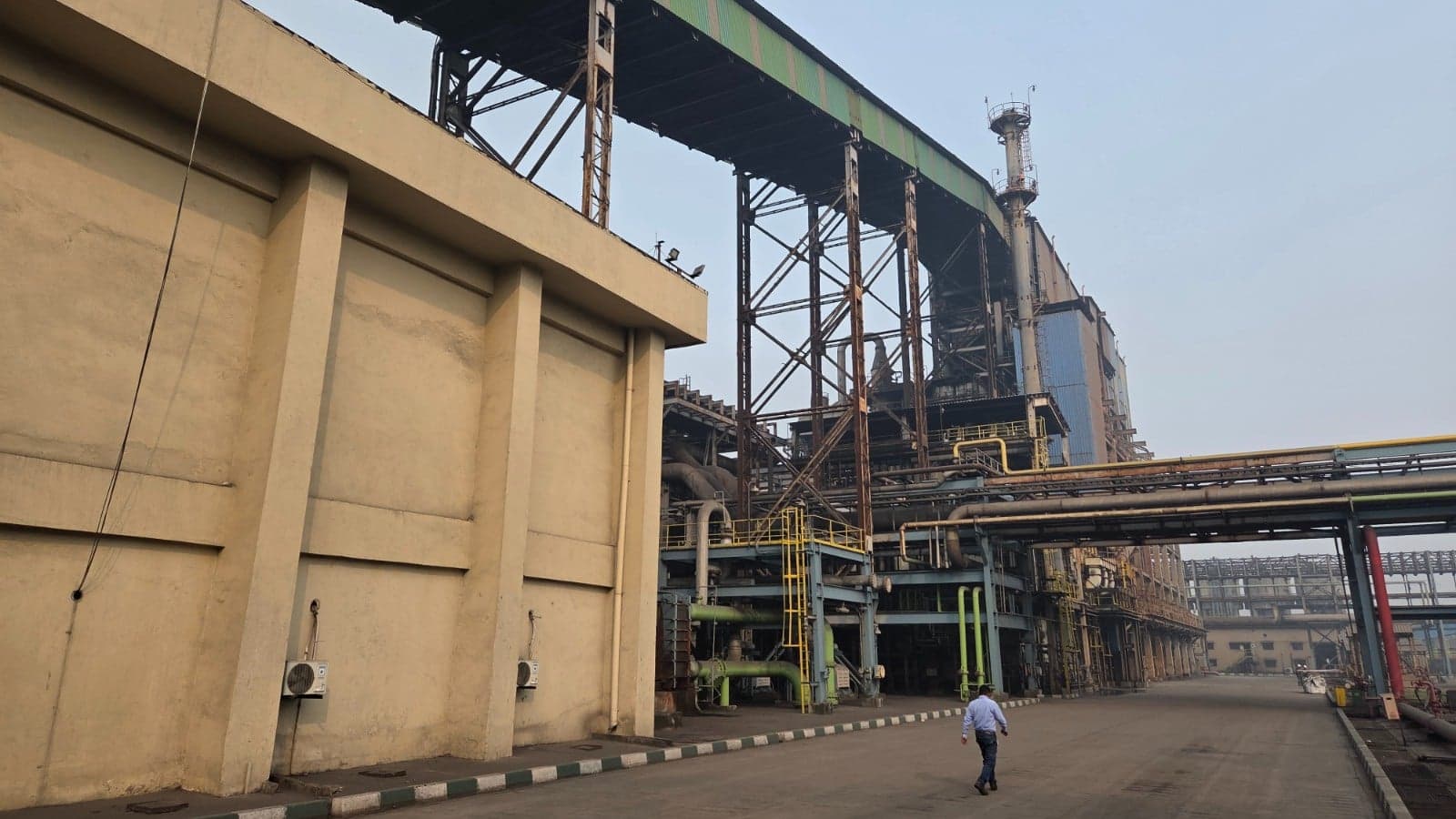
Researchers from Australia’s national science agency, CSIRO, and the Indian Institute of Science (IISc) have demonstrated a way to reduce emissions from steelmaking by using agricultural waste.
It’s hailed as a world-first and, according to researchers, can work at a commercial scale to achieve significant emissions reductions in iron and steel production.
Researchers from CSIRO collaborated with commercial steel innovator RESCONS Solutions on a full-scale project trial at Jindal Steel in Odisha.
The team claims to have successfully blended 5% and 10% rice husk pellets into Jindal Steel gasifiers, achieving sustained syngas production for iron ore reduction with no loss of performance.
Keith Vining, Research Group Leader – Green Metals Production at CSIRO, commented in a statement: “India’s steel sector is both a major employer and a significant source of emissions. Our partnership with the Indian Institute of Science and JSPL has demonstrated that biomass can be a viable alternative to coal, especially in regional areas where surplus agri-waste and coal DRI facilities co-exist.”
According to Vining, the next phase of research will focus on increasing biomass replacement rates, as well as measuring the impact on the direct reduction process.
The team will now also expand their work to include smaller-scale regional steelmaking facilities and a wider range of biomass sources.
Have you read?
Adani Group invests $100bn in renewable-powered AI data centres
Suzlon secures 248.5MW wind order from ArcelorMittal
The project was funded by the Australian Government’s India-Australia Green Steel Research Partnership and aims to fast-track the adoption of biomass for steelmaking.
Ultimately, the goal is to reduce emissions and improve air quality in a country with one of the fastest-growing economies.
CSIRO highlights that India’s steel sector is the fastest-growing globally, projected to double its capacity to 300 million tonnes by 2030 and reach 500 million tonnes by 2047.
Due to a reliance on coal-based processes and small-scale rotary kiln-based direct reduced iron (DRI) production, India’s steel production emits an average of 2.55 tonnes of CO₂ per tonne of steel, compared to the global average of 1.8.
Decarbonisation is therefore essential, and with surplus crop residue biomass in India totalling 228.52 million tonnes, the opportunity is significant.
If implemented across India, CSIRO suggests the process could reduce steel sector emissions by up to 50%, totalling approximately 357 million tonnes of CO₂ per year.
Damodar Mittal, Executive Director at Jindal Steel, stated that this is a “pivotal moment in our journey towards decarbonisation,” adding that integrating biomass into production processes will set a new benchmark for the sector at large.
To support take-up of the new technology, the CSIRO-RESCONS team has published an interactive online map of India’s steelmaking infrastructure overlaid with regional biomass availability. This will help users to identify supply opportunities.