Addressing the energy skills crisis – How to make your culture a magnet for talent
Guest/partner contributor
Posted on: 6 August 2024
The issue of attracting and retaining talent in energy can not simply be seen as an HR problem to solve, but must be addressed holistically.

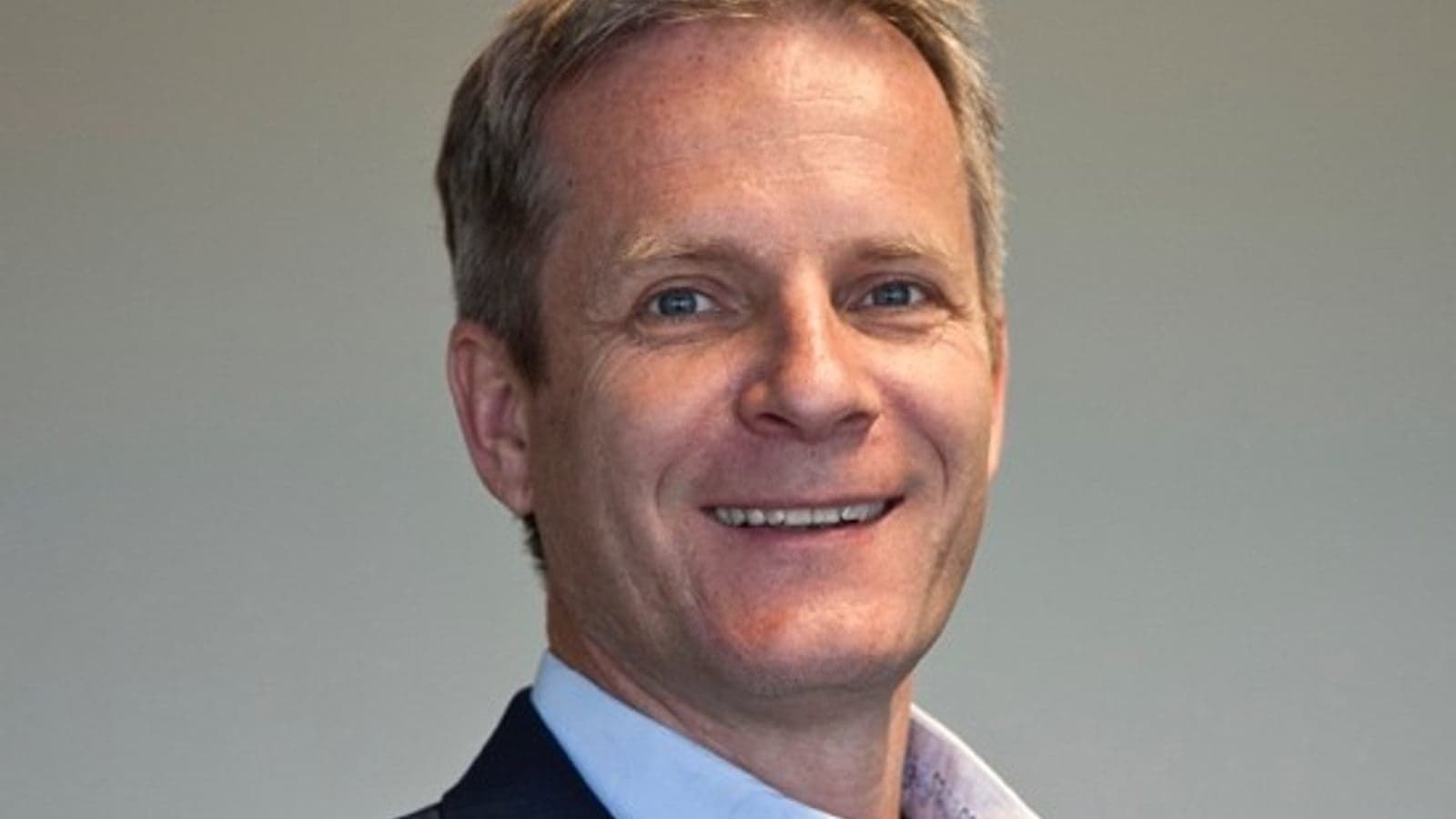
The critical issue of attracting and retaining talent in energy cannot simply be seen as an HR problem to solve, but must be addressed in a holistic manner, whether working behind a desk, up pylons or down holes, writes David Bernard of O.C. Tanner.
Bernard's insights draws on findings from O.C. Tanner’s 2024 Global Culture Report, which gathered data and insights from more than 42,000 employees, leaders, HR practitioners, and executives from 27 countries worldwide including 1,038 from the energy and utilities sector.
The energy industry is grappling with a serious skills shortage against a backdrop of an ageing workforce and the need to deliver grid modernisation and decarbonisation initiatives. Attracting and retaining talent is HR’s biggest headache as they struggle to find and keep individuals with the right skills to fill critical positions and deliver transformation.
However, the issue can’t simply be seen as HR’s problem to solve, but must be addressed in a holistic manner, with a focus on creating thriving organisational cultures for everyone, whether they work behind a desk, up pylons or down holes. When a culture is nurtured so that it becomes an appealing place to work, not only will people want to stay for longer, but it will naturally become a magnet for the very best industry talent.
The role of organisational culture
Organisational culture can make or break a business.
If workers feel fulfilled and valued in their job, have a sense of belonging, and feel connected to the organisation, they will deliver great work, will stay for longer and be an advocate for the business. In fact, great workplace cultures create incredible advantages.
Yes, they attract talent, but they also mobilise innovation, develop strong leaders and create solid foundations for ongoing success. On the flipside, poor cultures can lead to highly damaging outcomes such as high staff churn, increased absence rates, and an environment that does little to attract or develop talent.
As it stands, just 57% of employees from the energy and utilities sector believe that their organisation has a positive culture, and over a quarter (26%) dread going to work. This status quo creates weak foundations for fulfilling the industry’s ambitious modernisation targets.
So how should energy leaders nurture a strong and thriving workplace culture that becomes both an incubator - and a magnet - for talent?
Have you read:
Schneider Electric launches training programme for electrical engineers
Apprenticeship launched in the UK to combat smart meter ‘dumb mode’
Finding your purpose
To start with, the organisation must have a strong and relatable purpose that a neuro-diverse workforce understands and can feel connected to. After all, purpose is vital for attracting and retaining talent and for keeping employees engaged and motivated.
Today’s workforce expects companies to have an inspiring purpose, allowing them to connect to something bigger and more important than themselves, but it must ‘speak to’ the employees, clearly articulating the difference the organisation is making to the world.
So, for example, a Pay As You Go energy supplier’s purpose could be around ensuring equality and fairness for all: ‘Every single person counts’. And a company that focuses on low-carbon technologies may choose a purpose linked with its environmental goals: ‘Innovation for a greener future’.
Once the purpose has been determined, it must be ‘lived and breathed’ in everything the company does, becoming organically adopted rather than ‘pushed out’ from head office.
Interestingly, purpose not only attracts talent, but it also drives profits and business success with the Harvard Business Review finding that purpose-driven companies outperform their peers in stock price by 12 times.
Building a community
The most successful cultures put time into building a sense of community where all employees feel that they belong, can be themselves and are well supported.
Unfortunately, just 65% of energy and utilities workers feel a sense of belonging at work, leaving a third of the workforce who feel excluded and/or isolated. Employees who feel that they belong are 5.3 times more likely to feel empowered to perform their best work and will be strong organisational advocates, helping to attract fresh talent to the company.
A sense of community is best achieved through a modern and empathetic leadership approach in which leaders get to know their people as individuals, taking the time to listen to - and respond to - their needs and career ambitions.
One-to-one meetings and going on the road to visit workers wherever they are located, will unearth what technology, tools, and resources each of them requires to do their jobs better, and to feel more connected to the organisation, their managers and their peers. When leaders take the time to understand the role, career aspirations, and perspectives of their deskless employees in particular, the odds of these workers feeling a sense of belonging increase by a phenomenal 1,069%.
Is everyone being heard?
Linked to this is the importance of giving all workers a voice, whether they are working down holes or sat behind a desk all day. And this can only be achieved by having the right organisational mindset, technologies and feedback channels in place.
If employees don’t feel that they have a say in their job and how things are done, then they’ll feel powerless and ‘unseen’. Organisations must therefore promote a culture of employee listening, seek feedback, and provide everyone with mobile-enabled technologies so they can connect with others and participate in conversations.
Appreciate!
Appreciating and recognising efforts and results is something that humans crave. It’s given in abundance to children to support their learning and to encourage repeat behaviours, and yet it’s rarely given in adulthood. This is despite workplace recognition delivering a number of positive business outcomes including an increase in great work by 1,181%, high engagement by 784%, and a thriving culture by 648%.
Employee recognition is an essential part of any organisation’s talent strategy. In fact, when employees were asked, “what is the most important thing your company could do to cause you to produce great work,” their most common response was recognition.
However, it’s important for recognition to be done properly and not in an ad hoc fashion. The aim should be to integrate it into the company’s everyday culture with everyone encouraged to give and receive recognition.
Recognition must also be timely, purposefully given, meaningful and ideally done in front of managers and peers to elevate its importance. For energy workers who work away from offices, they need to have access to a mobile recognition app for receiving and giving appreciation.
They should also be presented with rewards to accompany the recognition, given in person or delivered to their homes; recognition should be broadcast in company communications; and workers must be invited to in-person career anniversary celebrations.
Growing and developing your people
To address the skills gap while creating a culture of continuous learning, everyone must be given the opportunity to be trained in new areas and to learn new skills, not just those in certain roles or individuals who’ve been identified as ‘manager material’.
By opening-up skill building to all, regardless of their job role and where they’re located, this will support an inclusive culture. It will also lead to greater innovation and create an attractive destination for job seekers, while increasing the odds that employees will want to stay in their jobs for longer.
Equitable flexibility
These days, workers expect some level of flexibility in their roles and if it’s not available, they may simply look for a job elsewhere. Having said this, it’s also understood that cables can’t be laid from home and powerlines can’t be repaired at a time to suit the workers.
What can be provided, however, is a level of flexibility that can be achieved by addressing every employee’s unique needs. Flexibility for one employee may mean having the opportunity to take time away from work for both emergencies and parental duties such as school plays and hospital appointments. For another employee, they may desire greater autonomy in how they accomplish their work, as well as the opportunity for skill building during working hours.
The key is to ensure every worker feels seen, appreciated and empowered and that their time both in and away from work is respected.
Culture first!
To address the energy sector skills gap, it’s important to look internally first. Is the company an attractive destination for talent? Are employees advocating for the company and if not, why? Do employees feel valued and a sense of belonging with opportunities to learn and grow?
To secure a more predictable talent pipeline and to cultivate the right skills for the future, a magnetic organisational culture must be nurtured. Failure to do this will mean that any initiatives to attract top talent will simply act as sticking plasters, only delivering temporary fixes rather than long-term results.
About the author
David Bernard is a business development manager at staff recognition specialist O.C. Tanner. His focus is on expanding European markets and supporting large multinational organisations through solutions that enhance workplace culture and employee experiences.