Why workforce retention is crucial for a reliable grid
Guest/partner contributor
Posted on: 18 December 2025
The next five years could make or break the energy industry, and without the workforce to man it, the grid will not be able to keep up.

Without a sufficient workforce, the grid will not be able to meet skyrocketing demand, writes David Chandler of Think Power Solutions.
Thanks to AI data centres, energy demand is soaring. One report forecasts the upcoming demand to hit 128GW over the next four years. That’s about 13 times New York City’s peak electricity consumption in 2023.
But this is not the only challenge. The sector is battling multiple issues on other fronts, including an outdated grid that is woefully unprepared for the AI race. And another challenge that is just as pressing is the industry’s workforce stability, which is currently under threat. Turnover rates are still high, and half of the workforce will retire in the next decade.
The next five years could make or break the industry, and without the workforce to man it, the grid will not be able to keep up with this skyrocketing demand. Utilities must take action now to rewrite the script around workforce stability. To do so, they must nurture culture, growth, and well-being.
Create a culture that retains
People are more likely to remain in a company if they feel valued and have a clear sense of direction. Culture is about empowerment and purpose that is actively championed from the top down and ingrained at the very core of how teams operate.
Every strong culture has trust as its backbone. Employees need to have faith and trust in what they’re doing, who they’re working alongside, and in leadership. With trust comes empowerment, which is integral to better motivation and loyalty across teams.
Leadership has a vital role in building trust because it sets the example of what it means to call oneself a part of the team. Fostering trust starts with transparency, particularly around decisions and protocols. By doing so, they also underline the organisation’s mission and create a basis where staff feel their opinions are important. It’s that very recognition of others’ perspectives that helps augment trust, empowerment, and greater engagement.
Extend safety to overall well-being
Safety is absolutely crucial in any setting, but particularly in utilities where on-the-ground crews can find themselves in dire situations, particularly during violent storms. However, protocols that are only centred on safety gear and physical risks fail to circumvent other risks to staff.
In recent years, there has been a lot more awareness built around the risk of burnout and a tired, overworked workforce. Multiple studies indicate there is a direct correlation between hours worked and the rise in safety incidents. This is something that no organisation can afford as leaders prepare for a massive wave of demand. Teams are going to be busier than ever. It is easy for the pressure to quickly build up and force staff to reach a breaking point, so team leaders have got to keep a close eye on the mental well-being of their teams. Staff hit with burnout and fatigue are three times more likely to think about leaving, so addressing this particular challenge is non-negotiable.
Keep a pulse on staff’s progress when completing training courses. Also, delve into how engaging these courses are and whether they are up to date with safety regulation...
Nowadays, there is plenty of technology available to help team leaders avoid over-scheduling already-stretched crews. AI can automate timesheet management and flag when a team member has too many back-to-back shifts.
And leaders need to think beyond technology and hone in on training, too, which should be adapted to incorporate mental health considerations. Not everyone can pick up on subtle behavioural cues and changes as a second-nature skill. Signs of issues like burnout are usually more insidious and difficult to spot than a fracture. Leaders and team members alike must know what to look out for, like mood swings, distractedness, and tiredness, and be well-versed in the protocols to follow when a health and safety issue is flagged.
It is also crucial that organisations do not treat health and safety training as a ‘one and done’ factor. With protocols extending beyond physical harm, staff and crews must be strongly familiar with balancing speed and safety in any given situation. This is why monitoring progress and auditing training programmes is a must.
Keep a pulse on staff’s progress when completing training courses. Also, delve into how engaging these courses are and whether they are up to date with safety regulations, such as OSHA or other industry best practices. Attaching hard numbers to progress and programmes gives leaders and employees a clear picture of how astute these protocols and training endeavours actually are. If hard numbers are not easily accessible, simply ask for feedback and make sure to record this.
What’s more, having benchmarkable KPIs tied to these numbers can be a great motivator for improving safety skills and know-how. They give teams a clear sense of direction of where they are and where they need to go.
More on the workforce challenge:
Addressing the million-dollar AI question for the energy workforce
Securing the workforce for a sustainable energy transition
Digital drivers of the future energy mix and workforce
Treat roles as careers, not just jobs
Most people are ambitious and want clear avenues to professional growth and development. Nurturing that ambition is a win-win for everyone, particularly as the industry tackles global skills shortages. This is especially true with highly technical employees. The sector needs a more skilled, agile, and adaptable workforce to navigate the years to come.
Designing and embedding clear career growth paths for employees is not an option for leaders who want to retain their staff’s loyalty. In fact, ‘no clear career path’ is cited as the top reason people choose to leave a company among almost a quarter of workers.
Cross-skilling is important for both staff and organisations alike. For example, AI is increasingly being used in people’s daily tasks. The teams working alongside AI tools have got to have a strong grasp of skills like data literacy. However, this doesn’t mean they should become data scientists, but they should know what to look out for in these technologies to avoid fallouts like hallucinations and bias.
Short certified courses are a great way to build targeted skills. Again, these should be quantifiable so that progress can be closely monitored. Besides this, company mentorship programmes can help less-experienced staff access hands-on learning with a more experienced colleague, or ‘coach.’
Alongside these efforts, lean into the power of marketing. Create a campaign that clearly communicates and showcases growth opportunities so teams are in the loop. When organisations are actively championing growth opportunities and handing them to their staff, employee perception and motivation also improve.
The energy providers who want to be prepared for tomorrow and beyond are taking action on these fronts today. Investing time and energy into these three areas—culture, growth, and well-being—is what’s needed to ride the next big wave of demand. Grid reliability absolutely depends on workforce stability, and all three aforementioned elements are integral to that.
About the author
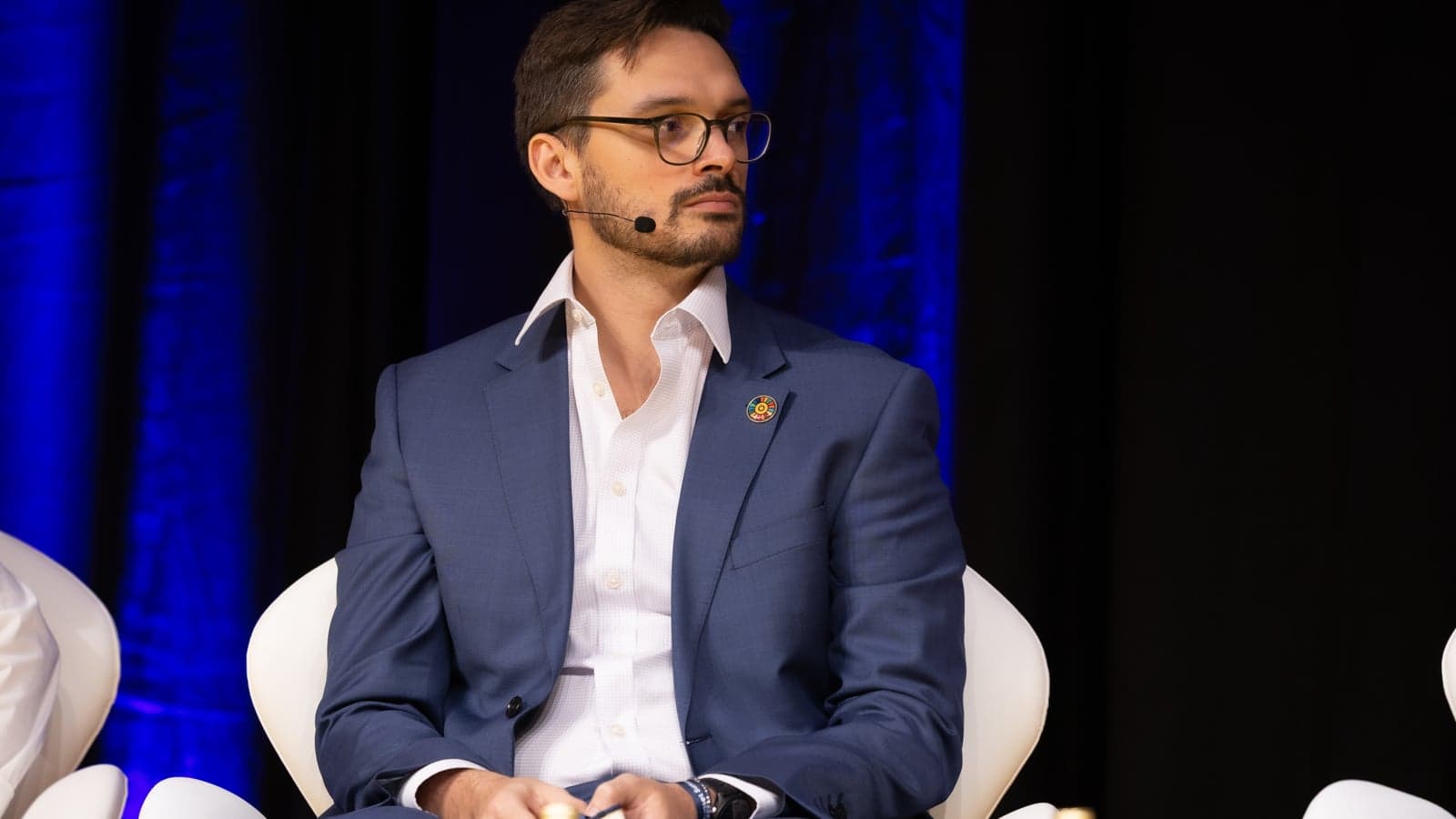
David Chandler is the Chief Human Relations Officer at Think Power Solutions, an Energy & Utility Infrastructure Management consulting company headquartered in Dallas, Texas, US. He works closely with the Board of Directors to shape the company's human capital strategy.