Partner content
AI and DERs: Powering the grid’s smarter future
Guest/partner contributor
Posted on: 9 December 2025
As the global energy landscape undergoes a seismic shift, utilities face a dual challenge: rising demand driven by electrification and digitalisation – especially from AI-powered data centres – and the urgent need to decarbonise.
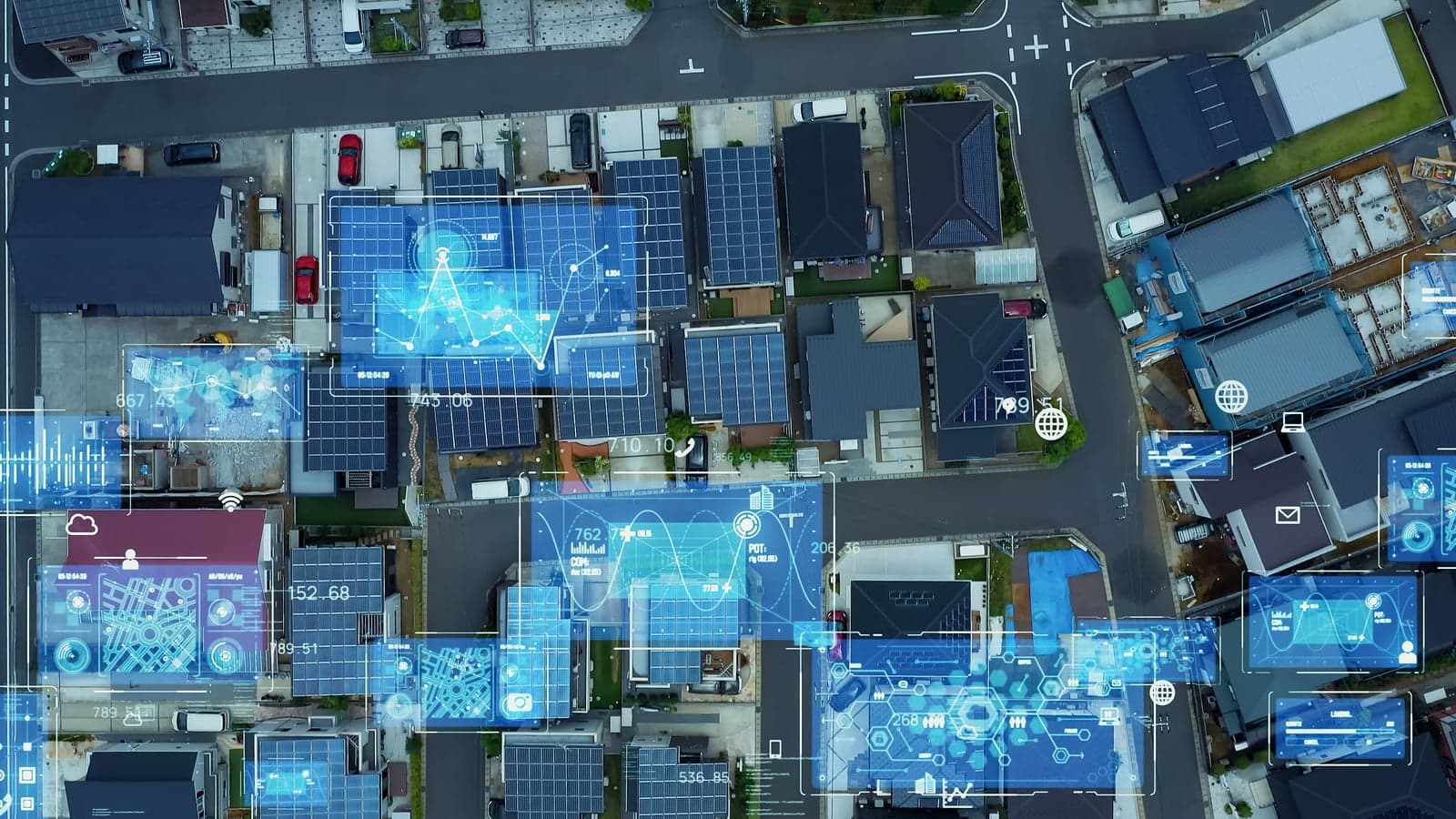
The paradox is clear: artificial intelligence (AI) is both a major consumer of energy and a critical tool for optimising its use. Yet, this paradox is not a deadlock. It’s a catalyst for innovation.
According to estimates from Morgan Stanley, by 2030, data centres alone could consume up to 8% of national electricity in countries like Australia. Globally, the proliferation of electric vehicles (EVs), rooftop solar and residential battery storage is transforming the grid from a traditional one-way power flow system into dynamic, decentralised two-way distribution networks. Traditional centralised communication and control models are no longer sufficient.
Distributed intelligence: Thinking locally, acting instantly
Much like AI, distributed intelligence is a system that processes data and makes decisions, often autonomously. However, while AI typically centralises learning and decision-making, distributed intelligence spreads these capabilities across multiple devices or nodes, shifting analysis and control from centralised systems to the edge of the network – where the action happens. This means that distributed intelligence-enabled smart meters (now controllers) can both measure grid conditions and dispatch DERs like EV chargers and solar inverters without waiting for instructions from a central hub.
This architecture reduces latency, improves grid resilience and enables hyperlocal optimisation. For example, distributed intelligence-enabled meters can detect EV charging patterns, identify meter bypasses or even predict transformer overloads in real time – all in close coordination with the central control system.
DERs: From disruption to opportunity
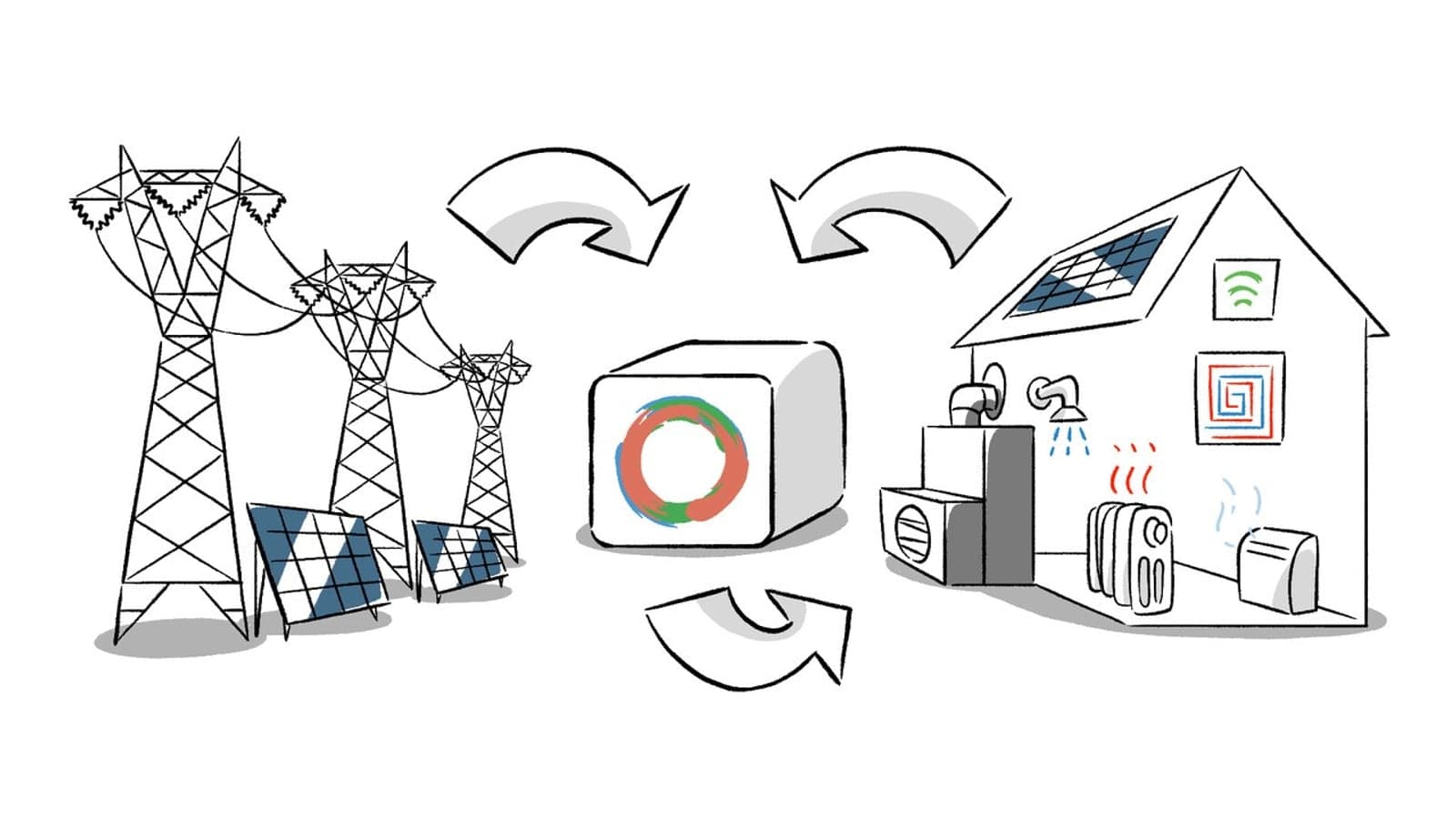
DERs – such as solar panels, batteries and smart appliances – are no longer fringe technologies. They are foundational to a flexible, decarbonised grid. But their true value is unlocked when paired with intelligent orchestration.
To manage this complexity, utilities require platforms capable of orchestrating millions of grid edge devices and supporting decentralised AI, real-time forecasting and local DERMS (Distributed Energy Resource Management Systems) automation.
They need a solution that enables:
- Flexible, least-cost DER integration across diverse portfolios;
- Real-time load shaping and constraint management;
- Market participation through open standards like IEEE 2030.5, OpenADR and others; and
- Transformer protection and outage awareness with distributed intelligence.
Global relevance, local impact
While much of the early adoption has occurred in North America and Australia, the principles of distributed intelligence and DER integration are universally applicable. Whether managing EV load in Norway, rooftop solar in California or microgrids in Southeast Asia, the need for scalable, intelligent grid solutions is global.
Utilities worldwide are facing similar pressures: ageing infrastructure, regulatory shifts and rising customer expectations. Distributed intelligence offers a path forward – one that is scalable, secure and adaptable to local market conditions.
The value proposition
The convergence of AI and DERs delivers tangible benefits:
- Customer engagement: Real-time insights, proactive alerts and personalised energy services.
- Grid reliability and resilience: Localised control that adapts to volatility, outage response and supports decarbonisation.
- Market flexibility: Virtual power plant deployments, DER enablement and participation in wholesale markets supporting ISO, RTO and TSO system balancing authorities to enable initiatives like FERC Order 2222 (North America) and NEM reform (Australia).
- Operational efficiency: Reduced truck rolls, faster outage response and predictive maintenance.
- Extendable business value: While most look just to realise immediate use cases such as 'minimum demand' at a small population of endpoints, the solution needs to scale to millions of DERs and sophisticated use cases such as delivering ancillary services and load curves that stabilise the distribution grid. AI at the edge will be essential to manage that complexity
In short, distributed intelligence transforms DERs from passive assets into active grid participants. What used to be an 'endpoint' can now be thought of as a 'decision point'.
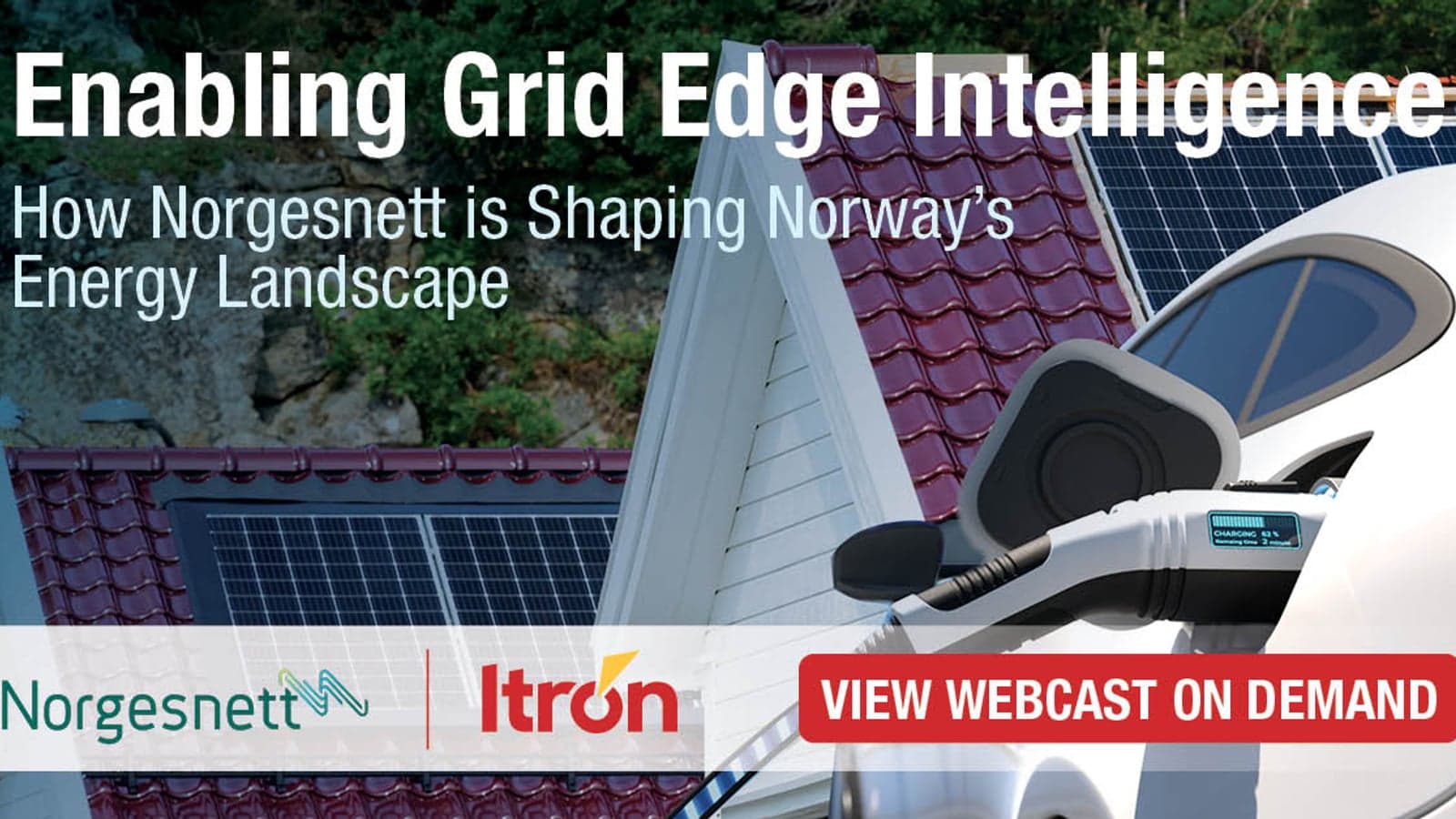
Register here for the webcast presented on Wednesday, January 21 at 3pm CET.
Conclusion
The energy transition demands more than clean generation – it requires intelligent orchestration. By embedding AI at the edge through technologies like distributed intelligence and embracing distributed energy resources, utilities can build a grid that is not only smarter and more resilient, but also sustainable.
To learn more about managing the interconnection between DERs and distributed intelligence, hear from Norgesnett’s CEO, Vidar Kristoffersen, and VP of Smart Metering and Grid Edge Innovations, Karolin Spindler, about their programme and vision for realising value-based outcomes and insights in a market that has one of the highest electricity consumptions per capita in Europe.
About the author
Stefan Zschiegner, Vice President, Product Business, Outcomes, joined Itron in March 2020. Prior to joining Itron, he held product business leadership roles driving digital transformation in telecom and in manufacturing. Previously, he held product leadership positions in energy solutions at Enphase Energy and driving global growth with grid-connected solutions for First Solar. His education includes the Executive Marketing Management Program at Stanford Graduate School of Business and a masters’ equivalent degree in electrical engineering from Technical-University Hamburg.