BEGONIA operational digital platforms to redefine Europe’s energy and mobility
Guest/partner contributor
Posted on: 29 January 2026
How the BEGONIA project is helping build a more connected, flexible and human-centred energy system.
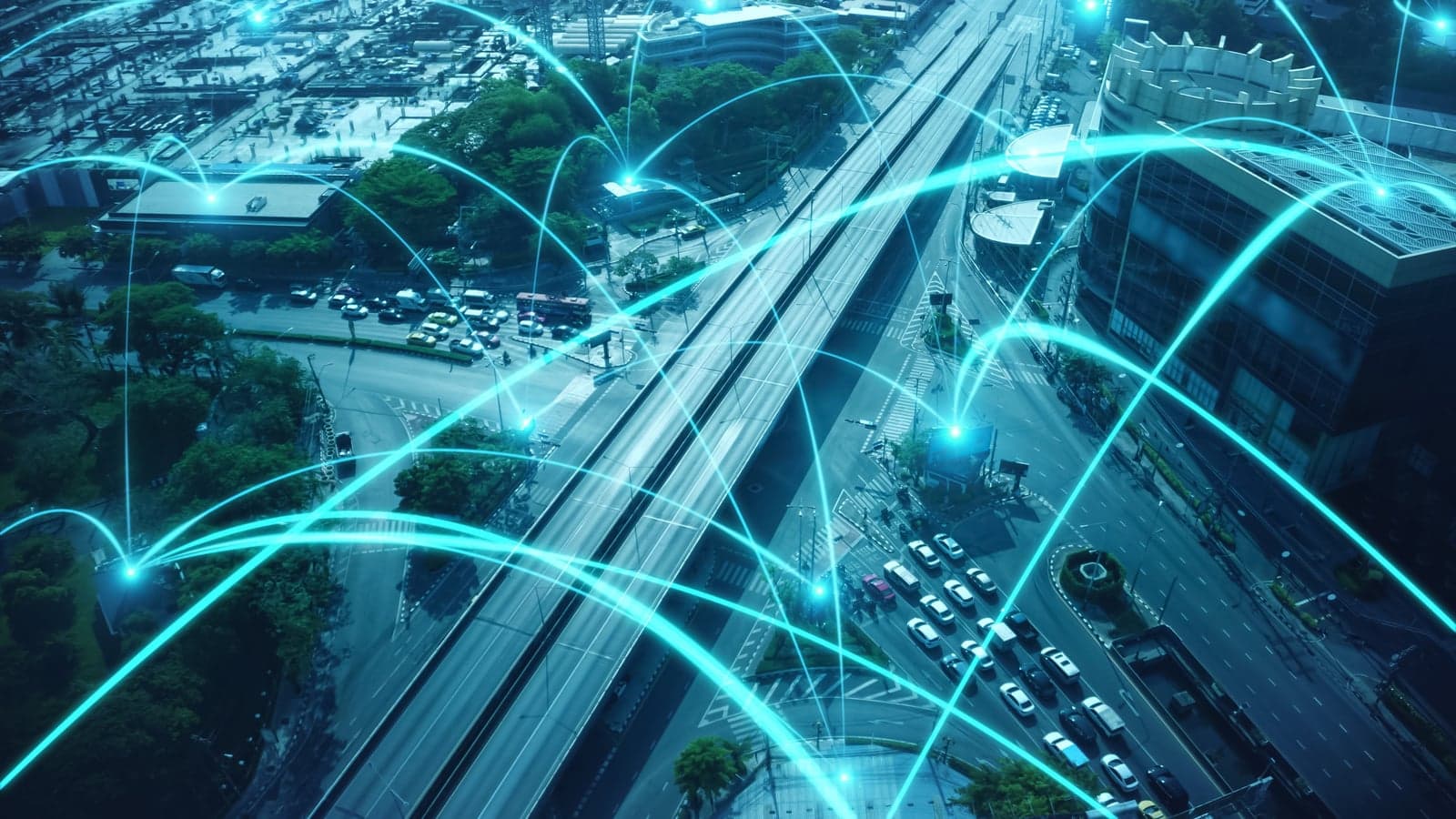
Across Europe, the way we use energy is changing every day. Many homes now have smart meters, heat pumps or solar panels. Electric vehicles are becoming a familiar sight on our streets. And behind the scenes, huge data centres power our digital lives – from emails to streaming movies.
But even as all these technologies grow, they often operate separately, without talking to each other. That can make the energy transition feel confusing, complicated, or out of reach for ordinary people.
This is where operational digital platforms come in. They act like the 'digital glue' that allows different parts of the system – energy, mobility and data – to connect and work together. The BEGONIA project, supported by the European Union, set out to explore what this new generation of platforms could look like.
From fourteen ideas, three stood out as having the biggest potential to improve life for people, businesses and the planet.
These three use cases focus on empowering households, supporting electric mobility and making data centres more sustainable. Each one tells a different story, and together they paint a picture of a Europe where digital tools make the energy transition more inclusive, smarter and easier to participate in.
Use cases
1. Putting people at the centre of the energy transition
For years, Europe has talked about making consumers active players in the energy system. But many people still feel disconnected from it. Even with smart technologies at home, the experience is often confusing: bills are hard to decipher, energy prices are unpredictable, and it’s not clear how to take part in the transition in a practical way.
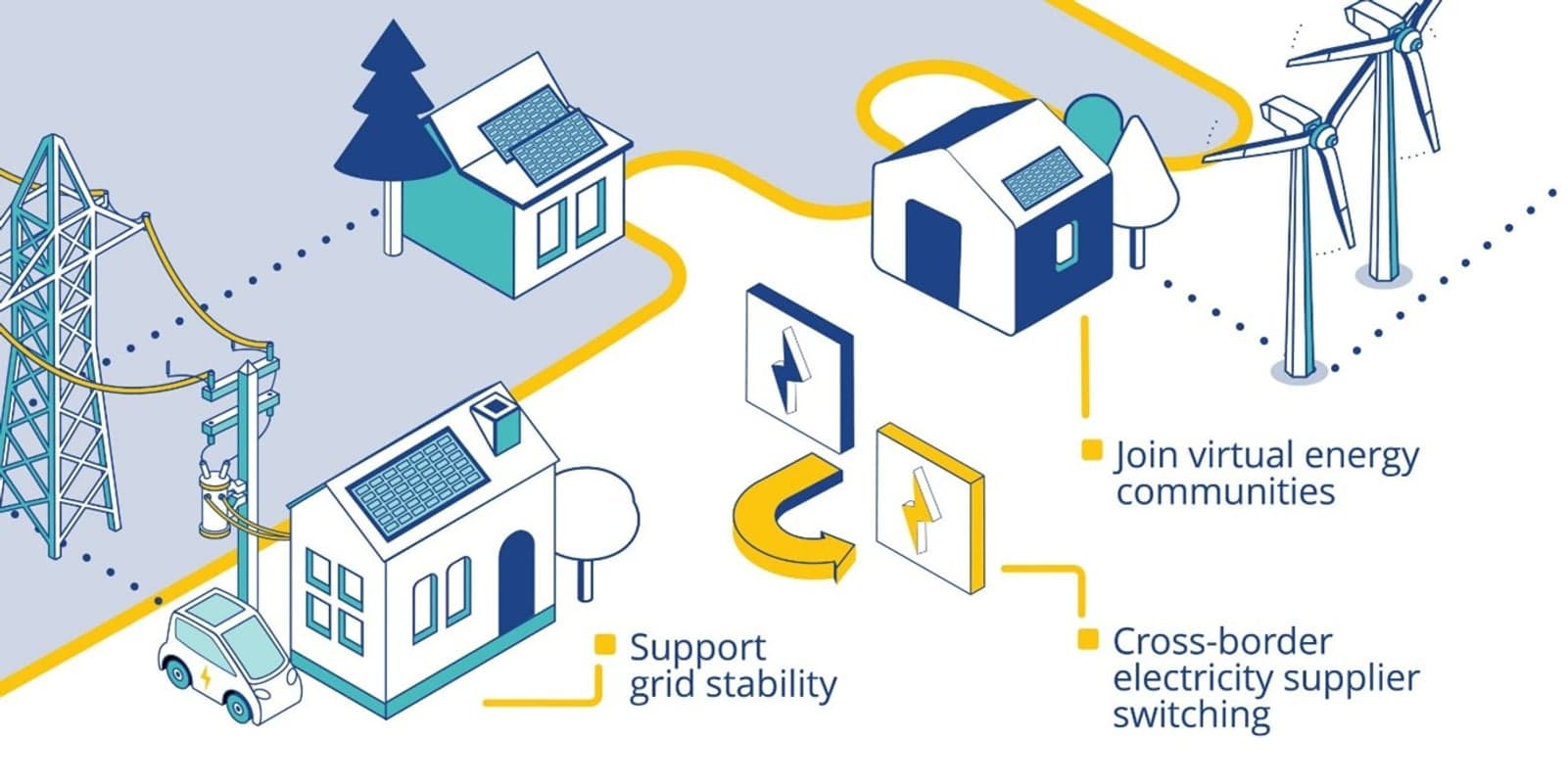
Use case I, the electricity customer centric operational digital platform, imagines something much more intuitive. It describes a digital platform that acts almost like a personal energy guide, a tool that helps households understand what is happening in real time, without needing technical knowledge.
The platform brings together information from smart meters, solar panels, EV chargers, heat pumps and other devices. Instead of scattered data, users see a simple, friendly overview: how much energy they are using, how much it costs and how clean it is. They can compare offers and even switch suppliers automatically if a better option becomes available.
But the real power of this platform lies in how it helps people participate. It enables households to join virtual energy communities, where neighbours can share surplus solar energy or work together to reduce consumption at key moments. It also allows home devices to adjust automatically, for example, charging an electric vehicle when renewable energy is abundant or running a heat pump when prices are lower.
Behind all of this is a strong focus on trust and data protection. The platform follows European rules on privacy and digital rights, so users stay in control of their information at all times.
This use case shows how technology, when designed with people in mind, can turn the energy transition into something that feels empowering rather than overwhelming.
2. A smarter way to charge and manage Europe's e-mobility
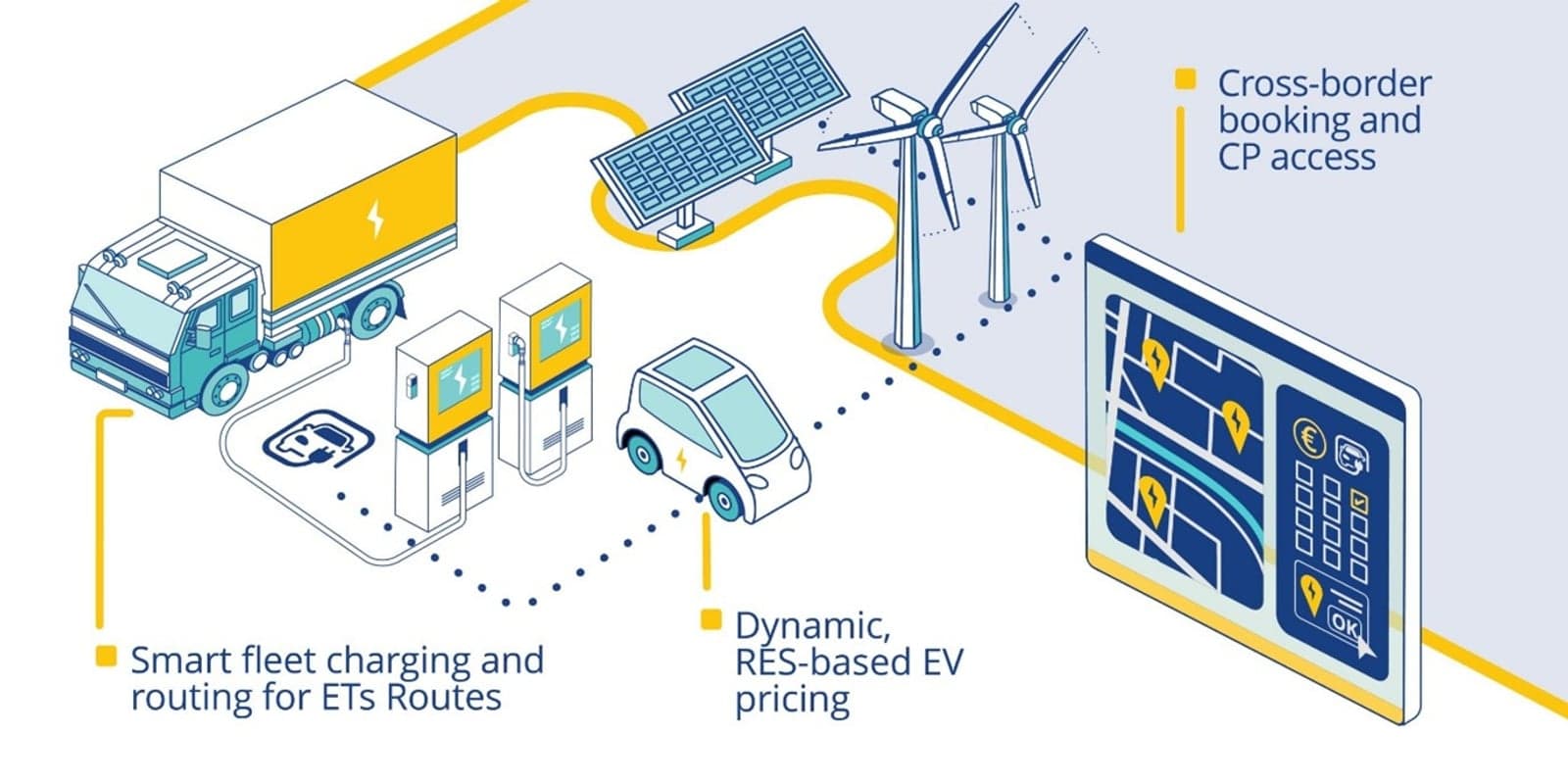
Electric mobility is one of Europe’s big success stories. More and more people are choosing electric cars and vans and companies are electrifying their fleets. But this raises an important question: how do we charge all these vehicles without overloading the grid or creating new challenges?
The second use case, an AI driven operational digital platform for integration of EVs, renewables and the grid, proposes a platform that treats EV charging as part of a bigger system, connecting mobility, energy and traffic information in real time. Instead of each vehicle charging whenever it happens to plug in, the platform helps drivers and fleet managers choose the best moment and place, both for them and the grid, to charge.
It does this by using data on weather, renewable energy generation, grid capacity and traffic conditions. For example, on a sunny afternoon when solar energy is abundant, charging could be encouraged with lower prices. If a neighbourhood grid is congested, the platform could suggest another nearby charger. The result is smoother journeys for drivers and a more stable energy system for everyone.
For fleets, delivery vans, buses, shared mobility services, coordination is especially valuable. The platform can plan charging schedules, manage bookings and ensure that vehicles are ready when needed. It reduces stress, saves money and supports more predictable operations.
Because it connects different sectors, this platform is governed as a neutral, not-for-profit service. That ensures fairness and builds trust between all players: grid operators, mobility providers, fleet managers and public authorities.
This use case shows how digital tools can help Europe grow its EV movement without compromising grid stability and while making life easier for drivers at the same time.
3. Turning data centres into energy transition allies
Every email we send, every photo we back up, every video we stream runs through a data centre somewhere in Europe. These facilities are essential – but they also use a lot of energy, and their demand is growing fast.
Use case three, digitalisation of data centres, looks at data centres not as a problem but as a huge opportunity. It introduces a platform that helps data centres operate more efficiently and become active contributors to the energy transition.
The platform monitors everything that influences a data centre’s energy use: cooling systems, environmental conditions, batteries, power quality and even metrics like carbon emissions or efficiency scores (PUE and WUE). With the help of AI, it identifies the smartest way to optimise operations, always with minimal disruption to digital services.
One of the most innovative ideas in this use case is the ability to shift computing workloads to other regions depending on where clean energy is available. If wind power is strong in Denmark or solar output is high in southern Germany, tasks can be processed there instead. This turns data centres into flexible, responsive players in the energy transition.
Another major benefit is heat reuse. Data centres produce a great deal of heat, which often goes to waste. The platform connects them with district heating networks so this heat can warm buildings, reducing emissions and creating local value.
Like the EV charging platform, this operational digital platform is governed as a not-for-profit collaboration between data centres, energy companies, heating providers and grid operators. That ensures shared ownership, fairness and long-term sustainability.
Connected vision for Europe’s future
Although these three platforms focus on different parts of the energy system, they share the same philosophy. They are designed to be open, secure and interoperable. They help different technologies talk to each other. They make sense of complex information and turn it into something easy to understand. And above all, they show how digital innovation can make the energy transition more human.
Households gain tools that make energy clearer and more empowering. Drivers and fleet managers get smoother, greener mobility. Data centres – once seen as energy intensive giants – become valuable partners in flexibility and sustainability.
The BEGONIA project demonstrates that Europe doesn’t just need new hardware, it needs smart digital platforms that help everything work together. These use cases offer a glimpse of a future where clean energy, digital innovation and everyday life are seamlessly connected, making the transition faster, fairer and better for all.
About the author
Niccolò Fattirolli is the COO of olivoENERGY Strategy Consulting, where he leads the company’s internal operations and ensures the smooth delivery of projects. His expertise covers electricity market regulation, demand side flexibility, energy communities and electric mobility. Within the BEGONIA project consortium, he leads the communication and stakeholder engagement efforts.
Most popular
Join the community for freeAnd get access to all content
Related projects
BEGONIA
+6
1 January 2024 - 1 May 2026
View projectLatest content
+6
EU Energy Projects Podcast: How the EU plans to support AI in the energy sector
The strategic roadmap for digitalisation and AI in Europe’s energy sector is one of the key documents due from the European Commission in 2026. DG Energy's Stavros Stamatoukos explains the inner workings.
- Jonathan Spencer Jones
- 21/01/2026