CO2 scepticism is a massive entrepreneurial opportunity' says Siemens boss
Yusuf Latief
Posted on: 15 June 2023
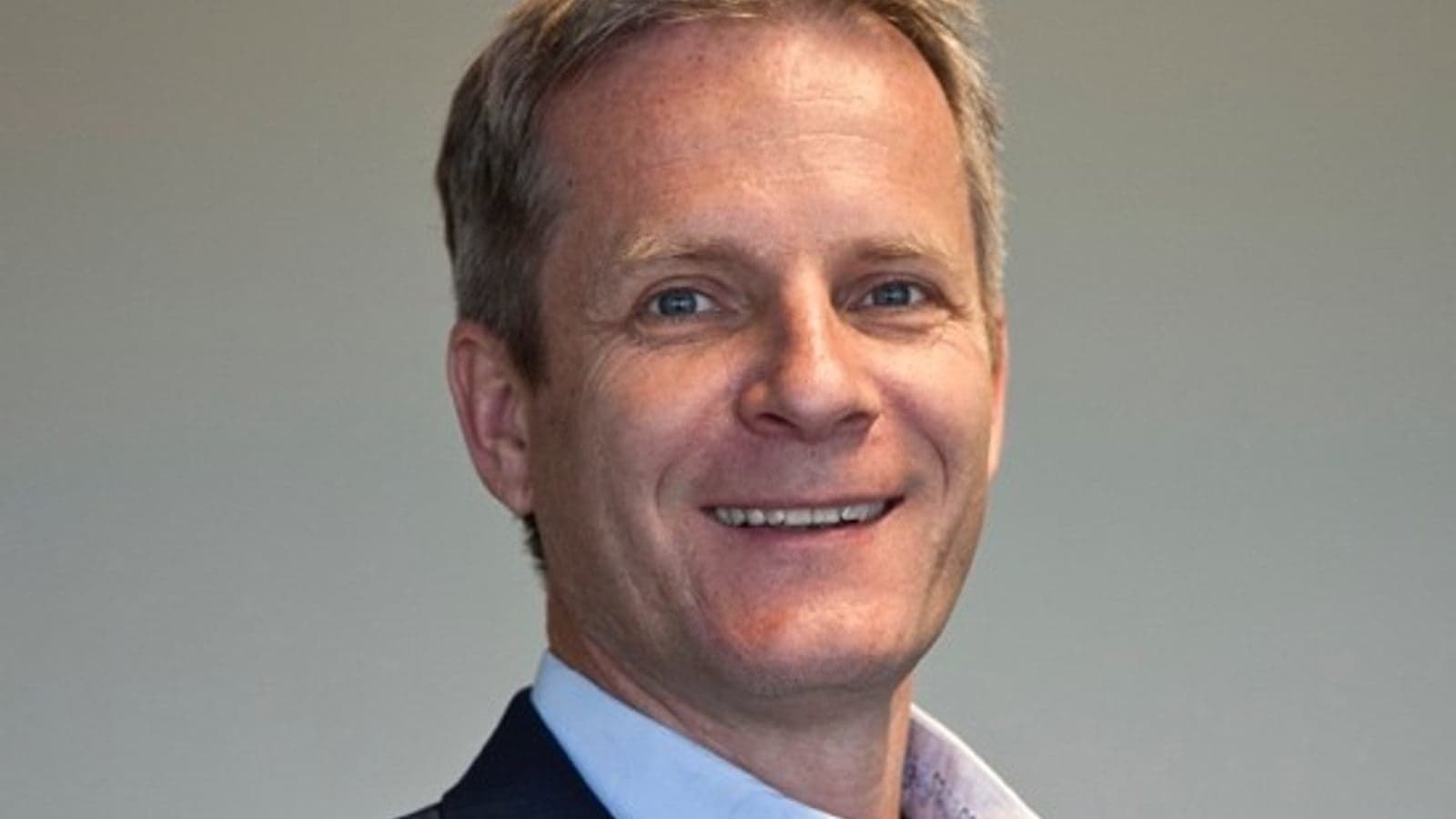
As many view the climate crisis with reclining heads, Siemens Smart Infrastructure CTO Thomas Kiessling sees entrepreneurial opportunity.
There are many ways to look at the climate crisis continuing to unfold. Perhaps as a reason to panic. Or a lens to look through to understand our times and the issues we face.
Yet for Siemens Smart Infrastructure chief technology officer Thomas Kiessling, it provides entrepreneurial opportunity. Specifically, an opportunity to do good business for a good cause.
Kiessling spoke during a press conference on Siemens Smart Infrastructure and its role in Finland, a country that paves the way in many regards for the energy transition.
Whether through widespread virtual power plant (VPP) programmes or even energy-efficient data centres and shopping malls, the country has a very favourable market for those in the energy sector seeking to contribute to the energy transition while staking a financial claim in an industry that has seen explosive growth over the decades.
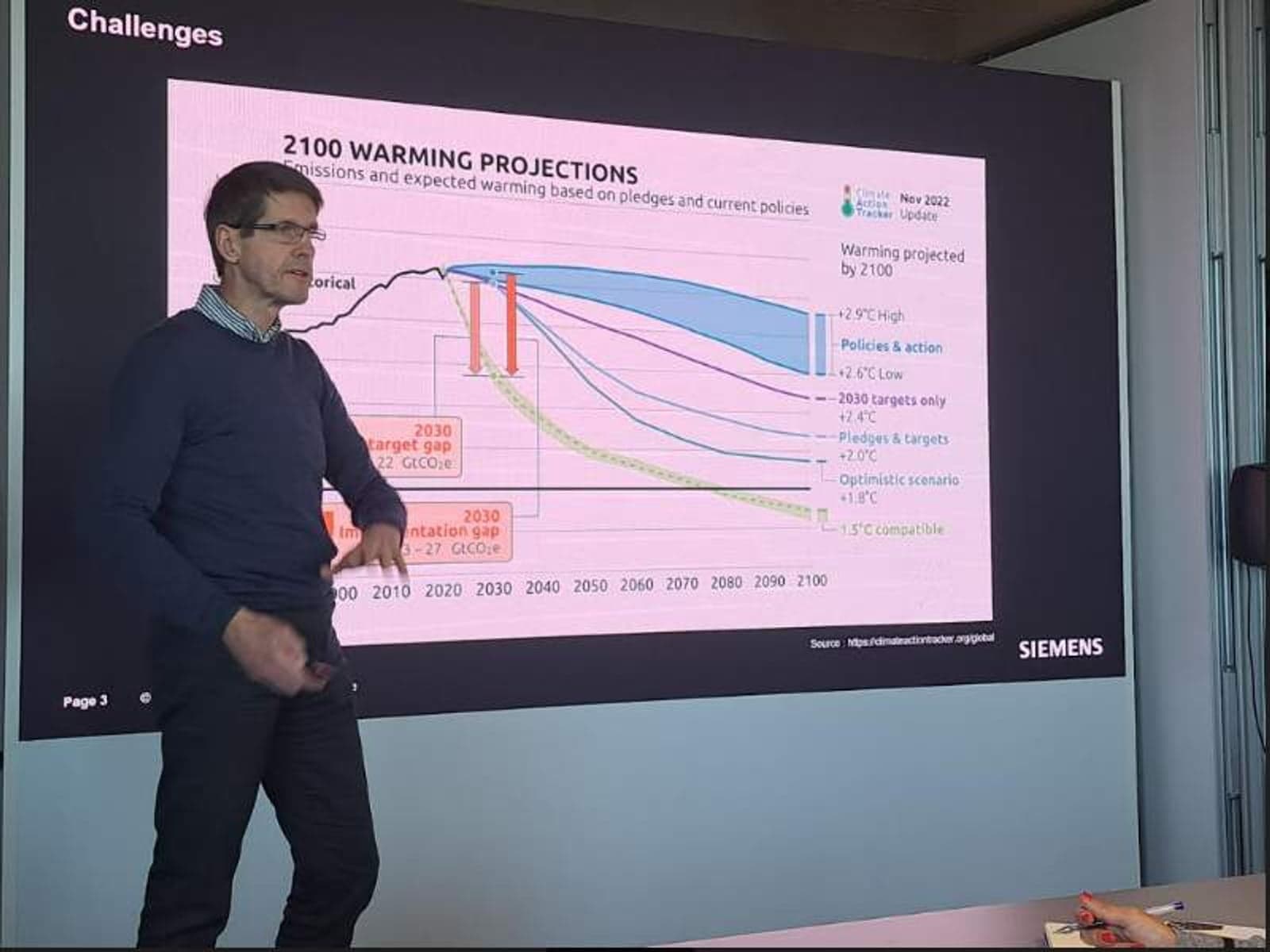
And for Kiessling, the opportunity is too fruitful to ignore. “As humanity, we currently pump out about 50 gigatonnes of CO2 per year. And if we want to keep a 1.5 degree Celsius cap on global warming we have to move down this curve.”
The curve, of course, is notorious. Whether or not we as a society can realistically keep global warming to 1.5 degrees Celsius is a complicated question with many multi-prong debates arguing different angles.
Considering this, to be in the energy industry as an optimist is no small feat. Kiessling takes the notion and its accompanied pessimism to heart, arguing that although there is truth in the nay-saying notions against the 1.5, there is also opportunity.
Energy Transitions Podcast:
Cybersecurity innovation at the core of digital transformation
Entrepreneurial opportunity
“How many of you believe we’re going to get there?” Kiessling asked rhetorically during a press conference.
“We can theoretically get there as humanity, but if you add up all the actions of all countries across the world, we’re not on this curve at all.
“We have blown way past the 1.5-degree targets. Sorry for the pessimism... but it’s not actually pessimistic - it's full of opportunities for companies like Siemens and entrepreneurs – it creates massive entrepreneurial opportunity.”
This, at the very least, resonates. The International Energy Agency’s latest Investment survey highlights an immense investment into clean technologies, which is now actually outstripping that of fossil fuels.
Specifically, the ratio of investments for fossil fuels to clean energy technologies has widened from 1:1 five years ago, to 1:1.7 now. This year, the energy agency states, investment into clean energy has increased to $1.7 trillion.
When the report was released, IEA executive director Fatih Birol commented: “This is a dramatic shift in the world of energy. There is a powerful alignment of three powerful factors.
"First, the cost of mature clean energy technology is becoming competitive almost everywhere in the world. Second, government policies…third, industry strategy; it is a very clear fact that the future of the industry sector is clean energy technology and manufacturing.”
The industry is accelerating. Investment is ripe. Opportunity abounds.
Smart Energy Finances:
Siemens taps Indian EV market
During a tour of Siemens facilities, I was able to see just where such opportunities lie and how a company might be able to make their market entry.
These sites ranged from an energy-efficient shopping centre and data centre (the latter being the most so in the Baltics) to a microbrewery with an energy storage system half the size of a football field.
For most of the locations, VPPs were used to provide proactive energy management, storing and discharging energy to and from the grid during fiscally favourable hours.
Also of interest:
Siemens hands over energy island ‘blueprint’ project to Portugal’s EDA
Partnership sees Siemens test data ecosystem interoperability
Stated Kiessling: “When we take the CO2 problem, we can break it down into five areas: industry, transport, the energy system, buildings and agriculture.
“Some 40% of all energy is used by buildings. Buildings are the single largest consumer of energy…and about half of the total building's output – 27% of the total figure - is in the operations phase.
“So now imagine how [one can] reap energy efficiencies in building [by making] them smart.
“Create smart buildings around the world and halve that number. That's a massive [savings potential]; right there, we would have already saved 13% of total CO2 output around the world. It's massive, and it's worth working on.”
Electrification pitch
One specific area Kiessling used as an example was that of electrification, specifically emobility, and how this has been providing opportunities both for business and to decarbonise.
"We're witnessing an historic electrification pitch.
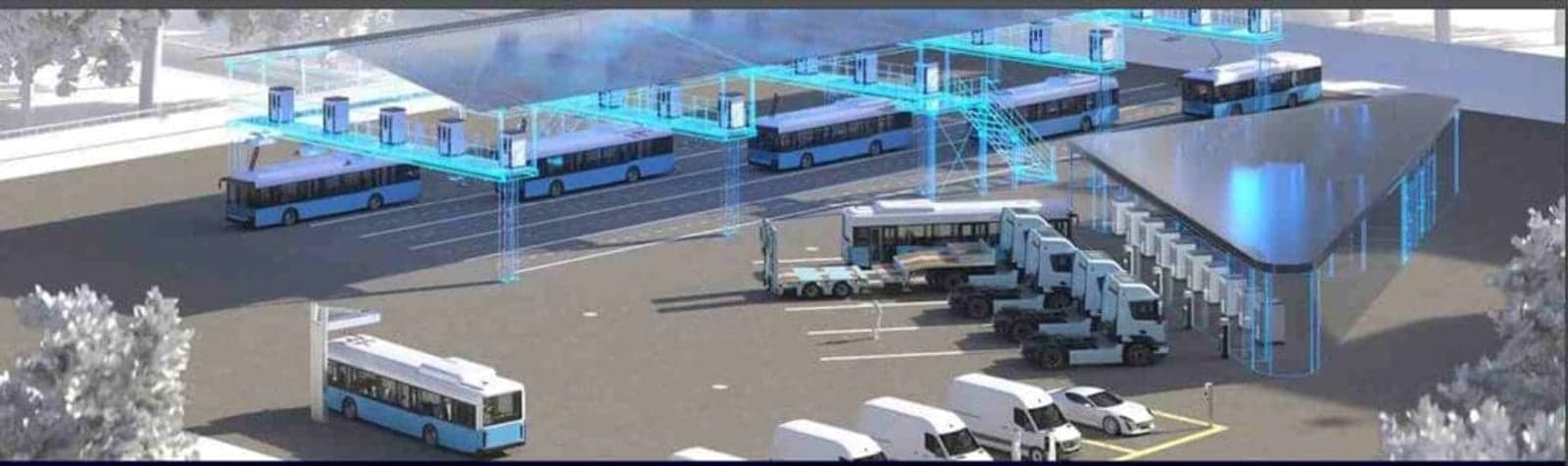
"Electric vehicles are getting rolled out massively, as we know, particularly in the commercial space. In the area of commercial fleets, there is a lot of opportunity to create hubs of electrification, such as in areas with 100, 200, or 300 electric vehicles, mostly fleets, charging up overnight or during the day.
And it is here where Kiessling espouses entrepreneurial opportunity. For although the market is clearly increasing and only continuing to grow, there is a gap of skill that needs to be filled.
"One needs to be an energy engineer and have a charging engineer who then needs to know how an electric bus works. Then a solar system needs to be put on the side and a storage system - and all of this needs to work together."