Community energy is the sleeping giant of net zero solutions
Guest/partner contributor
Posted on: 12 July 2023
Uptake of community energy frameworks could transform the grid| with reduced connection times and lower infrastructure upgrade requirements.
Mass uptake of community energy frameworks has the potential to transform the grid, with reduced connection times and lower infrastructure upgrade requirements, writes Chris Sparkes lead technician at UK solar installer Solar Fast.
The trouble is: how do we incentivise and implement it successfully?
The grid is reaching its limit
The energy transition is certainly here: In May, the IEA reported that investment in clean energy is set to eclipse oil investment for the first time. We’re moving apace towards a grid powered by cheap, clean energy sources, which will soon start to push out their polluting, outdated grandparents.
However, we’re predominantly clinging to a transmission setup that was necessitated by large, fossil-fuelled construction projects. The grids in the most polluting countries were designed for periodic increases in the number of power plants in direct response to demand changes and retirements. Their output could be planned, and grid infrastructure would be developed around them.
This is what we are trying to replicate in the renewables revolution, through the buildout of giant, utility-scale renewables plants. For example, US utility-scale solar capacity in 2016 was 33% higher than all distributed sources combined, with the gap widening.

These intermittent sources do not have the same characteristics as fossil plants and the grid was not designed to cope with their peaks and troughs, as well as the sheer speed of deployment. Neither is this a necessity for sources that can easily be scaled up or down.
The result is a grid that is reaching its limit.
It is taking distribution network operators ridiculous amounts of time to upgrade aging infrastructure before projects can connect. Regen and MCS in the UK released a report this year which found that grid connection lead times for low carbon projects were reaching fifteen years, which is completely unsustainable. A report by BloombergNEF found that $21 trillion will need to be invested globally by 2050 to solve this issue.
That is simply too late and too expensive.
Instead of trying to match the grid to the generation, why not match the generation to the grid? This is exactly what community energy could do.
What is community energy?
Although the implementation of community energy differs widely, it generally revolves around the principle of renewable energy sources which are owned and controlled by the community, for the purpose of reducing their bills.
This is a lovely idea, but uptake has been slow, with limited scope.
Generally, the financial benefits come as pitifully small credits on an energy account and any direct cash flow is used to fund local community projects. This is far too woolly for serious investors and flat export rates provide little incentive to use the generation locally and reduce strain on the grid.
Have you read?
Octopus Energy’s new solar road community project completed
Virgin Money invests £14m into Ripple Energy’s Kirk Hill wind farm
Aggreko funds 500MW community solar projects on US farmland
USA and Lithuania are almost there
The US and Lithuania have both somewhat addressed one of these issues by providing greater financial incentive for community energy projects.
Lithuania provides generous grants for households and businesses to purchase up to 10kW of solar from a plant anywhere in the country, which can then be used to offset their electricity costs by around €190 ($211) per annum.
This has provided an attractive, low-risk investment for consumers, which increases finance opportunities for smaller renewables projects.
Similarly, many US states allow virtual net metering, which means that whatever they are charged per kilowatt-hour for electricity they import from the grid is the same as what they are paid per unit for their share of the community energy project when it exports to the grid.
This means that, financially, they are directly utilising the community energy, as if it were a standard rooftop installation.
This would all be perfect ten years ago. It provides avenues for installing renewable energy in general, to increase pipelines, but the world has moved on since then. We need to promote renewables that increase efficiency and reduce the burden on the grid.
We need farm-fresh, locally sourced electricity. We need truly community-owned energy.
Read more
Community energy champion Sarah Merrick talks empowering the consumer
Community energy 2.0
The great news is that we have the technology to usher in the next stage of community energy, which promotes use at its source and makes renewables affordable for the masses.
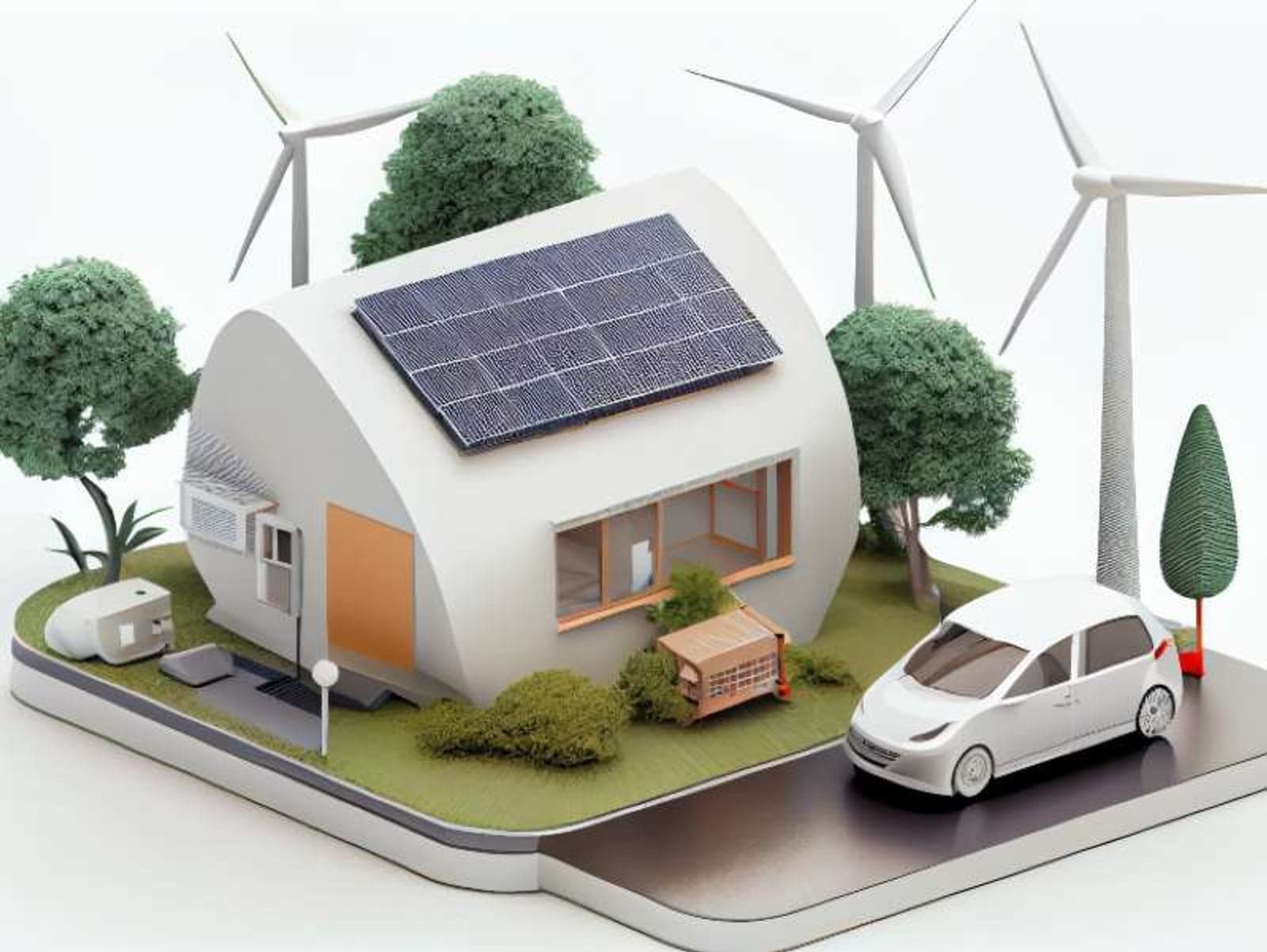
Imagine this: A community in a windy village has small houses with tiny roof spaces. They can’t have solar individually, but the council owns an unused field in the village. They crowdfund a solar and wind project in this field, which is connected to the low-voltage side of the transformer, through a smart meter.
The data from this smart meter can be easily cross-referenced with the import data from the residents’ own smart meters, so they are not charged for electricity when there is sufficient wind and solar energy provided. The more they use their own energy, the more they save.
This is hardly a stretch, considering we are already experiencing half-hourly tariffs, based on local wholesale energy prices, to incentivise use of cheaper, greener electricity.
What’s the massive difference?
Energy storage for greater control
I’m only just getting started. The possibilities expand exponentially when we bring energy storage into the equation.
Note that I said energy storage, not battery storage. Although battery storage costs have plummeted in recent years, they’re not the only option.
Depending on the size of my hypothetical community energy project, there could be a small battery storage system to reserve some of the wind and solar energy for use at night.
Also of interest
‘Milestone’ solar-plus-storage offtake agreement in the UK
Transforming commercial structures into energy-optimising powerhouses
In addition, a wireless current transformer could be measuring for export at the main transformer, which could communicate back to wireless receivers on energy diverters in the residents’ houses to control systems such as immersion heaters, sharing the power equally among those who need it. The same thing could be replicated with EV chargers.
No longer a burden to the grid
Implemented correctly, we could pretty much avoid any export to the grid, whilst significantly reducing demand.
Suddenly, projects of this scale go from being a burden to being a saviour for our outdated grid systems across developed countries.
The missing links now are publicity, prototypes and energy supplier buy-in to make the financial side of this simple and easily replicable. This could be huge.
Related tags
Latest content
+6
RECreation: A digital platform to manage energy communities with support for flexibility markets
In the context of the BeFlexible project, the RECreation renewable energy communities management digital platform has been enhanced to participate in local flexibility markets.
- Guest/partner contributor
- 18/09/2025