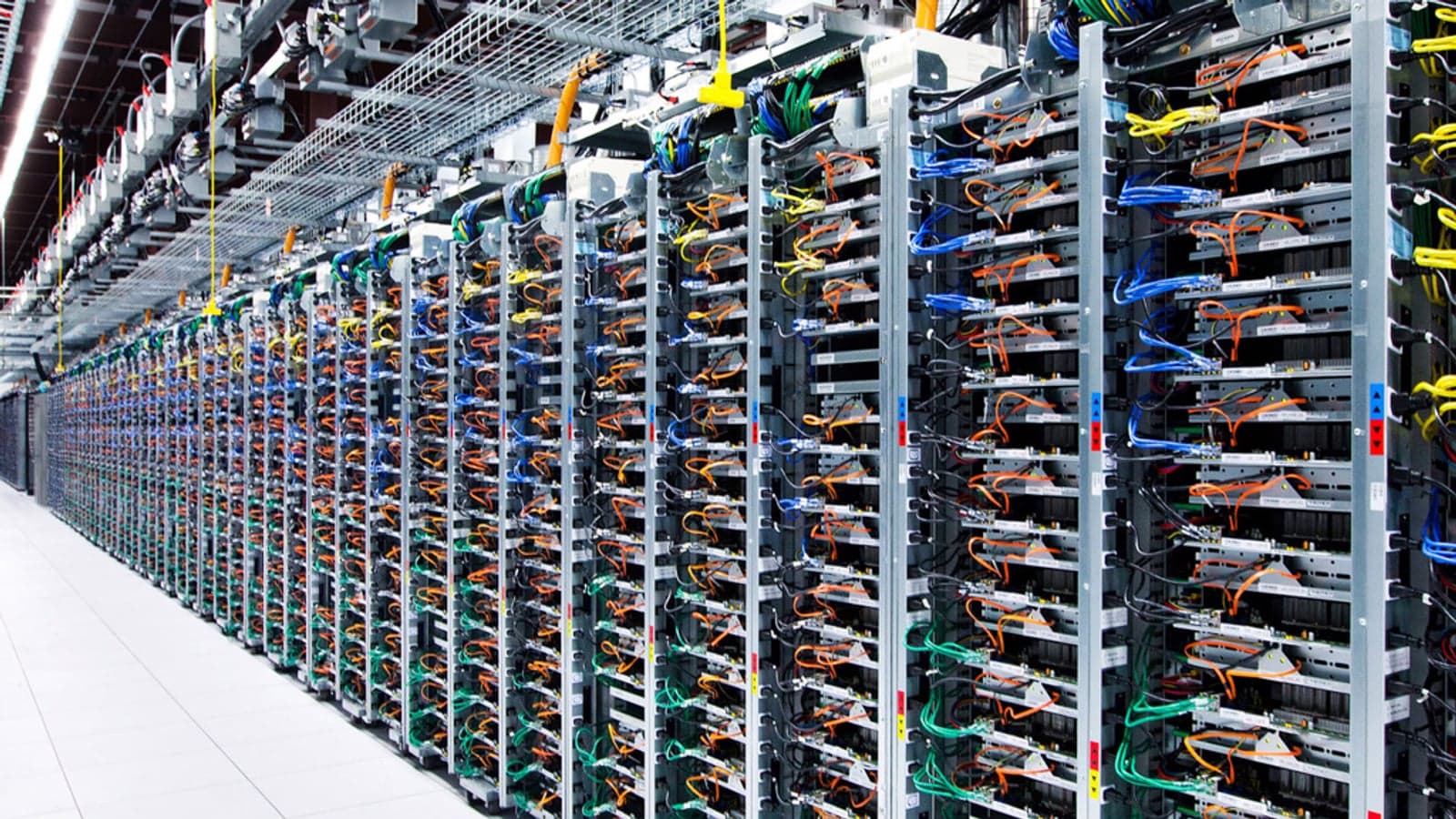
How fusion advanced technology could transform data centre efficiency
Jonathan Spencer Jones
Posted on: 17 May 2026
A new study from Tokamak Energy and The BE Company indicates benefits from replacing copper with high temperature superconductors in data centre power distribution.

The study is reported as indicating that with high temperature superconductors, power losses could be cut by up to 90% at busway level, enabling up to 9% additional IT capacity while significantly reducing operating costs and environmental impact.
Based on a 10MW data centre, the study found that using rare-earth barium copper oxide (ReBCO) technology in place of copper also could deliver up to 3.5x higher power density, system efficiency improvement to 99% from around 90% and up to 50% lower total cost of ownership over a 15-year operating life.
For operators, this means that greater IT workload could be delivered within a fixed grid space, at cheaper costs and in a lighter, smaller and more scalable power infrastructure footprint.
Also of interest
Europe’s data centre challenge – from energy demand to grid support
In addition, the use of high temperature superconductors would offer major environmental benefits, including up to 90% lower CO2 emissions, driven by lower power losses and less demand for atmospheric cooling, millions of litres of water saved as the cooling requirements fall and up to 98% displacement of copper, reducing reliance on this critical material.
Liam Brennan, Director of the Oxford based Tokamak Energy’s Magnetics division, says the company has pioneered transformative high temperature superconducting technology for more than a decade and is committed to unlocking its full benefits to transform industries and improve lives.
“This study demonstrates the transformative potential for power distribution in high demand environments such as data centres. This is a critical technology for supporting the UK’s ambitions for energy resilience, digital infrastructure and economic growth.”
Tokamak Energy has been advancing rare-earth barium copper oxide materials for their use in high temperature superconducting magnets for fusion, for the strong magnetic fields they can deliver to stabilise the fusion plasma within the tokamak.
With the naming of the company as the magnet systems partner for the UK’s STEP programme, those magnets will be an essential component of this demonstration machine.
The company’s US subsidiary Tokamak Energy Inc also is involved in advancing high temperature superconducting technology in the US Department of Energy’s FIRE (Fusion Innovative Research Engine) collaborative.
Sath Ganesarajah, CEO of data centre infrastructure specialist +BE, adds that as rack and cluster densities rise, power delivery has become one of the largest opportunities for outsized gains in cost, efficiency and performance.
“High temperature superconductors offer a step-change in current density, losses and footprint. This collaboration shows how superconducting power distribution could enable high density, AI-native data centres, with a practical focus on deployable architectures, cost profiles and delivery pathways.”
High temperature superconductors are of course not only for use in magnets and power systems but are finding application in a range of other use cases including propulsion and advanced motors and generators.
Benefits include near zero electrical resistance, high current density, minimal excess heat and compared with conventional superconductors, the higher operating temperatures, simplifying the cooling requirements and thus the spatial and operating cost requirements.
Related tags
Latest content
+6
EU Energy Projects Podcast: How the EU plans to support AI in the energy sector
The strategic roadmap for digitalisation and AI in Europe’s energy sector is one of the key documents due from the European Commission in 2026. DG Energy's Stavros Stamatoukos explains the inner workings.
- Jonathan Spencer Jones
- 21/01/2026
Latest in Digitalisation
All articlesPartner content
+1
Digital water management: Empowering utilities with scientific decision-making
As urban water distribution networks continue to expand and water resource management becomes increasingly complex, water utilities are facing growing operational challenges.
- Guest/partner contributor
- 03/07/2026