Partner content
Diversity as a standardised solution – BEGONIA and Operational Digital Platforms
Guest/partner contributor
Posted on: 1 October 2024
The BEGONIA project is one of the most recent and pioneering European initiatives in the development of Operational Digital Platforms (ODPs).
The complexity and diversity of digital development are growing exponentially, with new tools and possibilities emerging almost daily. As the digital landscape expands, so do the challenges of managing these innovations.
Today, developments and data are no longer confined to a single sector. Instead, they must be efficiently and sustainably applied across a wide range of fields, each with its own distinct requirements. This is particularly evident in sectors such as mobility and energy, where the growing need for seamless integration and shared resources is becoming increasingly apparent.
A prime example of this dynamic is the rapidly expanding e-mobility market, where the collaborative development of applications and the sharing of data are poised to drive future growth. Operational Digital Platforms (ODPs) are at the heart of these developments.
What the European Commission says
Under the Commission’s Connecting Europe Facility programme, Operational Digital Platforms will be set up to boost the digitalisation of European transport and energy networks.
The multiannual 2021-2025 Work Programme for implementing the European Commission’s Connecting Europe Facility – Digital (CEF Digital) was adopted on 16 December 2021. CEF Digital will contribute, among other objectives, to the digitalisation of transport and energy by supporting the implementation of Operational Digital Platforms (ODPs).
The aim of this topic is to contribute to achieving the EU’s environmental, energy and digitalisation targets by enabling a cyber-secure Internet of Energy and an optimised transport system along major European pathways. The support will be dedicated to retrofitting existing energy and transport infrastructures with a cross-border digital infrastructure.
Operating via communication networks, ODPs are physical and virtual ICT resources that support the flow, storage, processing and analysis of transport and energy data. The ODPs are expected to build on and integrate with existing and emerging European data, cloud and edge computing and connectivity infrastructures, in particular those supported in other parts of CEF Digital, Horizon Europe and the Digital Europe Programme.
These platforms represent a significant shift in research and development approaches by focusing on the integration of data and applications across sectors and national boundaries.
Find more about:
EU-funded energy projects
Digitalisation in the energy transition
Driving the energy transition through energy dataspaces
The BEGONIA Project
Current European development projects, such as BEGONIA, illustrate that this is about far more than simply creating market-ready tools and applications. It’s about establishing a foundation for the future, one that supports innovation, interoperability, and sustainability.
The BEGONIA project, which consists of a consortium of experts from five countries and seven partners, is one of the most recent and pioneering European initiatives in the development of ODPs.
From the outset, BEGONIA has been guided by clearly defined objectives aimed at identifying and developing suitable use cases in the fields of transport and energy.
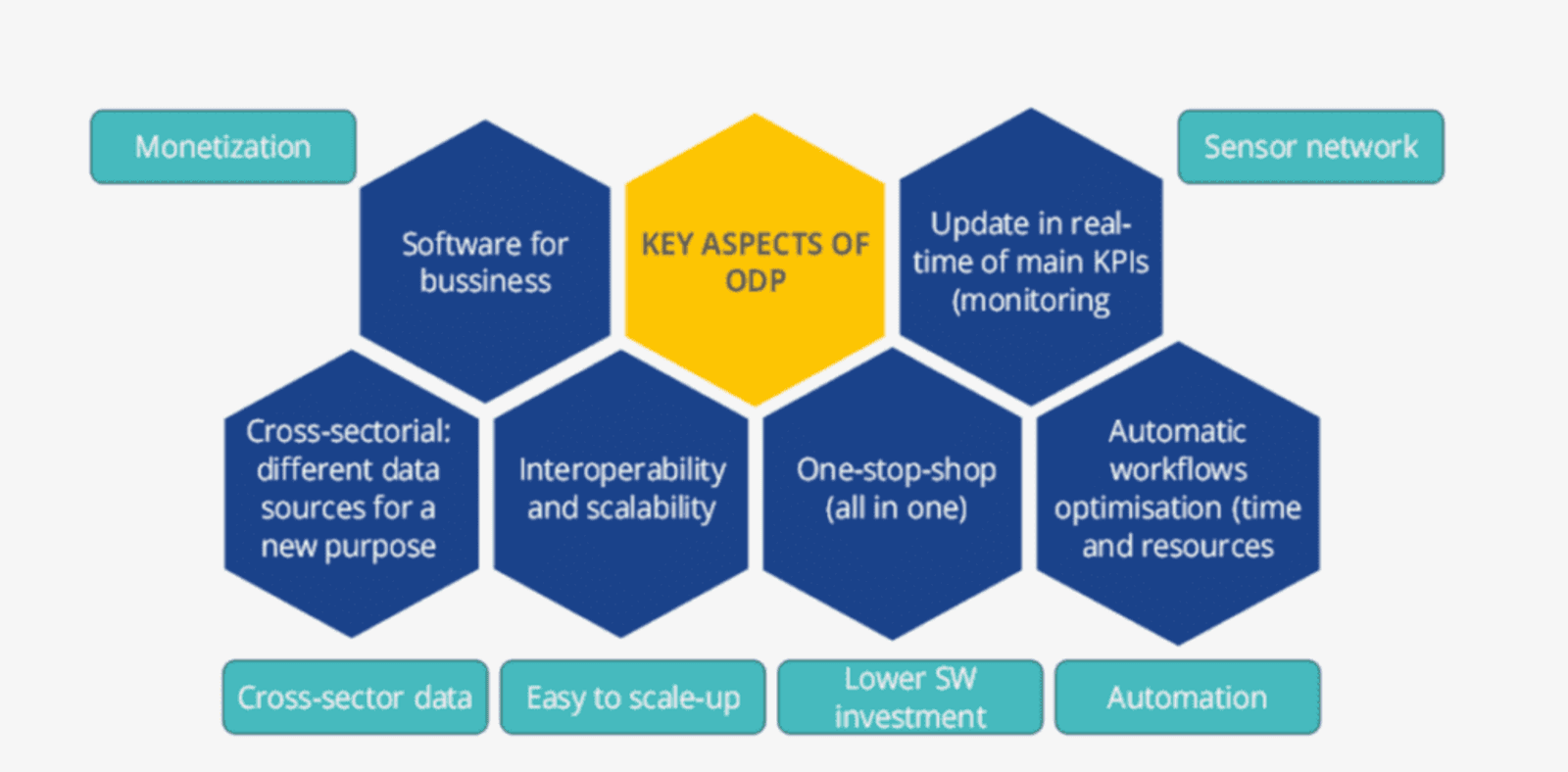
This project’s ODP approach emphasizes not only the standardization and shared use of cross-sector and cross-border data but also the creation of automated workflows designed for high interoperability and scalability.
Additionally, it incorporates big data real-time monitoring and KPI analyses for continuous optimization and adaptation, as well as business software solutions that facilitate a one-stop-shop experience for users.
In the case of ODPs that combine physical and virtual information and communication technology resources operating across multiple domains, zones, and interoperability layers, establishing a robust communication infrastructure is critical.
This infrastructure must support the flow, storage, processing, and analysis of transport and energy data across these diverse resources. The natural boundaries for these operations are defined by existing practices, including user stories and EU regulations. Within this context, the use cases serve as foundational building blocks for real-world implementation.
An illustrative example of this process is the Smart Grid Architecture Model (SGAM), which clearly describes the platform development process needed to meet the requirements of cross-border and cross-sector ODPs. This framework can be further enriched by considering the geographical entities involved, in addition to the Zones dimension typically used.
The development process begins by defining use cases based on established practices and EU regulations, followed by the creation of a component layer. The objectives of these use cases, constrained by the available infrastructure, define their projection onto the Business Layer, and subsequently, the Function, Development, and Communication Layers. As the platform evolves, the boundaries of the use cases and the standards applied may be adjusted to better align with the overall goals or specific cross-border and cross-sector interests, ensuring that the ODP is ready for real-world application.
The importance of use cases in the ODP development process cannot be overstated. These use cases guide the entire implementation process, and numerous regulations have been established to ensure that they are aligned with both general and domain-specific needs. This includes the methodology for defining use cases and the templates used to standardize them.
In the BEGONIA project specifically, a framework has been set, and the next steps are already in motion. The project has identified 14 potential Use Cases from various European initiatives, each showcasing the transformative potential of ODPs across different sectors. These use cases demonstrate the ability of ODPs to enable real-time monitoring, provide flexibility services, and support coordination among stakeholders such as distribution system operators (DSOs), aggregators, and electric vehicle (EV) owners.
One of the standout features of these use cases is the use of digital twins—virtual models that replicate physical infrastructure to optimize planning and operations. This approach is particularly relevant in domains like energy-efficient data centers and cross-border EV charging coordination, where it helps to ensure seamless and efficient operations. Additionally, many of these platforms focus on integrating renewable energy resources (RES) into power grids, leveraging AI-driven and cross-border solutions to address challenges related to grid stability, demand management, and sustainability.
Other use cases identified by BEGONIA, such as smart port operations and multimodal transport, highlight the role of advanced technologies and real-time data in improving operational efficiency and reducing environmental impact. These platforms are laying the groundwork for smarter, greener, and more resilient infrastructure across Europe.
From the initial pool of 14 use cases, the BEGONIA Consortium will select six that show the greatest potential for real-world application.
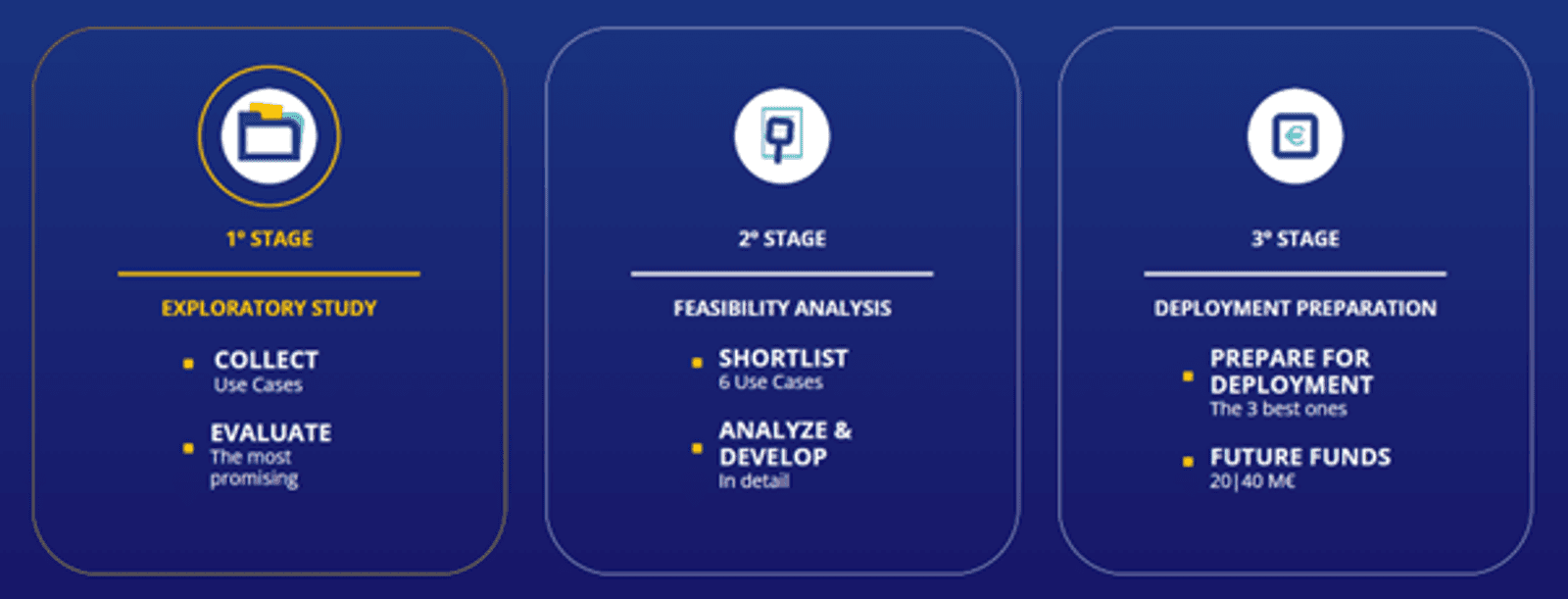
This selection process will involve expert input, feedback from the European Commission, and consultation with external stakeholders.
These six use cases will then be developed into a raw model of a European Operational Digital Platform. Once this model has been achieved, a further selection process will identify the top three use cases, which will be funded by the EU and implemented in the coming years.
In summary, the development of ODPs is a complex and multifaceted endeavor that promises to transform the way data and applications are used across sectors and national borders.
One thing is already certain, however: the overarching approach of developing data and technologies collaboratively and independently of the specific industrial sector and that can work cross-border independently from the country, is the only sustainable and viable way to ensure a sustainable and stable economic future for Europe.
Related tags
Most popular
Join the community for freeAnd get access to all content
Related projects
BEGONIA
+6
1 January 2024 - 1 May 2026
View project