Entering a new orbit of data
Jonathan Spencer Jones
Posted on: 27 February 2023
Satellites are being used with AI, machine learning and other digital innovations to unlock new opportunities for the energy sector. Jonathan Spencer Jones explains.
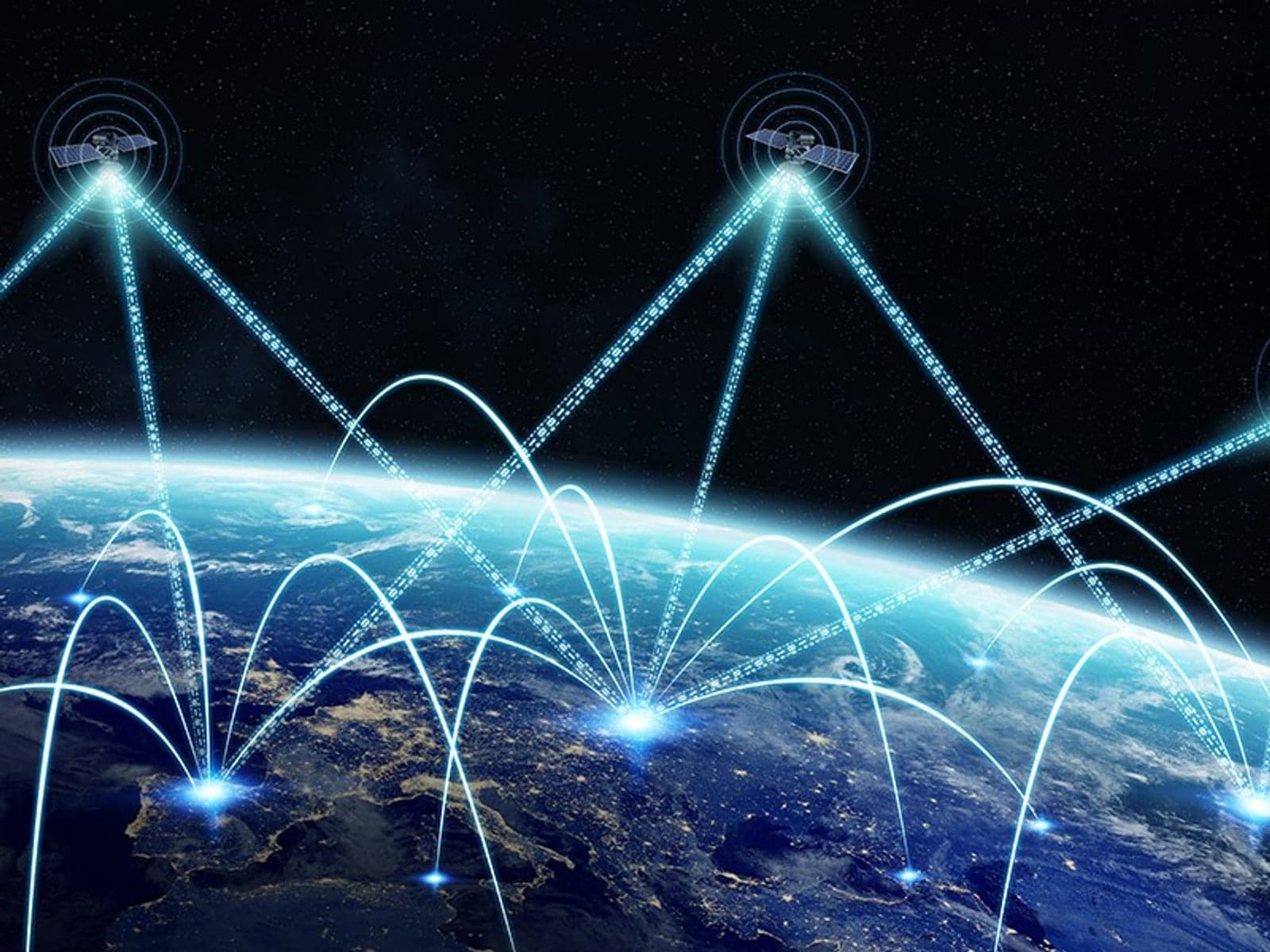
Satellites are being used with AI, machine learning and other digital innovations to unlock new opportunities for the energy sector. Jonathan Spencer Jones explains.
Sixty-five years ago, Sputnik 1 was launched into a low Earth orbit as part of the Soviet space programme to become the first artificial Earth satellite.
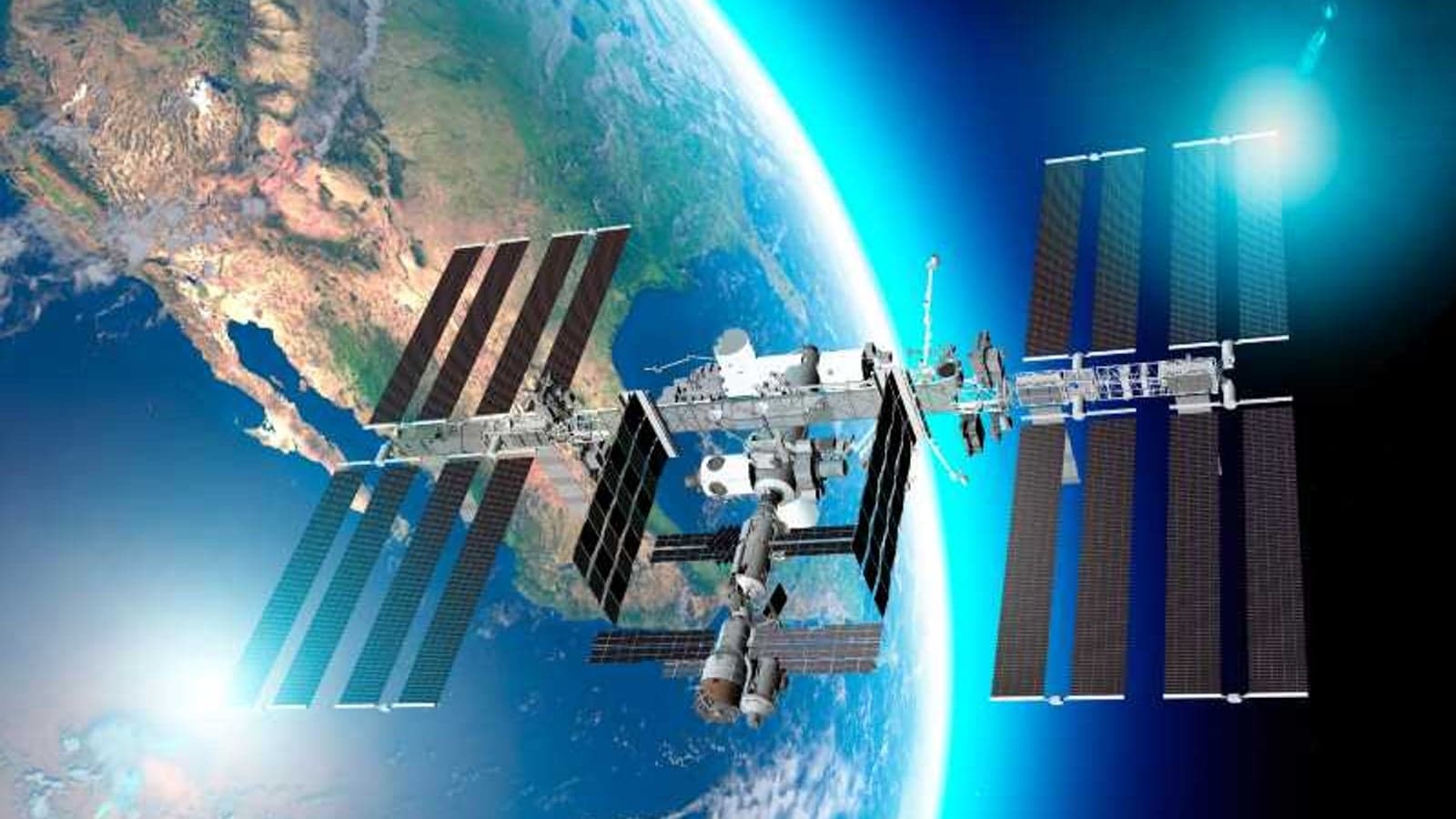
Since then – and well within the lifetime of many of this publication’s readers – thousands of satellites have been launched both into Earth orbit and to deep space, man has been to the moon and is making preparations to head for Mars and plans are being laid for space tourism.
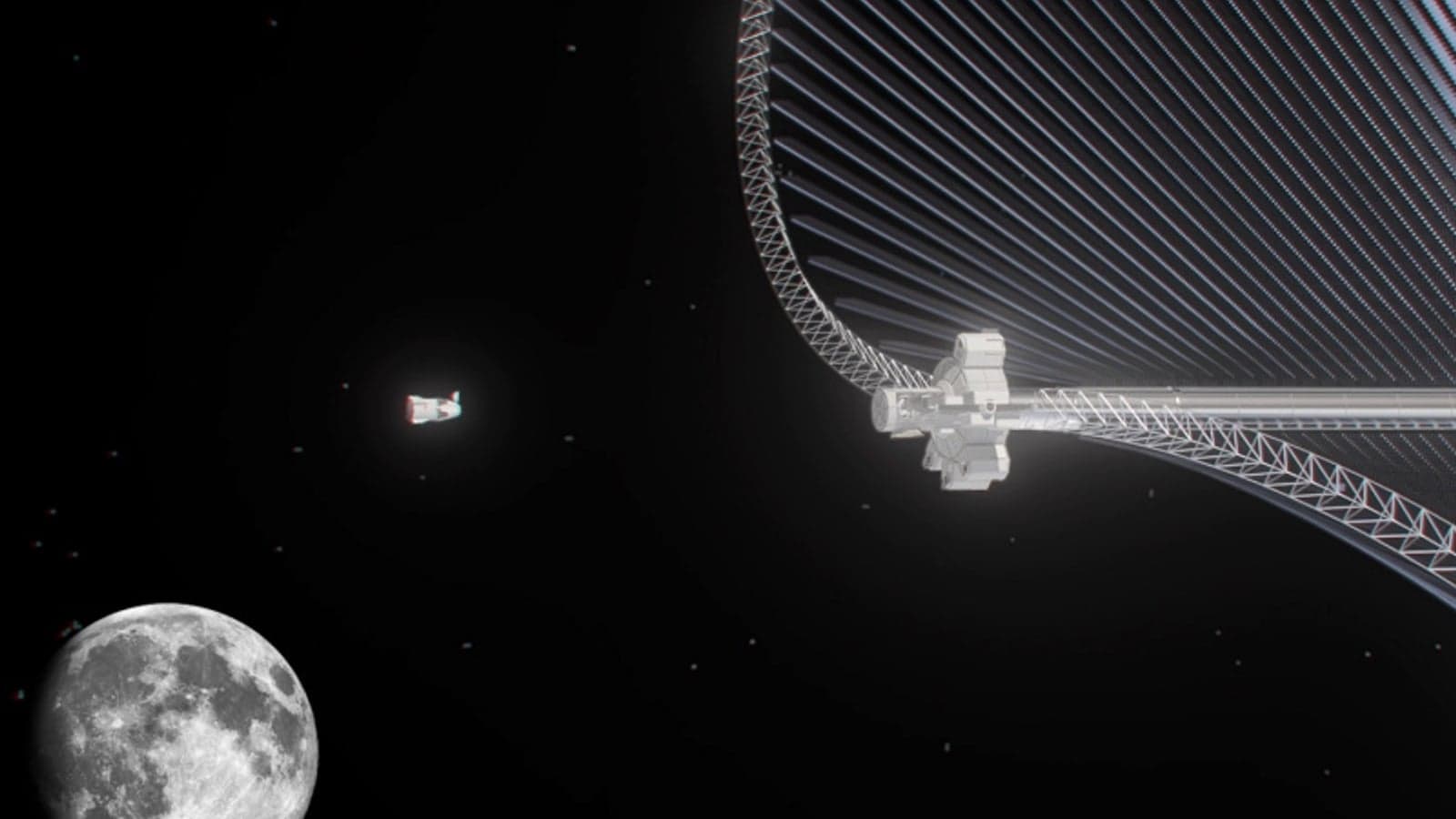
Another proposal gathering momentum is to capture solar radiation with satellites with massive PV receptors and beam it to the Earth for use – a key benefit being the ability to deliver a constant supply to potentially different locations unaffected by diurnal, seasonal or other weather-related variations.
Alongside these developments there have been similarly ground-breaking advances in satellites and techniques for Earth observation with growing databases of photographs and other observations covering different spectral regions and measurement types that are being applied to a range of subjects.
As such, the space sector has been very much at the forefront of the digital era, with the majority of the data arriving in a digital format and its volume only manageable in digital media.
Critical data
One of the oldest Earth satellite studies has been on the weather and one may argue the extent to which day to day forecasting has actually improved.
But there can be little doubt that these studies have improved understanding of the composition of the atmosphere and provided the ability to track the changing weather patterns in real time, especially important at times of fast moving severe weather events when warnings can be issued.
Satellite data also have been key to developing understanding of the climate, with the IPCC’s sixth assessment report identifying Earth observing satellites as a critical tool to monitoring the causes and effects of climate change.
Examples range from spatial data identifying changing ice and landscape and land use patterns to measurements of temperatures in the atmosphere and the oceans. Another is the use of altimetry to monitor the sea surface height in order to assess any changes over time.
Another example is the use of satellites for measurements of the concentrations of greenhouse gases such as CO2 and methane.
With such monitoring vital for assessing progress towards net zero targets, in Europe the European Space Agency with support from the European Commission and other partners are working towards a 2025 launch for the next generation two and potentially three satellite Copernicus Anthropogenic Carbon Dioxide Monitoring mission.
The CO2M mission is expected not only to provide atmospheric carbon concentration data with a higher level of accuracy than hitherto but also to be able to distinguish natural and human-induced emissions.
Have you read?
The metaverse: what is it and why does it matter for the energy sector…
E-mobility deployment and its impact on European transmission and distribution grids
Microgrid management
The utilities sectors are among the less obvious but no less important beneficiaries of satellite data, where it is proving an increasingly important addition to other sources for the management of day-to-day operations.
The India Energy Storage Alliance was an early user of space data and in 2017 partnered with the European Space Agency to evaluate its potential to support the decentralised management of microgrids, which are considered essential for the electrification of the rural areas in that country.
Based on the feasibility study, which showed that the use of earth observation data should be effective in aiding microgrid siting and that space communications could be expected to improve microgrid performance and longevity, the Space4Microgrids-India initiative was put in place to deliver a demonstration.
Another initiative is e-Guide (Electricity Growth and Use In Developing Economies), a US multi-university partnership led by the Rockefeller Foundation, which has launched the Electricity Consumption Prediction service for Africa using AI and satellite imagery along with other data to provide estimates of future electricity consumption at high spatial resolution for electricity planning and provision.
Subsequently, the initiative is being extended to utilise the data along with AI to identify communities and locations in need of new energy and other infrastructures such as agriculture and transportation in order to assist efforts to prioritise and sequence investments more effectively in these key development sectors.
AI analytics
From the utility perspective, a growing area of satellite data use is for vegetation management, with the high resolution now available and the ability to apply artificial intelligence in the analytics and as a supplement to drone or helicopter based monitoring.
US utilities appear to be at the forefront, with users including National Grid, Entergy and Avista among others.
Dubai Electricity & Water Authority (DEWA) has gone one step further in a utility first, launching its own nanosatellite to support the management of its power and water networks.
The first satellite is serving to develop use cases, while a second larger nanosatellite is planned for remote sensing applications and the intention is to offer satellite-as-a-service to the utility industry globally.
Another fast growing area of satellite data use, driven by sustainability concerns, is for water leak detection. While various methods are available for leak detection such as district metering and acoustic monitoring, pinpointing the actual location can still prove challenging.
But this can be overcome with space remote sensing data, using techniques originally developed for imaging the subsurface geology and detecting underground water on Mars and Venus.
With a machine learning algorithm with the detection of water via its ‘signature’ high dielectric constant, leak location is promised to within 100m, enabling more rapid attention by field repair teams.
Since its commercial introduction in 2016, the technology, which was developed by Asterra, is reported to have been adopted in over 65 countries, with over 770 billion litres of water and 420,000MWh of energy saved.
Among the users are several of the British water companies including Northumbrian Water, Yorkshire Water, South Staffs Water and most recently South West Water, with their requirement to reduce their leakage by at least 15% in the period 2020 to 2025.
Bespoke algorithm
Evolutions of the technology offer solutions for use cases including ground deformation monitoring and underground moisture assessment, for example, for monitoring around existing infrastructures or for new build infrastructures.
Another promises improved management of water companies’ underground assets, with an algorithm that is designed to assess an entire pipe system based on the observed non-surfacing leaks and soil moisture levels from a time sequence of images.
The latest is the detection of lithium deposits. With lithium in increasing demand for batteries from small electronics such as mobile phones to electric vehicles and utility scale storage, production needs to be as diversified as possible to avoid supply and cost constraints.
Time will tell how these and future solutions evolve but it is clear that satellite based observations are adding to the growing datasets available to utilities and others to streamline and advance their operations.