EU proposes renewable energy and energy efficiency frameworks for 2030-2040
Jonathan Spencer Jones
Posted on: 27 March 2026
The European Commission has posted the legislative frameworks for the next decade for consultation.
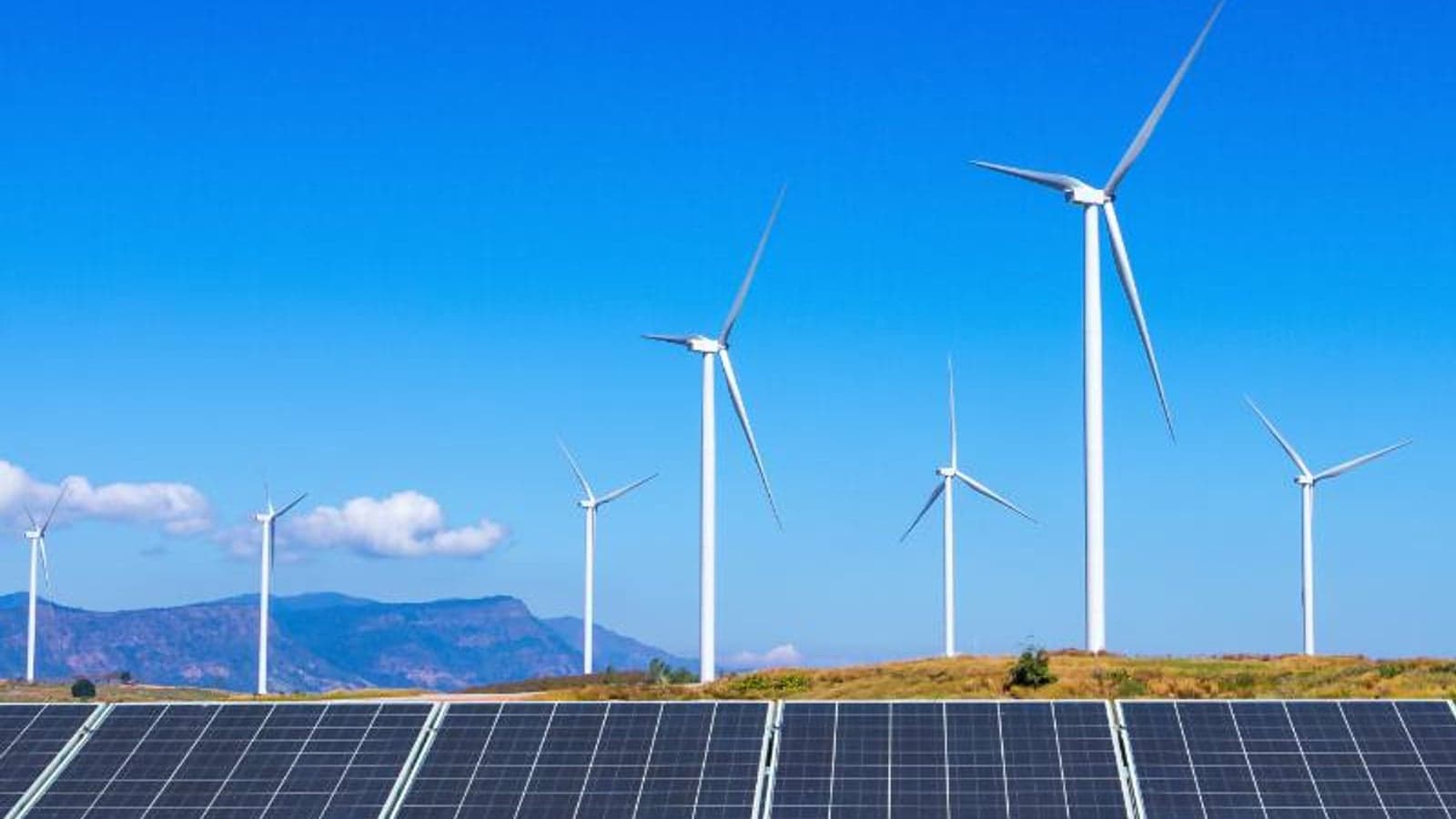
The two frameworks for the period 2030-2040 are aimed at ensuring that renewable energy and energy efficiency support the ongoing reduction of greenhouse gas emissions to meet the EU’s climate target of -90% by 2040 on the path to net zero by 2050 as well as strengthening competitiveness and energy independence.
The thrust of the renewable energy framework is on accelerating investments to deliver significant growth in renewables, along with their effective integration in the power sector and the enhancement of cost effective electrification of end uses across demand sectors to incentivise uptake.
In 2024, the share of renewables in the energy mix was 25.2%, with growth running at more than 3% annually. However, this must be significantly increased to reach a share of over 80% by 2040, as indicated in an Eurelectric analysis.
Also of interest
Auditors accuse EU Innovation Fund of deploying too slowly
Specific problems highlighted by the European Commission in its ‘call for evidence’ include the electricity system facing constraints to absorb high penetration of renewables due to a lack of grid capacity and flexibility, and the rise in hours of low and negative prices in electricity markets stemming from variable non-dispatchable renewable generation making additional investments less attractive.
Other issues include opposition at local level to renewables projects, a stalling of electrification of demand, high upfront costs for the conversion of heating and cooling to renewables, the price competitiveness of certain renewable fuels needed to decarbonise hard-to-abate sectors hampering their uptake and planning and permitting of renewables projects remaining slow.
With the development of the EU bioeconomy, biomass could also become increasingly scarce for bioenergy uses, necessitating an improved bioenergy framework.
Potential policy options suggested include shifting focus to EU-level support, monitoring and guidance and differentiating between mature technologies that are already cost competitive and emerging technologies and fuels requiring more targeted regulatory incentives.
Energy efficiency
Similar to renewables, a step change in energy efficiency improvements in end-use sectors and across the energy system is necessary to meet the 2040 climate targets, according to the Commission.
Despite the availability of cost-efficient energy efficiency solutions and their significant contribution to the EU’s GDP and job market, substantial untapped potential remains, the Commission states in the ‘call for evidence’.
Unlocking this potential requires tackling a set of structural challenges that the new framework and its accompanying enabling tools must address, including lack of full implementation of the current rules, fragmented and short-lived financing schemes and challenges with the use of public funding.
Energy-efficient options for energy supply and demand, as well as system integration, are not always assessed and prioritised to deliver efficiently designed energy systems and while energy audits and management systems have proven to be highly effective at identifying the energy savings potential of businesses, uptake of recommendations remains a challenge.
The expanding data centre sector and other facilities such as power-to-x also pose challenges in terms of energy and water consumption, excess heat and waste heat recovery and the availability of electricity grids.
The Eurelectric analysis of the EU’s 2040 target notes that the electrification of heating and cooling through heat pumps and more renovations to reach higher levels of energy efficiency seem to be the main drivers for reducing emissions for buildings.
For existing buildings, this implies renovating the building envelope and deploying renewables and energy-efficient equipment for heating, cooling, cooking and appliances. For new buildings, it implies sticking to the minimum energy performance standards, as outlined in the Energy Performance of Buildings Directive.
Both calls for evidence are open until 16 April, with the public consultations open until 12 June, with the aim of delivering the updated frameworks in Q4 of 2026.