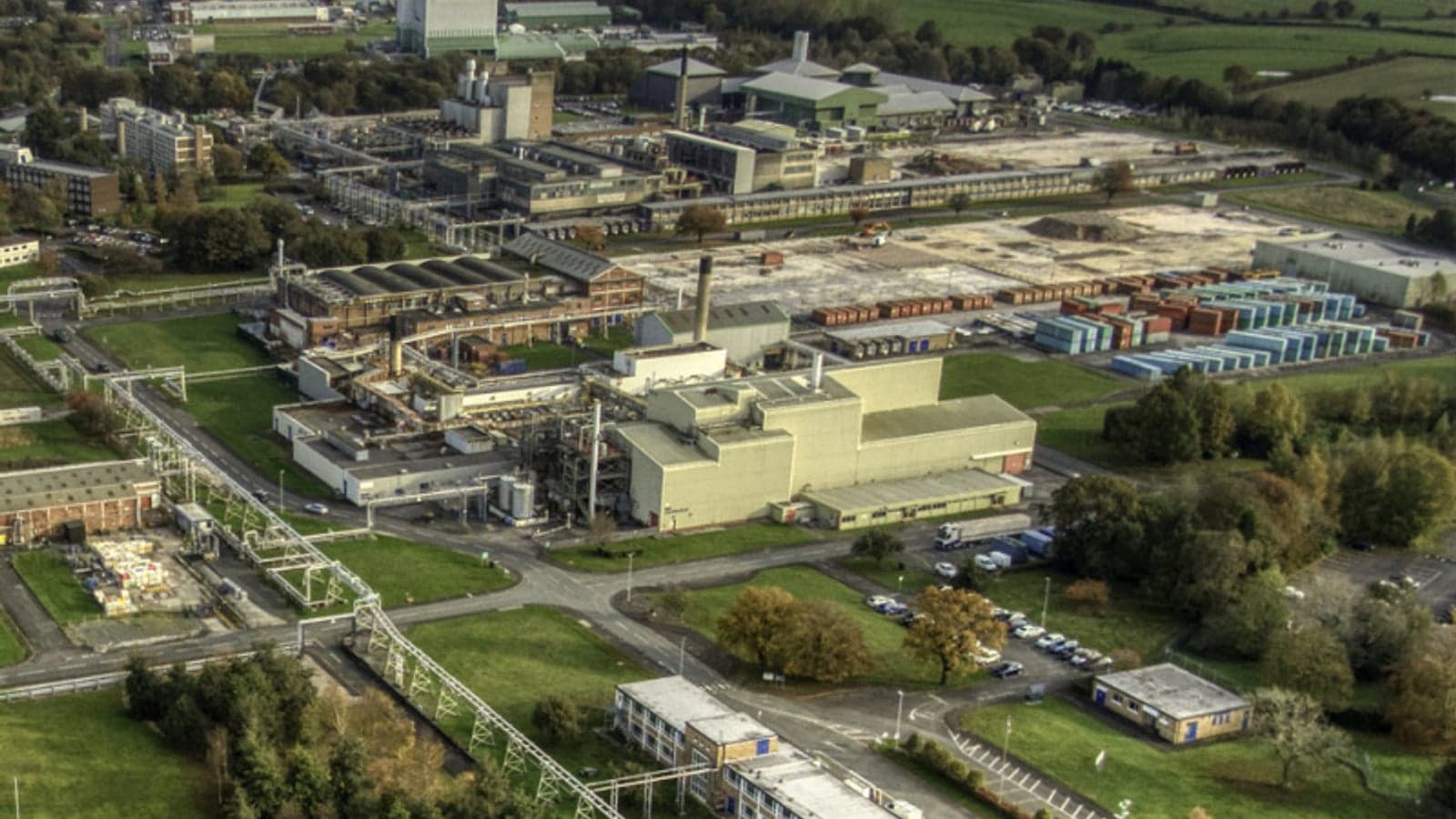
First digital twin of a nuclear reactor
Jonathan Spencer Jones
Posted on: 15 January 2024
Idaho nuclear engineering researchers and students have created a digital twin of the Idaho State University’s (ISU) AGN-201 research reactor.
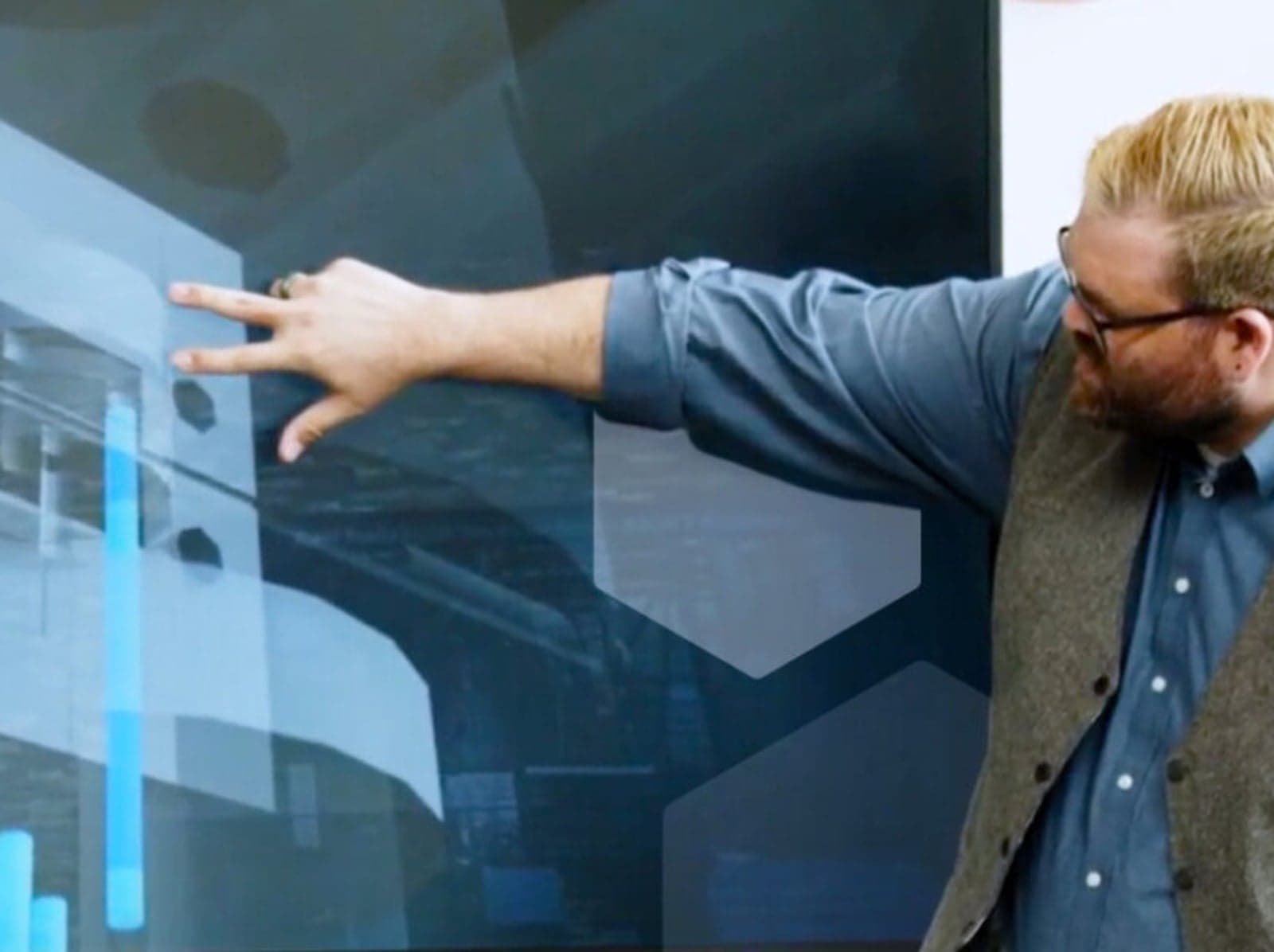
Idaho nuclear engineering researchers and students have created a digital twin of the Idaho State University’s (ISU) AGN-201 research reactor.
The AGN-201 digital twin, a virtual model of the asset and believed to be the first, receives real-time data from the reactor and then uses machine learning to anticipate its performance.
Potentially in the future, such digital twins, which enable users to interact with the real-world reactor in mixed reality by monitoring data, could allow control of the reactor remotely.
They also can enable users to investigate how any changes can affect the entire system without physically making the changes themselves.
Have you read?
Digitalisation: the springboard for the net zero energy system
Artificial intelligence as an ally of the energy transition
“The benefits of a nuclear reactor digital twin are enormous,” said Christopher Ritter, Digital Engineering manager at Idaho National Laboratory (INL).
“Digital twins provide a comprehensive understanding of nuclear fuel cycle facility operations, strengthening nuclear security and non-proliferation efforts.”
The AGN-201 reactor began operating in 1965, after being donated by the INL.
A low power reactor of a type widely produced for education in the 1960s, it is one of only a handful now still remaining worldwide.
The reactor has a maximum operating power of 5W thermal and is used for research activities and teaching students the practical aspects of nuclear reactor operation.
The AGN-201 was considered ideal for the development of a digital twin with its simplicity in comparison to commercial power reactors.
Bringing the digital twin online required more than a dozen tests.
ISU students installed data acquisition equipment in the reactor and developed operation scenarios to test the reactor twin, while the INL provided much of the digital engineering support, including data acquisition, cloud streaming, machine learning and mixed reality.
The results were presented to the US Secretary of Energy Jennifer Granholm in May 2023.