IEA heralds 'Age of Electricity' and nuclear revival in World Energy Outlook
Kelvin Ross
Posted on: 16 October 2024
-
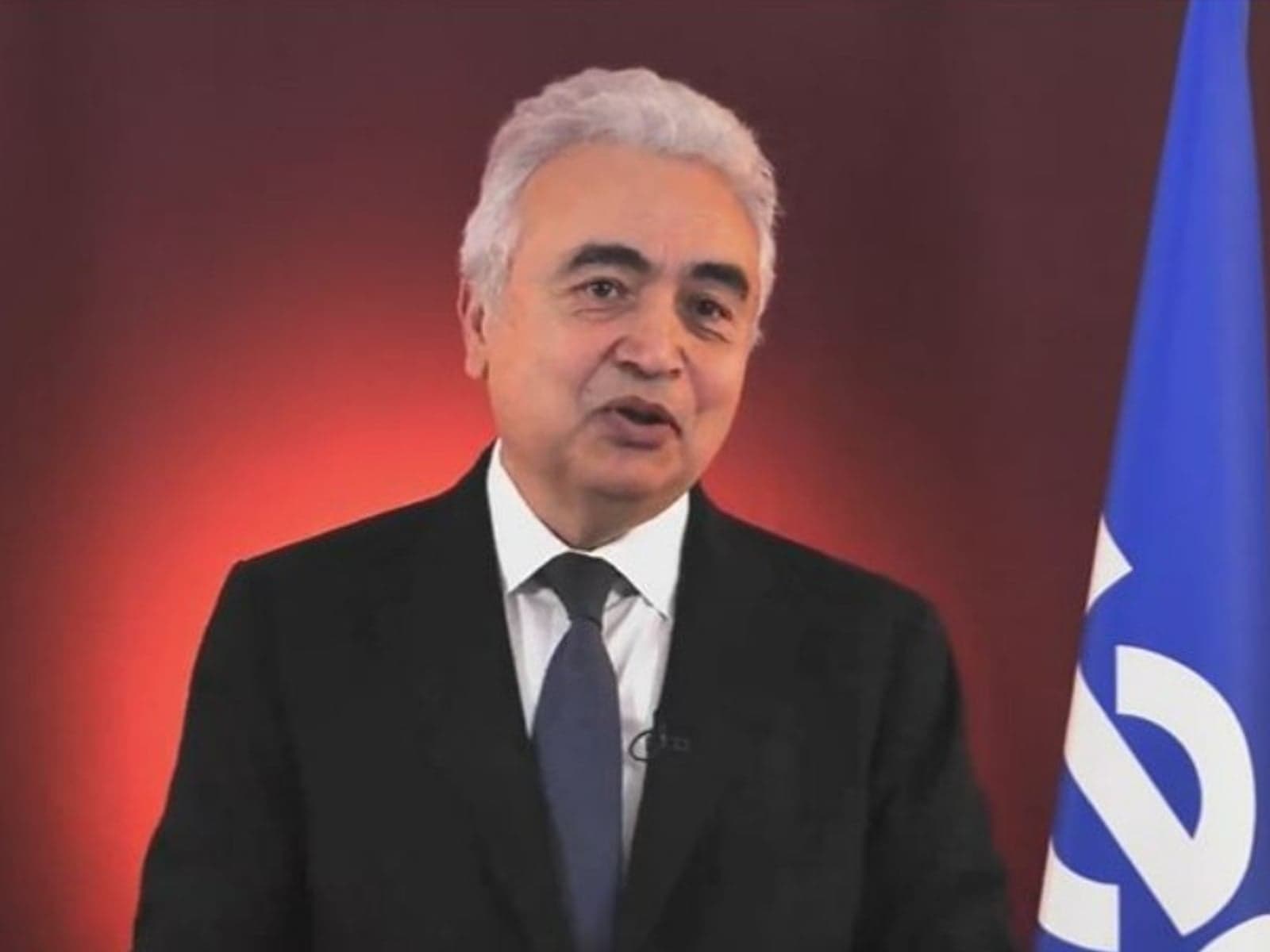
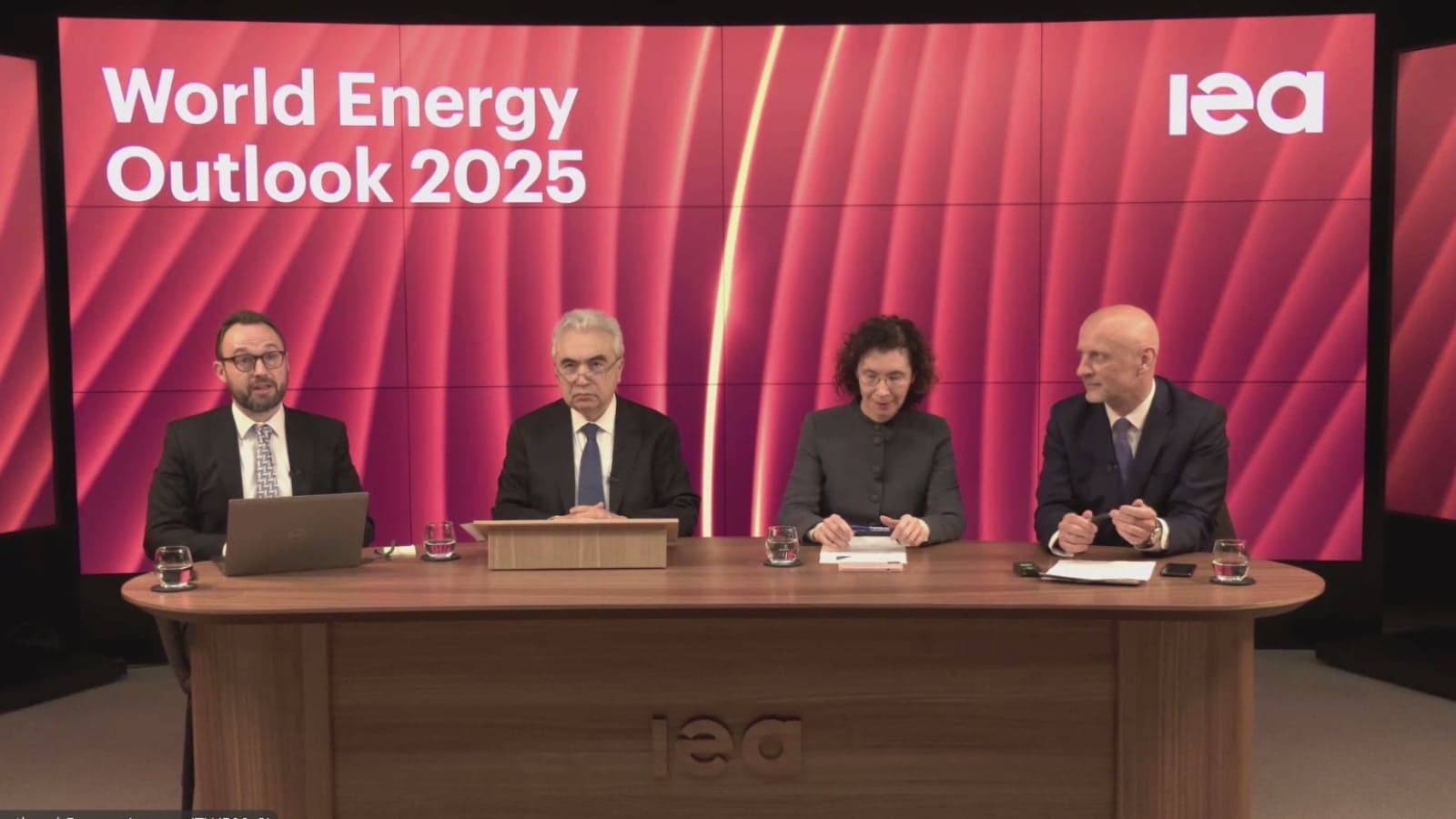
“In energy history, we’ve witnessed the Age of Coal and the Age of Oil – and we’re now moving at speed into the Age of Electricity,” said Fatih Birol, executive director of the International Energy Agency at the press conference launch today of the IEA’s annual World Energy Outlook in Paris.
And he wondered: “Who will be the main actors in the age of electricity.”
He had, however, already offered one answer, by telling journalists: “We are seeing nuclear power is making a strong comeback in many countries. Next year we are going to see the highest nuclear power generation in history.”
But despite the nuclear revival, and the fact that “this year more than 80% of all new power plants built in the world are renewable,” Birol cautioned that clean energy faced a challenge because the costs of its “fossil fuel rivals” was cheaper.
Birol said it is clear “that in the second half of this decade we are entering a new energy market context as the fundamentals of the oil and gas sector are easing.”
Have you read?
Study shows EGR tech can reduce cost of carbon capture at gas plants
Call for new EU policy that promotes nature-inclusive solar
Balance spending on renewables and grid
This paves the way for the so-called Age of Electricity, however the World Energy Outlook report highlights that a rebalance in spending is needed, notably in the now oft-quoted see-saw between renewables and grid.
The report states that currently for every dollar spent on renewables, only 60 cents are spent on grids and storage.
It says secure decarbonisation of the power sector “requires investment in grids and storage to increase even more quickly than clean electricity generation, and the investment ratio to rebalance to 1:1. Many power systems are currently vulnerable to an increase in extreme weather events, putting a premium on efforts to bolster their resilience.”
And it stresses that despite growing momentum behind clean energy transitions, “the world is still a long way from a trajectory aligned with its net zero goals”.
Reacting to the World Energy Outlook, Matthew Boulton, Director of Solar, Storage and Private Wire of EDF Renewables UK, said the report was “a stark reminder of the pressing need to modernise our grid and deploy renewables at scale".
"As the analysis shows, low-emissions energy sources are set to generate more than half of the world's electricity by 2030. Investing in renewables is key to enhancing energy security and unlocking a secure and affordable energy system that is resilient to global change."
Boulton said that while it is "excellent to see the rapid growth of renewables globally, we still need to move faster to get on track for net zero. We must utilise technologies like battery storage to create greater flexibility and invest in a stronger, smarter grid for a reliable system that can support the clean energy we need."
All of these talking points will be debated in detail at Enlit Europe in Milan next. From generation to grid, mobility to AI, we will address the hot topics with the disruptors, gamechangers and influencers in the European energy sector.
Make sure you have a seat in the debate by registering here: https://www.enlit-europe.com/register