HIPERWIND project modelling could cut offshore wind energy costs
Jonathan Spencer Jones
Posted on: 20 December 2024
The Horizon 2020 supported HIPERWIND project has developed new offshore wind design modelling that could result in a 9% cut in energy costs.
The Horizon 2020 supported HIPERWIND project has developed new offshore wind design modelling that could result in a 9% cut in energy costs.
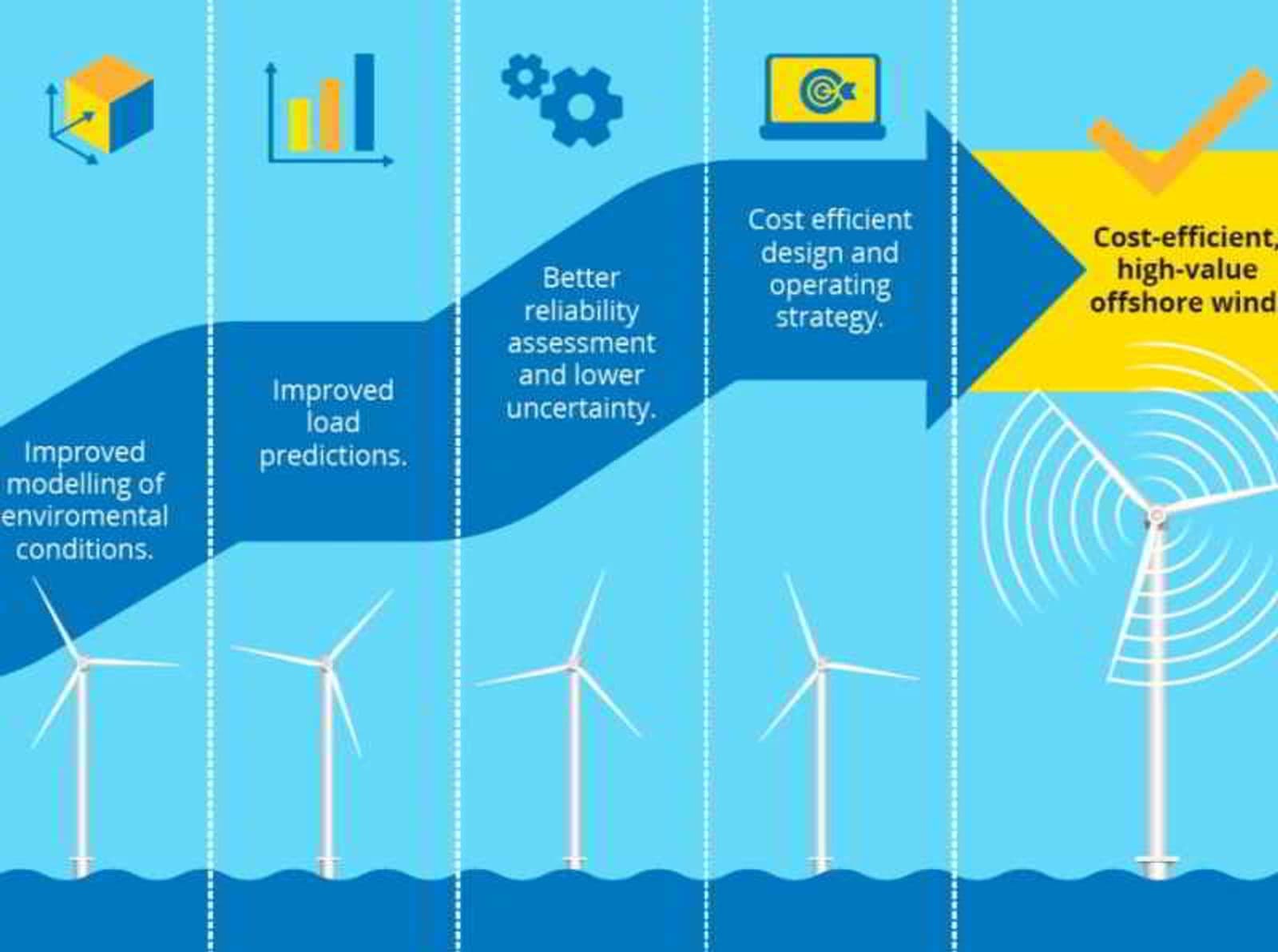
HIPERWIND (HIghly advanced Probabilistic design and Enhanced Reliability methods for high-value, cost-efficient offshore WIND), which ran from 2020 to 2024, found with its simulation models that using less material in turbine construction can reduce the cost per unit of produced energy by up to 9% and even 10% in the most optimistic case.
With this, offshore wind turbine construction and operation could become more cost-effective and reliable.
“HIPERWIND set out to achieve a significant reduction in the LCOE by understanding how to deal with uncertainties in the wind turbine design modelling chain,” says project coordinator Nikolay Dimitrov, Senior Scientist at the Technical University of Denmark’s Wind and Energy Systems.
“We examined how to quantify and identify various uncertainties, ranging from environmental conditions to loads and wind turbine reliability. By understanding these uncertainties better, the researchers were able to reduce material usage and lower energy costs.”
Have you read?
Oh buoy! The innovation balancing act that’s making floating wind more cost-competitive
How innovation is shaping the next generation of floating offshore wind
Offshore wind turbines face harsher conditions than onshore turbines with higher wind speeds and strong ocean currents, requiring more robust designs and significantly higher capital costs.
While they then generate more energy due to stronger winds, the increased costs result in a higher levelised cost of energy (LCOE).
Managing uncertainties was at the core of HIPERWIND, which found that its management is a driver in reducing costs and risk and thereby improving the production reliability and ultimately the value of offshore wind.
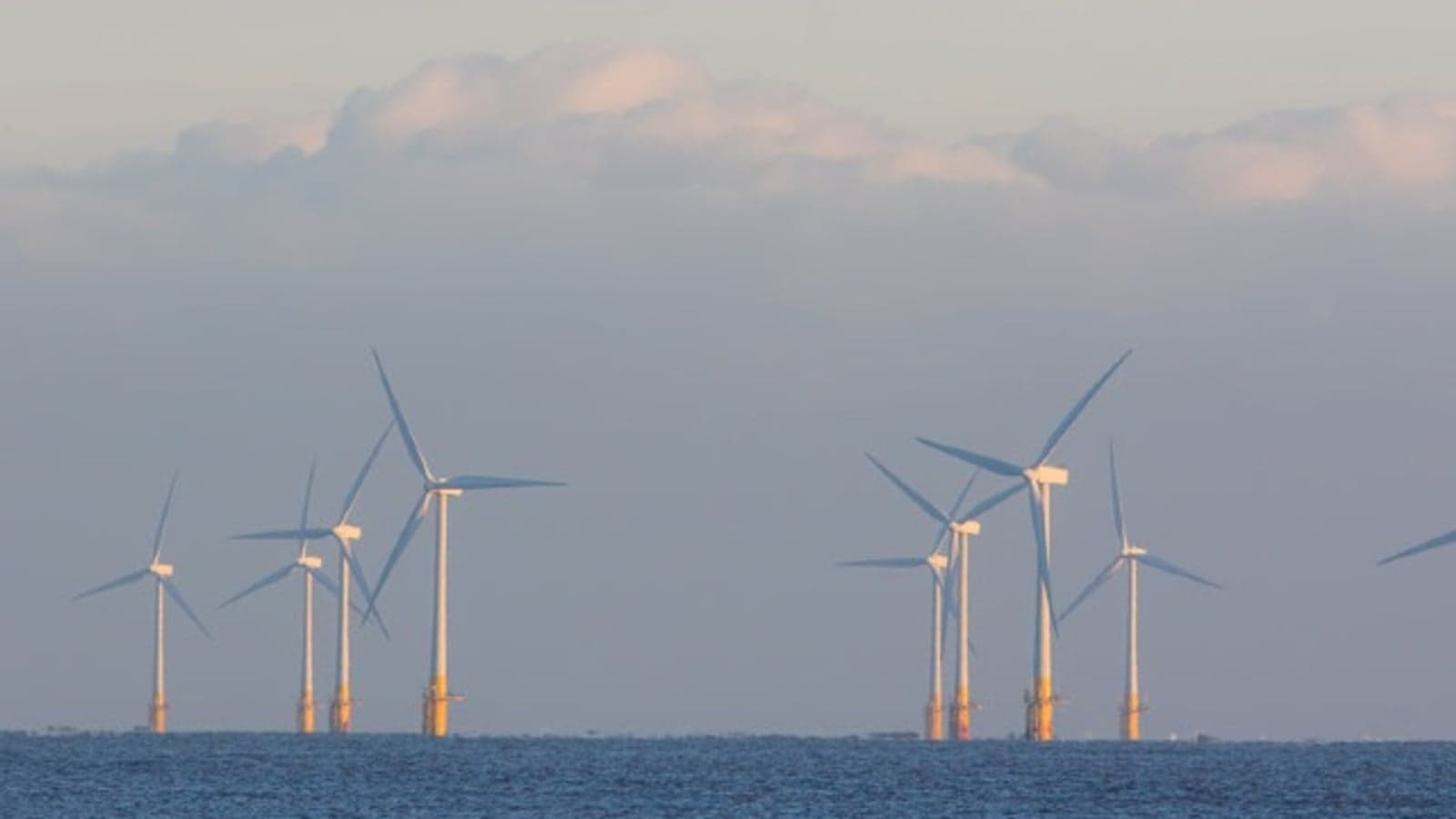
The project used a real-world case study involving the Teesside offshore wind farm off the coast of England, owned by project partner EDF.
Data and models specific to the wind farm were used to identify and quantify uncertainties in turbine tower and foundation design. The team then assessed whether the improved knowledge could reduce costs if the wind farm were rebuilt.
HIPERWIND demonstrated that using less material in turbine construction can reduce the upfront costs, i.e. the capex, which make up almost a third of the overall cost of energy.
Additional cost reductions were achieved by scheduling maintenance during low energy price periods, boosting both cost savings and operational efficiency.
Future research
The project consortium consisted of seven partners from academia and industry, including EPRI Europe, which developed the new design simulation models.
Future research will focus on the development of the developed methodologies in production but the findings are already being applied by project partners.
For example, IFP Energies nouvelles (IFPEN) is applying the results to improve chain modelling by accurately quantifying wind turbine fatigue loads.
Likewise, ETH Zürich is now using the methodologies not just to solve wind-related problems but also earthquake-related problems, such as the seismic fragility of buildings in complex environments and the design of high-rise buildings under random wind excitation.