How innovation is shaping the next generation of floating offshore wind
Guest/partner contributor
Posted on: 20 November 2024
As the floating offshore wind industry grows, innovative designs are addressing the unique challenges of deeper water environments.
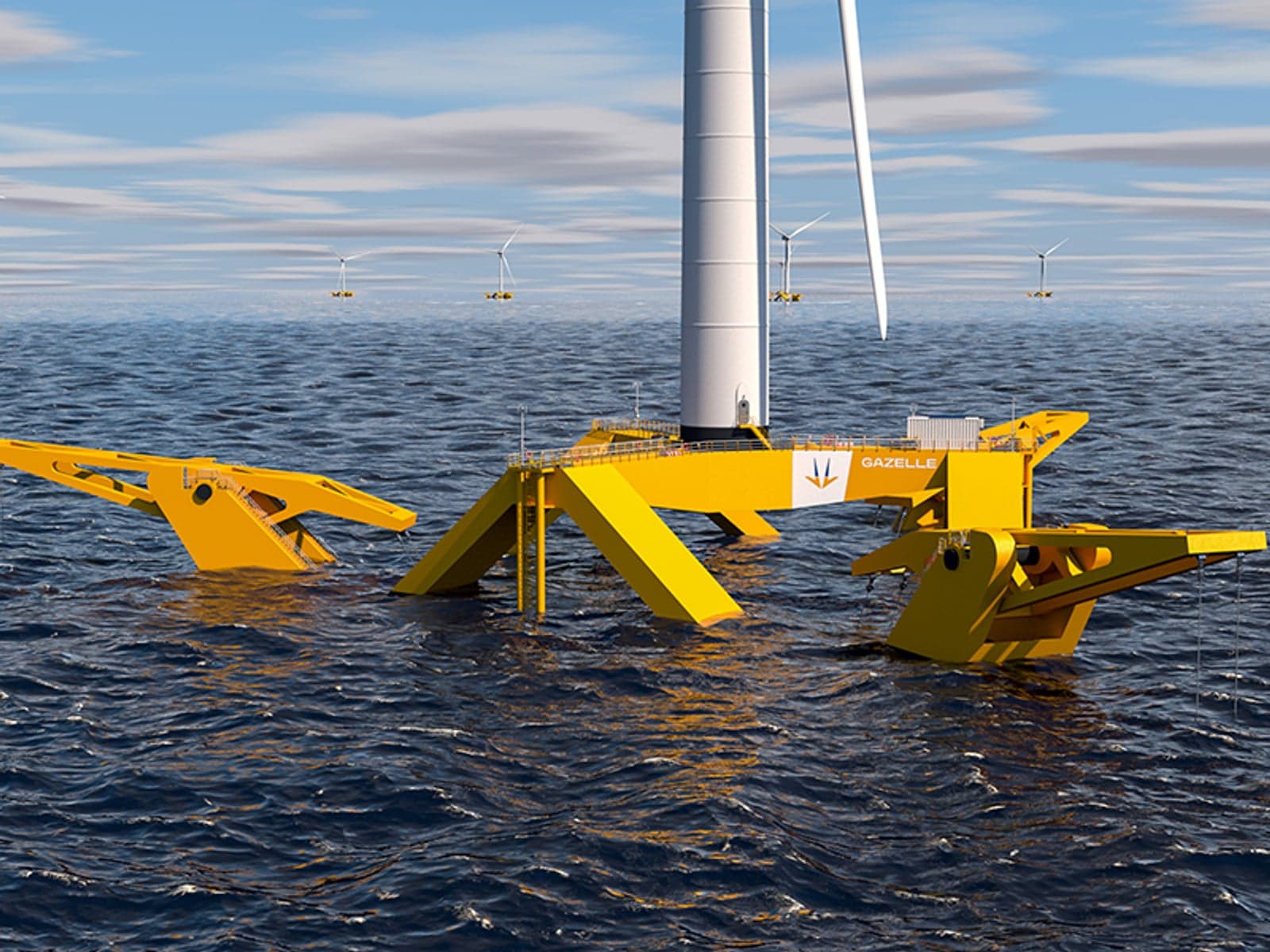
Floating offshore wind technology offers a clear solution for capturing strong and sustained wind power from deeper waters, where traditional fixed-bottom turbines are not feasible.
As the industry continues to grow, the development of innovative designs to address the unique challenges of these environments becomes ever more critical.
In recent years, the sector has seen substantial growth, driven by the global shift towards cleaner energy sources. According to RenewableUK, the pipeline of floating offshore wind projects grew 32% between 2022 and 2023. The Global Wind Energy Council (GWEC) forecasts that floating offshore wind capacity will reach 8.5GW by 2030, up from just 100MW in 2020.
This surge is fueled by technological advancements, supportive policies, and the increasing competitiveness of floating wind technology. However, the industry still faces significant challenges, including excessive costs, environmental impacts, and the need for scalable solutions.
GWEC’s Global Offshore Wind Report 2023 originally predicted that floating offshore wind would achieve full commercialisation by 2026/2027. This year, however, GWEC revised its estimate, projecting commercialisation by 2029/2030.
Current issues such as high development, manufacturing, assembly, transport, installation, operations, and maintenance costs contribute to a higher levelised cost of energy (LCOE) for floating wind compared to fixed-bottom projects. Inflation and capital expenditure increases exacerbate these challenges. The lack of sufficient port infrastructure and towing vessels for foundation manufacturing and assembly, restrictive trade policies, and supply chain constraints further complicate the industry’s progress.
Have you read?
Shell partners with Simply Blue Energy to develop Irish floating wind project
Floating wind to grow to 250GW by 2050 says DNV GL
So, what steps can floating wind developers and technologists take to address these challenges?
It all starts with a focus on advancing mooring and substructure designs. By optimising these critical engineering components at the design and technology phase, developers can enhance operational efficiency, streamline deployment, and ultimately reduce costs, paving the way for a more sustainable and economically viable floating wind industry.
Mooring systems are essential for stabilising floating offshore wind platforms. These systems utilise wires, ropes, or chains to keep the platforms anchored in place, maintaining their position against the forces of wind, waves, and currents.
Recent innovations in mooring systems focus on reducing the forces exerted on mooring lines and structures. This improves reliability and reduces the materials required, lowering costs. Innovative mooring designs also offer smaller footprints and lower environmental disturbance, making them more suitable for deployment in sensitive marine environments.
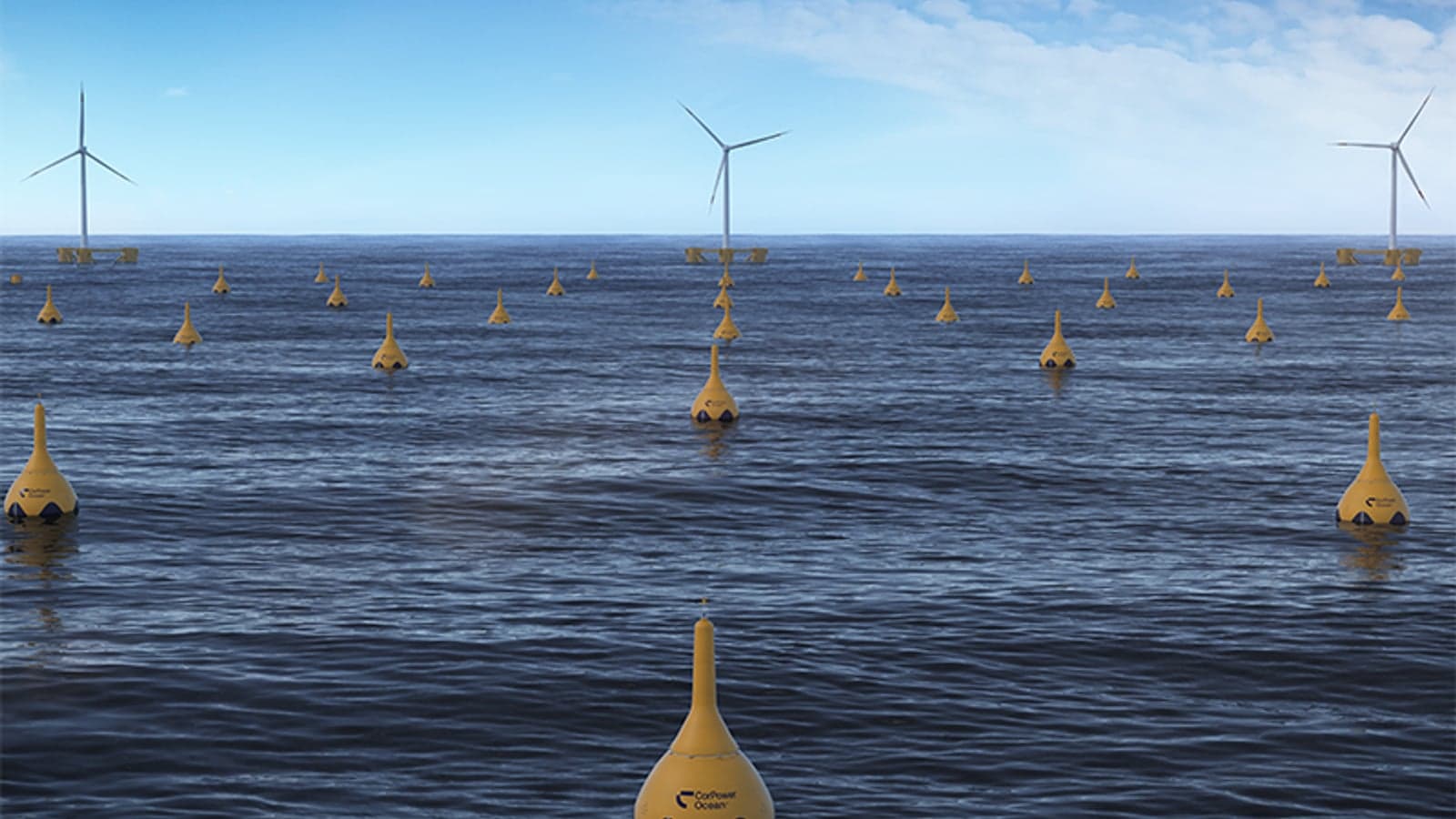
Vertical or near-vertical mooring lines, which connect the floating platform directly to anchors on the seabed, offer a more compact solution compared to traditional ‘catenary’ systems, which are curved and require more horizontal space across larger areas of the seabed. This is because vertical mooring lines run almost straight down, requiring much less seabed area and minimising environmental disturbance, particularly from seabed scouring by catenary chains.
They provide efficient load handling by directly counteracting the buoyant force of the platform, leading to better stability and durability. Additionally, they use fewer materials and are simpler to install, making them a cost-effective option for floating wind farms in regions around the world with sensitive or space-limited marine environments. Smaller anchoring systems can minimise the acoustic impact on the environment and sea life.
Helical — or screw-like — anchors, which can be used in various seabed conditions, offer significant advantages in cohesionless soils, such as sand, where hollow, tube-like suction piles and long, rod-like driven piles are difficult to install and often ineffective. Helical anchors also allow for precision placement, enabling accurate positioning in surveyed locations on the seabed, unlike drag embedment anchors, which rely on horizontal movement along the seabed to ‘dig in’, and often require additional chain tensioning systems and large vessels for transport and installation.
The benefits of implementing anchoragnostic vertical line mooring systems with smaller anchors should prove to be significant. They improve the seabed footprint of floating platforms; reduce installation, operation and maintenance costs, and enable the deployment of floating wind farms in previously inaccessible locations.
This expands the potential number of sites for floating offshore wind, especially in regions with challenging seabed conditions, environmental constraints or concerns from other marine or blue economy industries like fishing and shipping. Advancements in substructure design play a crucial role in advancing the floating offshore wind sector.
Also of interest:
Site visit: Inside the O&M base for a floating offshore wind project
Project WILLOW: Revolutionising offshore wind farm control
These innovations aim to create cost-effective, lightweight, and robust structures that can be efficiently manufactured and deployed worldwide. Cleverly integrating buoyancy within the substructure allows for lower drafts, enabling easier deployment in shallow ports and reducing the need for extensive offshore construction and dredging of ports.
This approach reduces costs, accelerates production timelines, and eliminates the need for costly port facility renovations. Modular components are becoming standard in substructure design, enabling local manufacturing and efficient assembly in standard ports. This approach also speeds up deployment and simplifies maintenance operations, as damaged components can be easily replaced or repaired.
Moreover, the use of standardised pre-fabricated modules reduces the time and complexity involved in deploying new platforms. Advanced substructure designs also focus on improving durability and resistance to harsh marine environments by utilising corrosion-resistant materials and coatings, extending the lifespan of structures and reducing maintenance frequency and costs.
This ensures that floating wind platforms can operate reliably over their intended lifespan, contributing to the overall efficiency and cost-effectiveness of floating wind farms.
Digital twin technology
Using digital twin technology for condition-based monitoring and predictive maintenance represents another significant advancement for the sector’s growth. Digital twins are virtual replicas of physical assets that collect real-time data on the operating conditions of the floating platforms.
This technology allows for accurate predictions of components’ life and maintenance requirements, enabling proactive maintenance and reducing the risk of unexpected failures. For mooring systems and substructures, this means enhanced monitoring and maintenance practices that can preemptively address wear and tear, ensuring the long-term stability and functionality of the platforms.
It’s also crucial for mooring systems to have redundancies, or backup systems, and to simulate and be prepared for unexpected situations like accidental load cases or failure scenarios to ensure platforms remain secure throughout their lifespans. By continuously monitoring the stress and strain on mooring lines and substructures, operators can schedule timely interventions, thus maintaining the integrity of each platform in a given wind farm.
Recent studies emphasise the importance of developing comprehensive decommissioning plans that prioritise environmental safety and economic efficiency. Advanced recycling techniques are being researched to handle the composite materials used in turbines, which are notoriously difficult to recycle.
According to a 2022 study by ORE Catapult, over 3.5GW of global offshore wind capacity will reach the end of its operational life by 2035, highlighting the urgent need for robust end-of-life strategies. Innovations in material recovery are being explored to break down composite materials into reusable forms, significantly reducing waste.
Additionally, modular design approaches in newer platforms facilitate easier disassembly and recycling, ensuring that end-of-life processes are as sustainable as the energy produced during the platform’s operational life. By addressing the technical and operational challenges through innovation, the industry can unlock new opportunities for clean energy production and support the global transition to a low-carbon future.
With continued investment in research and development, floating offshore wind can become a mainstream energy source, providing reliable and sustainable power for future generations. These advancements are not just about improving technology, but also about creating a sustainable and scalable energy solution.
As policy, technology and investment in the sector continue to evolve, these innovations will help to establish floating offshore wind as a cornerstone of the renewable energy landscape, driving progress and fostering a cleaner, greener future for all.
About the author

Jason Wormald is the Chief Technical Officer at
Gazelle Wind Power.
Related tags
Latest content
+4
Going like the wind: why cross-border collaboration is key for offshore wind in Europe
Europe’s seas are set to become the power plants of the future – but Elia Group finds in its latest study that questions about cross-border collaboration and finance still need to be addressed.
- Guest/partner contributor
- 18/11/2024