How BuildON and OpenLab are digitalising buildings and neighbourhoods
Areti Ntaradimou
Posted on: 10 June 2026
How can Europe accelerate the decarbonisation of its buildings while ensuring that citizens remain at the centre of the transition?
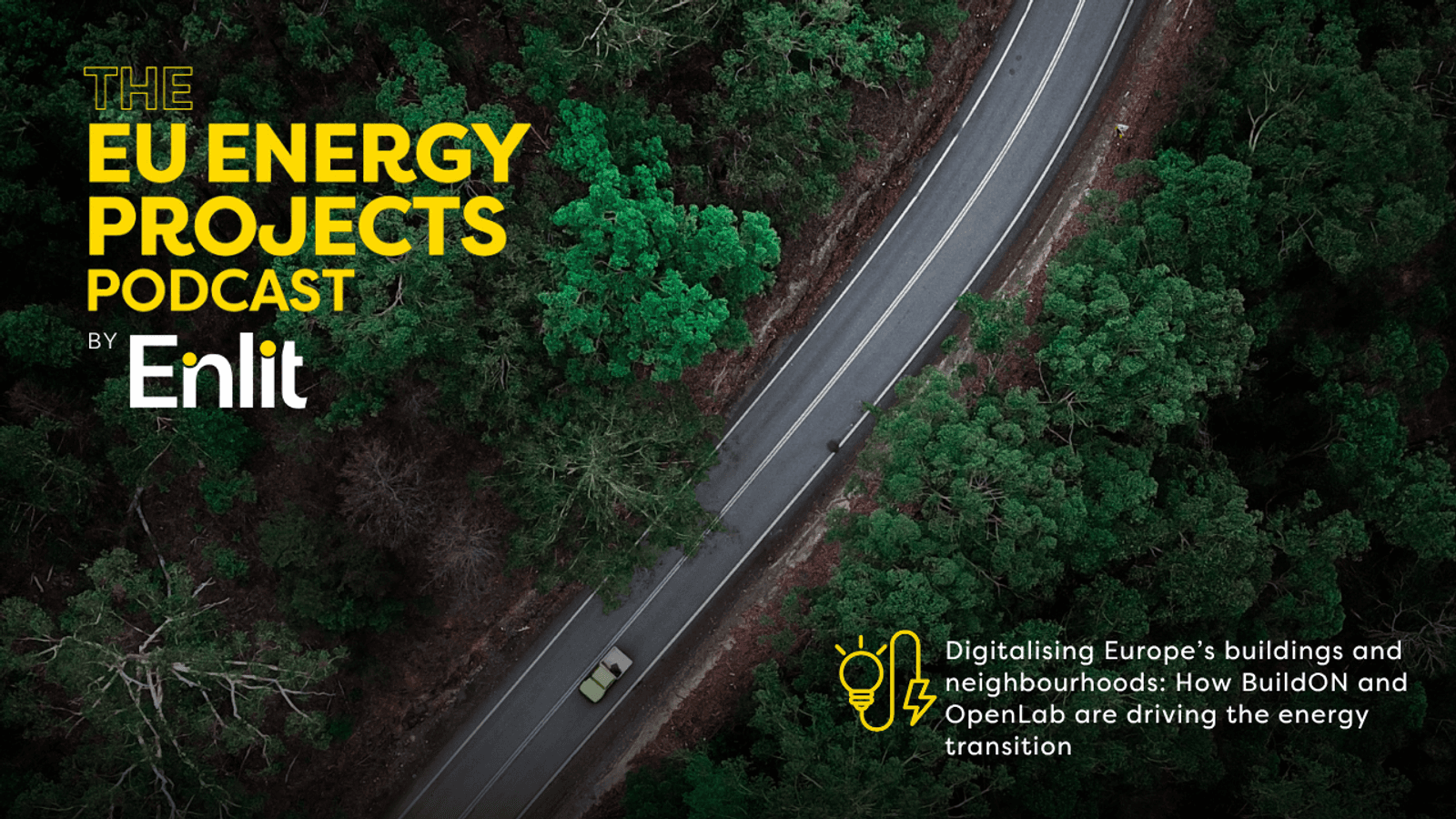
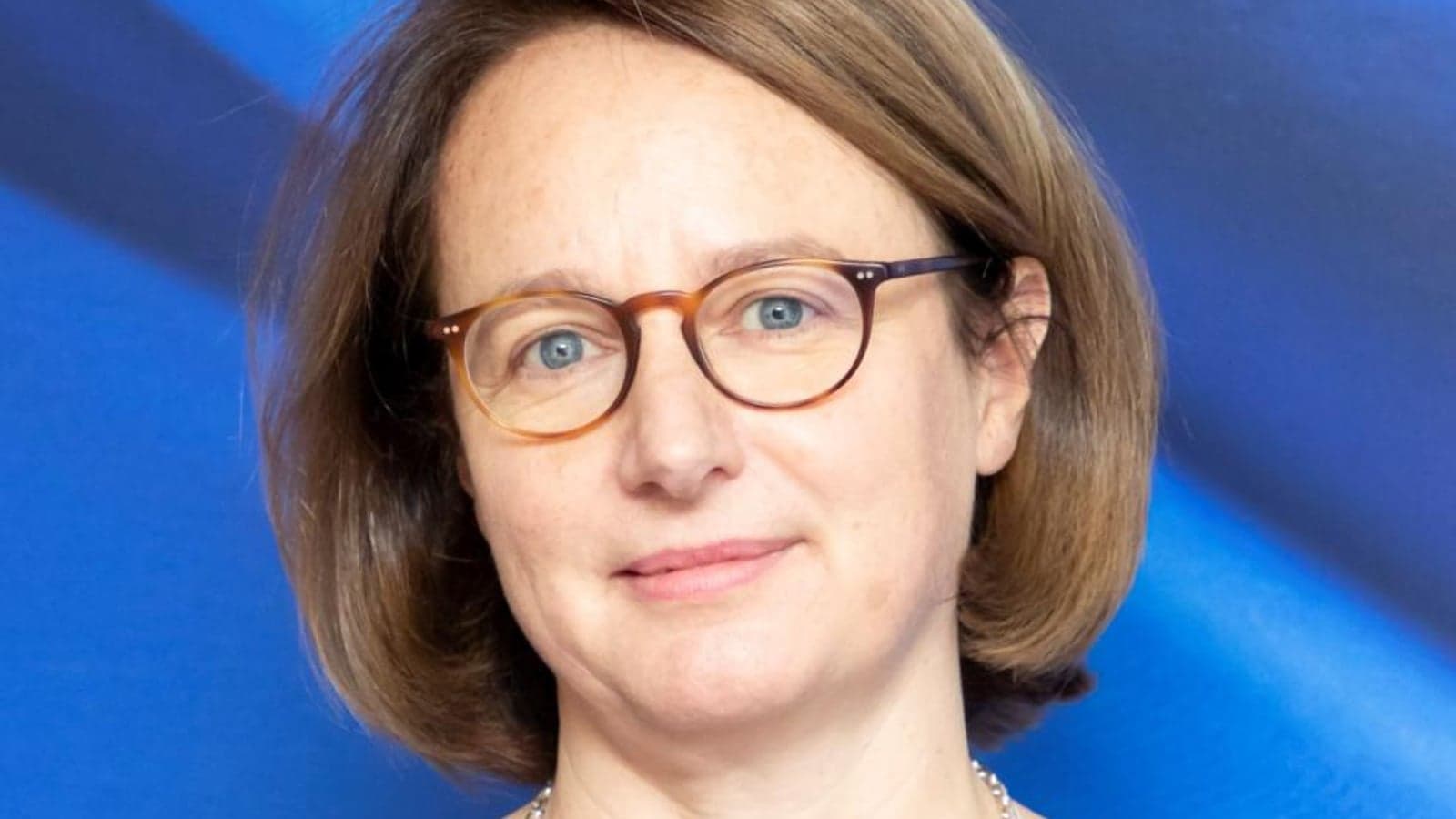
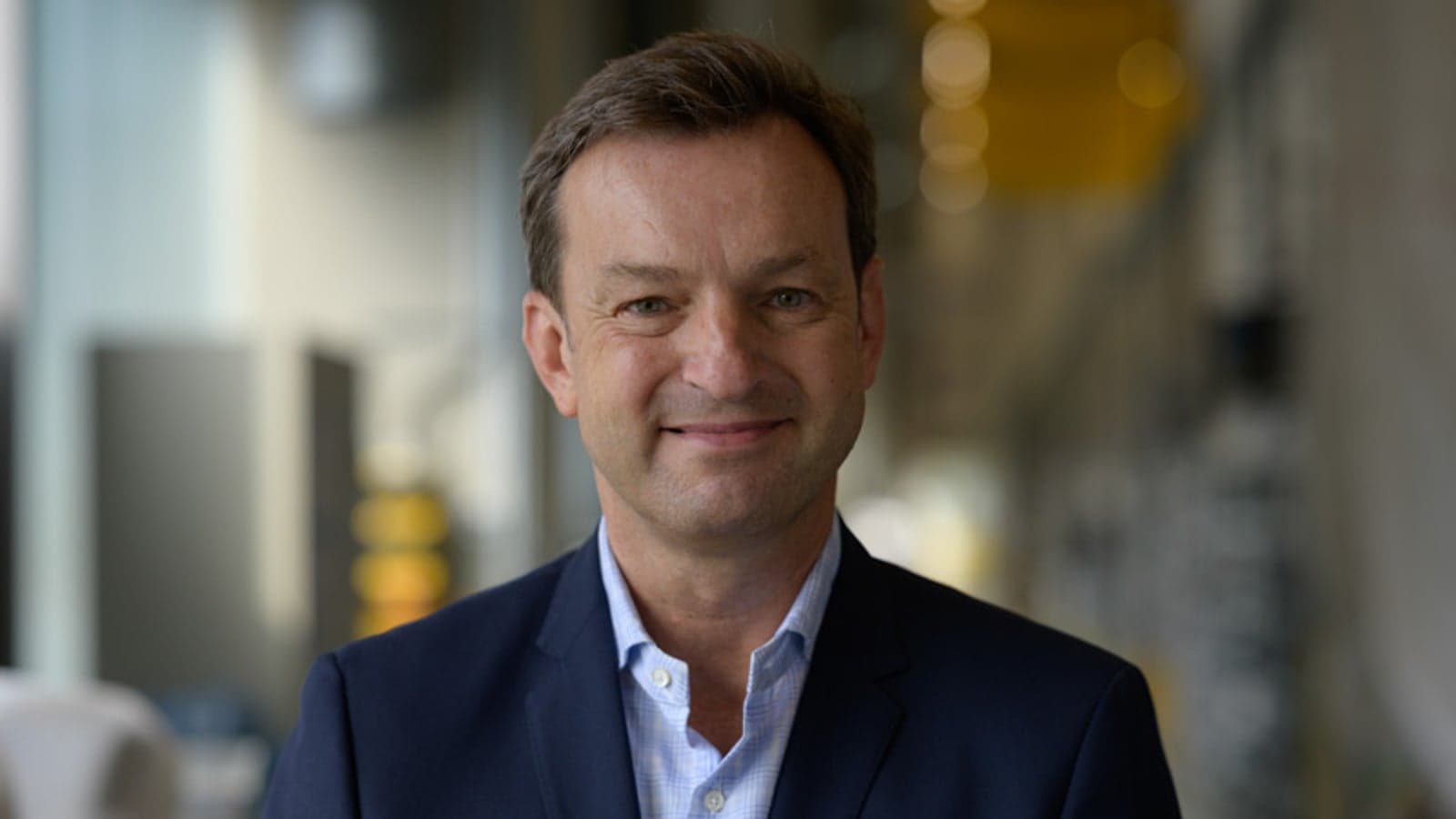
In the latest episode of the EU Energy Projects Podcast, Alicia Kalms of OpenLab and Sofía Mulero of BuildON discuss how their EU-funded projects are using digitalisation, innovation and community engagement to create more sustainable and energy-efficient living environments.
While both projects share the goal of supporting Europe’s clean energy transition, they approach the challenge from different angles. BuildON focuses on individual buildings, developing digital twins, artificial intelligence tools and advanced optimisation services to improve energy performance, increase flexibility and enhance user interaction. OpenLab, meanwhile, works at neighbourhood scale, transforming urban districts into Positive Energy Neighbourhoods where buildings, renewable energy sources, storage systems and residents operate as part of an integrated energy ecosystem.
A recurring theme throughout the discussion is the importance of putting people at the centre of technological innovation. Both projects actively involve residents, building operators and local communities in the design and deployment of their solutions. From intuitive smart-home applications for elderly residents to co-created neighbourhood initiatives and behavioural feedback tools, citizen engagement is seen as essential to achieving lasting impact.
As both projects enter their final stages, the conversation highlights a range of tangible achievements, including large-scale building renovations, digital energy management platforms, advanced monitoring and optimisation services, and successful demonstrations across multiple European pilot sites. Looking ahead, both OpenLab and BuildON aim to ensure that their solutions continue beyond the lifetime of the projects, helping to make smart, user-centred and energy-efficient buildings and neighbourhoods the norm rather than the exception across Europe.