How digital twins can unlock untapped capacity in Europe’s grids
Enlit Editorial Team
Posted on: 31 October 2025
Neara’s Taco Engelaar reveals how physics-enabled digital twins, AI and cross-border collaboration could accelerate Europe’s energy transition.
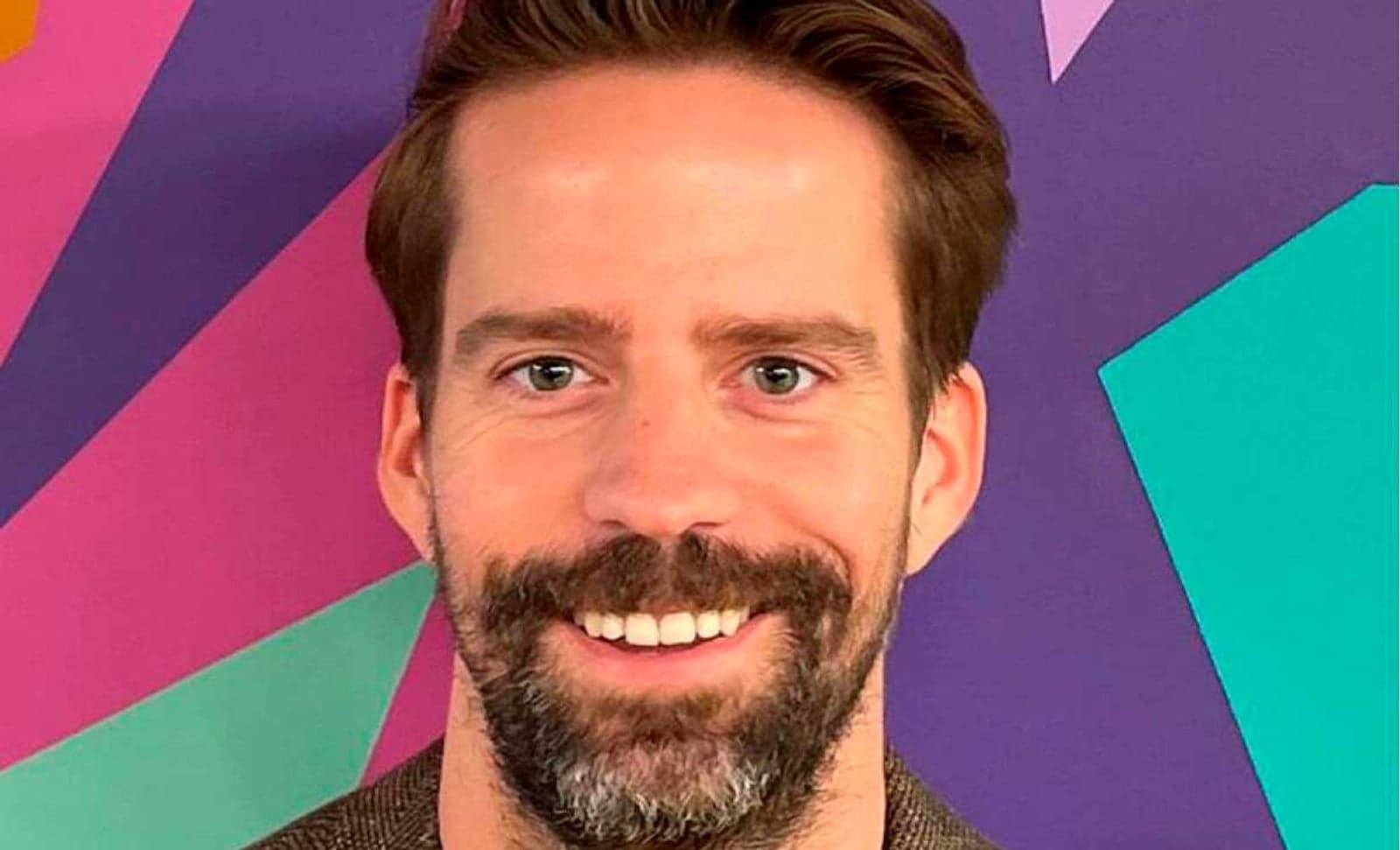
How does the European energy sector turn shared ambition into collaborative action?
By being open about the challenges we face and building an environment that actively encourages innovative problem-solving. The TwinEU project, which I’m involved in, is a great example of how, when given institutional backing and a clear framework, there’s huge appetite and potential for collaborative action across the industry.
To replicate this kind of collaboration elsewhere in the sector, we need to address the common barriers that can block progress. This includes creating clearer regulatory guidelines to encourage wider participation, highlighting new tools and technologies that can unlock operational capacity and speed up innovation, and enabling simpler data access and sharing across different regions to help build a pan-European blueprint for success. These are all key to fostering the kind of collaboration that we need to build a greener, smarter, more resilient energy system.
What does Europe need to do to deliver competitive, resilient energy by 2030?
Ultimately, our success in delivering competitive, resilient energy will rest on how well we support our underlying infrastructure. There are two things we need to do to ensure the grid is up to the job.
Firstly, we must bolster its defences against the impacts of climate change. With extreme weather on the rise, our aging infrastructure is increasingly vulnerable, leading to an uptick in damage and power failure. If we want a more resilient energy system by 2030, we must take meaningful action to climate-proof the grid.
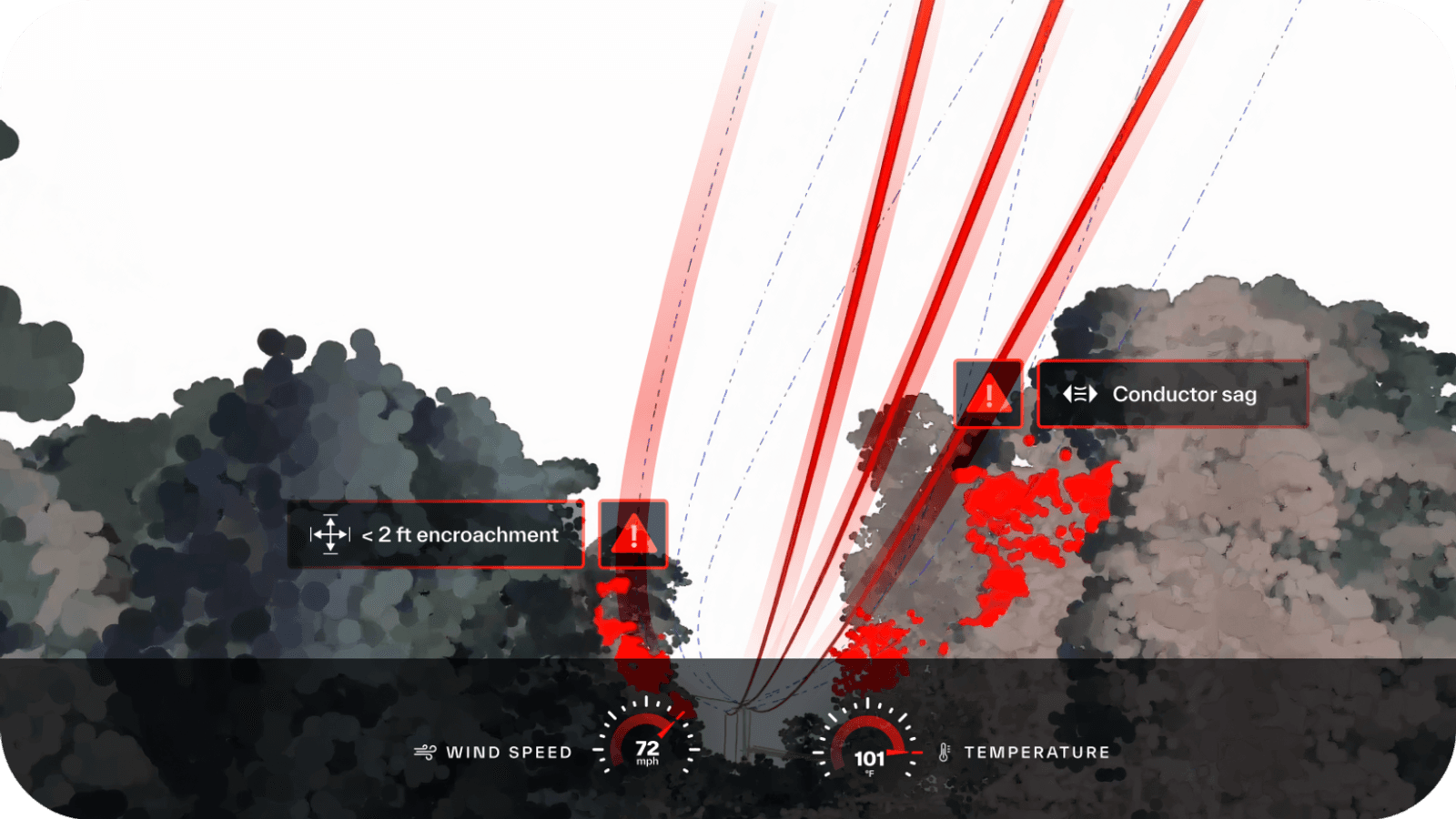
This means leveraging tools which can give us enhanced visibility of assets across our networks – enabling utilities to more easily identify weaknesses, predict potential impact and take preventative action to protect critical infrastructure when extreme weather hits.
Alongside future-proofing the grid, we must also optimise capacity. While there’s no doubt that investment in new infrastructure will be critical to reaching Europe’s clean energy goals, there is more we can do to uncover hidden capacity within our existing networks.
Recent analysis conducted by Neara using physics-enabled digital modelling in the UK & Ireland found that up to 74% of the region’s distribution networks are being underutilised. A similar picture exists across the EU.
Conducting this kind of analysis could help uncover a significant amount of untapped capacity in our power grids. This could transform the way we utilise existing assets, unblocking connection queues and reducing the amount of new infrastructure required to deliver a cleaner, more resilient energy future.
It’s 2030: what does Europe’s energy mix look like?
Our current target for 2030 is for renewables to have reached at least 42.5% of our total energy mix. We’re certainly on the right trajectory. The most recent data, for 2023, shows that a record-breaking 45% of electricity consumption in the EU came from renewable sources. Wind and hydro power were the top contributors, but solar has since started to dominate more of the renewable energy mix, a trend we’re likely to see continue as we move towards 2030.
The biggest hurdle we face when it comes to reaching, and exceeding, the 2030 renewables target is transmission. While renewables generation continues to flourish across the EU, we must ensure our infrastructure adapts alongside.
The ‘gridlock’ currently being experienced by The Netherlands is a clear warning sign. When infrastructure does not expand at the same rate as renewables, transmission stalls, ultimately limiting its role in the overall energy mix. However, if action is taken now to optimise and expand our energy infrastructure, we can ensure we remain on track and that the grid does not stand in the way of further renewables progress.
Recent analysis in the UK & Ireland found that up to 74% of the region’s distribution networks are being underutilised. A similar picture exists across the EU.
Is there another industry vertical which has vital lessons for the energy sector?
Given the current focus on interconnection across Europe, I think the rail industry offers an interesting blueprint for the future of energy.
Just like its energy networks, Europe’s railways were built on heavily siloed, inconsistent infrastructure, designed for the nationally centralised, fossil-fuelled economies of the 20th Century. But if you look at the railways now, especially across Western Europe, we have these incredible high-speed, interconnected systems which not only allow people to travel more easily across the continent but have also unlocked enormous economic advantages.
Getting to this point didn’t happen overnight, but it provides a lesson for the energy sector. With the right level of commitment and engagement from key stakeholders, as well as smart legislation and consistent financial and political support, building a resilient, interconnected energy grid is more than possible.
COP30: are you optimistic or pessimistic?
I’m cautiously optimistic. Seeing renewables top energy generation for the first time in history is a landmark step that should be celebrated. But we cannot let it blind us to the challenges we are still to overcome.
Despite the move forward for renewables, fossil fuel consumption across the West has also increased, and we’re seeing major political voices actively drive against climate action and roll back on Net Zero commitments.
To ensure we remain on the right track, several things need to happen.
- We need a renewed commitment from global leaders to decarbonise our energy systems and prioritise renewable power generation.
- We need clearer data and evidence sharing to facilitate pan-continental collaboration and speed up progress.
- We need a stronger focus on delivering the infrastructure required to support renewables expansion.
All these things will help drive us closer to Net Zero. COP30 will have a key role to play in ensuring they start happening now.
When infrastructure does not expand at the same rate as renewables, transmission stalls, ultimately limiting its role in the overall energy mix.
What is the biggest workforce issue for the energy transition?
A combination of recruiting and reskilling.
The focus across our energy systems is shifting from boots on the ground to remote monitoring and analysis. If it’s safer and quicker to track and rectify issues in the grid remotely, why send teams out in dangerous conditions?
To facilitate this, we need more people who can understand and implement the kind of technology that allows us to make this shift. Alongside grid management and repairs, as we move towards delivering more flexible, integrated energy systems, tools like AI and digital modelling have a critical role to play in providing the insights and visibility needed to coordinate them at scale.
A wide range of expertise will be needed to facilitate this - from machine learning engineers and data scientists to LiDAR operators and GIS specialists - so recruitment and upskilling across the workforce will be essential.
Is the energy sector making the most of the current AI tech?
Across the board? No. More utilities are using AI to do things like pinpoint resilience weak spots and unlock capacity, but there is still so much untapped potential. I think more needs to be done to encourage and support stakeholders looking to embrace new technologies.
Regulation has a major part to play. Currently, the way the industry approaches AI from a regulatory perspective is still quite cautious. Regulators and policymakers are understandably focussed on the potential risks and limitations of AI, but there needs to be an equal focus on how we can and should be using it. When adopted in the right way, AI can transform infrastructure management, supercharge our understanding of the grid, and help build a more resilient, renewable and cost-effective energy future. Having the right regulation and guidance in place to support this is critical.
How do you see the role of AI supporting/enabling your organization's CX strategy?
AI will likely have a key role behind-the-scenes in supporting faster decision-making and smoother navigation across our platform. By automating certain workflows, repair and maintenance processes, and identifying areas for optimisation, it will help us to enhance the experience for utilities using the platform, supporting them to access even quicker, easier grid management.
What sustainability practice in your organisation are you most proud of? And how have you reduced your personal carbon footprint?
In our work with utilities, we are helping accelerate the move away from fossil fuels, by identifying latent capacity in the grid which can enable more renewable energy to be run. It is extremely rewarding to see our technology helping directly move the dial in this way.
On a more personal level, I try to reduce my carbon footprint however I can. It’s often in the small, everyday choices - like taking the train, rather than a car when travelling to on-site visits and meetings. They may feel small, but it’s these repeated, individual choices that collectively help us make a real difference.
What are the biggest challenges facing energy leaders today?
One of the biggest challenges facing energy leaders is simply knowing where to start.
Europe’s analog energy systems have a fundamental lack of visibility baked in. This can make it incredibly difficult for utilities to know where the biggest vulnerabilities in a network lie, which areas of the system should be prioritised, and how resources should be allocated.
Technologies like AI and digital modelling can help to enhance this visibility, surfacing critical insights which help identify specific pain points more quickly. Leaders need more support to access tools like these and to leverage the insights they provide to drive targeted and meaningful action.
With the right level of commitment and engagement from key stakeholders, as well as smart legislation and consistent financial and political support, building a resilient, interconnected energy grid is more than possible.
How are your industry experts going to address these challenges at Enlit Europe?
My team and I are excited to engage with stakeholders from across the energy ecosystem at Enlit Europe. We want to show exactly what is possible with physics-enabled digital twin technology, and the potential it must supercharge Net Zero progress.
Together with several of our partners, we will demonstrate how this technology can deliver enhanced grid visibility, drive faster, data-informed decision-making, and future-proof global energy infrastructure.
If you had a magic wand what is one thing you would implement today?
Physics-enabled digital twins as an industry standard. The impact we have seen this technology have through our own work with utilities has been astounding. It gives unparalleled visibility for grid management and planning. Whether that’s boosting resilience against extreme weather events, targeting smarter, safer grid repairs, or optimising network capacity to free up space in the grid for more renewables. It is a critical tool for delivering a grid that’s fit for the future and up to the task of delivering Net Zero.
I would love to see stronger mandates, funding and guidelines in place to help implement technologies like this, which can directly address the immense challenges utilities are facing and which have the potential to transform our energy future.
Connect with Neara in Bilbao!
Stand: 5.F96
Speaking Engagements
19 November 2025 | Taco Engelaar, SVP & Managing Director, Neara | Evolve Stage (Hall 5)
Live Demo
Join the team on their stand for live demos of Neara's 3D physics-enabled digital twin.
Most popular
Join the community for freeAnd get access to all content
Related companies
Neara
Related projects
TwinEU
2 January 2024 - 31 December 2026
View project