Partner content
How Kraken uses residential flexibility to benefit utilities and customers
Enlit Editorial Team
Posted on: 9 March 2026
Kraken is showing how residential flexibility and smart EV charging can reduce peak demand while lowering costs for consumers and creating new value for utilities.
As electrification accelerates, managing when energy is used is becoming as important as how it is generated. Through its platform, Nicola Battey, Product Marketing Director at Kraken explains how residential flexibility, particularly smart EV charging, can significantly reduce peak demand while delivering cost savings for consumers and stronger customer engagement for utilities.
With over 2GW of residential flexibility on the Kraken platform, utilities are already reducing peak demand for EV drivers by 42% in the UK.
This strategy benefits both end users with cost savings and greener charging, and utility partners with increased customer loyalty and reduced churn. The platform prioritises user preferences, earning customers' trust to allow system optimisation without override, enabling the provision of flexibility services back to utility partners.
Kraken does it by shifting energy use, like EV charging, to off-peak times when energy is cleaner, greener, and cheaper, without asking customers to change their habits.
Kraken’s flexibility platform puts user preferences first. Homes stay warm. Cars charge when they’re needed. And that trust pays off:
- Lower energy bills for customers
- Higher engagement with time-of-use and dynamic tariffs
- Lower churn and stronger utility-customer relationships
Battey also stressed the importance of putting customers and trust at the centre of everything they do, not just technology. When customers trust the system, flexibility works for them and for the grid.
"Our flexibility platform always prioritises user preferences. That means that we have their devices heating their home or charging their car when they need that to happen, and that builds customer trust."
Watch the full interview for Nicola Battey’s perspective on the growing role of residential flexibility in the energy transition.
Read: Empowering utilities to serve their own tech needs
Listen: What does a future-ready energy system operator look like?
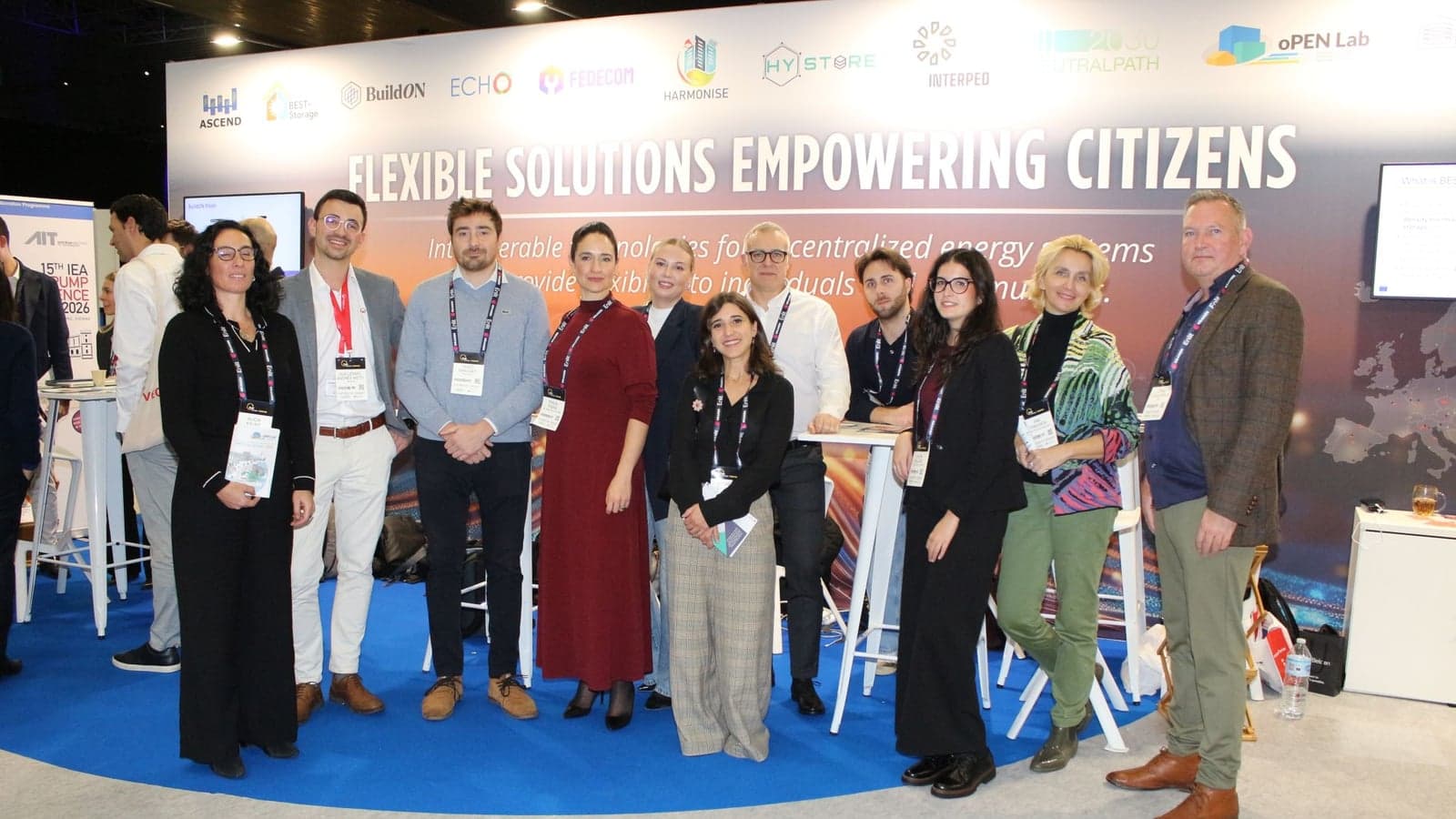
**This interview was filmed in November 2025 at Enlit Europe in Bilbao, Spain.
Related tags
Latest content
+4
What Spain’s blackout means for the US grid and its energy storage future
EU grids tend to be centrally managed whereas the US runs a patchwork of regional systems. Barrett Bilotta of Agilitas Energy examines what can one learn from the other to counter the threat of cascading blackouts.
- Guest/partner contributor
- 31/10/2025