Partner contentEmission Control
Increasing carbon-free energy with intelligent digital solutions
Guest/partner contributor
Posted on: 1 March 2022
Geothermal power plants around the world use Mitsubishi Power’s TOMONI intelligent digital solutions to improve efficiency and reliability.
The world is hungry for more energy, while climate change requires lower carbon emissions from power plants. One type of power plant that has an edge when it comes to supplying carbon-free energy is geothermal.
Geothermal power generation involves no fossil fuel combustion because it uses magma heat energy inside the earth. Therefore, it emits little carbon dioxide into the atmosphere during operation and is very effective against global warming, especially when its power can displace power generated from plants that produce more CO2.
These geothermal plants also provide a unique model for many other types of energy systems of the effectiveness of new digital technologies and intelligent solutions to improve efficiency and reliability.
Global Opportunities for New and Existing Power Plants
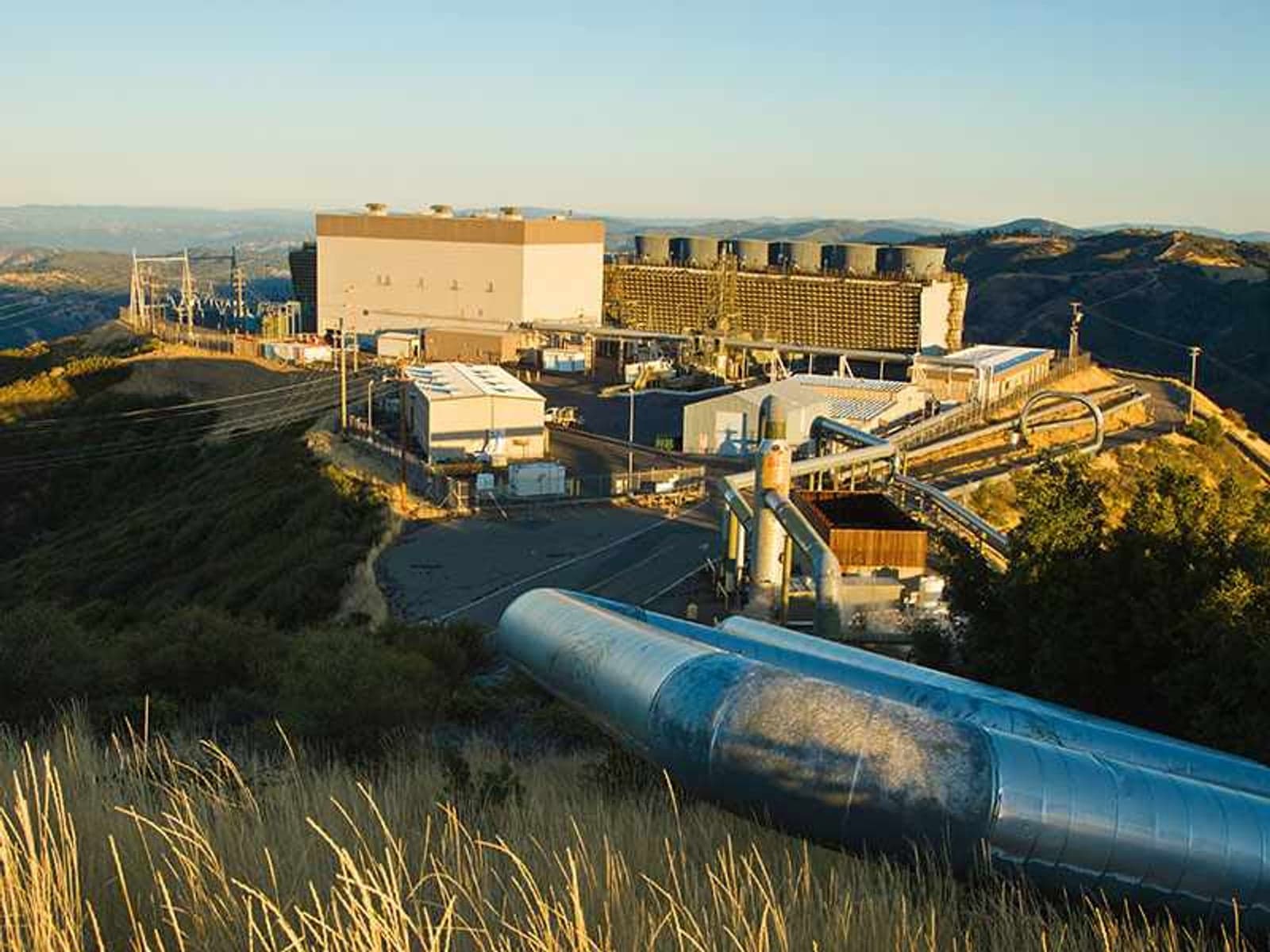
In recent years, there have been many advancements in power plant technology that improves efficiency, reliability, and profitability. A real-world example of such advancements in technology at geothermal plants is the Domo de San Pedro Geothermal Power Station in Nayarit, Mexico.
Domo de San Pedro is the first geothermal power plant in the world to add Mitsubishi Power’s TOMONITM intelligent digital solutions to improve efficiency and reliability.
TOMONI intelligent digital solutions were applied to Domo de San Pedro to sustain its long-term competitiveness through asset optimization, analytics for operator and maintenance support, and artificial intelligence.
The intelligent digital solutions applied include remote monitoring and real-time data analysis of the total power plant systems. Mitsubishi Power collaborates with the users of its equipment by combining its experience in plant design and operation with actual operating data to develop real-time models that identify opportunities to optimize plant performance and maintenance.
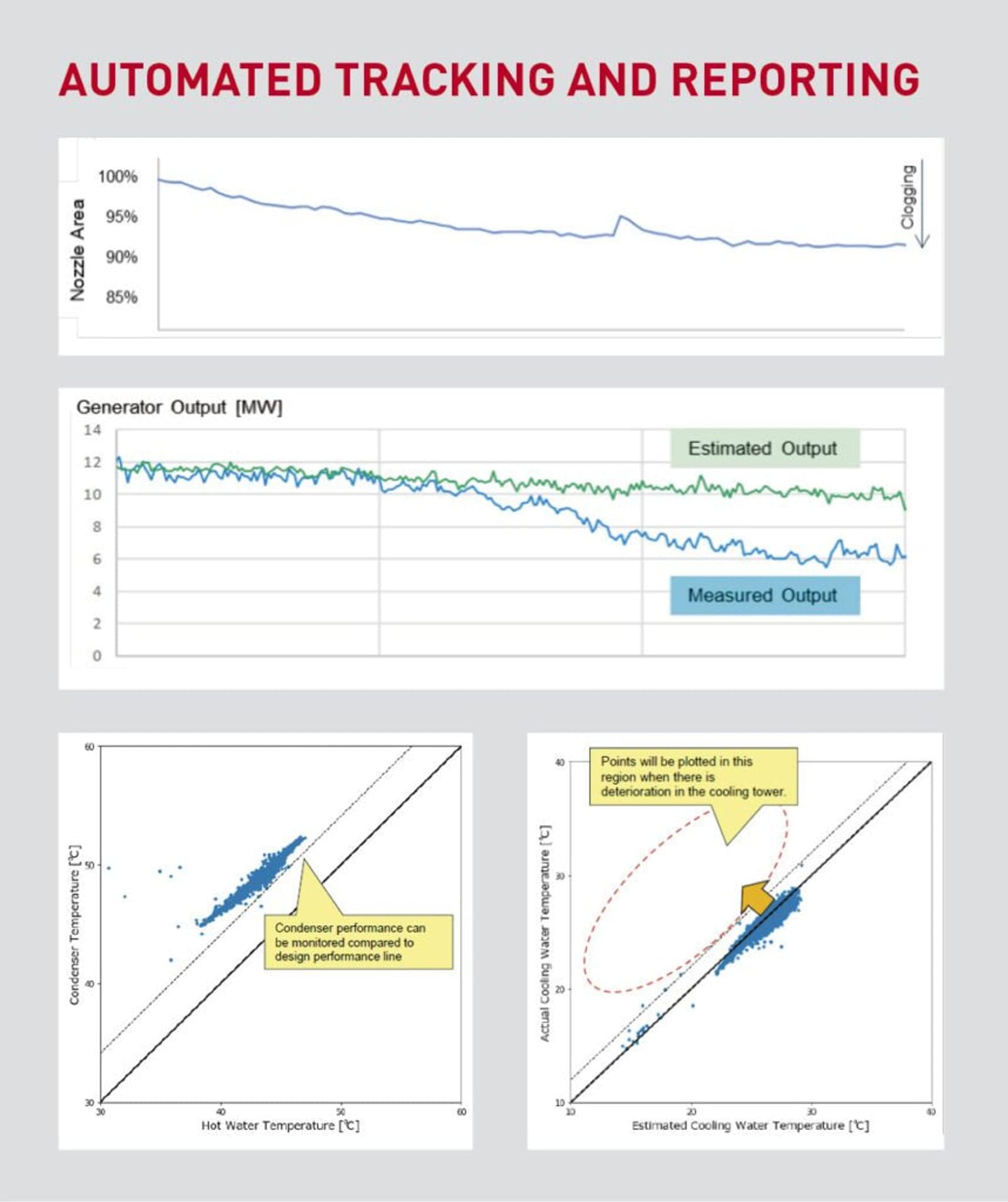
For example, equipment at geothermal plants is monitored online for degradation of thermodynamic performance, an indicator of scale accumulation caused by naturally occurring minerals in the steam and hot water. As a result, optimal outage plans can be developed based on the plant’s actual condition rather than on standardized remedial schedules.
Remote monitoring and support services can also shorten or even prevent unplanned outages by detecting anomalies and providing early countermeasure planning and operational guidance.
Domo de San Pedro now has the tools to diagnose and predict changing operating conditions and allow the plant to continuously adapt to maximize plant performance and reliability.
Those tools have been supporting detailed simulation and analysis of current geothermal resource conditions and have identified plant modifications that will increase net output of the existing generating unit by nearly 10%.
They have also identified several opportunities for the existing equipment to operate more efficiently and reliably, thereby increasing the long-term cumulative generation from the plant. (Results on other plants may vary based on plant configuration and well condition.)

Real-time Interactive Support
The TOMONI HUB Analytics and Performance Center in the Mitsubishi Power Nagasaki Shipyard and Machinery Works in Nagasaki, Japan, remotely supports operations and maintenance (O&M) for various types of power-generating equipment, with the full expertise of plant and equipment designers collaborating with the plant operators.
For over 20 years, Mitsubishi Power has been steadily expanding the capabilities of its TOMONI HUB network and has been successfully providing remote monitoring and increasing the use of advanced analytics and diagnostics to make power plants more reliable and profitable.
TOMONI HUBs provide connected software and services that monitor and provide early warning of impending issues or needed corrective action to avoid unit trips or load reductions while reducing energy-efficiency losses and avoiding unnecessary maintenance.
TOMONI HUBs are centralized resources that can support all types of energy systems, including the full range of power plants as well as long-term and short-term energy-storage systems. Proven benefits show thermal plants connected to TOMONI HUB have on average two to four fewer days of unplanned downtime per year and three to four fewer days of planned downtime per year than similar unconnected plants, providing millions of dollars of additional annual value for their owners.
Increasing the energy generated by geothermal plants significantly contributes to decarbonization goals to cut emissions and supply carbon-free energy. Combined with new technology advancements such as artificial intelligence, analytics and remote monitoring, geothermal power plants will improve their efficiency, reliability and profitability and provide a model for other types of low-carbon energy systems of the effectiveness of new digital technologies and intelligent solutions to improve efficiency and reliability.
Author: Hiroyasu Ishigaki, Digital Strategy Chief Manager, Technology Strategy Department, Energy Transition Division, Mitsubishi Heavy Industries, Ltd.
About Mitsubishi Power
As a leading innovator in power generation during this critical time for the power industry, Mitsubishi Power is the right partner to offer end-to-end solutions. Drawing on our unique and deep expertise, we pioneer breakthrough technologies — from advanced class gas turbines to AI systems for autonomous power plants to renewable energy storage — to meet the increasing demand for cleaner, more efficient, and more economical power. You can find out more about Mitsubishi Power at: www.changeinpower.com/tomoni
Latest content
Partner content
+4
Hydrogen: a new class of renewable energy
Hydrogen is increasingly recognised as a key enabler of the energy transition, both as a fuel to decarbonise heavy industry that cannot be simply electrified and as a storage medium for renewable energy. Another important application for hydrogen is its role in grid security, flexibility and stabilisation.
- Guest/partner contributor
- 02/04/2024