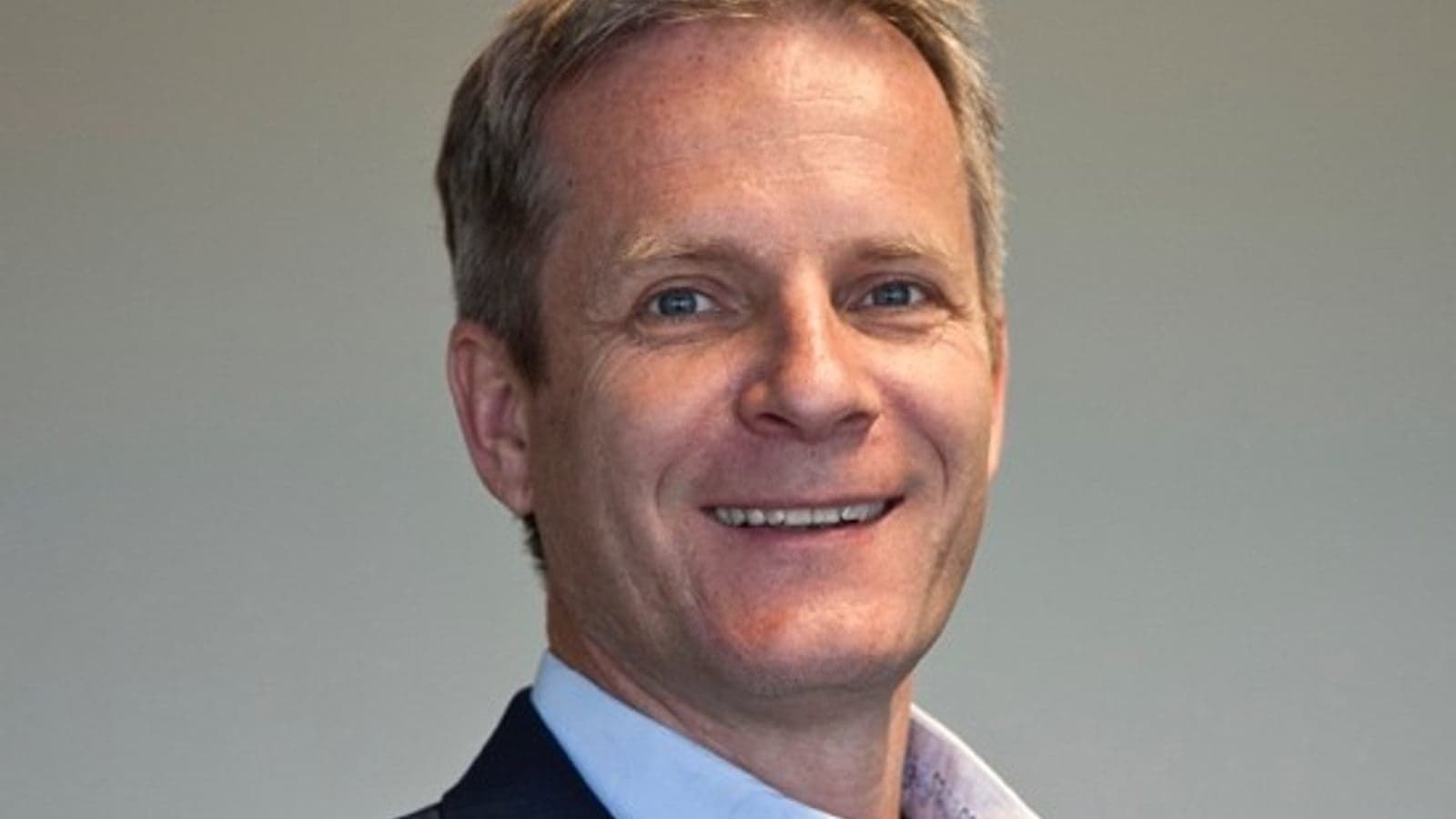
Jo Cox: A new kind of energy leader
Riaan Mostert
Posted on: 4 August 2025
IMServ's newly appointed CEO, Jo Cox, speaks with Kamogelo Motse about smart metering and how she wishes to be remembered as a different type of leader in a male-dominated industry.
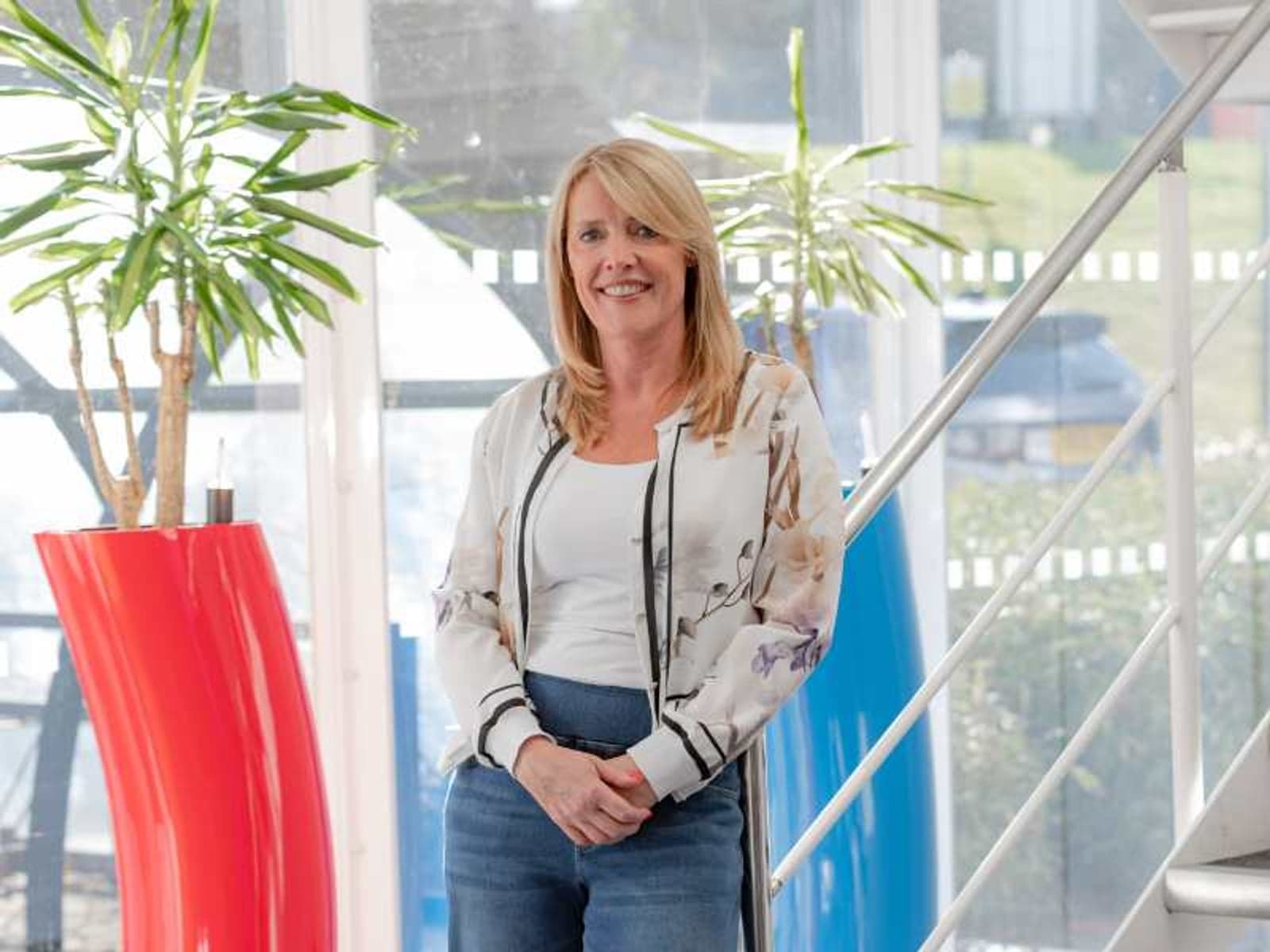
IMServ's newly appointed CEO, Jo Cox, speaks with Kamogelo Motse about smart metering and how she wishes to be remembered as a different type of leader in a male-dominated industry.
After finishing her A levels, Jo Cox took a gap year to earn some money before heading off to study drama. However, when she got her first job working at Vodafone's call centre, she realised that she loved working more than the idea of going to college or university.
Cox started her career calling people to convince them not to cancel their cell phone contracts - boasting an impressive 0% churn rate, meaning no one cancelled after speaking with her.
She proceeded to build her career through roles in sectors such as telecom and energy, steadily climbing the corporate ladder before landing senior roles.
In January, Cox became the CEO of smart metering company IMServ.
You joined IMServ 7 months ago. What excites you about the role smart metering will play in the UK’s energy transition?
The reason I'm excited about it is that I come into this role from quite a different angle in terms of the messaging to customers. I always put the ‘what's in it for them' equation first. I think we [the smart metering sector] just need to change our messaging and focus on the problem we are trying to solve instead of focusing on acronyms, technology, and the product itself. We should focus on the problem smart metering is trying to solve.
What are the biggest challenges you see in achieving full smart meter rollout across all customer segments and how is IMServ addressing them?
One of the challenges we are seeing that is preventing people from installing a smart meter falls into the industrial and commercial side of things. For example, a bank or a care home would have to power down to have the installation, and they do not want that.
To address this, we’re looking at innovative solutions that might resolve this session and will shortly be trialling them with our customers. It's all about creating innovative thinking in the business so we can solve these problems.
With smart meter data unlocking new possibilities in demand management and grid balancing, how do you see it reshaping relationships between utilities and consumers?
We have acquired Astral Tech, which is a fantastic new digital platform to help with this. That's important because it's the way that we surface the data to you as an end user. It's not about giving you a bill that you can't understand; it's creating a platform that you can log into, and it gives you dashboards to say: ‘here you are, this is what your energy usage is. If you do XYZ, this will reduce your cost.'
It's twofold. One, it’s about how you create the technical expertise to be able to get the meter installed in the right way. Two, how do you then use the data that we're getting from the meter in an easily digestible way.
Have you read?
Joanna Osawe on building a global platform to elevate women in renewable energy
Monica Collings on why diversity matters for energy sector resilience
How do we ensure that the benefits of digital energy services like smart metering reach vulnerable or digitally excluded customers?
It's around how we create the information for those vulnerable customers differently, even though we [IMServ] are not the end utility provider.
So it’s about working with our customers, such as British Gas and EDF, to provide them with snapshots of our digital platform so they can put them in their communications with their customers.
What can the energy sector learn from the telecom industry?
I think the energy sector does not use innovation enough. Because we're regulated and because it's always been this way, it's quite a risk-averse big machine that almost feels like it's too big to move.
But if you look at the telco sector, it innovates all the time. You're literally all standing back and watching tech innovate at a pace that's outpacing us. So we need to work on how we can adopt some of that innovation in bite-sized chunks.
How were you able to pivot from working in the telecom industry to the energy industry?
I think no matter what industry you're in, the problems are always the same. Does the customer know what you do? Do you communicate simply? Does everyone have clarity on what their role is? Does everyone have clear objectives? Do they know what they're doing when they show up every day? Do they know what their priorities are? And is there enough structure so that we can make the right decisions at the right time?
For me, it doesn't matter what you're doing or the industry that you're in; there should be a cadence and a methodology to the way we think and act.
You’ve held senior roles across major energy and telecoms companies. What has your experience been like navigating leadership as a woman in sectors traditionally dominated by men?
Nearly every job I've had it's been pretty much 99% men. I think if it's the right culture, you don't notice it so much. I have been fortunate in my career that there hasn't ever been a differentiation with the fact that I'm a woman.
Nearly all the mentors and coaches I've had have been men. They've respected me and trusted me and put me into scenarios that have allowed me to spread my wings and fly with great support.
How do you create a more inclusive culture for women and underrepresented groups within technical, operational teams and senior management teams?
It starts with me as the leader. It's about creating a safe space and having trust. I am very open and transparent, and I think people meet me and they realise ‘actually I can work for her because she gives me opportunities.’
What I really love and is a passion of mine is development, mentoring and coaching, because I have got to where I am because of this, so I do offer that to people as well.
What legacy do you hope to leave behind in the sector? How do you wish to be remembered?
I want to be remembered for being a different type of leader. I want to be remembered for people wanting to come to work for me because it's a great place to work. And I would love it if I heard on a podcast one day someone saying, ‘the best mentor or coach I ever had was Jo Cox.’
Related tags
Latest content
+1
Why connection and confidence are key for women in engineering
The engineering profession is evolving rapidly and requires collaboration, creativity, and the inclusion of perspectives that reflect the world we’re designing for. That’s where team culture and diversity play a central role.
- Guest/partner contributor
- 23/06/2025