MISSION: New and SF6-free components for the energy transition
Guest/partner contributor
Posted on: 15 October 2024
MISSION is a pioneering Horizon EU-project addressing a narrow, but impactful, part of the green transition
The electrification of large parts of currently carbon intensive sectors of society is necessary to achieve carbon neutrality. MISSION is a pioneering Horizon EU-project addressing a narrow, but impactful, part of the green energy transition, writes Marte Gammelsæter.
A resilient and sustainable power transmission grid is necessary to transport renewable power from producers to consumers in increasingly large quantities. The status of the transmission grids of Europe is a relatively high average age of components but still acceptable accessibility, allowing for reliable power supply.
Transmission system operators across Europe face a decade or more of high reinvestments to replace aging power infrastructure. On top of that, massive grid reinforcements are necessary to allow for remote and distributed renewable power production and its transfer to increasingly large consumers.
To make this even more interesting, the tried and trusted components of today's grid fall short of new technical and sustainability requirements.
New HVDC solutions needed
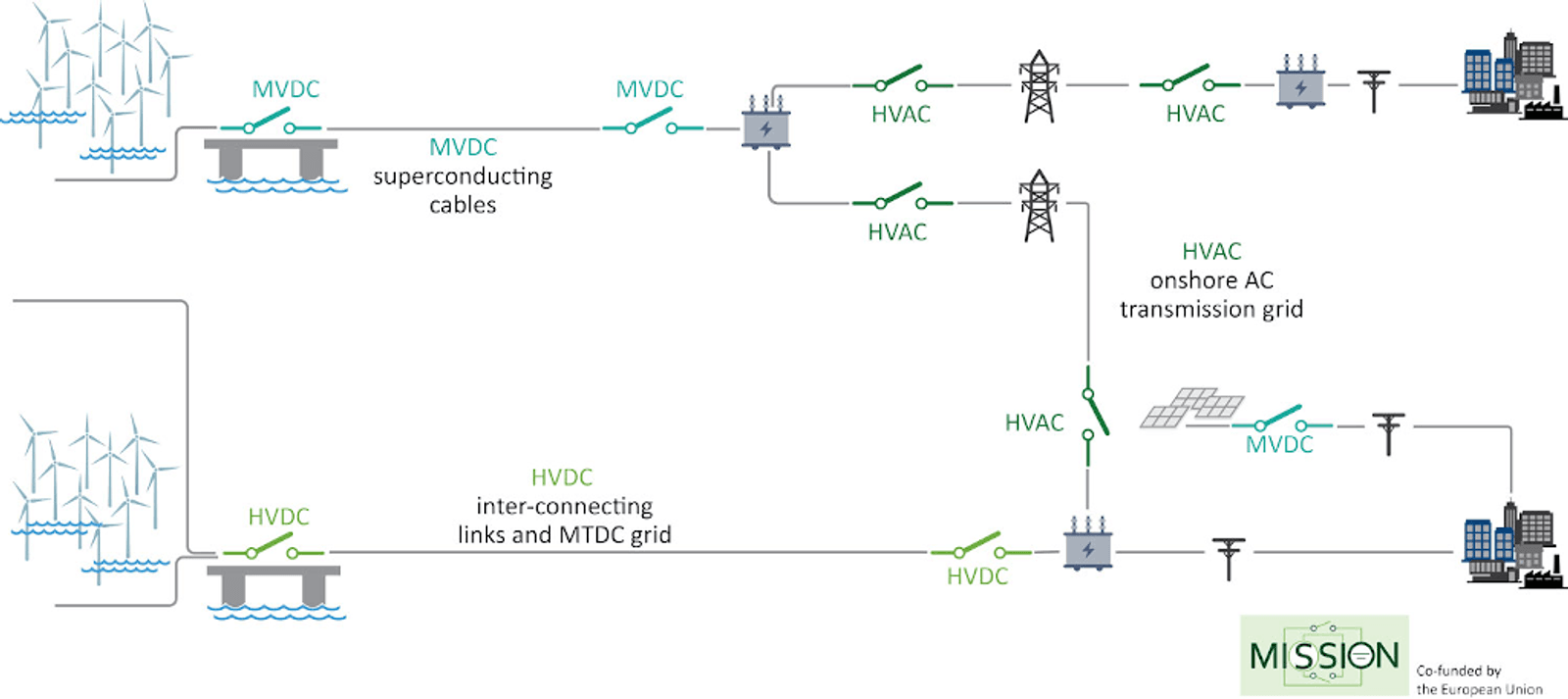
On the technical side, it has become evident that HVDC (direct current, as opposed to more common alternating current) grids will have to be a significant part of the future power system to allow for remote and offshore renewable energy production.
As of today, DC transmission is limited to a few point-to-point links, where all current breaking and grid structure is handled on the AC side. To be able to operate HVDC grids, HVDC circuit breakers need to be developed. Currently, DC circuit breaker technology is very immature with several different technologies being developed, and transmission level voltages are currently far away.
The MISSION project will develop a 12 kV DC circuit breaker and test its operation in a laboratory, paving the way for future DC grids.
The green shift away from SF6
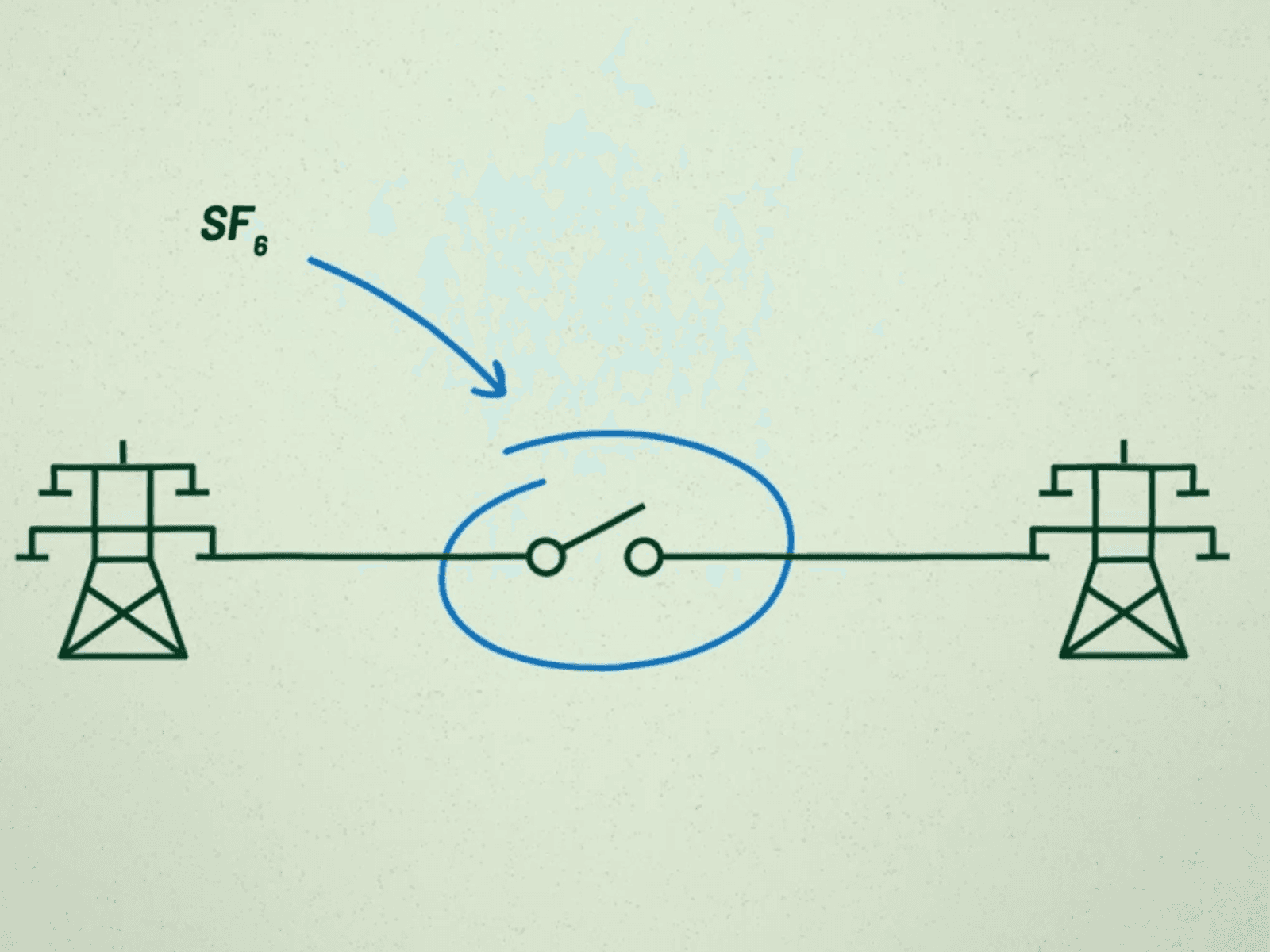
As for the sustainability shortcomings of today's grid technology, there is the most commonly used electrical insulation gas, SF6, which is the real culprit. While it has unmatched properties as an electric insulator and arc quencher, it is also the worst greenhouse gas known with a global warming potential of 24 300 times that of CO2.
Big efforts have been made to minimize losses of SF6 over the last decades, however, there will always be a risk, especially related to maintenance and fault handling. Even minor losses of SF6 have a huge impact. For comparison, the annual CO2 emissions from a regular petroleum-fuelled vehicle (2-4 tonnes) will equal 100-200 grams of SF6.
Currently, there is just one SF6-free technology available on transmission level voltages, and there are uncertainties related to the longevity for that technology. It is also at risk of being regulated both for elevated global warming potential as well as PFAS.
The MISSION project will develop and pilot two 420 kV Vacuum circuit breakers in the French and Norwegian transmission grids. This is a futureproof technology allowing transmission system operators to reduce fear over new regulations when investing in technologies that are expected to operate for an average of 40 years after commissioning.
Accelerated and reliable transition
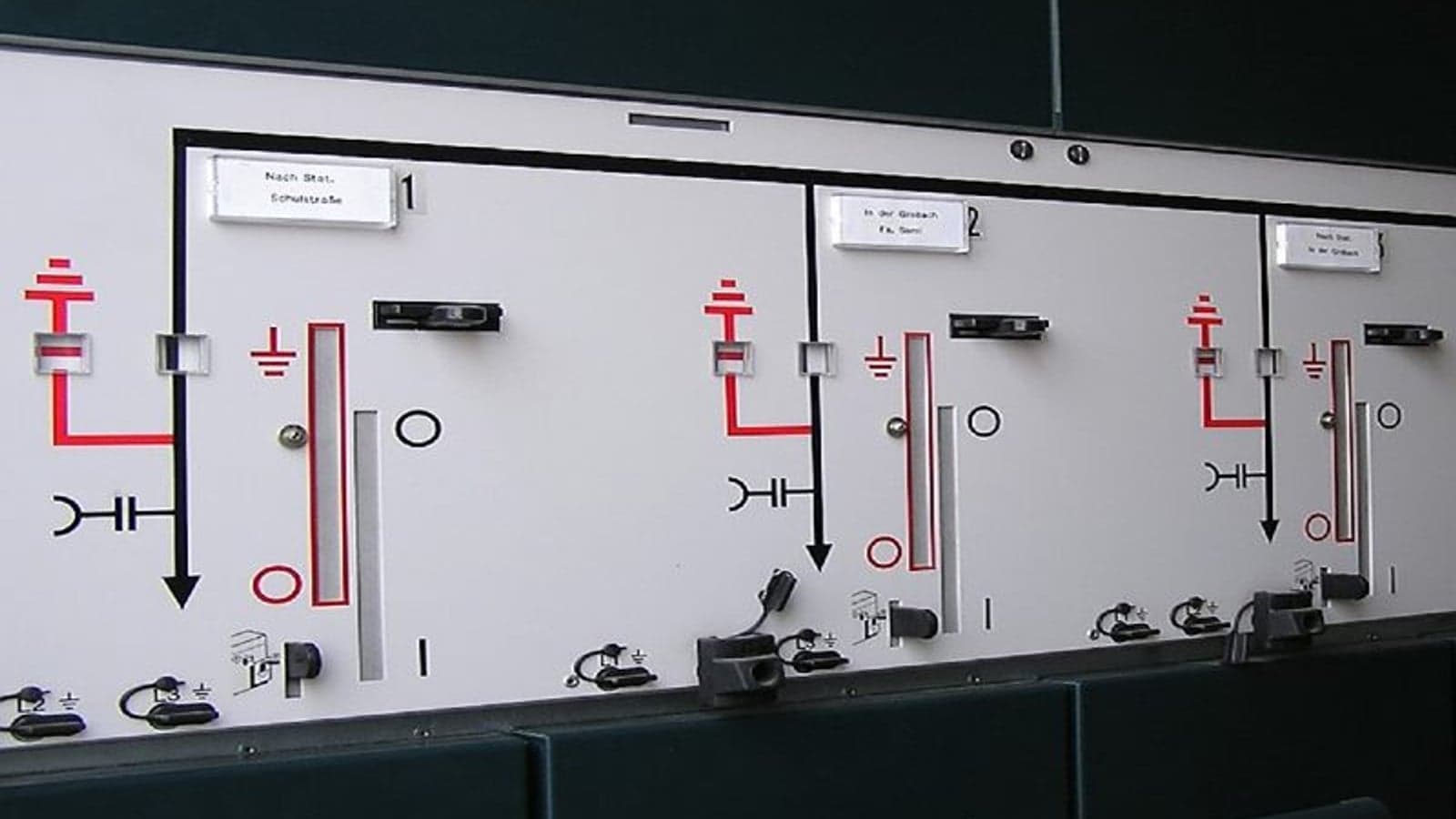
Another important technology to be developed in MISSION is HVDC GIS (Gas insulated Switchgear). GIS is commonly used in areas where there is limited space available for high voltage components. The gas filled compartments allow for significant reduction of distances between electric components.
Reduced size of electric infrastructure is particularly important offshore, where large HVDC stations will be installed to transmit offshore wind power to shore. MISSION will develop and type test a SF6-free 525kV HVIS GIS bay.
Power producers and grid operators are generally risk-averse, preferring to test new technologies thoroughly and over long periods before committing to large-scale rollouts, with continuous delivery to consumers at the core of their operations.
However, new regulations now require the complete removal of SF6 from new equipment within 10 years. Joint research and testing are crucial to achieve the highest level of reliability and performance of the new technologies to be implemented, especially given this new timeframe.
While SF6 is not something the average citizen will ever be aware of, its use and possible replacement technologies affect us all and the society we live in.
The MISSION project will, alongside the development of new technologies, perform important research on how the rollout of new technologies will affect the grid and security of supply for energy consumers.
Finally, MISSION will work to ensure that the challenges related to grid expansion and reinvestment to achieve electrification, and the green transition, are known to the public.

About the author:
Marte Gammelsæter is a Research Scientist at SINTEF Energy Research, department of power technology. She has wide experience with cables, switchgear and transformers as an engineer before becoming a researcher. In MISSION project Marte is part of the management team and will bring researchers, industry and end-users together in the exploitation WP.