SMEs not tapping into electrification potential finds Schneider Electric
Yusuf Latief
Posted on: 8 December 2025
A new report states that Europe’s SMEs represent 99% of businesses and over half of GDP, yet just 11% have made significant investments in sustainability.

Electrification and digitalisation together can cut energy use by 20-30%, finds a new report from tech major Schneider Electric and the nonprofit Solar Impulse Foundation.
The report, Unlocking SME Competitiveness in Europe, finds that of Europe’s 23 million small and medium-sized enterprises (SMEs), 93% have implemented at least one resource-efficiency measure.
However, says the report, only a quarter have adopted comprehensive carbon-reduction strategies, and only 11% have made substantial sustainable investments. This illustrates a clear gap between environmental ambition and actual adoption of electrification and digital solutions, underscoring the need for targeted modernisation strategies.
The report says that, through electrification and digitalisation, these SMEs and Mid-Caps in Europe gain a path to greater efficiency, lower emissions, and stronger resilience. However, adoption faces hurdles, technical limits, high upfront costs, and regulatory complexity.
Commenting in a release was Laurent Bataille, Executive Vice President of Europe Operations at Schneider Electric: “Europe’s industrial future is at a crossroads, particularly when we see the untapped role that SMEs can play in solving our energy challenges and in driving competitiveness. Electrification and digitalisation are not ambitions; they are imperatives.
“The technologies exist – what matters now is adoption at scale, and speed of execution. Scaling these solutions across SMEs will strengthen Europe’s industrial sovereignty and cost competitiveness, reduce reliance on imported energy, and build resilience against global shocks”.
Electrification and digitalisation are not just technical upgrades – they are levers for transformation and resilience.
Electrification and digitalisation
According to the report, SMEs’ smaller scale and limited negotiating power, as well as resource constraints, make them disproportionately exposed to energy price volatility. This underscores the importance of policy support, innovative business models and digital solutions to help SMEs manage costs and build resilience.
The report also highlights record growth in renewables, with these surpassing 30% of electricity generation in Europe in 2023, helping to reduce the continent’s exposure to volatile fossil fuel prices. Said Bertrand Piccard, Founder and Chairman, Solar Impulse Foundation: “Efficiency is Europe’s hidden superpower. Every kilowatt-hour saved, every streamlined workflow, every smarter process strengthens our competitiveness and profitability.
“Electrification and digitalisation are not just technical upgrades – they are levers for transformation and resilience. By embracing these solutions, SMEs can do better with less consumption of energy and resources, reduce their environmental impact, and unlock new opportunities for economic growth. Efficiency is not a cost, it is a valuable investment”.
Said Véronique Willems, Secretary General, SME United: “Energy efficiency investments and electrification offer SMEs far more than cost savings – they cut carbon emissions, create jobs, and boost green credentials.
“Yet too often, red tape and missing support stand in the way. With targeted funding and tailored guidance, SMEs can better unlock these multiple benefits.”
Barriers and opportunities
The report cites a series of interlinked technical, financial, market, and regulatory challenges that slow down deployment of electric and digital tech for these companies. It adds, however, that each barrier also reveals a parallel set of opportunities.
Technical
The report cites how Europe’s energy system was designed for a centralised, fossil-fuel era; digitalisation and electrification have created new pressures.
This is especially true for SMEs and Mid-Caps, compounded by firm-level constraints, including legacy production lines, rigid processes, and limited engineering capacity, which make the integration of new electrified systems sometimes complex and disruptive.
The report cites specific technical challenges for these firms, including process and grid integration, supply chain vulnerability, and human capital and knowledge gaps.
However, it adds that digitalisation is the bridge between technical challenge and operational benefit. The report lists IoT-enabled devices, predictive analytics, and AI-driven energy management as examples that allow SMEs to integrate electrified processes with minimal disruption, optimise operations in real time, and enhance resilience.
Additionally, investing in human capital, through training, upskilling, and knowledge-sharing, enables SMEs to leverage these digital tools effectively, turning technical expertise into a competitive advantage. Grid constraints, while real, also create opportunities for innovation in local storage, microgrids, and demand-side flexibility.
Financial
The report cites the upfront capital required for electrification and digitalisation, often while legacy fossil-based systems remain in place. For SMEs and Mid-Caps with small balance sheets, uncertain returns, and limited borrowing capacity, these investments may be perceived as risky.
Adding to this, electricity price volatility makes payback periods unpredictable, while complex funding schemes are difficult to access without specialised teams, says the report, citing the OECD and EIB. This creates a paradox: while SMEs understand that electrification can reduce long-term costs, the high upfront investment and uncertain returns make it difficult for them to act.
On the other side of the coin, the report also notes that innovative business models are transforming how SMEs access and finance energy and digital solutions.
By shifting costs from capital to operational expenditures, these approaches lower entry barriers, ensure professional operation and maintenance, and can open up new revenue streams.
Beyond this, the report adds, as-a-service and cooperative approaches can tap into diverse financing sources, from private investors to public funds or blended mechanisms, reducing risk and making it easier for SMEs to adopt electrification and digitalisation.
Have you read?
Adopting zero-trust principles is how utilities build grid stability and cyber resilience
How Kraken’s utility grade AI is boosting grid resilience
Smarter demand response for local energy communities: ODEON’s innovative approach
The market
According to the report, SMEs and Mid-Caps and disproportionately exposed to energy market risks as they buy electricity at retail prices, are likely to be excluded from participating in wholesale or flexibility markets and are prone to skills shortages and regional disparities in infrastructure, limiting their access to electrification services.
However, the report notes that aggregation and digital platforms can help turn these disadvantages into advantages.
Citing a publication from Norton Rose Fulbright, the report notes that aggregated PPAs or buyers’ clubs give SMEs access to predictable renewable energy contracts normally reserved for large players.
Additionally, it says, digital platforms enable SMEs to pool demand, share data, and participate in demand response markets, and take advantage of dynamic pricing and off-peak tariffs, particularly when combined with battery management systems solutions to optimise costs and flexibility.
Finally, citing an article from the European Commission, it notes that workforce partnerships between SMEs, vocational schools, and regional governments can turn the skills gap into a source of local competitiveness.
Regulatory
In terms of regulations, the report says that permitting and grid connection processes remain slow, particularly for industrial sites. Incentives have historically favoured renewable generation over industrial electrification, leaving SMEs underserved.
Additionally, it adds that a lack of harmonised standards creates uncertainty for manufacturers and adopters, while fragmented energy taxation and carbon pricing distort cost competitiveness between fossil-based and electrified processes.
However, says the report, addressing market fragmentation at the EU-level could transform barriers into accelerators.
Harmonising administrative procedures, permitting, technical standards, taxation, and carbon pricing would create a more integrated European market, giving SMEs access to predictable, scalable opportunities and enhancing competitiveness for both small and large companies.
The report calls for streamlined policies, combined with SME-focused incentives and support for demand-side solutions, which would reduce delays, lower uncertainty, and strengthen the business case for industrial electrification. This approach, they add, would simplify compliance and encourage cross-border collaboration, shared innovation, and market growth.
Policy recommendations
To help SMEs become more insulated from price shocks, the report notes the following policy recommendations:
- Finalise the revision of the European energy taxation directive to make electricity more competitive;
- Harmonise and simplify permitting, grid connection, and technical standards for SMEs;
- Deploy public funds strategically to de-risk high-capital projects and enable rapid SME modernisation;
- Support service-based and collaborative business models, including Energy-as-a-Service, cooperative purchasing, and public-private partnerships.
Related tags
Latest in Digitalisation
All articlesPartner content
+1
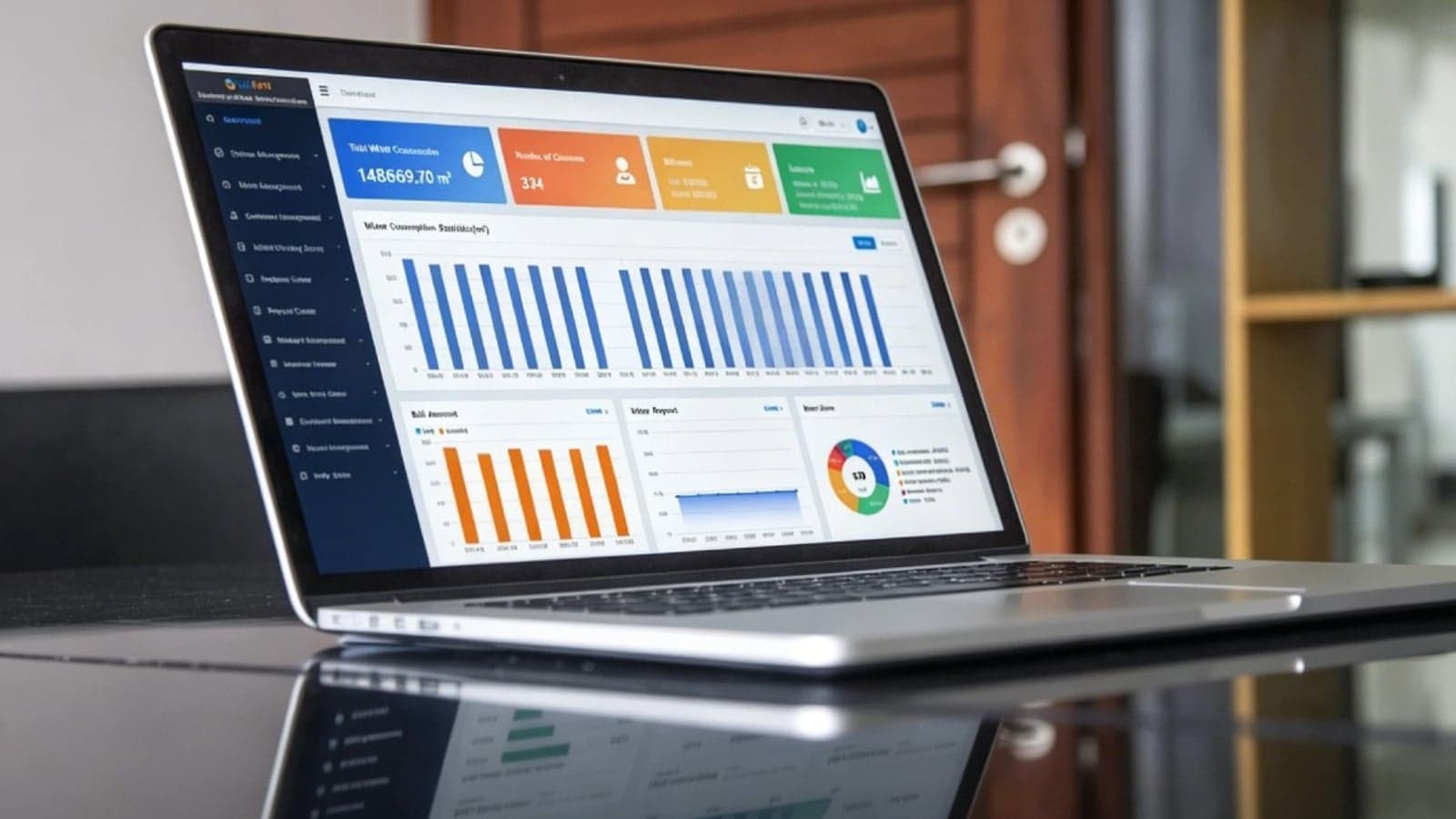
Digital water management: Empowering utilities with scientific decision-making
As urban water distribution networks continue to expand and water resource management becomes increasingly complex, water utilities are facing growing operational challenges.
- Guest/partner contributor
- 03/07/2026