Stocktake of EU district heating and cooling shows market resilience
Pamela Largue
Posted on: 11 June 2024
Despite challenges, Europe's district heating and cooling systems have proved resilient, maintaining a stable market share and supplying around 13% of final energy use.
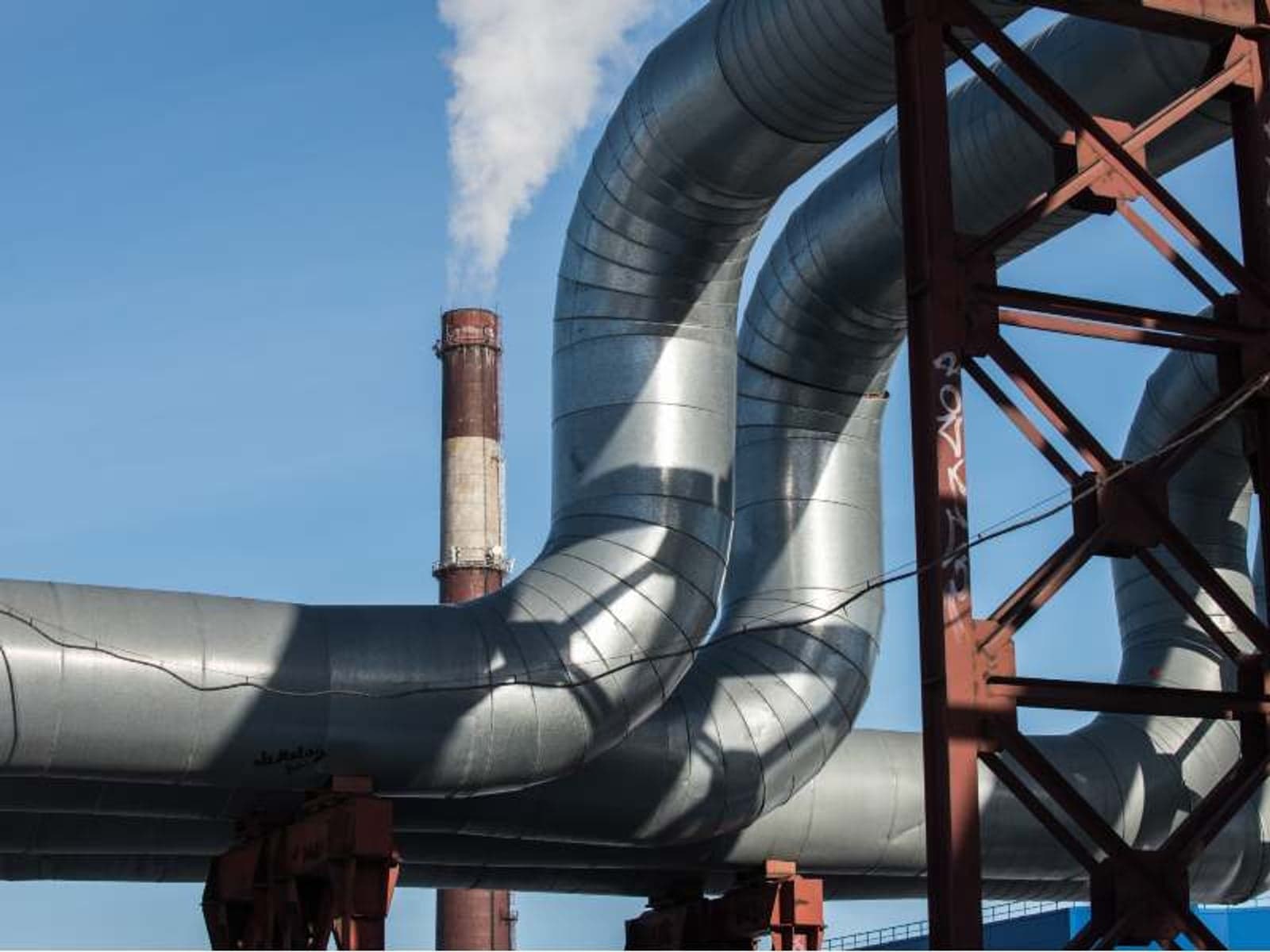
Despite challenges caused by the Ukraine war and the subsequent energy crisis, European district heating and cooling systems proved resilient, maintaining a stable market share and supplying around 13% of final energy use for space and water heating across households, services, and industry sectors.
This is one of the key findings of the DHC Market Outlook 2024 report released by Euroheat & Power.
The report was released at the EHP Congress 2024 in Rotterdam and provides an update on the state of district heating and cooling across Europe.
Commented Niels Fuglsang, member of the European Parliament in the report: "Securing stable and reliable heating and cooling for European citizens will benefit not only our climate goals but also Europe’s energy independence from unreliable third states, reducing energy prices for citizens and companies. Therefore, taking stock of district heating and cooling developments is now more important than ever."
Have you read?
Financing Europe’s decarbonised heating and cooling sector
Brescia hosts landmark heating and cooling decarbonisation talks
Heating and cooling experts deliver verdict on REPowerEU plan so far
The report highlights the following:
- While district heating fuel mixes vary by country, 2022 saw renewables and waste heat reach 42.6%, even amid market challenges.
- The number of connections to district heating systems grew by 5,5% in the EU’s largest markets. New sustainable district heating and cooling projects are planned in several Member States, as well as an increasing number of connections across key markets such as Germany, Spain and France.
- District cooling is gaining traction, with sales increasing by 8% between 2021 and 2022, and with Spain rising as a new Member State champion promoting the development of ambitious heating and cooling policies.
Levelling the playing field
However, while promising project pipelines exist, the report highlights some critical obstacles in the deployment of efficient district energy systems; namely, a lack of a level playing field and economic incentives to switch away from fossil-based heating.
In 2023, the average prices in the EU for wholesale and retail gas went down respectively by 66% and 16%. The market fundamentals of the pre-crisis remain unchanged, holding back the deployment of much-needed clean heat solutions, such as district heating and cooling.
Furthermore, the report refers to the German government’s u-turn on the ban on individual boilers as having left "a regulatory and legal vacuum" that has been damaging.
The lack of clear and ambitious regulatory frameworks to phase out individual fossil boilers in buildings is also having a negative impact, "as is the absence of appropriate energy planning strategies and financing instruments to foster the deployment of efficient district heating and cooling systems," states the report.
Providing system flexibility
The report highlights the important role of district heating and cooling projects in terms of providing much-needed system flexibility.
District heating and cooling networks are highly flexible and integrated with a variety of energy infrastructure (gas, electricity). This makes them an asset for enhancing the resilience of the entire energy system, which has been put under pressure by underinvestment in critical energy infrastructure and the increasing share of variable renewable sources.
The report emphasises that district heating and cooling is expected to play an increasingly prominent role in the heat market, reaching an estimated 48% share by 2050.
It is therefore important to unlock its potential to contribute to energy system flexibility by addressing several key business aspects:
- Develop innovative business models rewarding flexibility for the use of renewable electricity in levies to adapt markets to flexibility services;
- Secure investment and funding programs to bridge the gap for necessary infrastructure upgrades, including district and cooling networks;
- Enforce joint planning of electricity and district heating and cooling grids.
Finance mechanisms needed
According to the report, district heating and cooling projects require substantial upfront investment,
typically financed through equity, debt instruments, or a combination.
Due to high initial capital expenditures and lower ongoing operational expenses, requiring patience and sometimes public intervention, adopting a long-term perspective is important.
The report calls for robust local regulatory frameworks to improve project bankability, reducing upfront capital and long-term returns.
Additionally, regulations need to mitigate risks for municipalities and public companies, allowing district heating and cooling operators to maximise investments while maintaining affordability for consumers.
Focus on skills
The 2024 edition of the DHC Market Outlook incorporates a novel chapter on skills.
The report emphasises that a lack of skilled professionals is a potential bottleneck to the deployment of district heating in both new and mature markets.
Also, an ageing workforce is putting pressure on industry development as retirees are not being replaced by younger engineers and technicians.
The report calls to urgently address the workforce problem to advance the decarbonisation of the sector. Investing in training, skills transfer and education will ensure sector growth and a smoother green transition.
Originally published on powerengineeringint.com
Related tags
Latest content
Partner content
+5
SAP supports utilities across the EU to enable the energy transition
The energy crisis has two faces: the need for decarbonisation in order to limit global temperature increase and rising highly volatile energy prices due to energy market turbulence caused by the war in Ukraine.
- Guest/partner contributor
- 01/05/2023
+4
The cost of keeping warm: Delivering a just clean heat and cooling transition for European citizens
How the Emissions Trading System 2 (ETS2) raises funds for member states to invest in modernising their energy systems, offering a lifeline to millions of European citizens struggling to pay their energy bills, is explained by Delia Villagrasa, director the Cool Heating Coalition, and Beatriz Yordi, Director Carbon Markets and Clean Mobility, DG CLIMA, European Commission.
- Guest/partner contributor
- 15/07/2025