Strong fossil fuel decline in EU district heating and cooling finds report
Yusuf Latief
Posted on: 4 June 2025
A strong decline in fossil fuels has been seen in EU district heating and cooling, according to Euroheat & Power’s latest DHC Market Outlook.
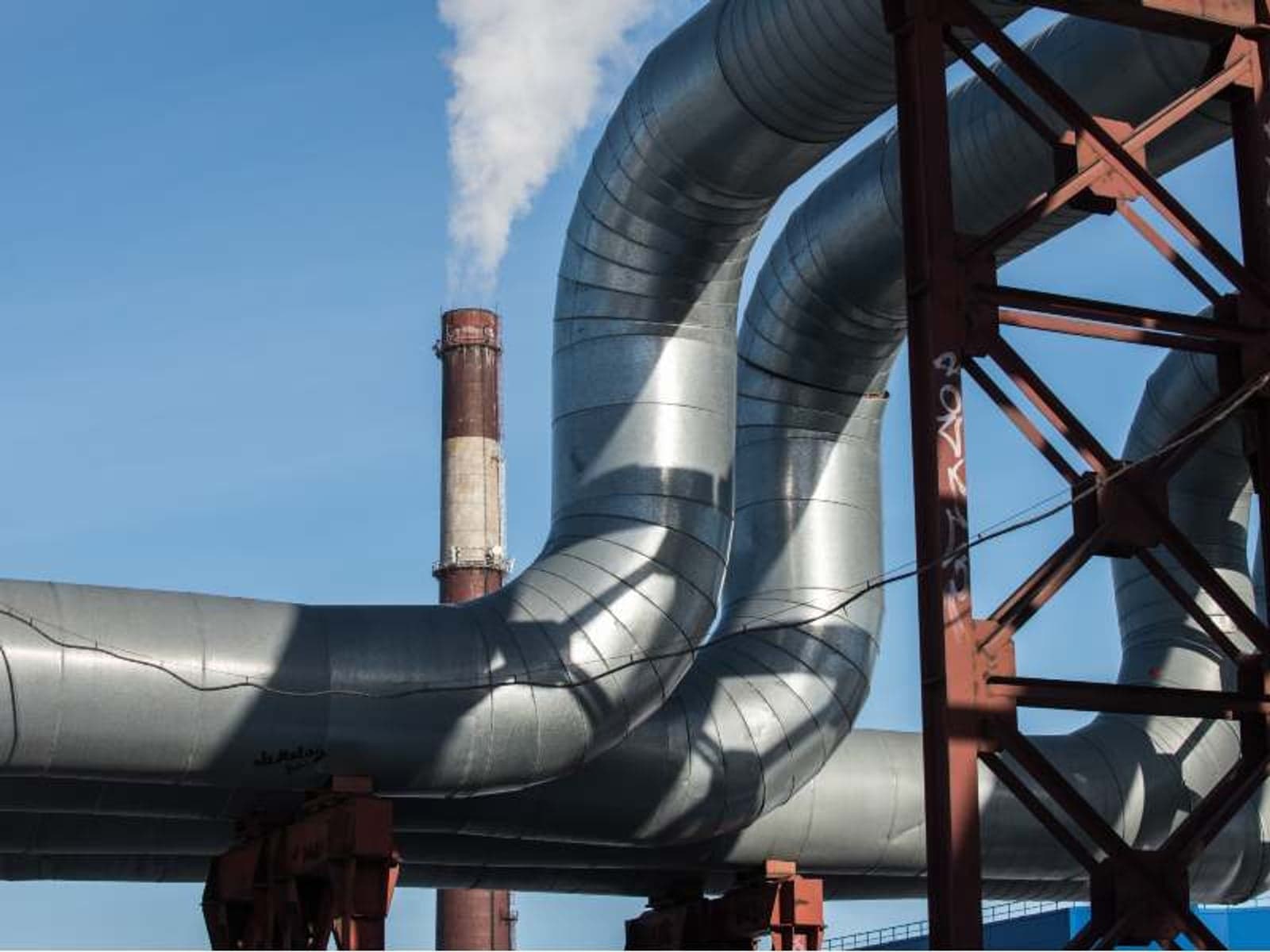
A strong decline in fossil fuel use has been observed in the EU district heating and cooling sector, driven by increasing rates of electrification and waste heat, according to Euroheat & Power’s latest DHC Market Outlook.
According to the report, released today during the association’s Euroheat & Power Congress, for the first time, fossil fuels in the sector have declined significantly, with the contribution of coal and natural gas down respectively by 12.3% and 3.7%.
Namely, the report finds that renewable energy and waste heat sources now represent 44.1% of the district heating and cooling energy mix, an increase of 9.4% since 2022.
Whilst the share of biomass stabilised around 34.7%, mainly by decarbonisation efforts in Poland, the most impressive figures relate to the development of electrification and waste heat recovery.
According to the report, compared to 2022, the share of large heat pumps and electric boilers in total district heat supply increased by 44% and 80%, respectively, while the waste heat supply grew by 20%, reaching 4.1% of the energy mix.
Commenting in a release was Aurélie Beauvais, managing director at Euroheat & Power: “This year’s edition shows that our sector is on the cusp of a revolution, with a real breakthrough in waste heat recovery and electrification.
“It also demonstrates the importance of stable and supportive regulatory frameworks to deliver projects and investments on the ground. The upcoming EU strategy on heating and cooling must now support the implementation of the Fitfor55 package and propose robust instruments and funding programmes to help our sector reach its full potential, for the benefit of our citizens and industries."
Also of interest:
Heat for hops: How Heineken is using solar thermal to decarbonise Valencia brewery
Energy Transitions podcast: Is power-to-heat the missing link to industrial decarbonisation?
District heating infrastructure and uptake
According to Euroheat & Power, heating and cooling networks also beat the odds in terms of infrastructure growth.
The report finds that, despite a 3% drop in heat sales due to mild weather and efficiency measures driven by high energy prices, district heating and cooling networks continued to expand in 2023.
Specifically, over 3,500km were added, with Italy, Austria and Denmark reporting growth above 2.5%, and 31,200 new buildings connected in Germany. By 2030, energy and climate plans from major EU markets, including Germany, France, the Netherlands, and Poland, forecast at least 8.5 million additional household connections.
According to the report, in Germany, district heating supplied 6.4 million households in 2023, with 31,200 new buildings connected to the network. In this market, the leading heating solutions supplying new buildings are individual heat pumps (55.9%), district heating (26.6%), and natural gas boilers (10.3%).
France recorded 2,200 additional buildings connected to district heating for the year 2023 - an annual growth of 6%.
Regulatory uncertainty
Despite the promising data, Euroheat & Power says that regulatory uncertainty is still holding back investment in certain countries, calling for the right political signals and financing instruments.
The association cites hopeful upcoming policies, including the publication of a revised Heating and Cooling Strategy in Q1 2026. They also cite the Affordable Energy Action Plan, which emphasised the necessity of deploying and modernising local heat networks to reduce price volatility and maximise the integration of renewable energy sources.
Additionally, they add that the Industrial Decarbonisation Bank, revamped Innovation Fund, and upcoming simplification of the EU State Aid framework will be instrumental to de-risk and finance district heating and cooling projects, and to facilitate cross-sectoral partnerships, such as waste heat recovery facilities in industries.
Said Eloi Piel, market intelligence director at Euroheat & Power: “The report shows a step forward in decarbonisation, in response to the EU energy crisis and REPowerEU plan.
“It is even more encouraging as the report does not yet reflect the expected benefits of the implementation of the Fitfor55 package, which sets ambitious targets for the increase of renewable and waste heat shares in our sector.
“Continuous improvement in data collection for the heating and cooling sectors remains essential, especially to highlight the potential of system integration (i.e. power-to-heat solutions and waste heat recovery), at the EU level.”