THUNDER: Advancing waste heat recovery from data centres
Guest/partner contributor
Posted on: 6 October 2025
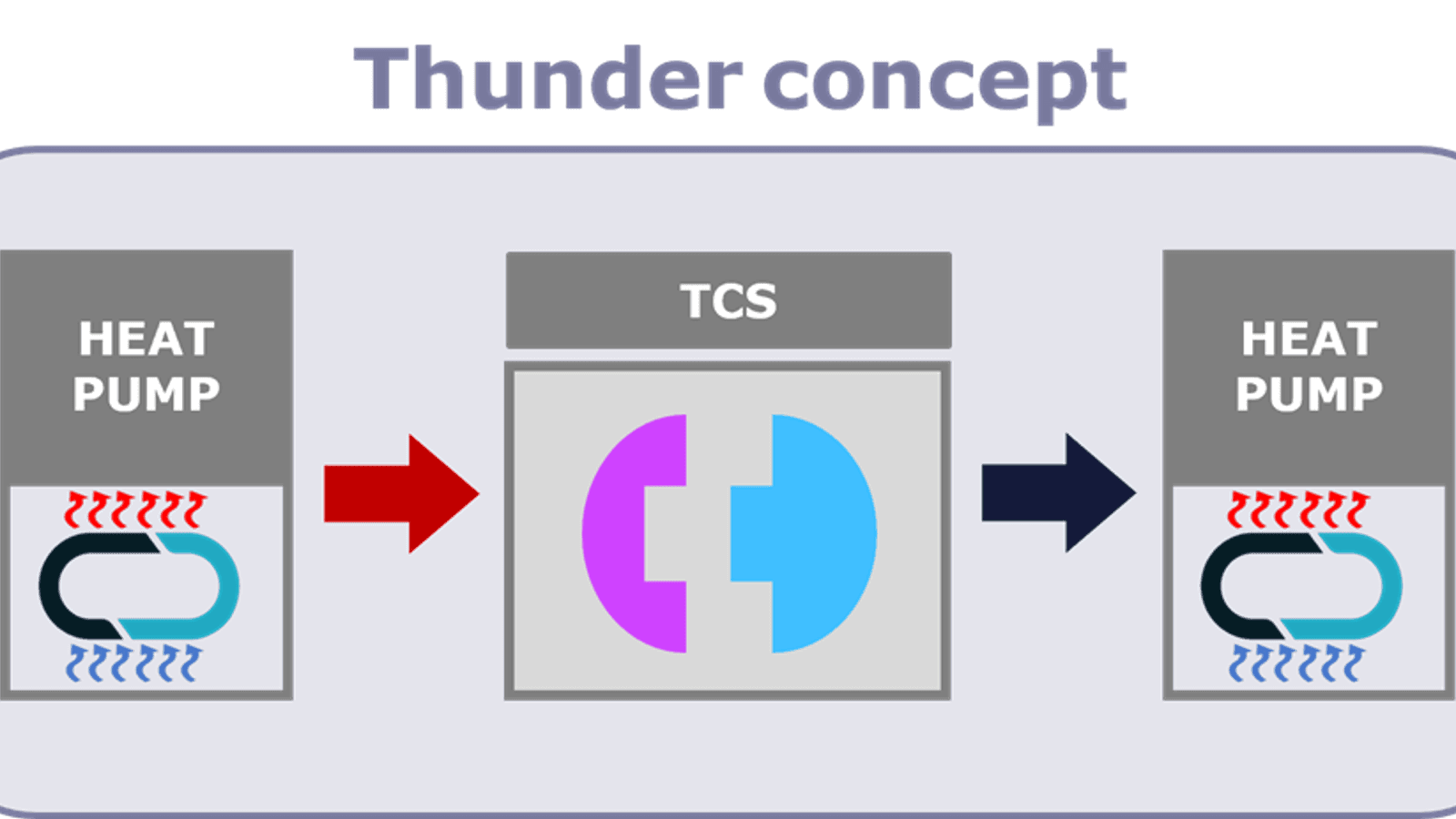
The EU-funded THUNDER project is developing innovative solutions for waste heat recovery from data centres using thermochemical storage technologies and high efficiency heat pumps.
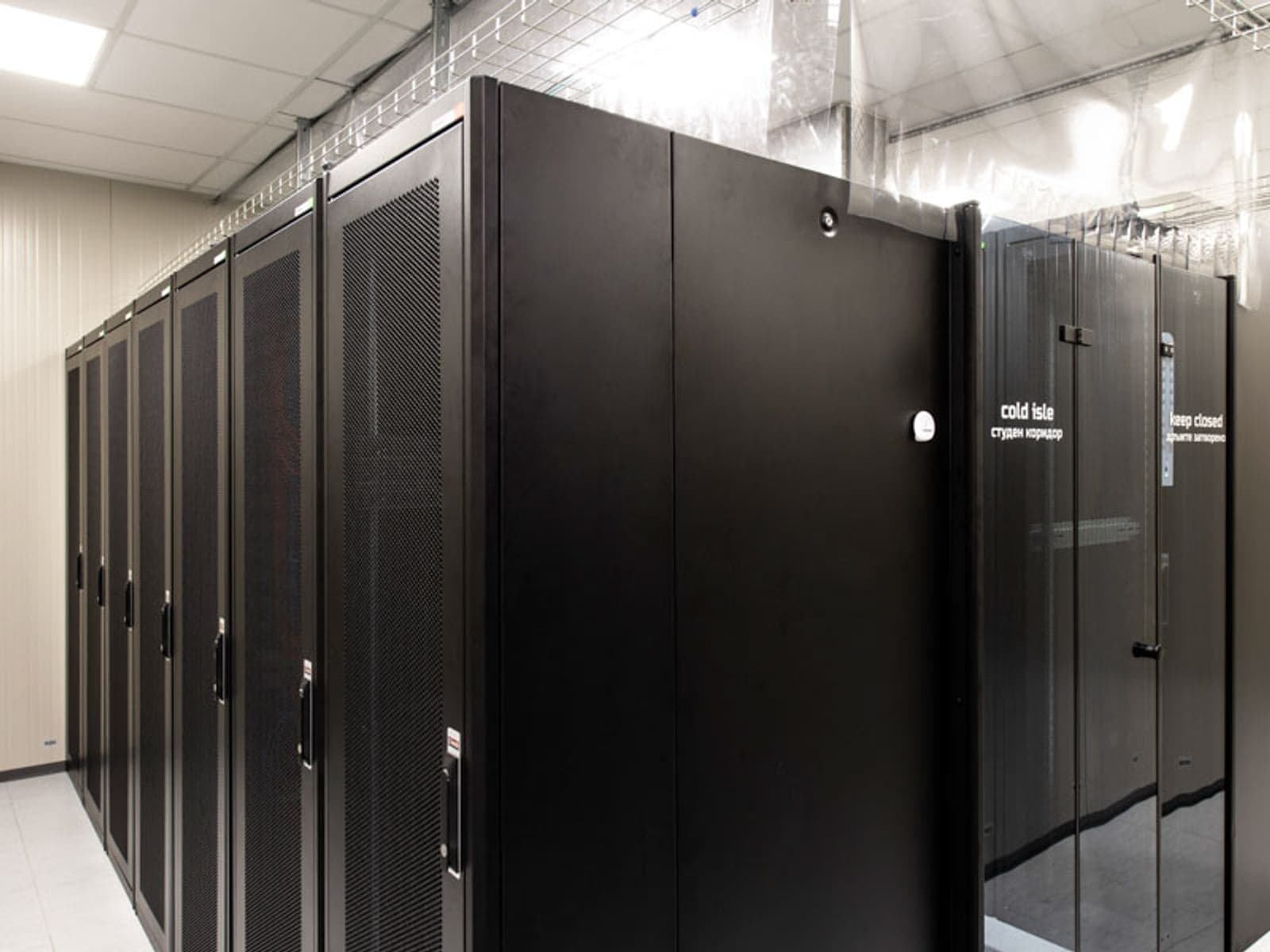
The EU-funded THUNDER project is developing innovative solutions for waste heat recovery from data centres using thermochemical storage technologies and high efficiency heat pumps.
Data centres are critical infrastructure powering Europe’s digital transformation, but they also represent a growing environmental challenge. With increasing demand driven by cloud services, streaming and IoT technologies, data centres in the EU are projected to consume 98.5TWh/year by 2030, accounting for 3.2% of total electricity use.
A significant portion of this energy is converted into heat during operation, necessitating energy intensive cooling systems. Even in energy efficient setups using best practices such as free cooling or cold aisle containment, large quantities of low grade waste heat are rejected and typically go unused. In total, Europe’s data centres generate approximately 50TWh/year of potentially recoverable waste heat – enough to meet the heating needs of 2.5% of the EU’s building stock.
Despite this potential, the recovery and reuse of data centre waste heat remains underexploited, primarily due to the low temperatures of the rejected heat, technical challenges in integration and limited awareness. However, increasing regulatory pressure, including EU ecodesign regulations, green public procurement criteria and proposed amendments to the Energy Efficiency Directive and Renewable Energy Directive, are creating a favourable policy environment.
The THUNDER (THermochemical storage Utilization eNabling Data centre seasonal Energy Recovery) project is a timely and ambitious response to this opportunity, aiming to enable sustainable, scalable and replicable waste heat recovery systems for data centres in urban settings.
THUNDER methodology
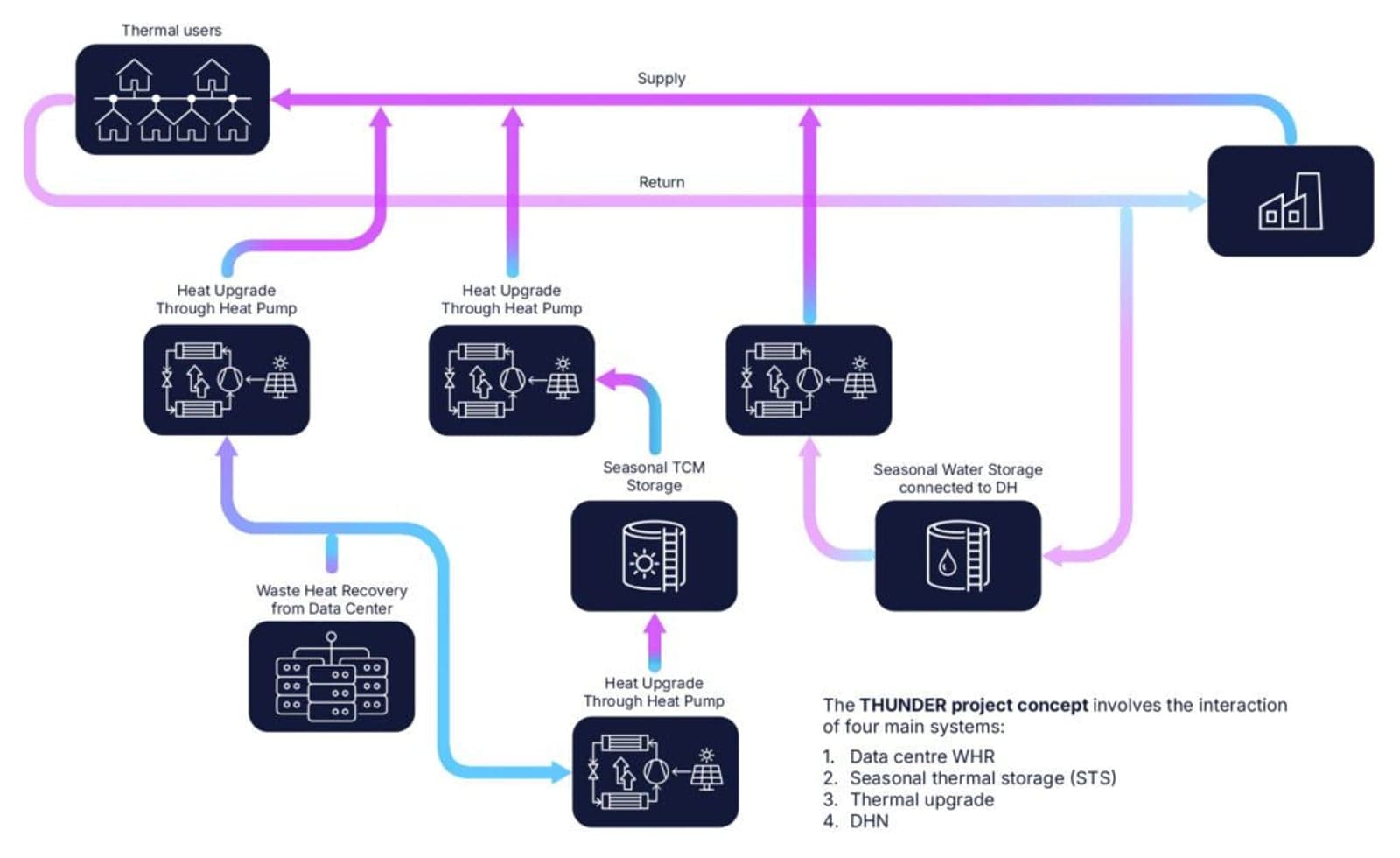
The THUNDER project applies a holistic and innovative approach, integrating actors across the waste heat recovery value chain, including data centre operators, storage technology developers, heat pump manufacturers, district heating managers and optimisation and control experts.
At its core, THUNDER focuses on developing seasonal thermal storage systems using thermochemical materials that allow for compact, high density, low loss storage of heat across seasons. These systems operate through sorption and chemical reactions, enabling accumulation of low-grade waste heat during summer and its release in winter, when heat demand is highest.
Key technological components include:
• Modular thermochemical material-based storage units, designed to handle various scales and space constraints.
• Customised high temperature heat pumps acting as 'voltage transformers' for thermal systems, modulating temperature flows to match district heating requirements.
• Smart integration frameworks connecting data centres and district heating networks, similar to how smart grids manage electricity.
The system will be demonstrated at full scale in Varna, Bulgaria, where waste heat recovery from data centres is not yet common. Additionally, a replicability and pre-feasibility assessment will be conducted for 10 further sites across Europe.
Shaping expectations
Although the project is still in its design phase, THUNDER is already shaping expectations through:
• Demonstration of feasibility: In Bulgaria, real-world conditions will test how efficiently thermochemical material-based storage and heat pumps can operate together in an urban district heating context.
• Improved energy efficiency: The expected outcome is a substantial reduction in waste heat emissions, offering a new, renewable-like energy source for urban heating.
• Replication roadmap: Through assessments in 10 additional EU locations, the project will provide a comprehensive analysis of geographic, economic, and policy conditions for large-scale rollout.
The integrated system addresses one of the core challenges in waste heat recovery: the temporal mismatch between heat availability (summer) and demand (winter). By solving this gap, THUNDER helps decouple data centre operation schedules from urban heating needs, improving the year-round efficiency and sustainability of both systems.
Furthermore, the use of advanced materials and flexible designs enables adaptation to urban environments, where space and integration barriers have historically limited waste heat recovery adoption.
A new frontier
THUNDER represents a new frontier in data centre sustainability. By combining cutting edge thermochemical storage, high efficiency heat pumps and district heating integration, the project offers a replicable model for turning digital sector waste into clean urban energy.
The outcomes of THUNDER are expected to:
• Reduce energy waste from European data centres,
• Decrease reliance on fossil fuels for heating,
• Enable seasonal balancing of energy flows,
• Support EU policy objectives for climate neutrality and circular energy systems.
As digitalisation and urbanisation continue to grow, projects like THUNDER play a crucial role in building smarter, greener infrastructure.
For more details on the THUNDER project, visit the official website and follow our LinkedIn account.
Most popular
Join the community for freeAnd get access to all content
Related projects
Thunder
+2
1 January 2024 - 1 January 2028
View projectLatest content
+6
From data to decisions: ECOLOOP powers smart farming with renewable energy
Across Europe, rural communities are facing the dual challenge of increasing agricultural productivity while reducing energy consumption and carbon emissions. The ECOLOOP project, funded by Horizon Europe and coordinated by ETRA I+D, is tackling this challenge head-on.
- Guest/partner contributor
- 23/09/2025
+6
Innovative solutions for a greener rural future: Inside the ECOLOOP project
As Europe pushes forward with its green transition, the ECOLOOP project is showing how rural areas can lead the way, not just by adopting clean energy, but by transforming how we manage land, waste and biodiversity.
- Guest/partner contributor
- 21/08/2025