Turning the tide: How Inna Braverman is making waves in marine energy
Riaan Mostert
Posted on: 20 December 2023
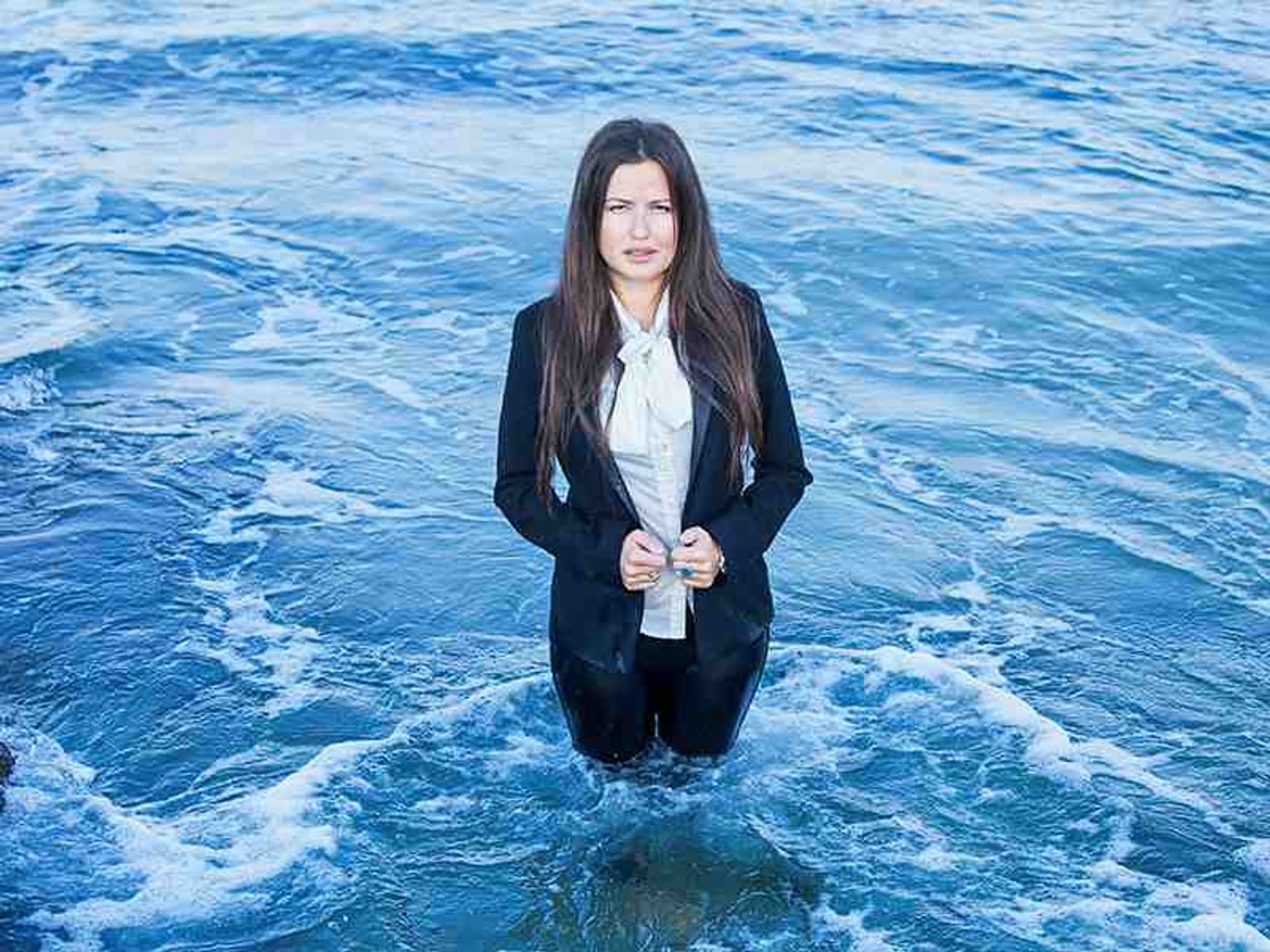
What does it take to pioneer marine energy in Europe and beyond? Kamogelo Motse finds out from Eco Wave Power co-founder Inna Braverman.
What does it take to pioneer marine energy in Europe and beyond? Kamogelo Motse finds out from Eco Wave Power co-founder Inna Braverman.
Wave energy has always been a personal mission for Inna Braverman. The co-founder and chief executive of wave energy innovator Eco Wave Power was born in Ukraine just two weeks after the Chernobyl nuclear disaster.
Braverman was one of the babies that suffered from the negative effects caused by the explosion and as a result suffered respiratory arrest and a clinical death. Luckily, her mother, a nurse, came to her crib and gave her mouth-to-mouth resuscitation, which saved her life.
Although Braverman doesn’t remember this near-death experience, during her youth in Israel she kept hearing the stories about how she had a second chance at life. This inspired her to study Political Science and English Language and Literature, determined to become a great politician that could make a positive change. However, when she completed her studies, she was surprised to find out that “there was no line up of politicians waiting to hire a young lady straight out of university”.
Instead, she was hired as an English-Hebrew translator at a renewable energy company. And the rest? That’s history…
How did you get started in founding Eco Wave Power and why did you choose marine energy?
At my first job at a renewable energy company, I learned about the incredible sector of renewables, including wind, solar, and wave energy. However, whereas the wind and solar energy sectors were already almost fully commercialised, the wave energy sector had a lot of room for innovation. According to the World Energy Council, wave energy has the potential to produce twice the amount of electricity than what is being produced now, but no one was making wave energy a reality.
I knew I could make wave energy happen. By using research databases, I started trying to understand why the tech used by other wave energy developers was not able to commercialise, as well as what went wrong. I came up with my concepts and ideas, but I didn’t have the money to build a power station or even register a patent, so I put the idea aside as unrealistic.
One day I went to a social event, and this guy sitting next to me asked: “What is your passion?” His name is David Leb, and it turned out that he is a serial entrepreneur, who invested the proceeds of his business ventures in real estate.
One of his properties was a surf hotel in Panama, where he would watch the surfers and thought that there must be something else you could do with the energy of the ocean. On a completely different side of the world, he also started researching wave energy and came up with his concept and ideas on how to make wave energy a reality.
So, when we met and realised that we were both passionate about wave energy, it was like a match made in business heaven. He ended up investing the first $1 million and that was the beginning of Eco Wave Power.
"Many countries have started legislating specifically for wave energy."
How does your technology work?
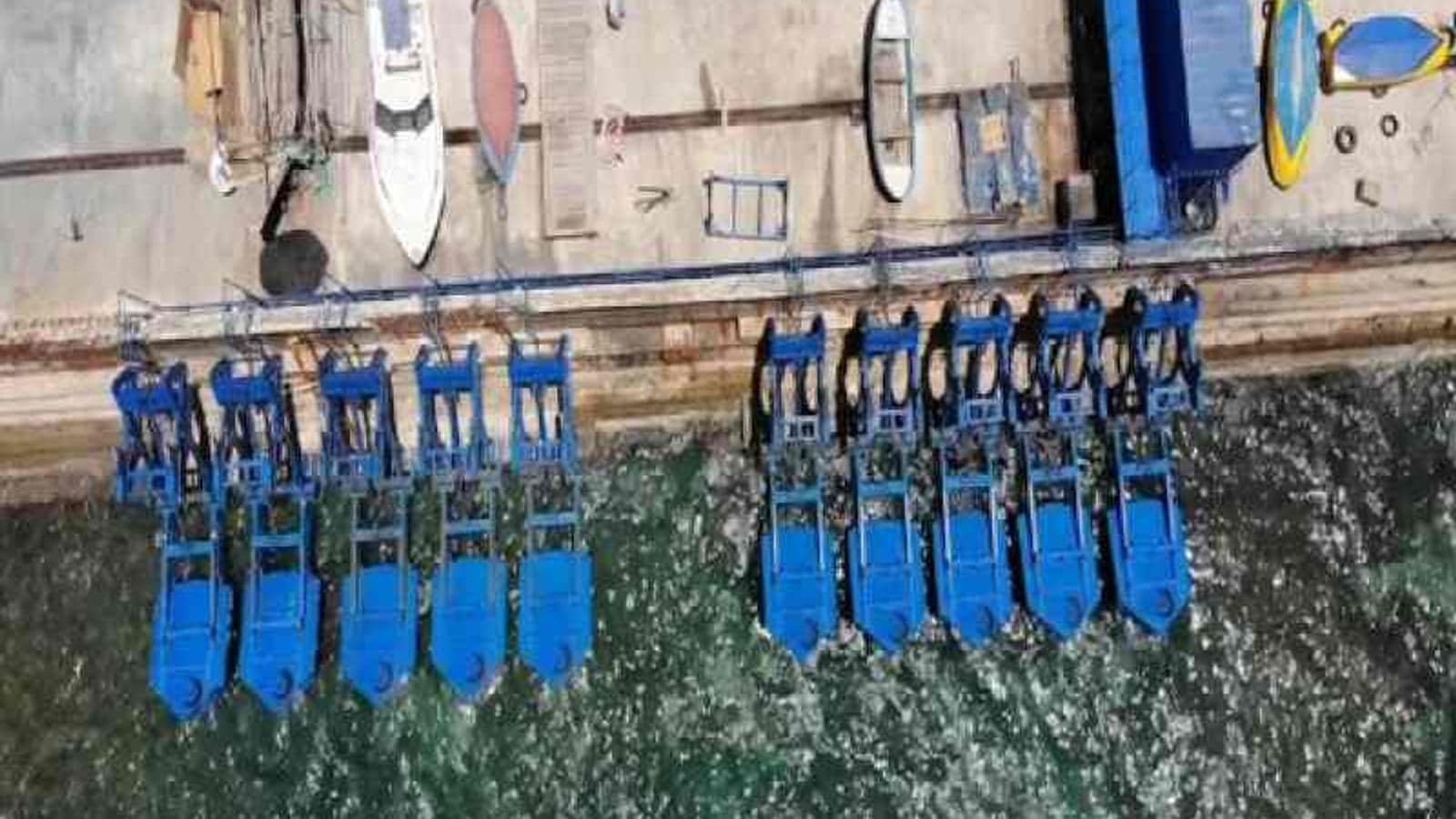
Our floaters move up and down with the movement of the waves, pushing a hydraulic cylinder, which transmits biodegradable fluid into land-located accumulators. As pressure is built - the higher the wave, the higher the pressure – it is used to turn a hydro motor and a generator and sends clean electricity to the grid via an inverter. The whole system is controlled by a smart automation system, which enables optimal operation and a smooth transfer of the electricity to the grid.
Have you read?
How Greg Jackson’s vision for Octopus Energy is coming true
‘The global energy transition is a collaboration, not a competition’ says Wartsila’s Malin Östman
The technology also has a patented storm protection mechanism; when the waves are too high for the system to handle, the floaters automatically rise above the water level and stay in the upward position until the storm passes. When the storm passes, the floaters commence operation.
Because of our ‘onshore’ location, the technology is cost-efficient. Environmentalists have also reacted positively to our system, as we are able to avoid a negative impact on the marine ecosystem and can thus make an important contribution to sustainable power generation.
"Believe in yourself and don’t give up on your passion. <br>Passion is the greatest renewable energy source."
Your company is founded in Israel: what was the state of Israel’s wave power sector when you started?
Prior to Eco Wave Power, Israel’s wave energy sector was in its infancy. In 2014, we broke ground in Israel with an off-grid pilot installation at the Port of Jaffa to further research and develop our technology. The off-grid pilot has been operational for six years, assisting us to discover many new developments.
In 2015, the Israeli Ministry of Energy recognised Eco Wave Power’s solution as ‘Pioneering Technology’, and just this summer we have become the first wave energy company in the history of Israel to have a grid-connected power station.
Where do you see the most interest and growth geographically in wave energy?
We see a growing interest in wave energy in different locations around the world. However, Eco Wave Power’s focus is on the European and the US markets.
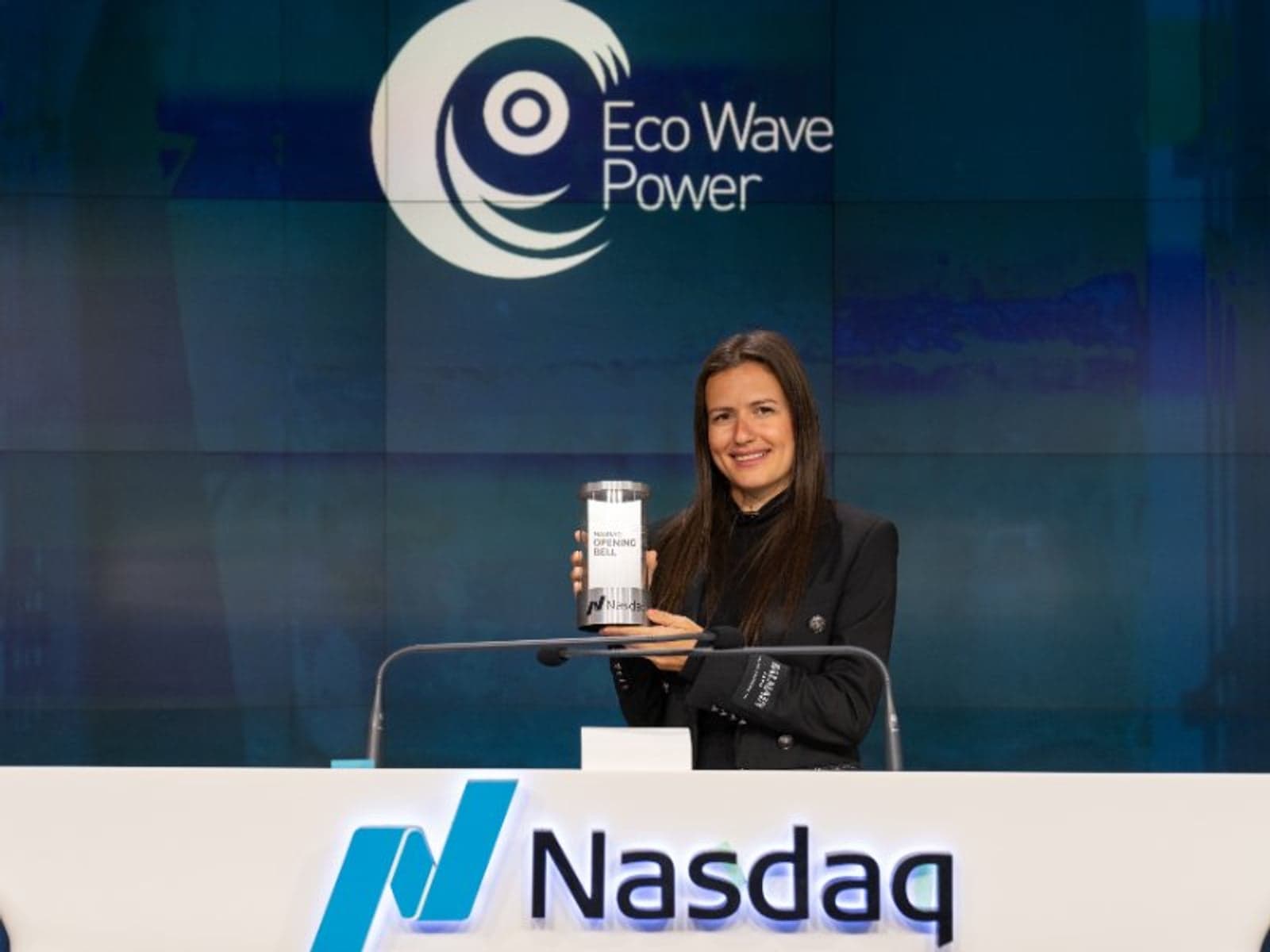
Eco Wave power has been listed on the US Nasdaq since 2022 and opened an American office in April 2023. Why is US market expansion important and is it different from Europe?
The European market is the most attractive in terms of its progress regarding wave energy investments and grants and in terms of the policies and the regulatory framework.
The US, however, is a new market that Eco Wave Power is actively pursuing, especially given the significant change of policy towards renewable energies in the US as a result of the Biden Administration.
Do you think banks and governments are now catching up to wave energy innovation?
Since wave energy is a relatively new renewable energy sector, which is just commencing its commercialisation, many governments, energy ministries and municipalities still do not have relevant legislation, policies and feed-in tariffs for wave energy.
This imbalance often leads to excessive time being devoted to regulatory development rather than the actual construction of power stations. As a result, the regulators need to catch up with the wave energy sector’s development, to enable faster and easier implementation. A second issue is the lack of debt financing. For any renewable energy technology to scale up and reach a commercial rollout, there is a need to secure debt financing.
However, since wave energy is a very innovative renewable energy source, most banks will not provide debt financing. Wind and solar energy faced similar challenges 20 and 30 years ago in their beginning. Only after a certain amount of power capacity is built, banks are willing to finance wave energy installations.
As a result, most new wave energy projects are built with either equity financing, which is the most expensive type of financing, or with grants, which are not always available at the required time and scale. Such dependency on equity rounds and grants makes it more difficult for the sector to reach commercialisation.
"Waves are more predictable and reliable than solar or wind energy, and they could power hard-to reach locations."
How would you describe the current position of wave energy within the energy transition and is it different from when you founded the company in 2011?
Wave energy is just starting its commercialisation and as such, it will probably not match the global power production of wind and solar energy soon, but it’s still a critical source of clean, renewable energy. Waves are more predictable and reliable than solar or wind energy, and they could power hard-to-reach locations, like coastal communities and remote islands, which currently depend on expensive, carbon intensive diesel imports.
Wave energy devices could also power offshore fishing, marine research, or military operations that need to reach deeper waters. What is different for wave energy from its position in 2011, is in the fact that many countries have started paying attention and legislating specifically for wave energy, such as a new law that is currently being promoted in California which enables wave energy to reach more and faster results.
Are there any exciting future projects that you are working on that you can tell us about?
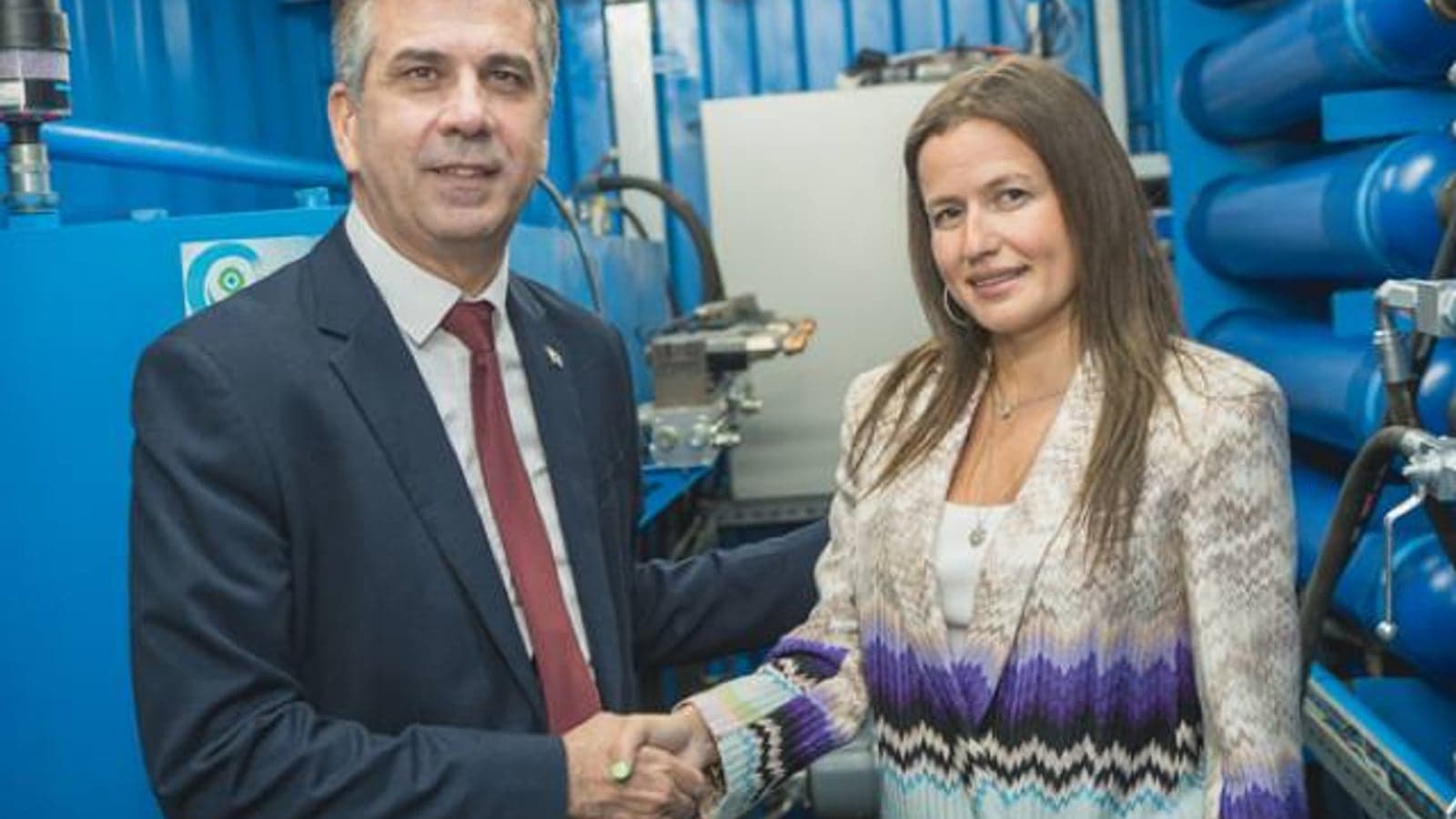
Eco Wave Power has recently finalised the construction of its grid connection project in Israel, with co-investment from the Israeli Energy Ministry and EDF Renewables IL. This is very significant, as it is the first time in the history of Israel that electricity from wave power is sent to the Israeli national electrical grid. Also, we are planning to commence the installation of our newest wave energy pilot station on AltaSea’s campus at the Port of Los Angeles.
Currently, the power station and one floater are on static display at AltaSea, while we are currently finalising licensing procedures and permits, and we hope to have the pilot station fully installed in the coming months.
We are soon planning to commence the installation of our first 1MW commercial-scale project, in the city of Porto. Eco Wave Power has a total projects pipeline of 404.7MW, including projects in Europe, the US, Asia and others.
"I always say that being an entrepreneur is hard, but being a female entrepreneur adds an additional layer of difficulty."
Do you think there are specific challenges or opportunities you face because you are a female founder and CEO?
I always say that being an entrepreneur is hard, but being a female entrepreneur adds an additional layer of difficulty. This is even more so in masculine industries, such as the energy industry. According to a recent study by EY, only 5% of the executives in the global energy industry are women. This fact speaks for itself.
When I co-founded Eco Wave Power, I was only 24 years old, and when I would arrive at the conference room, all excited to present EWP's pioneering wave energy technology, the first thing that the men in the room would say was “espresso please”, as they were sure that if there is a young woman in the room, she is probably there as someone’s assistant. The way to overcome such challenges is believe in yourself and don’t give up on your passion. I always say that passion is the greatest renewable energy source.