Vestas gets greenlight for UK factory but Ming Yang rejected
Pamela Largue
Posted on: 27 March 2026
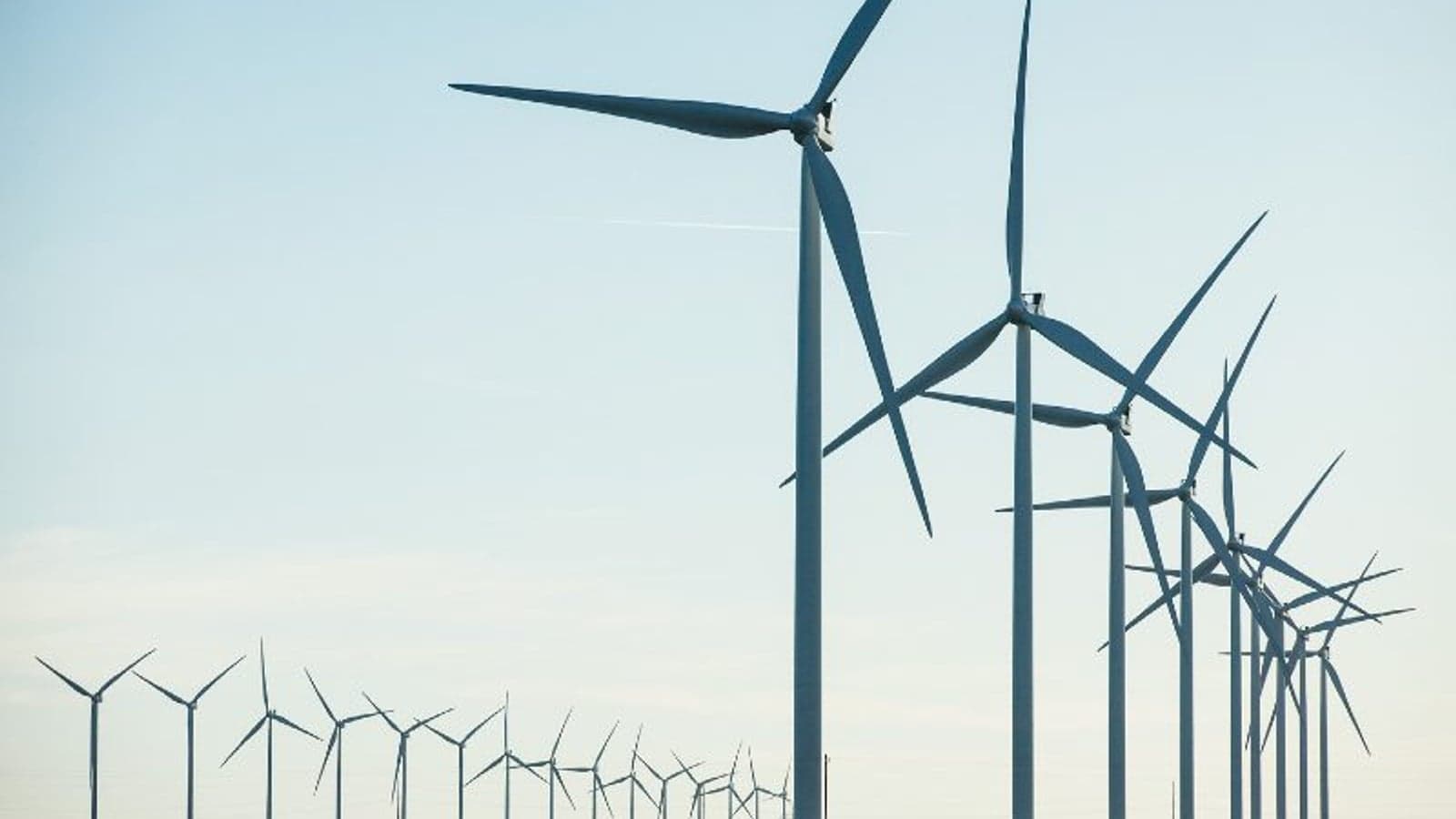
Vestas factory will produce hubs and nacelles for the V236-15.0MW turbine and will help meet growing demand after a record AR7 auction.

Wind turbine manufacturer Vestas has announced plans to build a €250 million ($288 million) nacelle and hub factory in Scotland, UK.
The factory will produce hubs and nacelles for the V236-15.0MW turbine and will aid the UK in meeting anticipated growing demand after a record seventh round of contracts-for-difference auctions (known as AR7) at the start of this year.
Vestas has been in strategic discussions with the UK and Scottish governments to develop and co-invest in the facility, which will not only create up to 500 skilled jobs, but also help to develop local supply chain capabilities.
Besides the economic benefits, Vestas chief executive Henrik Andersen also believes this is a positive step for energy security in the UK. “The UK government has made a big statement with AR7, showcasing how wind energy creates a positive impact on energy security, sustainability, and affordability for end consumers.
"We welcome the UK and Scottish governments’ dedication to fostering a competitive offshore wind market and look forward to working together to progress our co-investment plans.”
In the statement, Vestas made it clear it plans to focus its growth ambitions where a strong and visible project pipeline exists. This is indeed the case in the UK, evident after the AR7 auction secured a record 8.4GW of new offshore wind.
According to Vestas, the final investment decision is conditional on securing sufficient UK-based orders in AR7 and AR8. Depending on these results and the planning process, the facility could begin production as early as 2029.
Yes to Vestas, no to Ming Yang
Also this week, news broke that the UK government has declined an offer from Chinese turbine manufacturer Ming Yang to build a £1.5 billion ($2 billion) factory in Scotland.
The project was to revitalise the Ardersier yard on the Moray Firth coast near Nairn. The yard was opened in the 1970s to build offshore platforms for the North Sea oil and gas industry. The site was later redeveloped and old infrastructure removed.
While the project could have created a number of jobs and supported the development of a robust local supply chain, the government stated the security risks were too great to proceed. Conservative shadow Scottish secretary Andrew Bowie stated on X that Ming Yang failed to pass national security tests and therefore posed a genuine security threat.
While some industry experts applaud the move away from deploying foreign technology in local systems, Deputy First Minister Kate Forbes claimed it was "simply sabotage of Scotland's industrial future".
Ming Yang has also responded to the announcement stating this “represents a missed opportunity for the UK to benefit from increased competition in a capacity-constrained global turbine market, to accelerate cost reductions in wind energy, and to unlock significant industrial investment in the UK”.
The Chinese state-owned company suggests moves such as this could limit the progress of the energy transition and prevent much needed cost reductions.
Horatio Evers, CEO Europe of Ming Yang, said: “We remain motivated to continue developing options in the UK and across Europe. We remain confident of the way forward and we will continue to engage with developers and with the UK government. Ming Yang remains fully committed to its internationalisation strategy, accelerated investment and industrial localisation plans in the UK and wider European markets.”