‘We need to think smart and fast’ to future-proof the grid
Guest/partner contributor
Posted on: 8 November 2023
Siemens Grid Software chief Sabine Erlinghagen demystifies the digital solutions to enable a 21st-century grid.
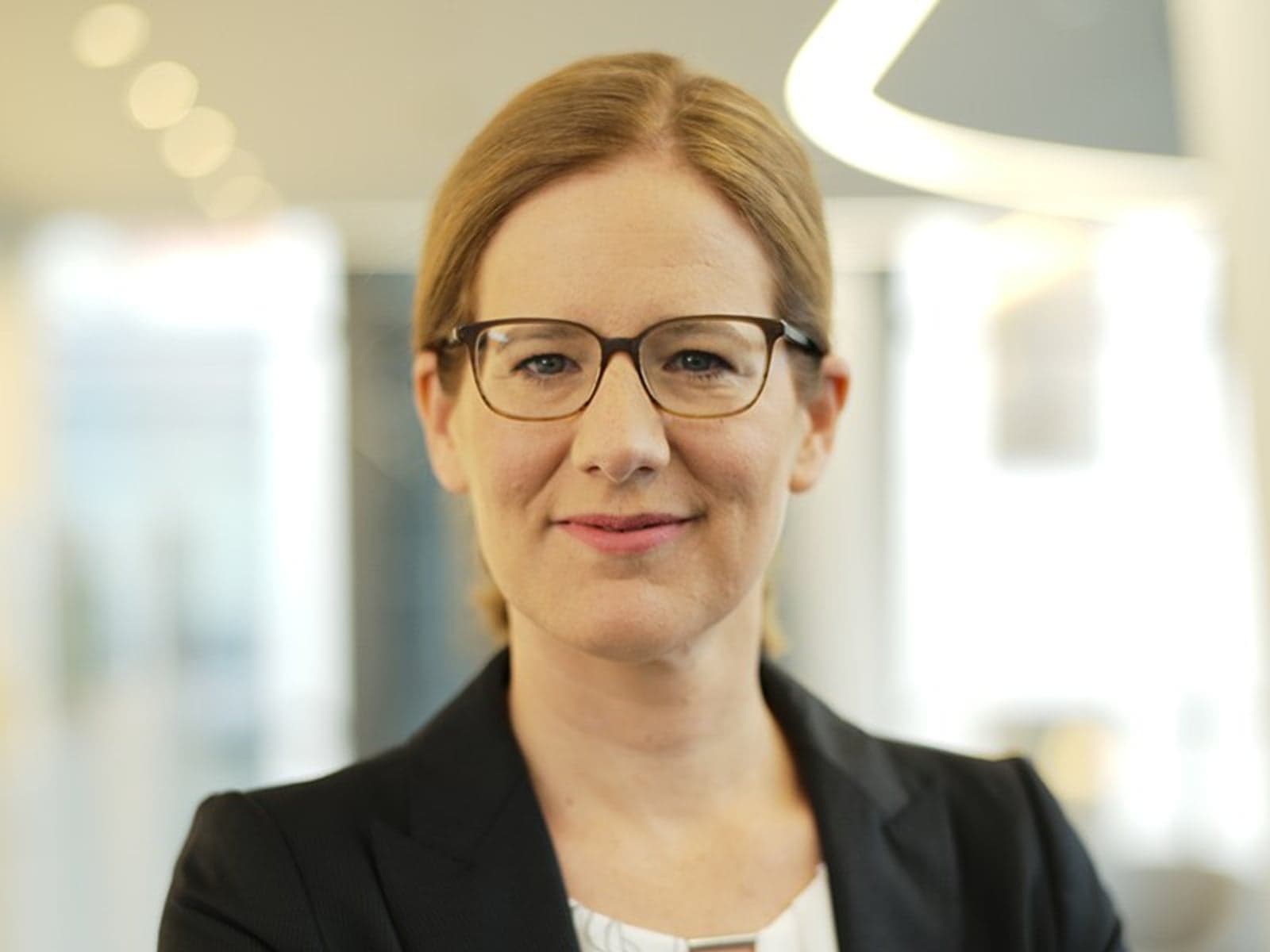
Siemens Grid Software CEO Sabine Erlinghagen demystifies the digital solutions to enable a 21st-century, future-proof grid.
Electricity demand is predicted to at least triple by 2050, and by 2030 there is expected to be a seven-fold increase in distributed energy resources, a potential 18-fold rise in electric vehicles, and 50 million more heat pumps in Europe.
All of which will put an intolerable strain on many grids which Sabine Erlinghagen says are already “at full capacity.” However, she adds that this problem can be fixed… and the solutions lie in digitalisation and software. She explains how.
What are the most urgent challenges the grid is facing?
It’s clear that many grids, particularly distribution grids, are at full capacity and can’t take new connection requests for distributed energy resources. The hardware infrastructure that would need to be built to support this increased demand would take years to come to fruition. Increasing grid capacity whilst keeping it stable at decentralised and intermittent resources is one of the most prevalent challenges we face right now.
To understand just how urgent this is — in some parts of Europe it’s estimated that we need to double the grid capacity in seven years. To solve this, we need to start thinking smart and fast to develop solutions that work at speed and scale. This is where software and digitalisation come in.
Have you read?
‘Software is enabling utilities to push the envelope of grid capability’: Siemens CEO
Why the electrical grid is ‘the backbone of the energy transition’
Why is flexibility so crucial for the grid — and what strategies can be implemented to enable further flexibility?
Flexibility management allows grid operators to reduce or defer the need for building new capacity. It is a less costly and faster alternative to building new infrastructure. This ensures the grid remains stable whilst increasing capacity quickly. To achieve this, the first point of action is to squeeze more out of the existing grid, which means using the existing infrastructure more intelligently.
For example, if we reduced technical losses of all European grids by just 1 percentage point, this would be the equivalent of saving 10 medium-sized power plants. With the power of software, it is possible to see where these technical losses occur and reduce them using real-time data. With this transparency, grid operators can make better decisions and use their existing assets to the best of their abilities. Ultimately, this provides much-needed flexibility to manage the grid in real-time, understanding when there are shortages and where there is a surplus.
"…in some parts of Europe it’s estimated that we need to double the grid capacity in seven years."
What role can technology and digitalisation play in increasing the grid’s capacity?
Digitalisation plays a vital role, as illustrated above. At Siemens Grid Software, we support grid operators in the planning, operation, and maintenance of grids. Our software helps them get as close to the physical limits of existing infrastructure as possible. The more transparency you have, the better you can predict behaviour on all voltage levels, especially the distribution and low voltage grids. Looking to the future, we will see radically better ways of approaching digital transformations including AI and other software innovations to support the energy transition fast enough.
What peripheral issues that have a direct impact on the energy sector keep you awake at night?
The effects of climate change on society weigh on my mind. We have already seen the impact of this on certain regions — with the increasing prevalence of natural disasters such as hurricanes and wildfires. The need for stable grids and reliable infrastructure is augmented by this. As crises happen more frequently and severely, we need to ensure our energy infrastructure can keep up with this – to maintain the quality of life we desire for our cities and countries.
What opportunities do you see for 2024 and beyond for the energy grid industry?
If the challenge is to double grid capacity in the next seven years, we believe that collaboration is essential within the ecosystem to create solutions that make sense for the future. At Siemens Grid Software, we want to accelerate the energy transition and enable grid operators to thrive in the years to come.
How do you fuel your daily drive on a personal level to stay as engaged and active as you are?
I have spoken about the challenges we face, and this is what drives me. There is no time to pause; we need to develop solutions at speed and scale to ensure a high-quality life for all in the short and long-term future around the globe.
Learn more about Siemens Grid Software