Partner contentEnergy Storage
From the lab to the field: How AGISTIN is transforming energy storage
Guest/partner contributor
Posted on: 27 November 2024
The Advanced Grid Interface for Innovative Storage Integration (AGISTIN) project is at the forefront of advancing innovative energy storage solutions.
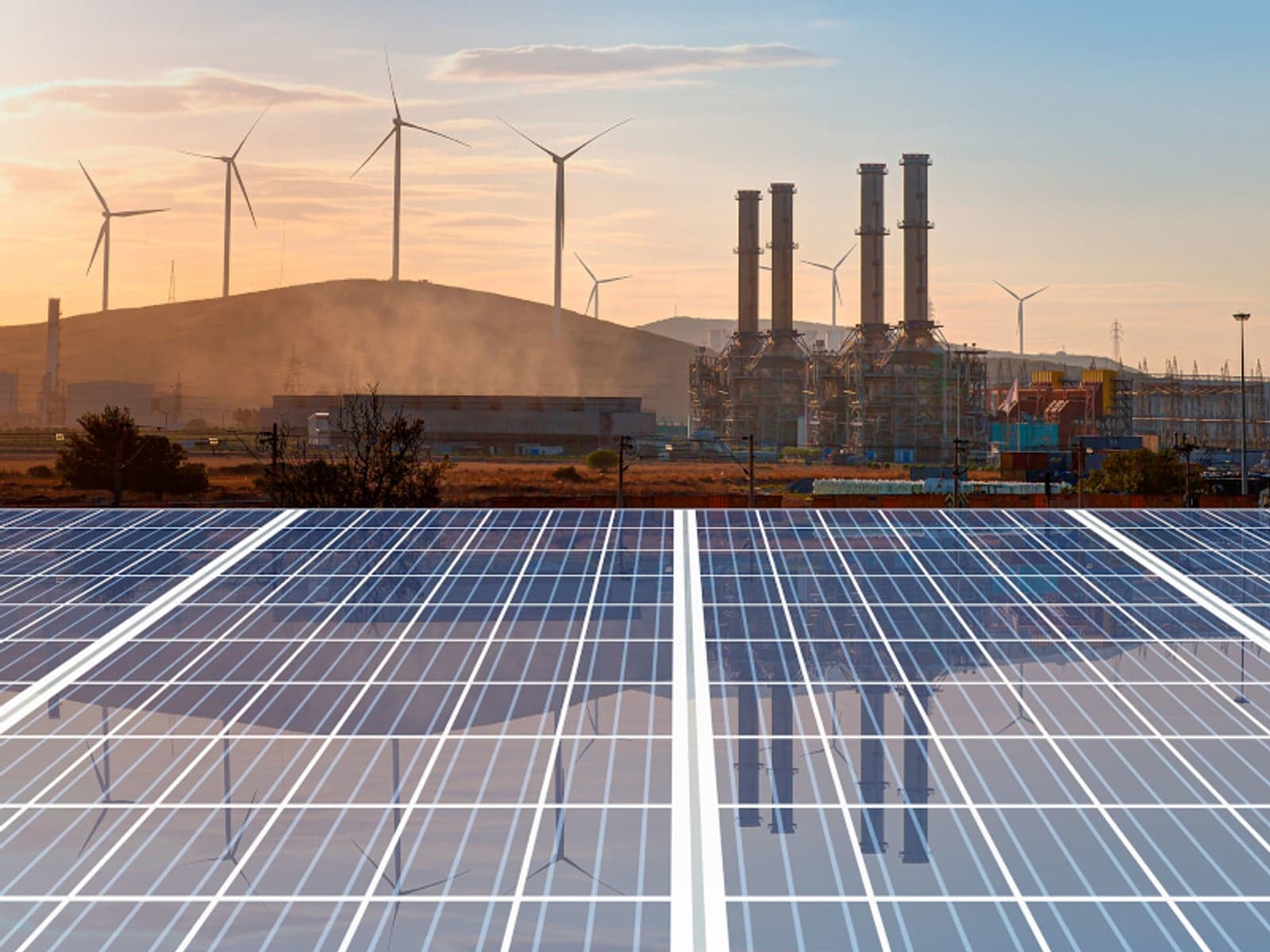
The rapid growth of renewable energy and electrification poses a major challenge for grid operators to maintain reliability. Energy storage is essential for integrating industrial processes and large-scale renewables, requiring advanced methods to address the needs of grid users and operators.
The Advanced Grid Interface for Innovative Storage Integration (AGISTIN) project is at the forefront of advancing innovative energy storage solutions. It is developing new technologies that not only provide the grid with the flexibility and stability it needs, but also help reduce costs for large users and manage the impact of new, high-demand applications.
The project is creating new grid integration architectures that combine on-site renewable energy sources with emerging DC (direct current) end uses. This approach builds on the current photovoltaic plus storage hybrids, extending it to include end users, grid users, and system integrators. This means industrial grid users can avoid extra hardware, cut costs, improve efficiency, and increase flexibility and self-consumption compared to traditional AC (alternating current) connections.
The AGISTIN project is putting its solutions to the test in three different laboratories:
- Germany, Kassel: Testing the design’s controls and functionality for fast-charging electric vehicles.
- Germany, Hamburg: Evaluating the solution for an electrolyser application with a dynamic grid emulator.
- Spain: Applying the concept to a pumping system before using it in a real irrigation setup.
To progress with these three lab tests, AGISTIN has identified and described 10 lab use cases, outlining what solutions and capabilities shall be tested. These tests cover everything from grid-forming interfaces and aggregated responses from multiple units to green hydrogen production and advanced irrigation systems. Detailed plans and requirements for these tests are outlined in the use case identification and test infrastructure set-up.
Find out more about:
EU-Funded energy projects
Energy storage
AGISTIN Project tests and demonstrations
Highlights from the AGISTIN Laboratory Tests
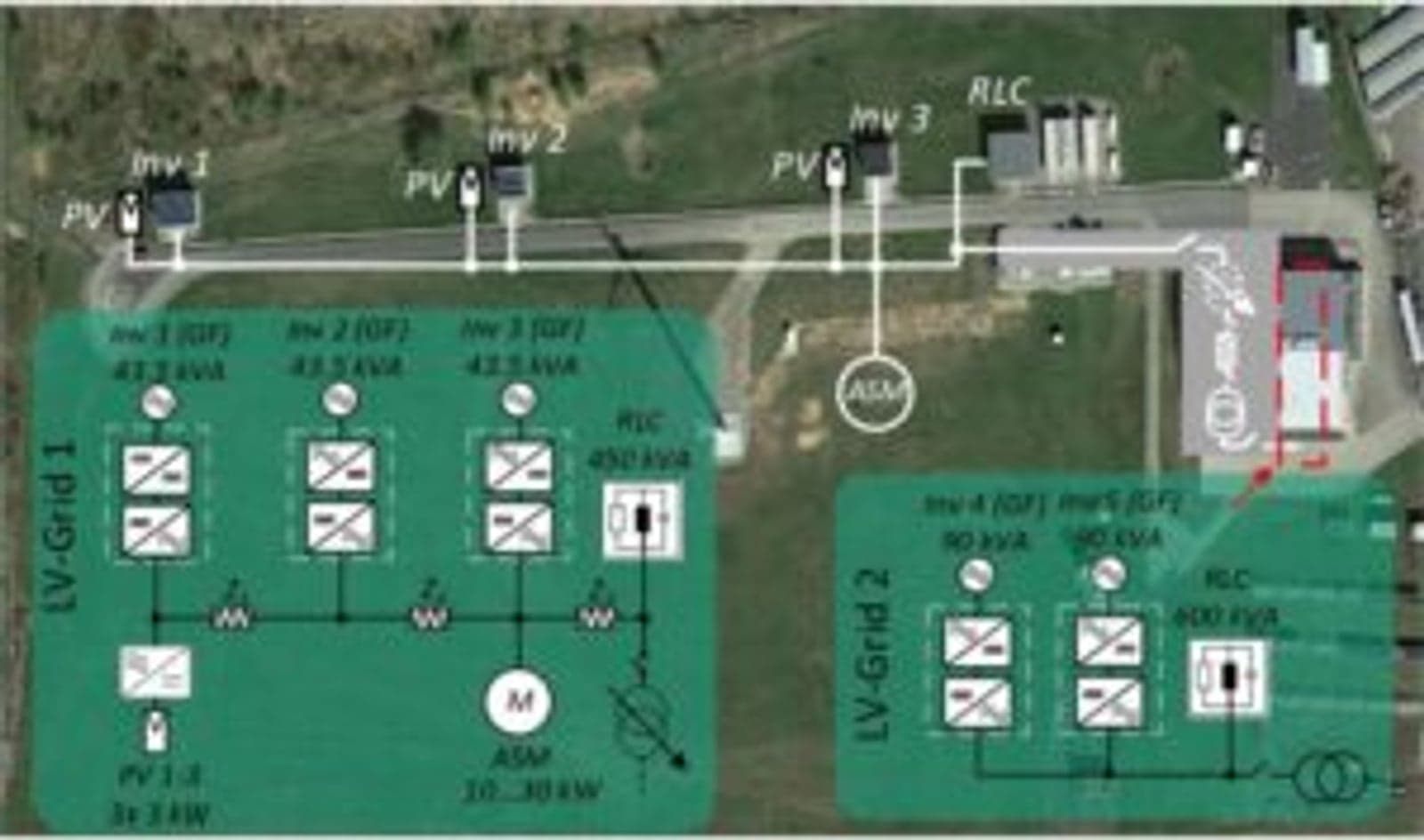
In the German lab (Kassel), Fraunhofer Institute for Energy Economics and Energy System Technology (Fraunhofer IEE) is setting up a small-scale power grid and the systems that will connect to it. Their researchers are also working on the communication network and a local controller for the grid. Additionally, they are developing a model for a converter that connects different parts of the system. The test setup will allow to simulate real-world conditions.
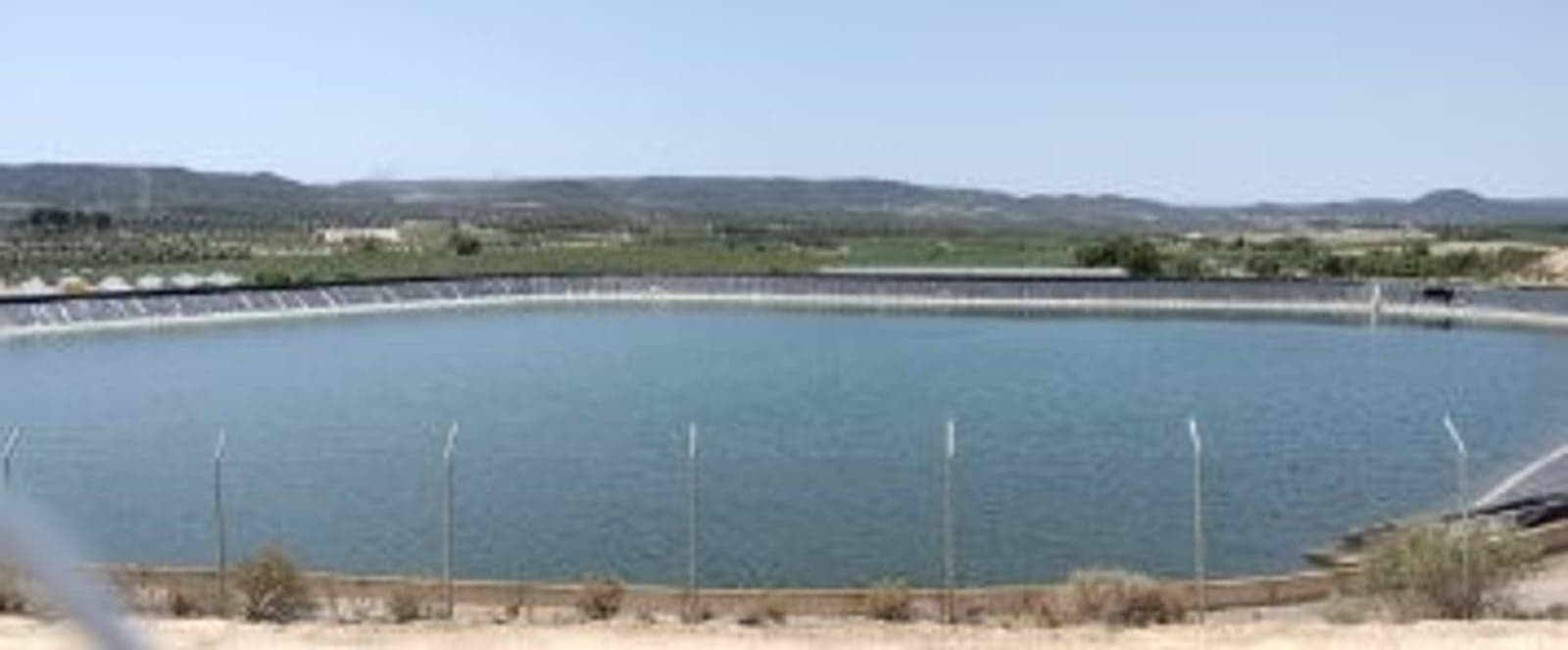
In the Spanish lab, researchers from CITCEA-UPC (Polytechnic University of Catalonia) are creating a tool using Python programming language to help decide the best size for new energy storage systems. This tool will help transform an irrigation canal into an energy storage system. They are also developing a method to determine the right size for these storage systems to handle changes in renewable energy production.
The German lab in Hamburg, Fraunhofer Institute for Wind Energy Systems (Fraunhfoer IWES) has been modeling the green hydrogen production site and simulated the different operating modes foreseen, identifying how the support of different types of energy storage systems can enable such operating modes. They have also prepared the Power-Hardware-in-the-Loopsetup for a detailed emulation of the AGISTIN.
These laboratory tests are crucial for validating new concepts before real-world application. They allow for detailed testing and validation of methods and models under extreme conditions, which isn’t possible in field tests but is necessary before implementation.
From lab tests to field demonstrations
The refined designs that will be make after the lab tests, will then be implemented in two field demonstrations:
- Spain: Demonstrating the potential of using irrigation systems as an energy storage medium.
- Netherlands: Showcasing the use of energy storage and advanced control to maximize renewable energy use in a green hydrogen generation facility.
Overall, these solutions aim to help run power systems with a high share of renewable energies in a stable, reliable, and economical way. They will increase the resilience and flexibility of the energy system, ensuring stability even under challenging conditions.
AGISTIN is supported by the European Union’s Horizon Europe program by 7.9 million euros. The consortium consists of 14 members from nine countries, including storage and power electronics providers, industrial grid users, a grid operator, an engineering consultancy, research institutes, universities and an energy storage association. It runs from January 2023 to December 2026.
Latest content
+4
Project AGISTIN: Accelerating industrial grid decarbonisation with advanced energy storage integration
The AGISTIN project is developing new forms of energy storage that meet grid needs for short-duration flexibility and stability, reduce the impact of new, large demand on the grid, and reduce costs for large grid users.
- Guest/partner contributor
- 15/04/2024
+9
From grid to green: How project AGISTIN is transforming industrial energy use
The AGISTIN (Advanced Grid Interfaces for innovative STorage Integration) project is supporting industrial energy users to rapidly deploy renewable energy coupled with on-site energy storage.
- Guest/partner contributor
- 20/03/2025