Unveiling the AI-driven future of the EU's energy system
Guest/partner contributor
Posted on: 16 October 2024
As Europe advances to a sustainable future, Max Lemke tells Areti Ntaradimou how AI is shaping Europe’s energy future.
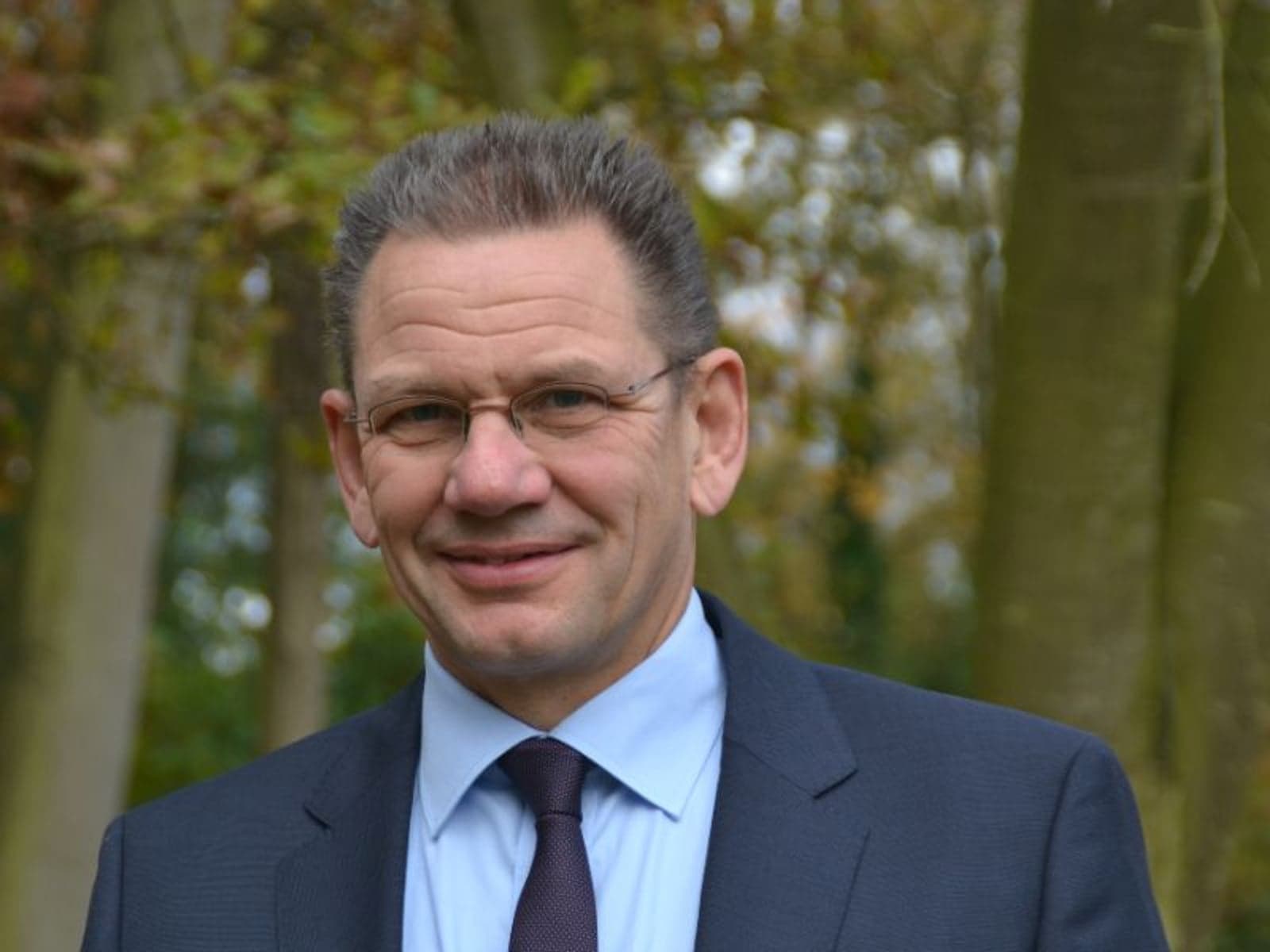
Max Lemke from the European Commission tells Areti Ntaradimou how AI is shaping Europe’s energy future and which key initiatives are driving a sustainable and intelligent energy system.
As Europe advances toward a sustainable energy future, data and artificial intelligence (AI) are central to the sector’s digital transformation.
Max Lemke, Head of Unit Internet of Things, responsible for the digitalisation of energy, mobility, and agriculture at Directorate General CONNECT of the European Commission, provides insights into the EU’s strategic initiatives and the role of AI in optimising the continent’s energy systems.
The role of data and AI in the digital transformation of the EU's energy system
Access to huge amounts of data is crucial for the use of AI. Where does Europe stand on its endeavour to roll out the European Energy Data Space?
Data is at the centre of the power grid. Data is exchanged between different intelligent systems which enable utilities to properly plan, operate, and maintain their grid, with the help of a digitalised model of the physical world and increasingly intelligent digital tools for both, the supply and the consumer side. Boosting the sharing of data, while respecting EU data regulations, and strengthening interoperability across different systems and technical solutions, make it possible for more innovative services to enter the market. That is why a common European energy data space will be a core element of the modernisation of our energy system.
With co-funding from the Digital Europe programme, the European Union is supporting the Europe-wide deployment of the European energy data space connecting a huge amount of available data across infrastructures and regions. Emerging results from Horizon 2020 projects and from ongoing Horizon Europe research and innovation projects are providing the newest digital technologies, piloting experiences and blueprints, thereby establishing the grounds for this roll-out of the European energy data space. They benefit from a public investment of more than €100 million.
Europe is also supporting research & innovation on the smart IoT and on a digital twin to connect all our energy assets to mimic digitally the energy system. Where do we stand on this? Are we ready to use AI to optimize our energy system?
The EU's commitment goes far beyond building the energy data space. We are ready for the next step in using the newest AI technologies to optimise the energy system, and, in particular, to maximise the benefits offered by renewable energy assets.
EU investments of €56 million in initiatives like the TwinEU project, which aims at developing a digital twin of the EU electricity system, alongside the ODEON and HEDGE-IoT, which focus on developing and piloting AI-IoT Edge-cloud platform solutions for the energy and related sectors, are just the starting point for exploiting the full potential of emerging AI technologies. More is in the pipeline.
Could you give some examples of where AI is already used in the energy sector? Where do you see the biggest potential of AI, and in particular generative AI, in introducing a new dimension of intelligence in the energy and related sectors?
Since 2022, there has been a rapid acceleration in AI progress with the emergence of particularly powerful "Generative AI" (GenAI) models. They can process and generate various types of content with impressive performance and quality, including text, images, time-series predictions, optimal decisions, and more, thereby enabling significant advancements in creativity, automation, and problem-solving across many fields.
AI and GenAI are revolutionising the energy sector too by enhancing predictive maintenance, optimising renewable energy production and storage, and improving grid management, smart grid technologies, and energy storage solutions, leading to increased efficiency, reduced costs, and a more sustainable future.
Have you read:
AI is a driving force in accelerating the energy transition, says Microsoft leader
How AI can support a reliable and resilient electrical grid
A holistic vision: Towards a Digital Spine of the energy system powered by GenAI
Can you explain the concept of the 'Digital Spine' and its role in bridging physical infrastructures like renewable energy assets, smart metering, bi-directional EV-charging, smart buildings, etc., as well as dynamic pricing?
The Digital Spine concept is the result of broad reflections, taking into account recent advances in digital enablers, followed by detailed studies and validation with groups of stakeholders. Taking a holistic approach across all energy supply and demand-side assets, the basic concept of the digital spine of the energy system is to connect, optimise and leverage investments in renewable energy, smart metering, bi-directional electric vehicle (EV) charging infrastructures and alike for cohesive operation - just as the human spine connects all nerves across the human body with the brain.
Through shaving peaks by maximising renewable energy utilisation and optimising storage capacities, the digital spine will facilitate better energy management, and support the decarbonisation of the energy and connected infrastructures in the mobility, and buildings sectors.
What potential do you see for applying generative AI technologies to support more flexible, holistic supply-demand side optimization of the energy system and its digital spine at the nexus of energy, mobility, and buildings?
Once again drawing from the comparison with the human body, GenAI offers the potential of a new dimension of intelligence becoming the brain of the energy system. One could think of GenAI decision-making models for grid optimisation based on Decision Transformers which harness the strengths of transformer models (the architecture behind large language models of OpenAI and Google) and handle sequential and other data (e.g. natural language processing) coupled with reinforcement learning (trying actions and learning from outcomes), or scenario generation & simulation including new data generation capabilities at the nexus of energy, mobility and buildings.
In January 2024, the Commission has launched its €4 billion AI innovation package. Its ‘GenAI4EU' initiative for example will contribute to the development of novel use cases and emerging applications in Europe’s industrial ecosystems. The “GenAI-powered digital spine of the energy system” could become one of them.
Follow the EU Project Zone for the latest insights
How does the concept of the GenAI-powered digital spine for the energy system support the goals of the REPowerEU Plan, the European Green Deal, and the twin green and digital transformation?
The European Green Deal has set ambitious objectives for drastic decrease in GHG emissions by 2030 and going completely climate-neutral by 2050. It promotes energy saving, energy security, energy efficiency, increased share of renewable sources and increased competitiveness of the EU green energy industry as a path to achieving its overarching goals.
Enhancing this, the RepowerEU plan calls for accelerated electrification of the EU, secure and affordable energy for everyone and higher share of renewables in the energy mix accelerating the phasing-out of imported fossil fuels. The twin green and digital transformation policy initiative is aligning the goals and actions of the move towards climate neutrality championed by the European Green Deal and the digitalisation of the EU society promoted by the Fit for the Digital Age policy, making sure they facilitate each other.
The GenAI-powered digital spine for the energy system would be a major contributor towards achieving these policy objectives. It will help to increase the electrification of the energy system and the integration of higher shares of renewables and their utilisation ratio. This will give a boost to energy efficiency and the reduction of the carbon footprint, strategic autonomy, competitiveness of our supply and energy-intensive industries, and - last not least – contribute to the reduction of energy prices.
Europe is the home of the world's leading energy equipment supply and system integration companies. How do you see their competitiveness? What role can EU initiatives play to improve their standing in the digital transformation?
Europe’s digital energy sector includes several global leaders. These firms provide advanced products and solutions, including digital twins, energy management systems, and smart grid technologies. SMEs and start-ups also play a crucial role in driving innovation, and enhancing the industry's overall competitiveness.
This includes for example the area of AI, both in terms of general AI tools as well as their adoption. Europe’s energy sector raised $13.5 billion in funding for start-ups in 2022 (according to Dealroom) and again in 2023. Among the main areas of focus were batteries, carbon removals, solar, fuel cells, renewables, EV charging, automated supplier switching, optimisation of energy consumption and performance of buildings.
The EU digital energy industry is at a critical juncture, facing challenges such as grid bottlenecks, cyber-attacks, extreme weather, and ageing infrastructure. Urgent strategic investments in digital infrastructure, smart grids, and energy management systems are essential to enhance competitiveness and meet the Union’s climate ambitions.
By leveraging its strengths and proactively addressing these challenges through modern infrastructure investments, digitalisation, and strategic planning, Europe can secure its position as a global leader in the digital energy sector. European Union support through its infrastructure programmes like CEF, its deployment programme like DIGITAL, and its Horizon Europe R&I programme are crucial for the success of our industry in reinforcing its position on the global market.
In a world of geopolitical tensions, EU support to community-driven, pre-competitive building of digital industrial platforms representing European interests has become increasingly important for better-facing competition from large actors headquartered in other world regions.
European energy savings applications and AI
What is the Common European Reference Framework (CERF) for energy-saving applications? How does it encourage consumer engagement in energy efficiency, energy usage optimization, and grid resiliency?
The Common European Reference Framework for energy-saving applications is one of the key deliverables of the EU’s Digitalisation of Energy Action Plan. It is primarily addressed towards private consumers to provide them with a mobile app helping them in optimising their energy behaviour.
Motivated by a fragmented landscape of tools with varying functionalities and benefiting from recommendations by the European Commission’s Smart Grids Task Force, a common framework for mobile applications was developed, which provide eco-friendly tips and suggest optimal times for energy usage, allowing consumers to make informed voluntary decisions about their energy usage and identify areas where they can save energy, while contributing to the resilience of the European energy grid, in particular in case of crisis or threat of blackouts.
Where do we stand on it? What is already available on the EU level, and what is to be expected in the near future?
Last year marked a pivotal year in the implementation of this action, with the successful delivery in March 2023 of the first-generation blueprint for the CERF for energy-saving applications under the Horizon 2020-supported InterConnect project.
The first-generation blueprint for a Common European Reference Framework for energy-saving applications uses different types of data, including publicly available sources, data voluntarily shared by users and aggregations from smart meters. Addressing different user groups, it offers consumption reduction recommendations, eco-tips, and incentives for load shifting. Users can manually implement interventions, and the blueprint includes interoperability frameworks with distribution system operator (DSO) and transmission system operator (TSO) interfaces.
CERF-compliant energy-saving applications were implemented in the project’s pilots in Italy, Greece, Portugal, and the Netherlands, followed by implementations in Spain, Denmark, Estonia, Slovenia, Croatia, Germany and the United Kingdom started at the end of 2023.
Looking ahead, how do you anticipate the next generation of the CERF, especially with the availability of real-time data from smart meters and (generative) AI?
Under the EU’s DIGITAL Programme, through the ECLIPSE project, preparations for the deployment of the second-generation blueprint have started. The focus is on integrating more real-time consumption data from smart meters and introducing customised features for specific user groups or individual users, including the prosumers, who do not only consume but also produce mostly renewable energy.
While looking forward to the first results of the ECLIPSE project, we are already reflecting on a third-generation blueprint for the Common European Reference Framework for energy-saving applications for consumers, fueled by the new dimension of intelligence brought by AI. It is envisaged that this next generation will build on the “GenAI-enabled digital spine of the energy system”, thereby more closely integrating the energy supply and demand side.
For more information about the European Commission's plans for an AI-driven energy system, make sure to register for Enlit Europe. Max Lemke will be interviewed by Areti Ntaradimou on 22 October at 1.45PM in the Inspire Hall, and there will be a dedicated programme for the EU Energy projects on the exhibition floor.
* * *