Call for regulatory predictability and flexibility to reboot the energy transition
Pamela Largue
Posted on: 29 January 2025
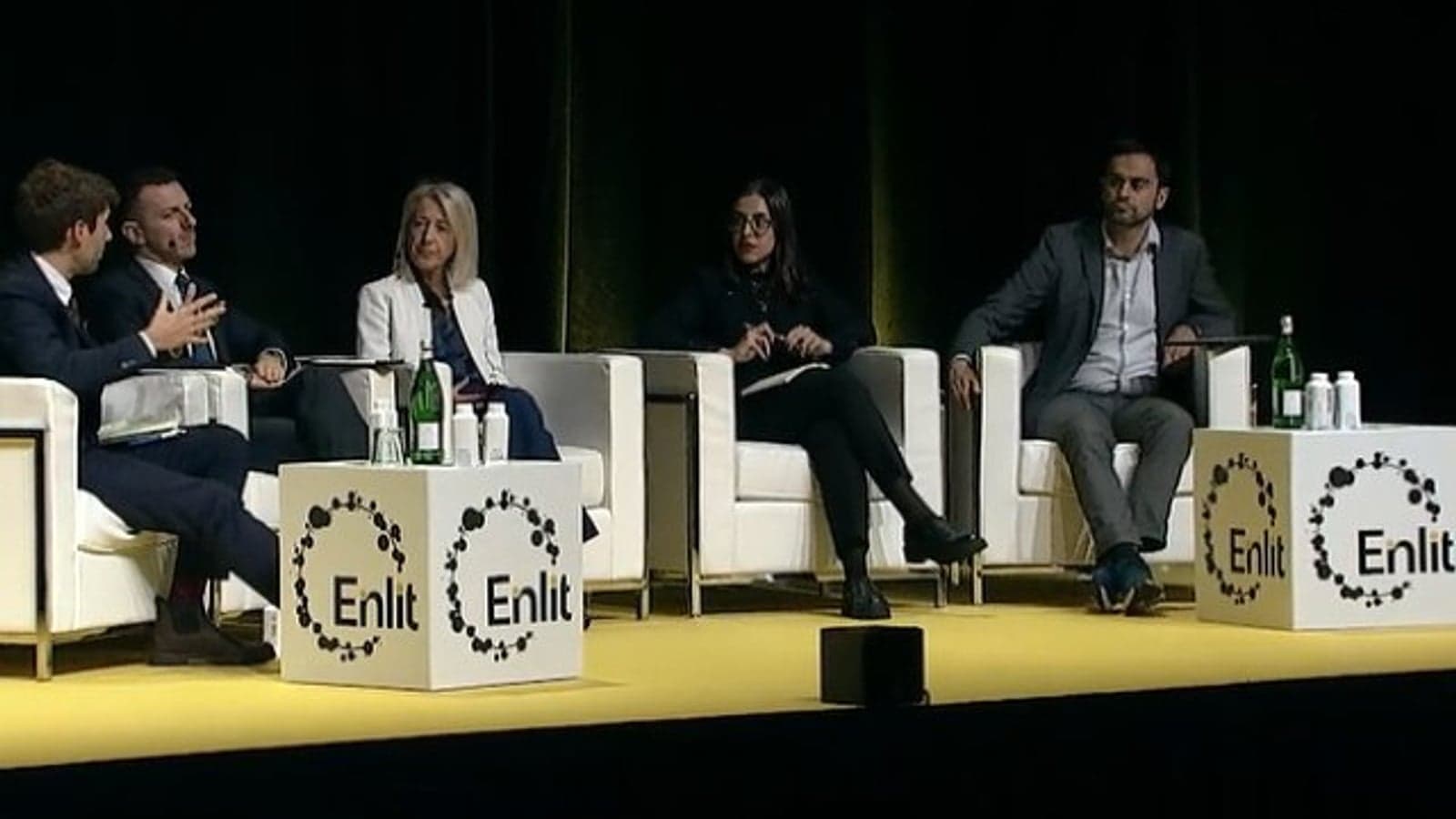
Enlit Europe panelists say regulatory predictability and flexibility are critical to attract the investment to drive the energy transition.

Conference hears how regulatory certainty, predictability and flexibility are critical to attract the investment to re-energise the energy transition and decarbonisation.
A group of panelists at Enlit Europe called for regulators to create a common vision, ensure predictability and consistent policy, as well as create a common scenario to direct investments.
Policy pitfalls
Alberto Pototschnig, Deputy Director (World of Practice) at the Florence School of Regulation, opened the discussion by highlighting some of the policy pitfalls that affect Europe's energy transition.
He referred to project delays, grid congestion and the urgent need to boost investment in renewables.
"We are at the stage of the development of the energy sector where we know where we want to go, but there is 600 billion euros in investment in infrastructure needed until 2030."
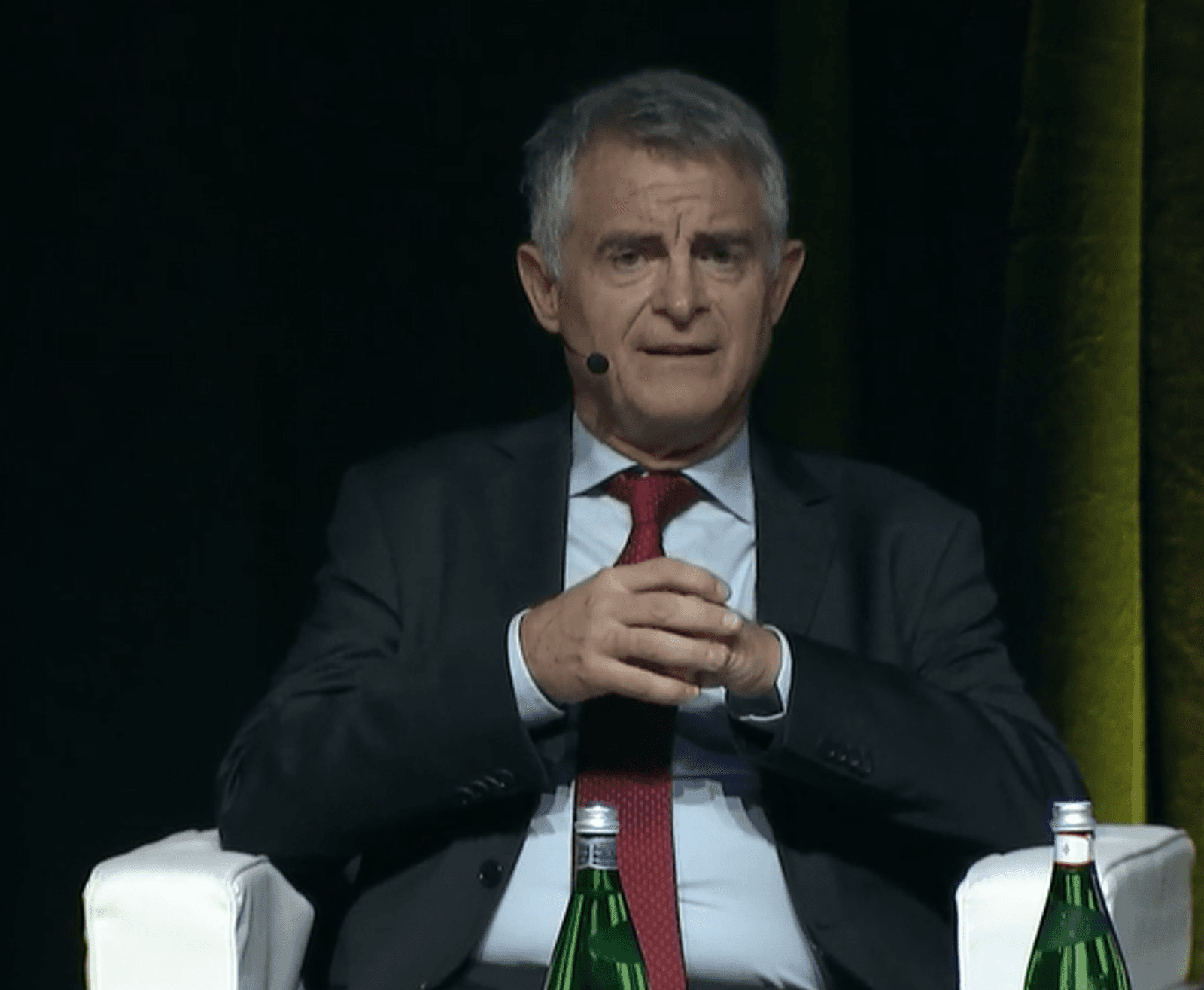
To highlight the effect of regulatory uncertainty, Pototschni pointed to Europe's hydrogen sector.
In terms of hydrogen, he explained, there are policy ambitions in Europe, such as RepowerEU, however, "we are wondering what kind of hydrogen sector we will have".
He called for politicians and regulators to reach agreement on hydrogen's trajectory.
"We have been discussing [hydrogen] for five years. I think policymakers and regulators should sit down and say: 'We may be wrong, but this is what we are planning for."
Have you read?
Davos: Policymakers and industry tackle EU competitiveness blues
Article 6 agreement will transform carbon markets as we know them
Stefano Besseghini, President of The Italian Regulatory Authority for Energy, Networks and Environment (ARERA), agreed that in the case of hydrogen development, there was a lack of clarity that gave rise to a chicken-and-egg situation, with industry not knowing which way to proceed.
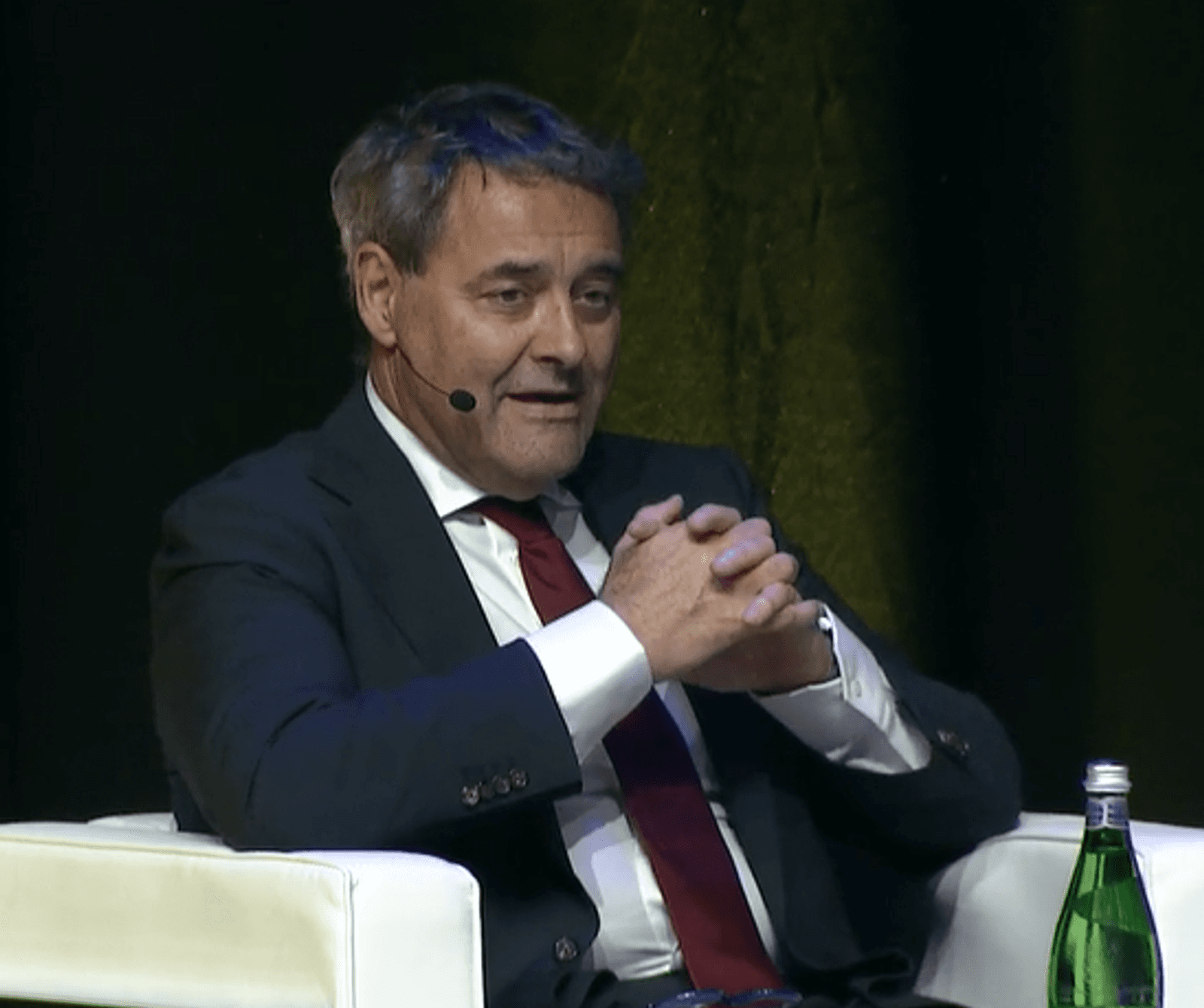
Besseghini elaborated on technology innovation in general, stating that policy was a vital enabler for "the combination of regulation and innovation. When and how you enter innovation is a matter of predictability."
The regulatory remedy
Pototschnig suggested that a fine balance between predictability and flexibility is needed to avoid stagnation.
"Regulatory predictability is what investors need: not necessarily stability, because we don't want to get into a mindset where the regulatory framework cannot be changed."
Alvaro Ryan, Regulation Director of i-DE, part of the Iberdrola Group, echoed this, adding that Europe needs to create clear and concise roadmaps to provide visibility and to give certainty to all stakeholders.
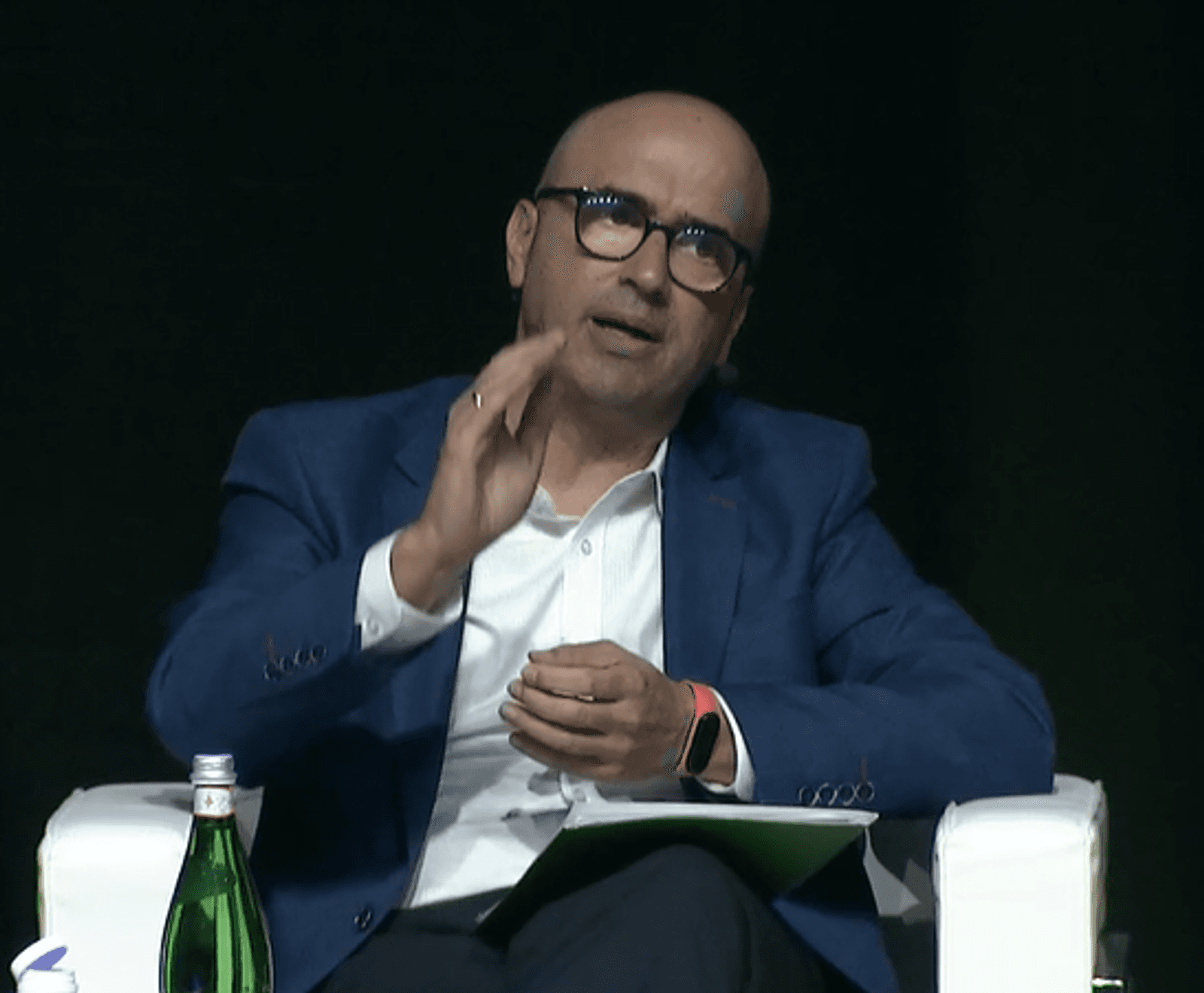
"This visibility will help us in the long term build our business plan and optimise return to our shareholders," said Ryan.
Like Pototschnig, Ryan emphasised the need to double investment in renewables and grid infrastructure. He said that to achieve this, barriers to investment and investment caps must be eliminated and anticipatory investments developed.
Also, Ryan recommended the permitting obstacle be dealt with and the Overriding Public Principle extended.
The new role of DSOs
Panelists acknowledged the new role of DSOs as the energy transition progresses and the importance of policy to define and support this new role.
According to Besseghini: "We are entering a very complex world, this is clear. It's not just a matter to ask for stability, investments, money... it's to be clear in identifying the benefits. It's not possible that the benefits every time should be described by the regulator and understood by the DSO."
Besseghini also stressed the importance of regulating DSOs with a "resilience approach" and taking care to regulate in a transparent manner, providing signals to guide operator behaviour.
Also of interest:
Ensuring sufficient dispatchable capacity for the future energy system
Energy Transitions podcast: Building a grid backbone for a net-zero Europe
Besseghini referred to this as a "trigger approach", which will allow operators to know with certainty how policy will be adjusted if parameters change to a certain level.
"You need an Encyclopedia Britannica to cover all the potential issues, but once you establish that you are a regulator that behaves in a reasonable and predictable way, you can manage this."
Policy and the consumer
Panelists also agreed that all policy considerations must take the consumer into account, in terms of reducing energy bills and maximising the flexibility that consumers can offer.
Pototschnig noted, however: "The problem is that consumers don't care: consumers don't trust energy suppliers."
It is therefore important, he said, to communicate with consumers in a way that keeps them engaged in the energy system.
"We need to find regulatory and business models to harness them. It's not part of regulatory stability, or predictability, but part of our future," said Pototschnig.
Besseghini expanded on the point by emphasising the need to consider the information the consumer is interested in, which is being able to compare offers from the different vendors.
"We need to be able to deliver regulation that is clear to the final consumer, otherwise we will bother him with a lot of details. It's important that the one who is interested is able to understand all these things... but the average consumer will not behave like that."