Could Baltic winds and Berlin batteries power Bavaria?
Guest/partner contributor
Posted on: 10 May 2022
As Germany faces power cuts and grapples with its reliance on foreign gas, it appears the time has come for Baltic wind and Berlin batteries to power Bavaria.
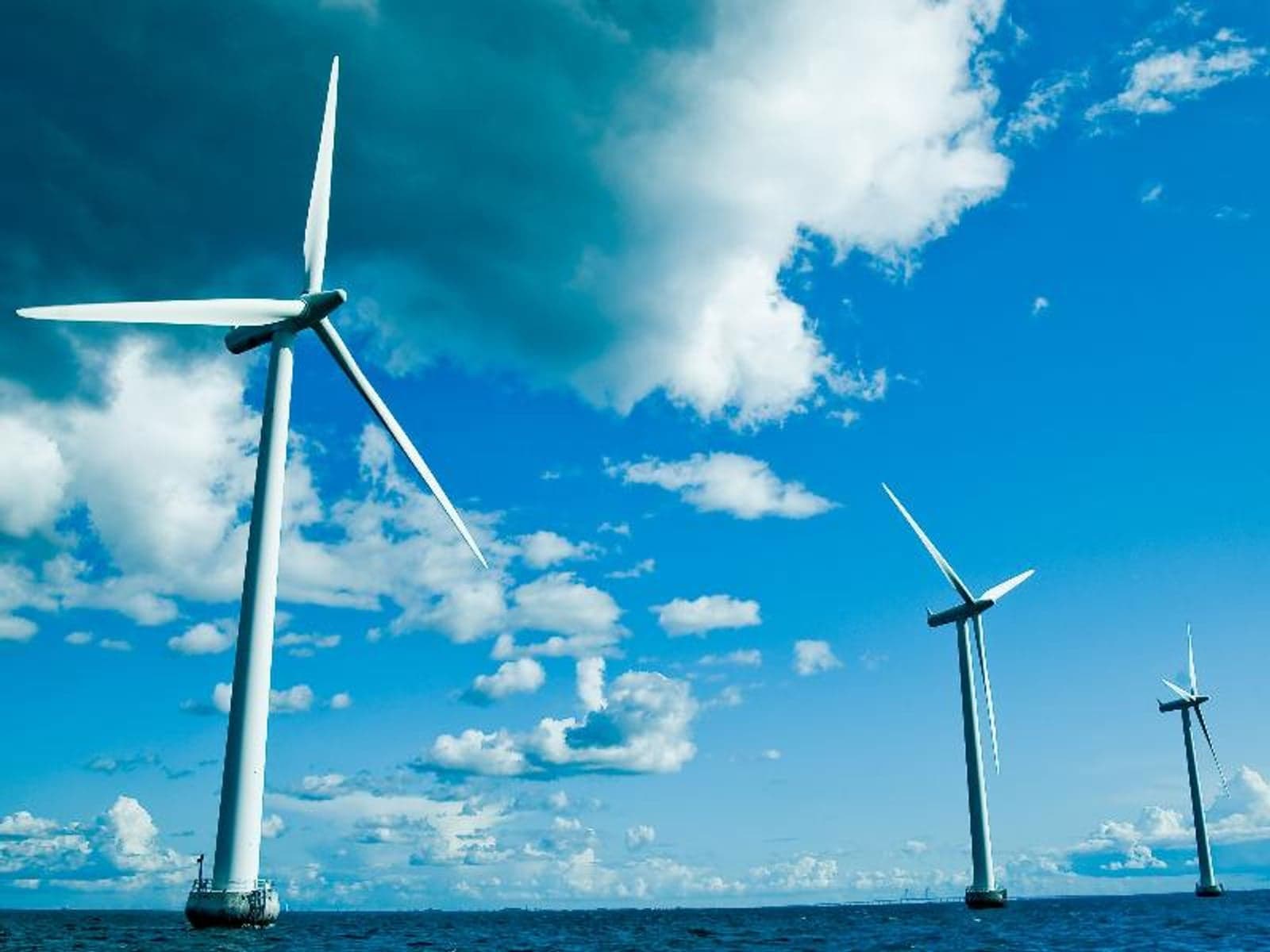
As Germany faces power cuts and grapples with its reliance on foreign gas, it appears the time has come for Baltic wind and Berlin batteries to power Bavaria.
By Alan Greenshields, Director of Europe, ESS Inc.
The Russian invasion of Ukraine has massively underscored the risks associated with relying upon imported natural gas and oil from Russia and accelerated the need to find alternative sources of energy. Across Europe there is now unprecedented demand for a transition to clean, renewable and, perhaps most importantly, secure energy sources.
Looking at this from a different perspective, there is no energy crisis, just a lack of energy storage. For all the energy that humans consume on this planet each year in homes, transport and industry, it takes just two minutes of the sun shining on the earth for the same energy to be replenished. But right now we are just not very good at harvesting and utilizing it.
Baltic Winds
As the war in Ukraine continues, Europe, and particularly Germany, must urgently transition to renewable energy. Offshore wind in the Baltic sea, expansion of solar power and additional onshore wind all provide opportunities to further scale-up Germany’s renewable energy production, but, to fully utilise these energy resources and ensure grid stability, a significant expansion of long-duration energy storage will also be necessary.
Russian fossil fuels accounted for a staggering 55% of Germany's gas imports in 2021 and 40% in the first quarter of 2022. Due to disrupted supplies, Germany is now facing an escalating energy crisis. The country has halted the certification process for the controversial Nord Stream 2 gas pipeline, and there is now a real threat of possible power outages, rationing and emergency fuel plans next winter.
Looking at this from a different perspective, there is no energy crisis, just a lack of energy storage.
As a result, Germany is accelerating its biggest energy policy reform in decades, including a large-scale restructuring of the energy supply system towards the use of renewable energy in all sectors.
The country’s goal is to be running on 100% clean energy by 2035. It is aiming to speed up the expansion of renewables to provide 80% of Germany’s energy by 2030, up from about 40% now and a previous target of 65%. The new 2030 targets represent a doubling of Germany's onshore wind energy capacity to 115 gigawatts (GW) and a tripling of solar energy to 215GW, along with an expansion of offshore wind energy to 30GW.
While the plans are ambitious, the missing component is the energy storage needed to mitigate the intermittency of renewable power generation. It is remarkable that after more than 100 years of grid electricity, there is little energy storage on any grid in the world, outside of some pumped hydro in mountainous countries.
To replace the energy provided to Germany by Russia’s gas today, grid energy storage equating to approximately 1TWh would be required, based on daily cycling. This would not only resolve a critical dependency on imported gas, but be a major milestone on the path to full decarbonisation.
Also of interest
How light could boost performance of fuel cells and lithium-ion batteries
Basque gigafactory can unlock the holy grail of energy storage says research boss
Without finding an effective and economic way to store wind and solar power, Germany’s plans to reach energy security and decarbonise the power sector will fail.
Berlin Batteries
Battery technology is generally seen as the reliable energy storage solution that will wean Europe off damaging fossil fuels and overcome the intermittent nature of renewables to provide a constant and reliable flow of energy.
But to solve the energy security problem over the long term, a new type of battery designed for long duration energy storage (LDES) is required as a cost-effective approach to grid-scale deployment. It will also require political leadership from Berlin for Germany to take the steps needed to build a >1 TWh energy storage infrastructure.
Lithium-ion batteries were previously believed to have the potential to provide energy storage, especially as a surge in production volumes has led to an 89% decline in prices over the past decade. However, recent price spikes in lithium, nickel and cobalt will limit the usability of lithium-ion batteries in LDES on cost alone.
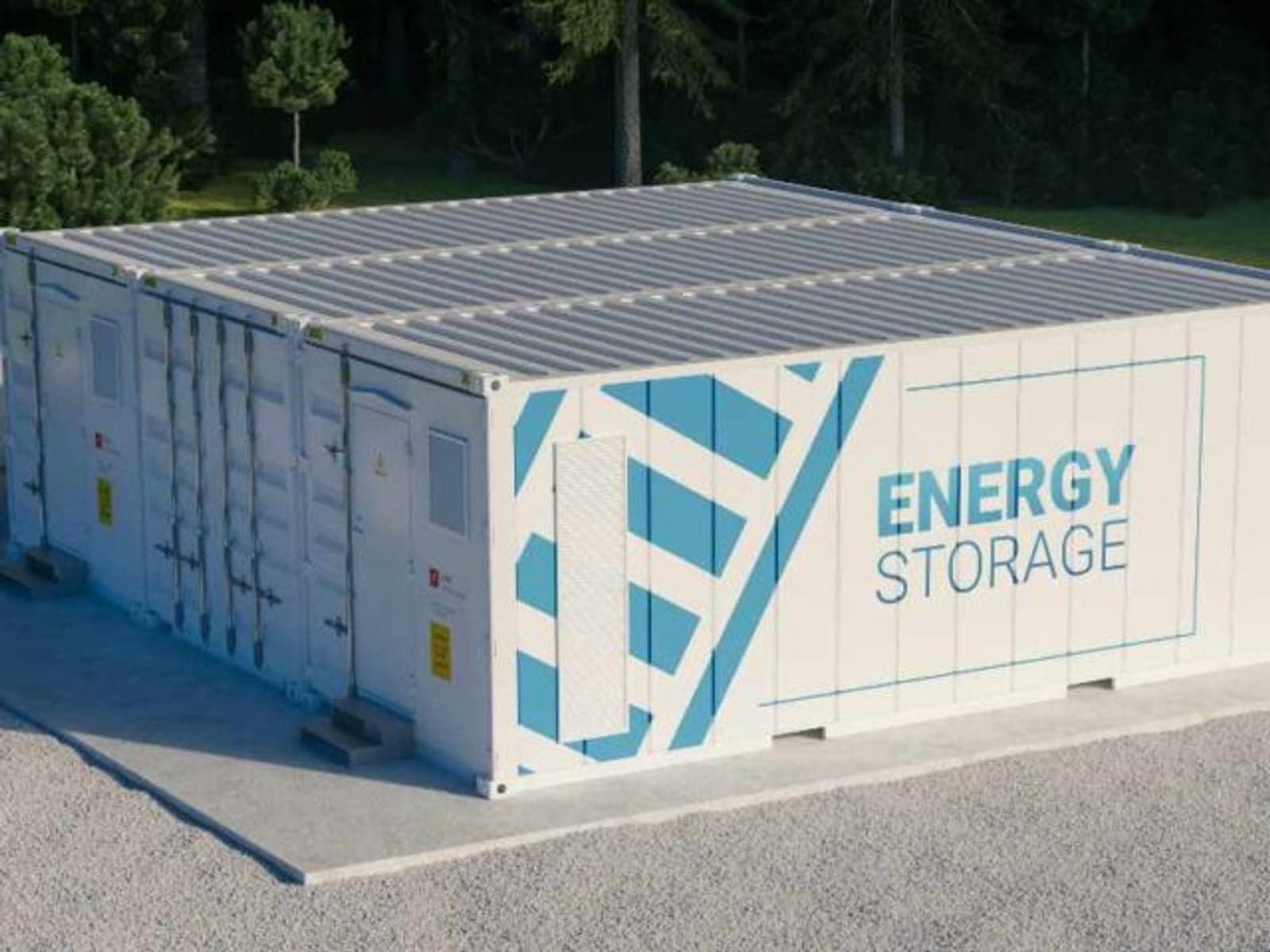
As well as high costs, there are also issues around safety and sustainability of Lithium-ion batteries. They are sensitive to high temperatures and inherently flammable: fires caused by Lithium-ion batteries have caused significant damage and proven difficult to extinguish. They also require rare earth materials such as cobalt, almost half of which comes from the Democratic Republic of Congo where it is allegedly mined by child slave labour.
Fortunately, new, non-Lithium technologies are arriving on the market that are specifically designed to deliver long duration (4 – 24 hour) energy storage. They range from cryogenic to mechanical to electrochemical in their approach and will deliver a new era in renewable energy.
One alternative is the iron flow battery, which provides long-duration energy storage to support renewables and grid stability. The levelised cost of storage (LCOS), which is the cost of electricity discharged from a storage device, of iron flow batteries is $20/MWh, less than half that of lithium-ion, iron flow batteries also carry no explosion or fire risk, and uses earth-abundant materials of iron, salt and water.
These new LDES technologies will underpin the transition to renewable energy as they guarantee the reliability and stability of the power system.
Bavarian Power
The prospects of energy rationing and power cuts are already worrying many Germans given their reliance upon imported gas. The country imported 142 billion cubic meters of gas in 2021 to heat homes and power an industrial sector that is vital to Germany’s economy.
In 2021, German exports were valued at over $1.6 trillion, or approximately 43% of Germany’s GDP, led by exports of automobiles and machinery. Over the long term, Germany can’t continue to thrive as a global industrial power while also remaining dependent on Russian energy.
With battery storage providing flexibility for the grid, Germany could ensure uninterrupted power to customers, both industrial and consumer. The time will soon come when Baltic wind and Berlin batteries will power Bavaria.