Global shortage of skilled technicians predicted for wind sector
Pamela Largue
Posted on: 3 December 2024
If the demand for wind energy continues to grow at its current pace, the sector is projected to face a 6-8% global shortage of skilled wind technicians by 2028. This is one of the key findings of the latest Global Wind Workforce Outlook 2024-2028 report released by the Global Wind Organisation (GWO) and Global Wind Energy Council (GWEC).
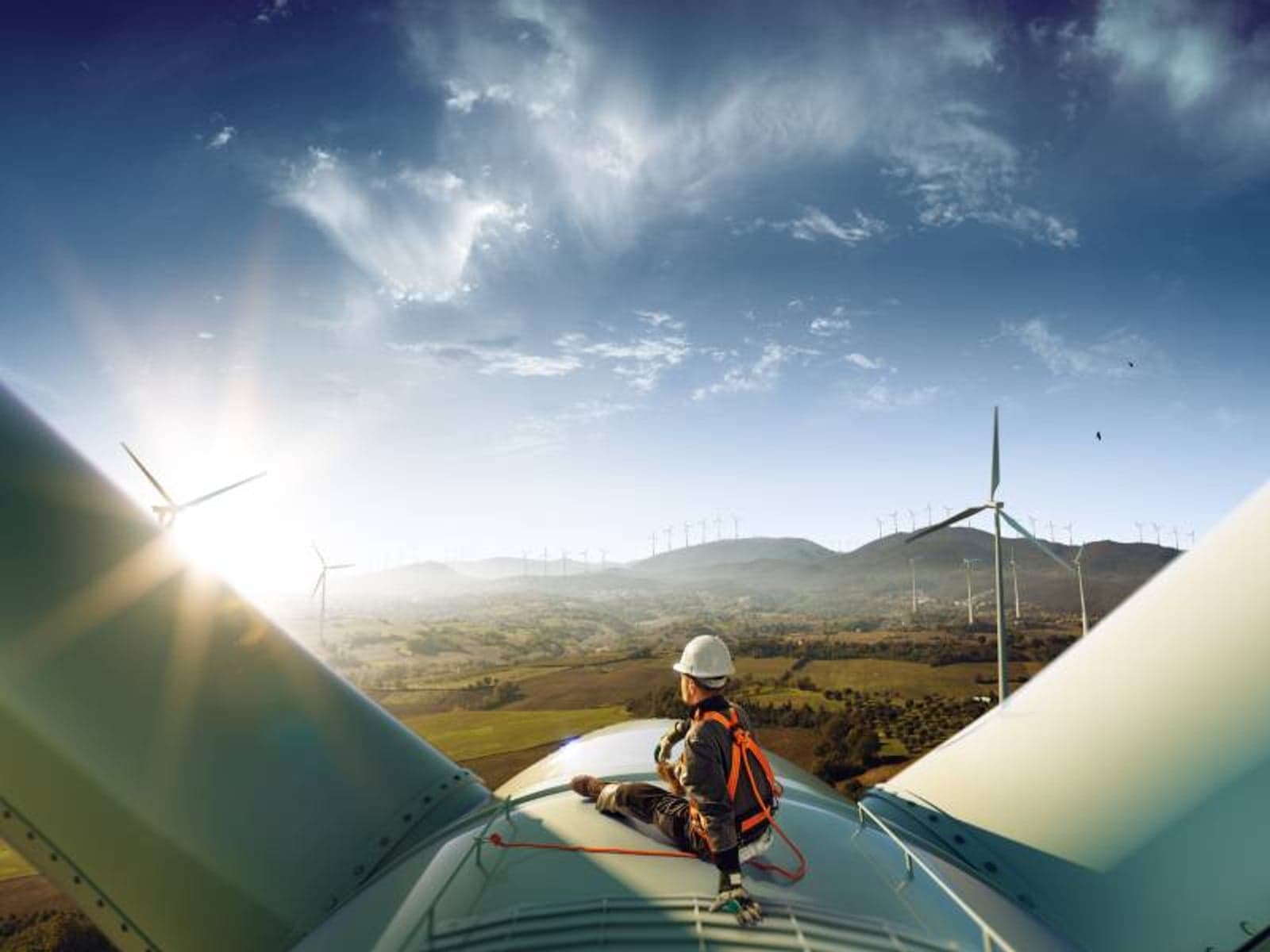
If the demand for wind energy continues to grow at its current pace, the sector is projected to face a 6-8% global shortage of skilled wind technicians by 2028.
This is one of the key findings of the latest Global Wind Workforce Outlook 2024-2028 report released by the Global Wind Organisation (GWO) and Global Wind Energy Council (GWEC).
The report shows that the demand for skilled workers is significant. By 2028, the sector will need over 532,000 technicians to build and maintain global onshore and offshore wind fleets, with 40% of these roles needing to be filled by new entrants.
While GWO and GWEC are concerned about the increasing number of under-skilled workers entering the field, coupled with the need to recruit 212,000 skilled technicians over the next five years, they suggest this provides an opportunity for new talent to enter the wind sector. This talent could come from higher education or from other sectors as the world transitions away from fossil fuels.
Have you read?
How people are powering progress in the energy transition
The craftsman who carved a career in gas turbines
The report makes nine recommendations to address the skills situation:
- Set workforce targets as part of the national energy policy;
- Introduce education courses based on STEM for preparing students to become the entry level wind workforce;
- Investments and funding programmes for workforce training, apprenticeships and upskilling to equip workers;
- Promote industrial policy and tendering criteria that foster wind installation growth through local jobs as much as possible;
- Facilitate the tailored retraining/reskilling pathways to promote transfer and upskilling of workers from carbon intensive industries to wind industry jobs;
- Promote diversity, equity and inclusion to enhance attraction and retention of workers to the industry;
- Improve policies to address workforce imports, exports and dislocation;
- Set standards and penalty provisions for operational health and safety for onshore wind and offshore wind workforce;
- Embrace the advantages of global standards and workforce initiatives, blending them to meet local conditions.
Jakob Lau Holst, CEO of Global Wind Organisation, commented on the report's findings: "The message from this, our fifth edition of the GWWO, is clear: a focus on people is essential to meet wind sector goals and drive a sustainable energy transition. GWO & GWEC’s programmes and partnerships have a key role in acting to reduce the impact of climate change on communities.
"However, to achieve resilient supply chains of skilled personnel ready to build and maintain the wind energy infrastructure we also need governments to act by investing in vocational training, removing regulatory barriers and by supporting the call for international training standards."
The greater workforce challenge
The lack of skilled workers to drive the energy transition, as well as the need to focus on people as a central force driving the energy transition, are hot topics on the agenda for many organisations.
This week, the UK's Electrical Contractors’ Association (ECA) released a report showing that a nationwide shortage of skilled electricians in the UK could hinder the country in meeting its net zero goals.
More specifically, the electricians shortage could hinder the safe roll-out of green-technologies, such as energy storage systems and solar PV, both of which require the skillset of competent, qualified electricians.
Read more about Europe's workforce challenge
ECA also finds that only 10% of learners enrolled in government-funded, classroom-based electrical courses successfully transition to apprenticeships within a year. Andrew Eldred, chief operating officer at the ECA, commented: “Building a robust supply of apprentices and creating meaningful, employer-backed pathways for those finishing classroom-based courses are essential steps toward a stronger, safer, and more sustainable future.”
And in the wider European context, Javier Sanz Rodriguez, thematic leader Renewable Energies at InnoEnergy, suggests the lack of skilled workforce could be the weakest link in Europe's solar PV value chain, a situation that could damage the region's competitive advantage.
Listen to this episode of the Energy Transitions podcast to learn more about why people need to be at the centre of the energy transition, and how unlocking people power will unlock significant value for your team and organisation.
Originally published on powerengineeringint.com
Related tags
Latest content
+2
Moving the dial on the workforce challenge
The energy sector is facing a shrinking potential workforce and to address this effectively, a three-pronged approach is needed involving government, educational institutions and the sector at large. This was the overriding message in a conversation with Alison Lowrie, founder of UK-based talent management specialists STEM Select, and Tom Essex, founder of Dutch recruitment specialists KIGYO, about how to ensure the people and skills are available to reach our energy transition goals.
- Pamela Largue
- 07/05/2025