Partner content
Octopus Energy boss Greg Jackson on 'the magic of AI in the energy sector'
Enlit Editorial Team
Posted on: 13 September 2024
In an Enlit exclusive, Jackson shares his view on AI as an enabler to achieving the energy transition, the critical role that smart tech has in the current and future energy transition, and the importance of investing in the workforce of tomorrow.
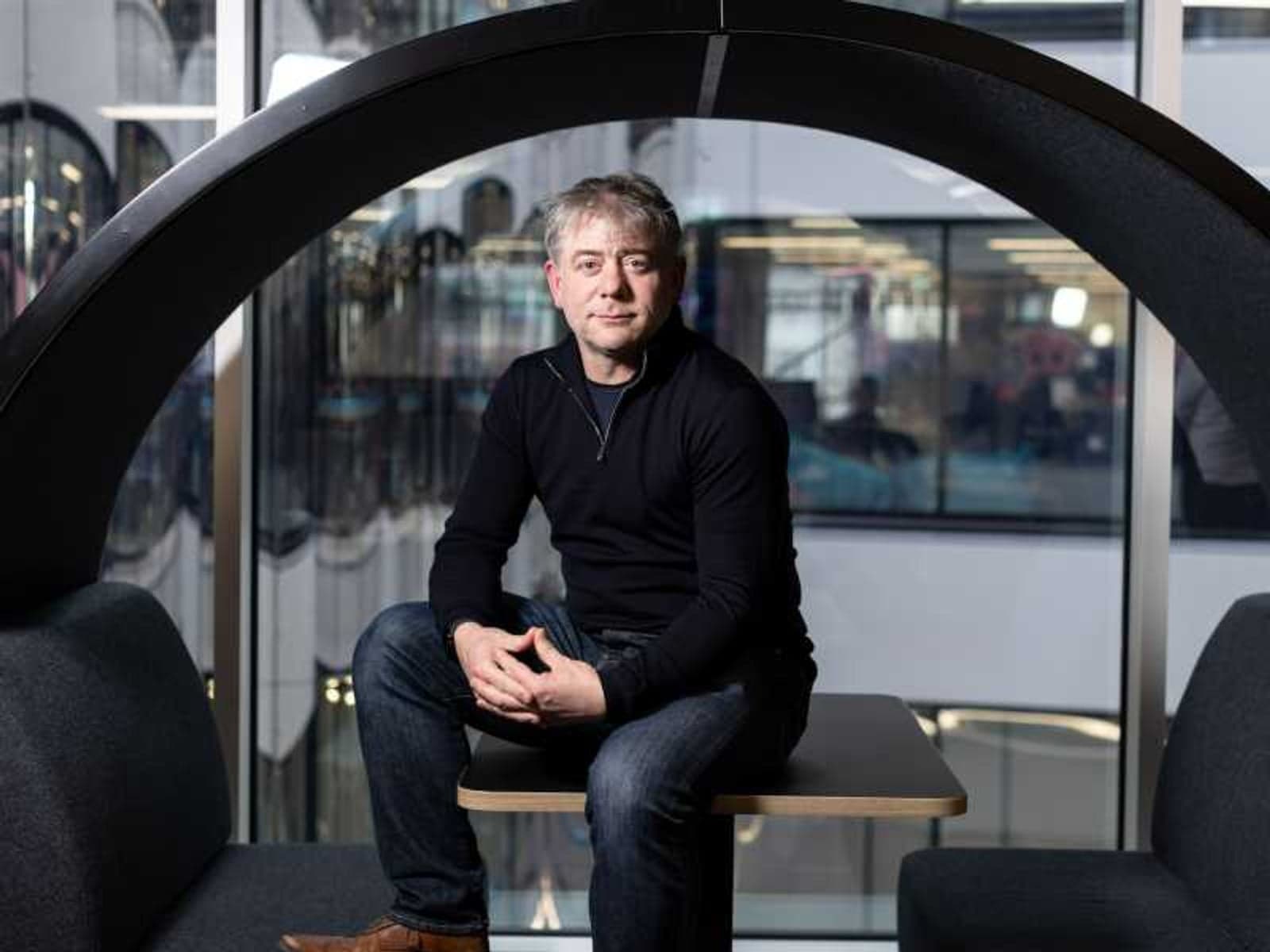
"With AI, we’re moving to the smartphone era energy systems, where everything is optimised in real time," says Greg Jackson, founder and chief executive of Octopus Energy Group.
In an Enlit exclusive, Jackson shares his view on artificial intelligence as an enabler to achieving the energy transition, the critical role that smart tech has in the current and future energy transition, and the importance of investing in the workforce of tomorrow.
How will AI help accelerate the energy transition?
Imagine a world where your electricity isn’t just 'on' or 'off', but smart enough to flow exactly where it’s needed when it’s needed. That’s the magic of AI in the energy sector.
Right now, our traditional energy systems are like old-school telephone landlines – clunky, inefficient, and expensive. But with AI, we’re moving to the smartphone era, where everything is optimised in real time.
AI can adjust energy flows based on what's happening right now, making the grid significantly more efficient. This is especially important for integrating renewable energy sources like wind and solar which can vary in output.
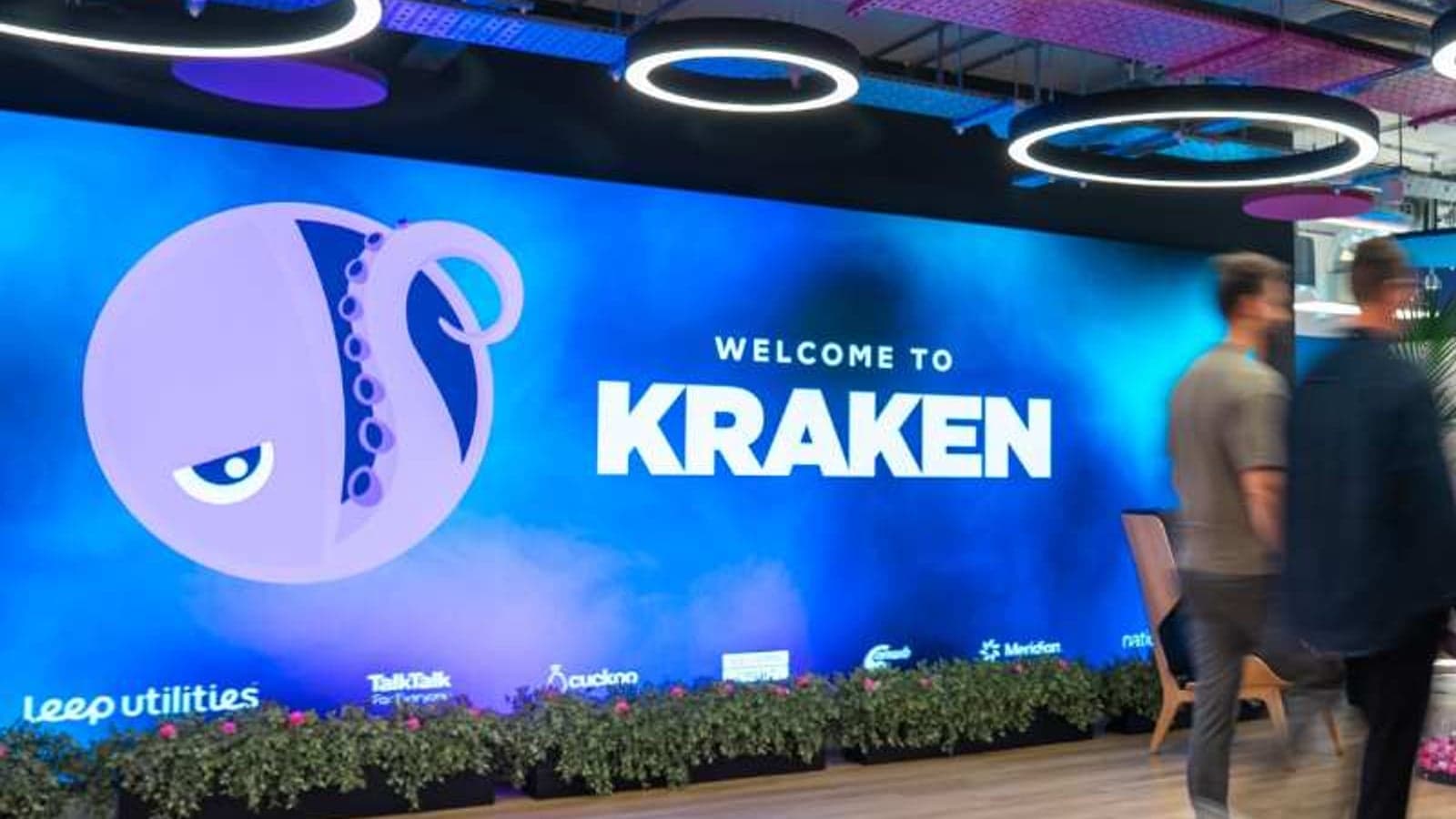
For example, Kraken, our advanced end-to-end operating system for energy, uses AI to manage 180,000 electric vehicles. That’s over 1GW of flexible energy, roughly the size of a nuclear power plant, ready to jump in and balance the grid when needed.
The UK government says this AI-driven flexibility could save at least £10 billion (EUR1.2 billion) a year in grid costs by 2050. Those savings would end up reducing your energy bills – it’s a win-win.
Europe needs a strong industrial strategy to ensure its global competitiveness. What role must the energy sector play in this strategy?
Energy is a major cost factor for industries, and so must play a crucial role in Europe's industrial strategy. To stay competitive globally, Europe needs to strengthen its energy sector to provide affordable and sustainable power that fuels industrial growth.
Renewables are now the cheapest form of energy. By harnessing them properly, Europe can power its industries with green affordable energy. Wind-rich areas like Lower Saxony in Germany or Scotland in the UK could have the cheapest electricity in Europe. That’s not just good for the planet: it’s a huge incentive for energy-intensive businesses to set up shop and flourish there.
You might be interested in:
European Industrial Energy Days
Reforming the energy market to introduce this kind of pricing isn’t just smart – it’s essential. Not only would it lower costs for businesses, but it would also bring down bills across the country and help position Europe as a leader in the green economy, ensuring sustainable growth for the future.
How important is community buy-in for accelerating the European energy transition?
Community support is crucial for speeding up Europe’s shift to green energy. For way too long, the energy transition has been something that’s done to people rather than for them. Instead of enjoying the perks of cheap green energy, households have been stuck with the bill for the transition. That’s got to change.
For example, Kraken powers Octopus Energy’s ‘Fan Club’ offering customers up to 50% discounts on their electricity rate when their local wind turbine is spinning. The tariff is incredibly popular – over 32,000 people have already asked us to bring the ‘Fan Club’ to their community so they can enjoy cheaper bills and greener energy. So far, it’s available in both the UK and Germany (with France upcoming - watch this space!).
In the UK, nine out of ten people would support a wind turbine in their community if it means cheaper energy bills – and this phenomenon isn’t just visible in the UK, it's a universal principle.
Initiatives like the ‘Fan Club’ work because they align with local interests. By actively involving people and ensuring they reap the rewards, we can drive faster progress in Europe's shift to clean energy.
It's a win-win – communities get cheaper power and a stake in the transition, while the continent moves closer to its climate goals.
COP28 committed to tripling global renewables by 2030. What are the top three challenges for Europe to achieve this goal?
Europe’s got some hurdles to jump if we want to triple our renewables by 2030, but it’s do-able if we tackle these three challenges:
Planning Reform: We’ve got to move faster to build wind and solar where people want them. The planning reform for onshore wind projects announced by the UK government was a good start. These are the kinds of decisions we need to see across Europe.
Grid Reform: Right now, getting a grid connection for your wind farm can take years, if not decades. However, the actual construction of the wind farm usually takes less than a year. For example, the UK has 700GW of projects in the grid queue. In many European countries, the situation is similar. We need to prioritise shovel-ready projects and remove zombie projects from the queue that are blocking us from delivering cheap green energy quickly.
Market Reform: Instead of one price for the whole country, we should let regions with lots of cheap, green power – like Scotland or Lower Saxony in Germany – benefit from it. We wouldn’t expect everyone in the UK to pay London rent prices, so why do we do it in energy? Locational pricing would mean cheaper electricity where it’s abundant, more investment where it’s needed, and better use of our green resources. What’s better, this also brings bills down for everyone through reduced system costs.
Have you read:
Generative AI has ‘turbocharged the power of the human’ says Octopus Energy founder Greg Jackson
‘We need to keep going hell-for-leather on renewables’ says Octopus Energy boss
How will Octopus Energy and Kraken address these challenges at Enlit Europe?
At Enlit, we will show how smart tech can make the energy system cheaper, greener, and more flexible than ever, and how it’s achievable today. We’ll show how Kraken is already optimising energy use and balancing supply and demand in real-time, powered by AI. This reduces the need for grid upgrades and brings bills down for everyone.
Our experts will discuss the need for urgent planning, grid, and market reforms. We’ll talk about how these changes can speed up the connection of renewable projects, turning big climate goals into actual results.
By focusing on the big wins – prioritising high-impact projects, partnering with like-minded companies and embracing locational pricing – we’ll show how smart flexibility isn’t just a buzzword... it’s the key to a better, more efficient energy system.
Is the European power and energy sector focusing enough on the workforce of tomorrow?
Prepping the workforce of tomorrow isn’t just about hiring: it’s about ensuring people have the right skills to build the future of energy.
At Octopus Energy, we’ve had over 300,000 job applications last year [2023] alone, and even more this year [2024]. We’re not struggling to find people: the real focus is on upskilling and reskilling.
This year, we’re hiring thousands of engineers and creating new high-skilled jobs in tech and flexibility. Our team has grown more than 30 times over the last five years, especially within Kraken, which is hiring talent all over the globe.
To keep this momentum going, we’ve launched OctoPalooza – an innovative hiring festival that we take to different cities, hiring hundreds of engineers at each stop. It’s a fresh way to bring in the best and brightest in a completely fresh approach to recruitment.