Ofgem supports National Grid with £1.5m for energy network innovation
Power Engineering International
Posted on: 2 March 2022
The UK's National Grid Gas Transmission and National Grid Electricity Transmission have been granted a combined £1.5m in funding from Ofgem for 13 innovation projects, ranging from the use of hydrogen in the gas national transmission system, to using satellite data analytics to increase grid resilience to the impacts of climate change.
The UK’s National Grid Gas Transmission and National Grid Electricity Transmission have been granted a combined £1.5m ($2m) in funding from Ofgem’s Strategic Innovation Fund (SIF) for 13 innovation projects, ranging from the use of hydrogen in the gas national transmission system, to using satellite data analytics to increase grid resilience and the impact of climate change.
National Grid Gas Transmission has been granted £1.1m ($1.5m) funding for 10 projects, advancing work investigating the use of hydrogen in the national gas system and further unlocking gas’s role as a key enabler in the transition to net zero
National Grid Electricity Transmission has been awarded £400k ($532k) for three projects that will help develop a net zero electricity network – including replacing greenhouse gas SF6 with a low carbon alternative as well as utilising satellite data analytics to future proof against the impacts of climate change.
The projects, led by National Grid’s innovation teams, form part of the group’s efforts to facilitate a fully decarbonised and flexible UK electricity grid, connecting increased levels of renewable power, and enabling the decarbonisation of gas through investing in a range of solutions like renewable natural gas and blending hydrogen.
National Grid Gas Transmission has been granted funding for 10 projects:
- HyNTS compression investigates the key challenges associated with compression of hydrogen using existing national transmission system (NTS) assets. This work will determine the most cost-effective compression option for hydrogen gas networks and demonstrate the proposed system. This discovery phase will consider several sites for demonstration including the FutureGrid site enabling Phase 2 of the facility and building on this UK facility for testing and training. [Whole System Integration]
- HyNTS deblending develops a skid mounted gas separation system that is scaled for extracting gas blends from the NTS and providing the right gases to our customers. This project develops this solution alongside refueling automotive applications which require 100% hydrogen with high purity levels. [Zero Emission Transport]
- Ch4rge emissions capture will determine and demonstrate capture and recompression technologies that can be deployed on the existing gas network, to eliminate emissions from compressor leaks. [Heat]
- Gas Analyser Systems for Hydrogen Blends aims to demonstrate a fuel cell gas analyser technology that enables the compositional analysis of blends of hydrogen and natural gas up to 100% hydrogen in the NTS. [Data and Digitalisation]
- HyNTS pipeline dataset addresses several challenges regarding the inline inspection of hydrogen assets around both the pre assessment prior to hydrogen injection and post injection inspection. The project will consider the feasibility of utilising current systems and the integration of novel inspection tools and techniques. [Data and Digitalisation]
- Green hydrogen injection into the NTS focuses on the commercial and technical challenges of injecting and blending small volumes of ‘green’ hydrogen into the NTS. [Whole System Integration]
- Nuclear net zero opportunities (N-NZO) will look at how nuclear hydrogen both at a large and small scale can provide consistent hydrogen injection into the UK gas networks, whilst considering the wider impact on balancing between electricity and gas network systems. [Whole System Integration]
- Gas network interoperable digital twin looks to develop an interoperable digital system and twin of the Gas Transmission and Gas Distribution networks, linking into the wider energy networks. [Data and Digitalisation]
- Hydrogen metering will investigate how gas metering will change as the network is transitioned to hydrogen and will develop solutions for blends of hydrogen and natural gas, whilst considering the possibility of variability in the blends. [Data and Digitalisation]
- Hydrogen barrier coatings for gas network assets investigates the potential for deployment of hydrogen barrier coatings to protect and extend the lifetime of our assets. A potential solution is through electrodeposition of thin metallic layers onto the internal surface of pipelines and other assets which will be considered alongside other coating systems and pipeline materials. [Heat]
Have you read? Britain’s energy consumers – the climate disconnect and challenge National Grid investigates hydrogen ‘backbone’ in UK
National Grid Electricity Transmission has received Discovery phrase funding for three projects:- Sustainable Electrical Gas Insulated Lines (SEGIL) project will investigate a feasibility of a SF6 free Gas Insulated Line (GIL) solution to provide cost competitive, high-capacity transmission connections over 2000MVA to increase available network capacity for new offshore wind generation. The project will look at the options to replace SF6 with alternative low carbon footprint gases as a viable means of GIL insulation. [Whole System Integration]
- Super Conductor Applications for Dense Energy Transmission (SCADET) project will develop an understanding of the barriers, opportunities, and benefits of modernising existing electricity infrastructure by replacing conventional cables with the use of High Temperature Superconductor (HTS) cable technology. This will increase network capacity, delivering time, cost, and carbon savings with reduced energy losses and wider environmental benefits including reduced disturbance to local communities caused by construction activities. [Whole System Integration]
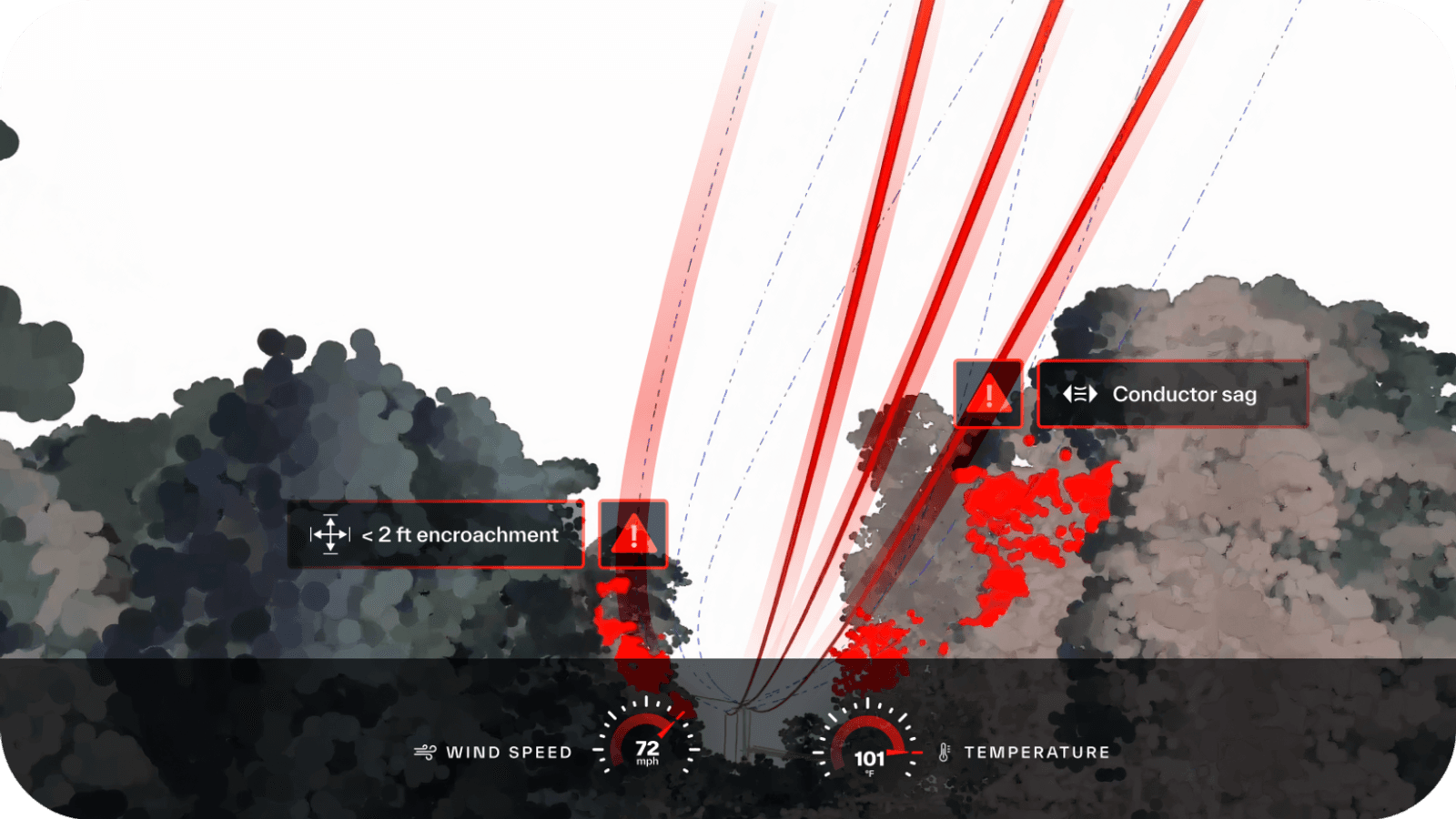
- Eye in the Sky Project – Utilising satellite data to improve grid resilience in emergency will investigate new satellite data analytics solutions that can help GB networks to improve the visibility of infrastructure and assets, response in emergency and risk assess effects of climate change. Novel uses of satellite data and digital platforms can significantly improve network planning, modelling and forecasting capabilities, and improve the response to climate change effects like flooding, strong wind, snow storm or wildfire and provide warning to the networks for better planning and resource allocation during extreme weather events. [Data and Digitalisation]