Bridging Europe's energy transition skills gap
Jonathan Spencer Jones
Posted on: 24 March 2025
There is a deep mismatch between existing skills in the labour market and what the industry requires, Enlit Europe’s ‘Making it work’ workforce study reports.
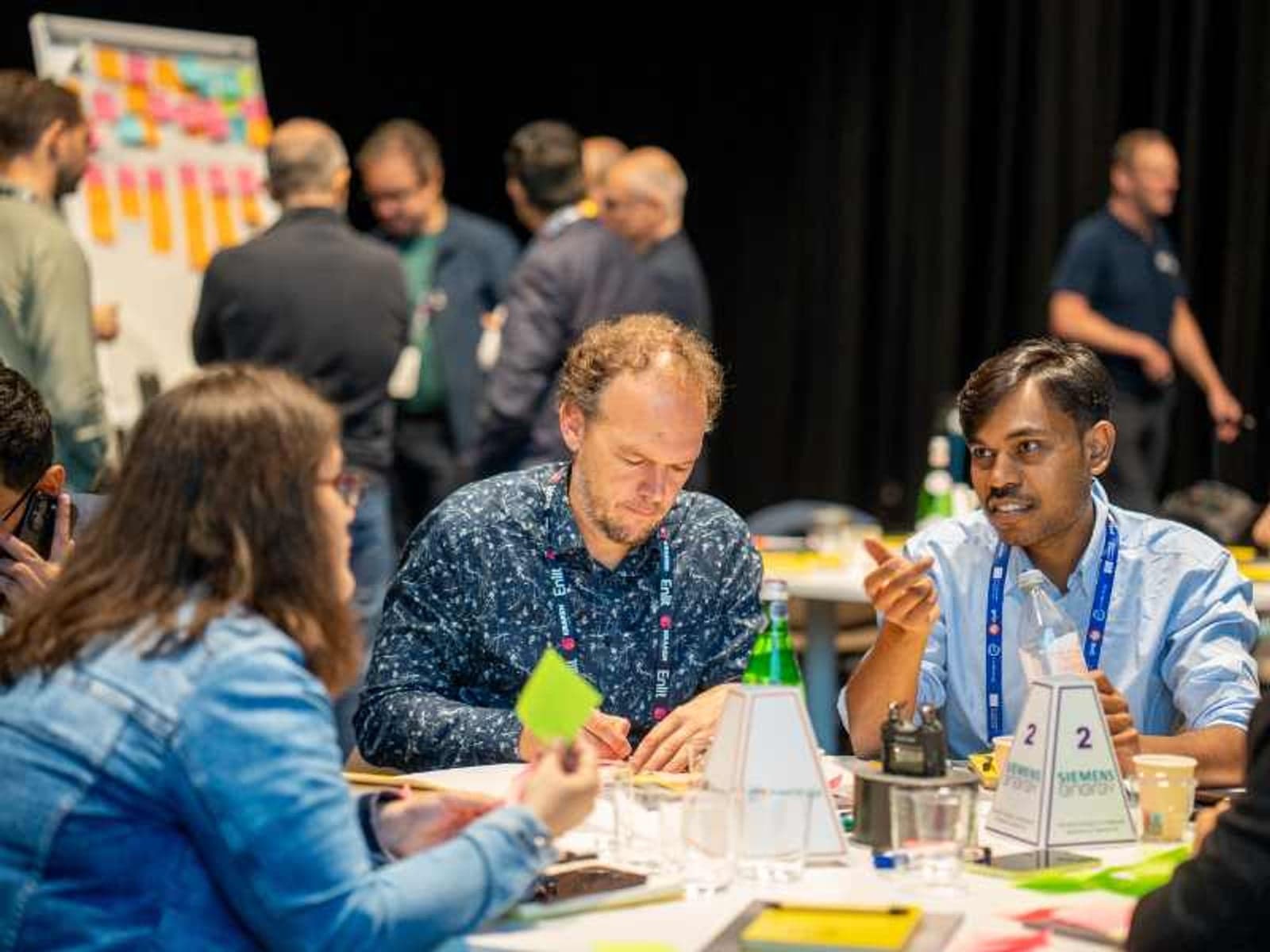
There is a mismatch between existing skills in the labour market and what the industry requires, Enlit's Making it work workforce study reports.
Complementing a headcount gap analysis, a skills gap analysis finds that there is a widespread belief that energy transition skills are not prioritised in Europe’s energy strategy. The most acute shortages are in engineering and technical skills, followed by digitalisation and data science.
As the energy system is ultimately an engineered system with the transition increasing its complexity and requiring a high level of automation for two-way intermittent, decentralised energy flows, these are of little surprise.
The energy transition has led to a workforce transformation with different skills requirements.
As Greg Jackson, founder and CEO of the Octopus Energy Group, told Enlit in an interview: “Prepping the workforce of tomorrow isn’t just about hiring: it’s about ensuring people have the right skills to build the future of energy.”
Have you read:
The energy workforce: A human capital conundrum
Preparing for AI & ML: Bridging the utilities skills gap
Sabine Erlinghagen, CEO of Grid Software at Siemens Smart Infrastructure, also emphasized that the focus on the workforce of tomorrow is critical. She said earlier this year: “As the energy sector evolves, the demand for new skills, particularly in digital and green technologies, is growing".
The Enlit workforce study, entitled Making it work: Tackling the energy transition workforce challenge, is based on an industry survey and round table at Enlit Europe 2024 to address a current strategic challenge.
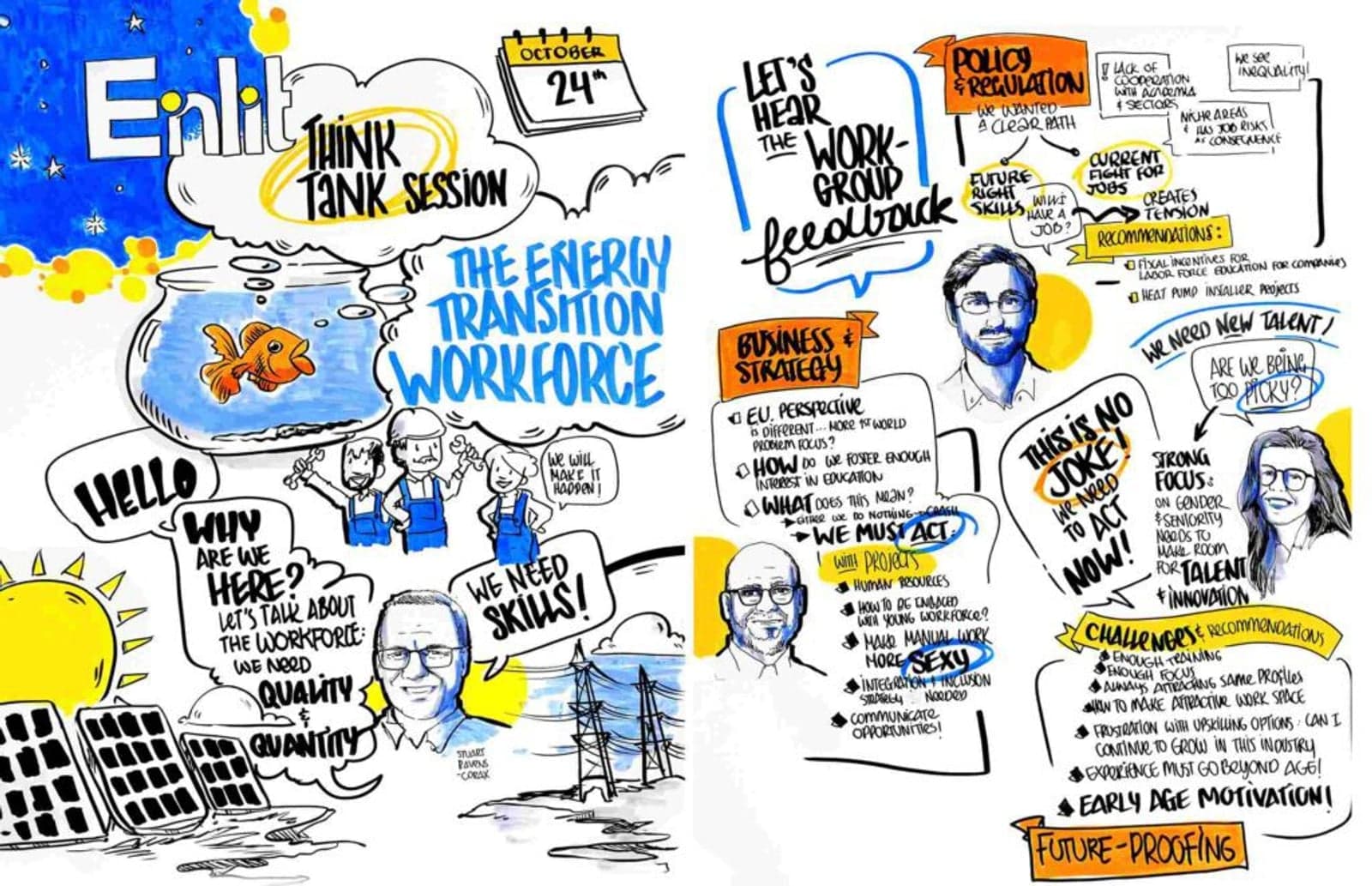
Solving the skills gaps
Turning to how the skills shortages can be solved, respondents to the survey pointed to the significant role of the energy industry in engaging with schools and academia to encourage and facilitate careers in the industry and in improving communication and outreach into communities.
Public sector investment into reskilling programmes also was felt to be important.
For example, respondents highlighted that some academic courses are not moving at the same pace as the transition and are outdated. Another issue is that some are too academic and lack practical exposure
However, respondents also noted some challenges including that industry competencies are changing faster than the industry can react, the loss of skilled people to other industries and insufficient focus on on-the-job training.
Sozon Kokkinaras, Vice President of Sales for Eastern Europe, Trilliant Networks, highlights that the landscape from 20 years ago compared to now and the future is vastly different.
“There will always be a need for skilled individuals to maintain original infrastructure and transmission wires. However, the focus is on data science, software, hybrid connectivity and AI, requiring people to upskill in these areas.”
New approaches to training
The report recommends much closer collaboration between the industry and academia, with new co-created interdisciplinary courses that straddle the intersection between energy and technology, incorporate soft skills typically taught in social science disciplines, and introduce many more practical elements.
For more practical experience in the industry, options include sponsoring specific courses that guarantee job placements for students, offering more internships to students, exposing academics to live projects, and creating regional ‘smart schools’ that focus on the requirements of local energy systems.
Improvements to in-house training for the workforce also are necessary for the high level of impact they can have and a systematic approach is recommended. Lifelong learning should be promoted and companies should provide their staff with sufficient skills to make them adaptable through the transition.
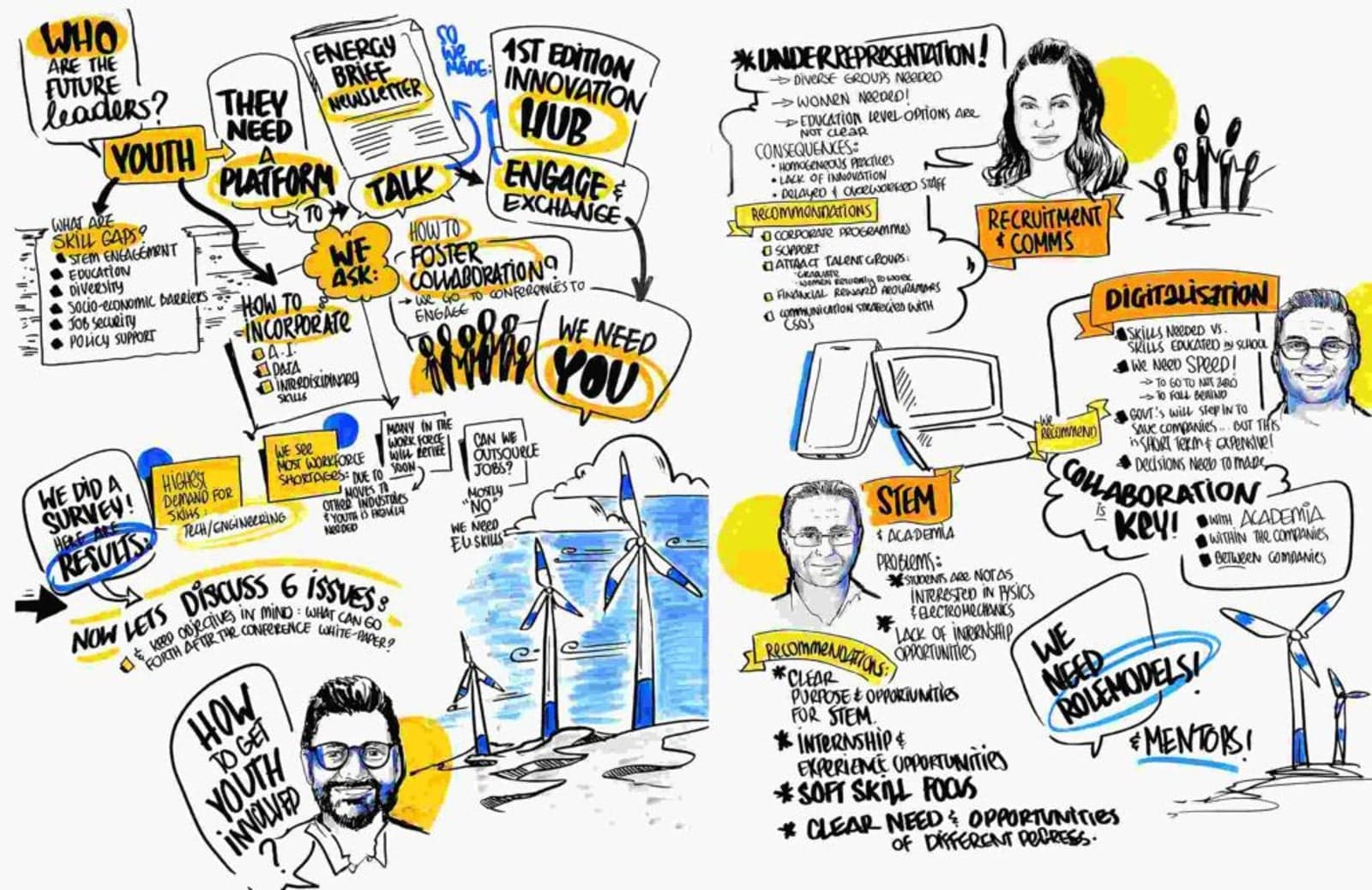
Digitalisation and AI
With the importance of digitalisation, digital training should be a strategic priority from the leadership level down and organisations should benchmark their digital maturity against other companies.
In all of these areas and others such as mentorship programmes and soft skills development, AI has a potential role, the report points out.
For example, AI could be used to create training programmes and workplace simulations to help new workers learn faster and could augment mentorship schemes.
Generative AI could reduce training time by providing higher-quality information to staff in a dynamic, responsive interaction.
Adriana Villalobos, HR expert in the energy sector and former Global Human Resources Business Partner at Siemens Energy, cautions that AI is scary for some people because their roles could disappear.
“But AI also creates an opportunity to reskill and tap new opportunities. Reskilling helps people prepare for an ever-changing market.”