Home
/
A meaningful energy transition requires knowledge and experience to keep the momentum': Schneider Electric EVP
A meaningful energy transition requires knowledge and experience to keep the momentum': Schneider Electric EVP
Enlit Editorial Team
Posted on: 4 May 2023
Frederic Godemel, Executive Vice President Power Systems & Services, at Schneider Electric spotlights key steps to achieving a just energy transition.
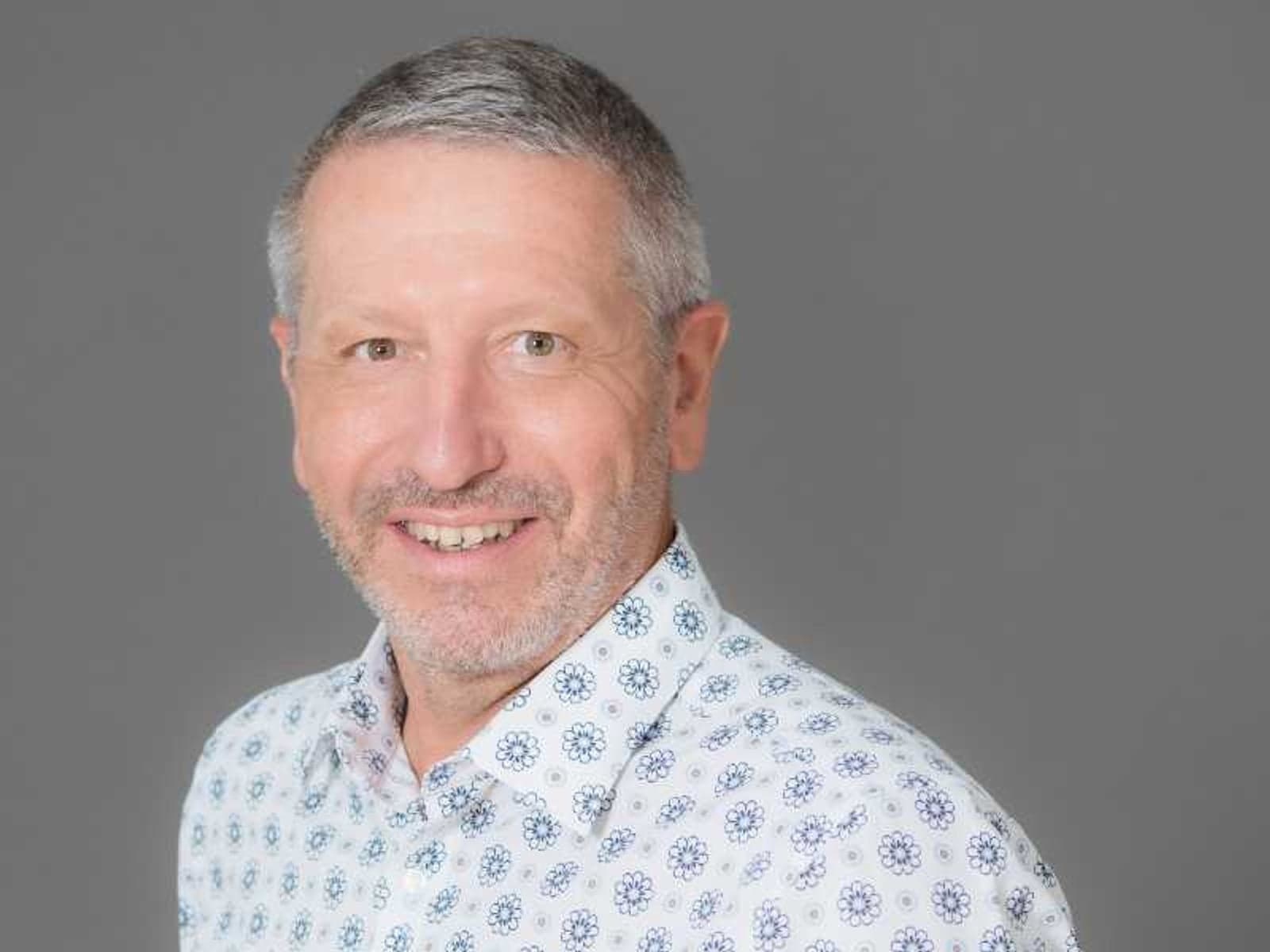
In an Enlit exclusive, Frederic Godemel, Executive Vice President for Power Systems & Services at Schneider Electric, speaks passionately about what industries need to action to reduce their carbon footprint and accelerate progress toward a net-zero future.
What are the top 3 challenges to delivering the energy transition?
It’s clear to me that among the top challenges for a successful energy transition are DER integration, appropriate energy policies, and process electrification.
First, we know that a green planet depends on green energy. This means companies must increase their use of renewables, like wind and solar, and improve integration.
Currently, excess energy is being wasted because the grid can’t integrate all the produced renewable energy. For example, during the first half of 2022, around 4% of renewable electricity generated in Germany was wasted because the grid didn’t have the capacity to transmit power.
The US is also struggling with this challenge. In 2022, California curtailed 2.4TWh of wind and solar production, enough to power around 200,000 homes. These examples show that more and more green electrons never make it to the grid, a pattern that needs to change.
Second, European regulations are also becoming more stringent, such as the EU’s Fit for 55 package. I view these regulations as a positive driver of change, but it is proving difficult for companies to rapidly lower their carbon footprint.
Finally, I see demand-side electrification, especially industrial process electrification, as the key challenge because there is so much room for improvement.
Today, 78% of the industrial sector is not electrified. We know that roughly 50% of industrial site energy can be electrified using existing technology. It’s important that companies identify how to make changes today, such as electrifying industrial heat and motion processes.
In your own words, what single action will accelerate the deployment of renewable generation?
Simplifying permitting regulations and shortening licensing times can accelerate green generation and the shift away from fossil fuels. While these are just two of the reasons why renewable generation deployment is lagging, they are areas that are ready for large improvements. For example, currently, the complete permit-granting process for large renewable energy projects can take up to nine years.
Without eliminating this bottleneck, it isn’t feasible to meet the EU’s climate targets. The EU already has a solution in progress – its 2023 Flagship Technical Support Project, which seeks to streamline and accelerate permitting processes.
We’re also seeing that these delays hurt profitability and discourage investors because delays raise development costs and lead to higher project cancellation rates. For example, in Italy, almost 50% of all renewable projects are abandoned.
Furthermore, despite the global public support for renewables, challenges continue to manifest locally when it comes to building renewable projects. It’s my view that companies must actively highlight the benefits renewable energy brings to the public. For example, an IRENA analysis shows that enacting a 1.5°C-aligned energy transition could result in the loss of 11 million jobs related to fossil fuels and nuclear, but a gain of 85 million additional energy transition-related jobs, such as large-scale wind and renewable energy deployment, power grids, and energy efficiency.
What most excites you about the European energy transition?
I’m excited to see how companies are eliminating greenhouse gases (GHG) to meet net-zero goals. I’m particularly energised as I watch companies phase out the greenhouse gas SF6 from their medium-voltage switchgear. This change is significant because we’ve long known that SF6 is an environmentally harmful fluorinated gas (f-gas). Previously there was no alternative. Now companies have a better option for reducing their electrical equipment’s carbon footprint by using air and vacuum technology for breaking and insulating, rather than SF6.
Making the switch to SF6-free electrical equipment also aligns with the European Commission’s proposed amendment to limit f-gas use (including SF6) by 90% by 2050. Schneider Electric agrees that f-gas requirements must be strengthened for a greener future. That’s why we’re working closely with other manufacturers in the Switching Gears for Net Zero Alliance to spread the message that power grids can, and should, be f-gas-free.
How are your industry experts going to address these challenges at Enlit Europe 2023?
At Enlit Europe 2023, we’ll be talking about how utilities can eliminate barriers between the supply and demand side. The way we do that is by understanding the holistic view: grid technology, electricity market design and policies, and economics. Focusing on these three areas will help all energy stakeholders determine the magic equation for making progress toward a net-zero future.
One highlight that needs more time in the spotlight is the deep value of real expertise. It’s not just technology – a meaningful energy transition requires knowledge and experience to keep the momentum we need, on the grid side and in buildings, industry, and mobility. From the electricity perspective in the green and digital future, the lines between these are being erased.
Have you watched:
Schneider Electric’s Frederic Godemel says the pace of electrification is not fast enough
SF6-free AirSeT MV innovation by Schneider Electric