CST4ALL: Discovering the concentrated solar thermal hybridisation frontier
Guest/partner contributor
Posted on: 1 April 2025
CST4ALL is catalysing hybridisation and cooperation initiatives at the interface between concentrated solar thermal (CST) and other renewable energy technologies.
CST4ALL is catalysing hybridisation and cooperation initiatives at the interface between concentrated solar thermal and other renewable energy technologies.
The launch of the EU Green Deal and supporting initiatives such as smart sector integration, Fit for 55 and the Clean Energy Transition Partnership (CETP) have all been crucial for member states to reassess their energy strategies and explore solutions to address the challenges of decarbonisation.
Concentrated solar thermal (CST) is a well-established technology that uses reflective surfaces to focus the sun’s rays onto a receiver, capturing solar radiation as high temperature heat.
While often associated only with dispatchable power production in the form of concentrated solar power, also known as solar thermal electricity, CST delivers flexible ‘green’ heat and enables low cost thermal energy storage.
This offers distinct advantages and at the same time complements other solar technologies such as photovoltaics that only generate electricity.
CST can be an important enabling technology to decarbonise the energy sector and increase energy security by replacing imported ‘brown’ fossil-fuel energy supplies with solar-derived ‘green’ heat.
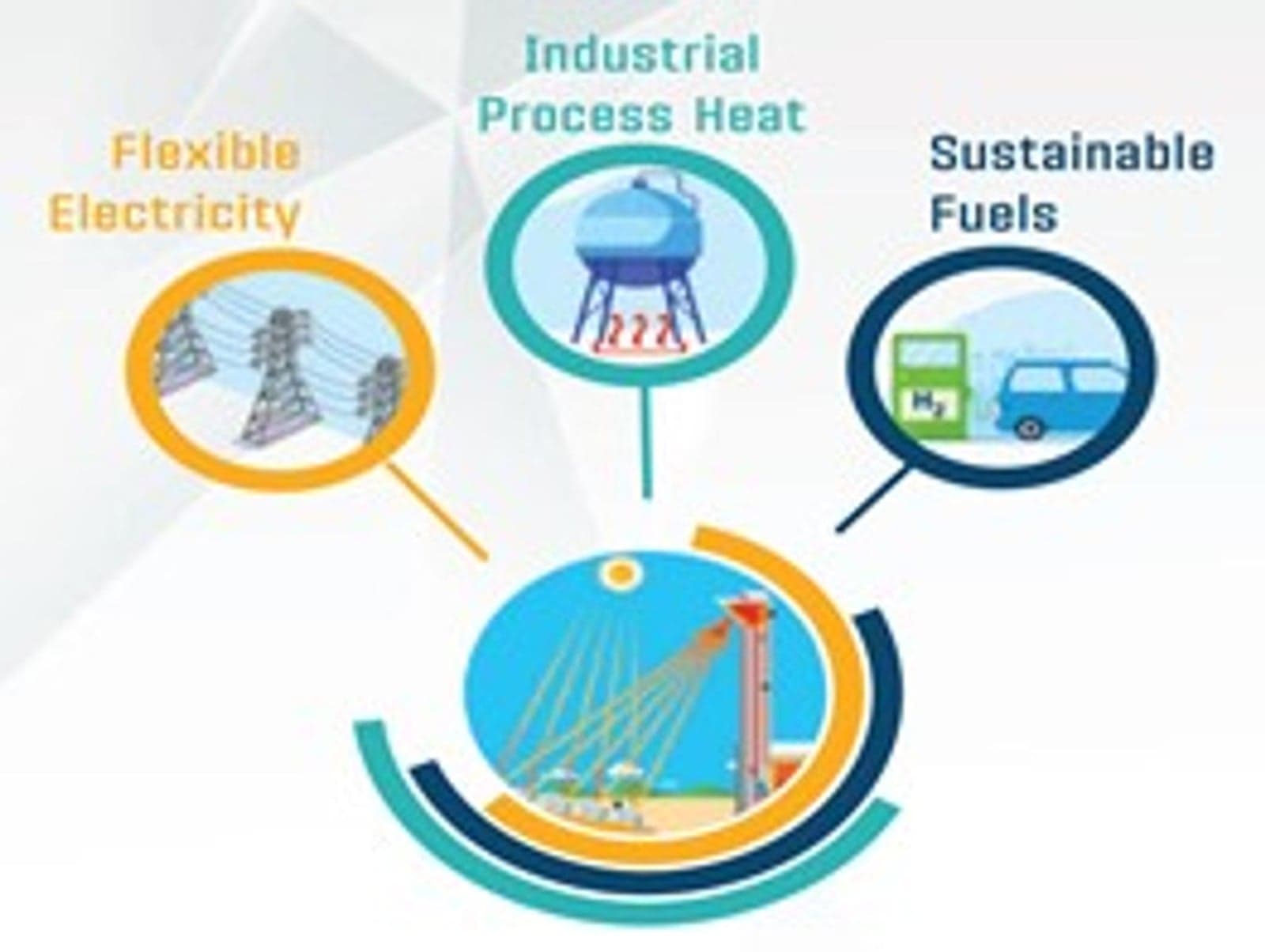
Hence CST has a proliferation of value-added energy products to offer which includes production of electricity, industrial process heat as well as carbon neutral fuels.
The CST4ALL project aims to enhance the cooperation and hybridisation initiatives among the three aforementioned sectors with other renewable energy technologies through dedicated industry and R&I workshops.
The project has already brought together key stakeholders of respective industries to discuss technology interfaces for CST to support enlargement of active stakeholders, diversification of sustainable energy mix options and proper political/regulatory frameworks for funding new R&I initiatives.
The project also brings a unique added value by including a social science and humanities perspective to overcome EU Green Deal challenges in support of cross-sectoral collaboration, technology adoption, societal transformation, public support, social acceptance and gender related issues.
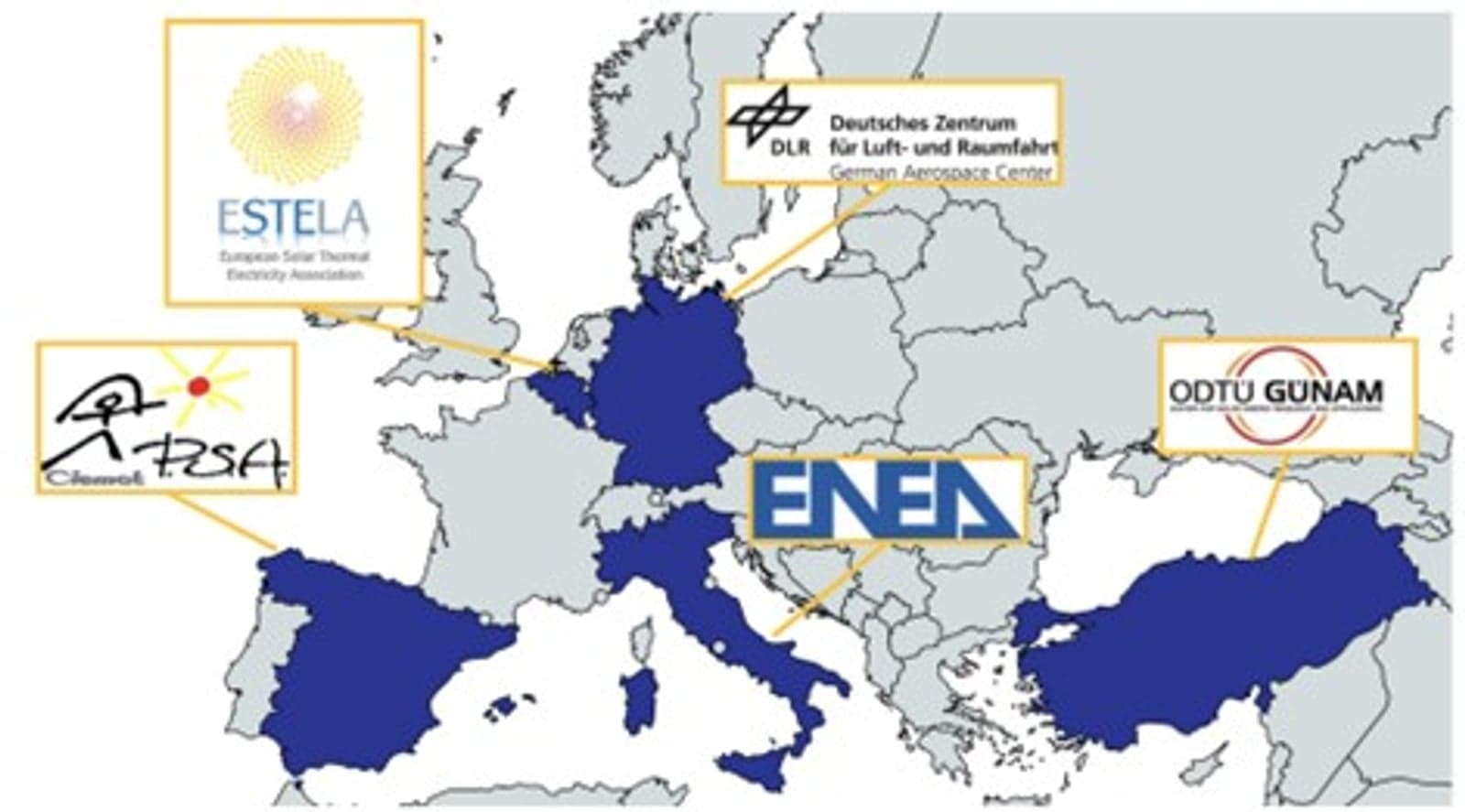
The CST4ALL project is coordinated by DLR (Germany), with project partners ESTELA (Belgium), CIEMAT (Spain), ENEA (Italy) and GÜNAM (Turkey) bringing in their expertise in the CST sector.
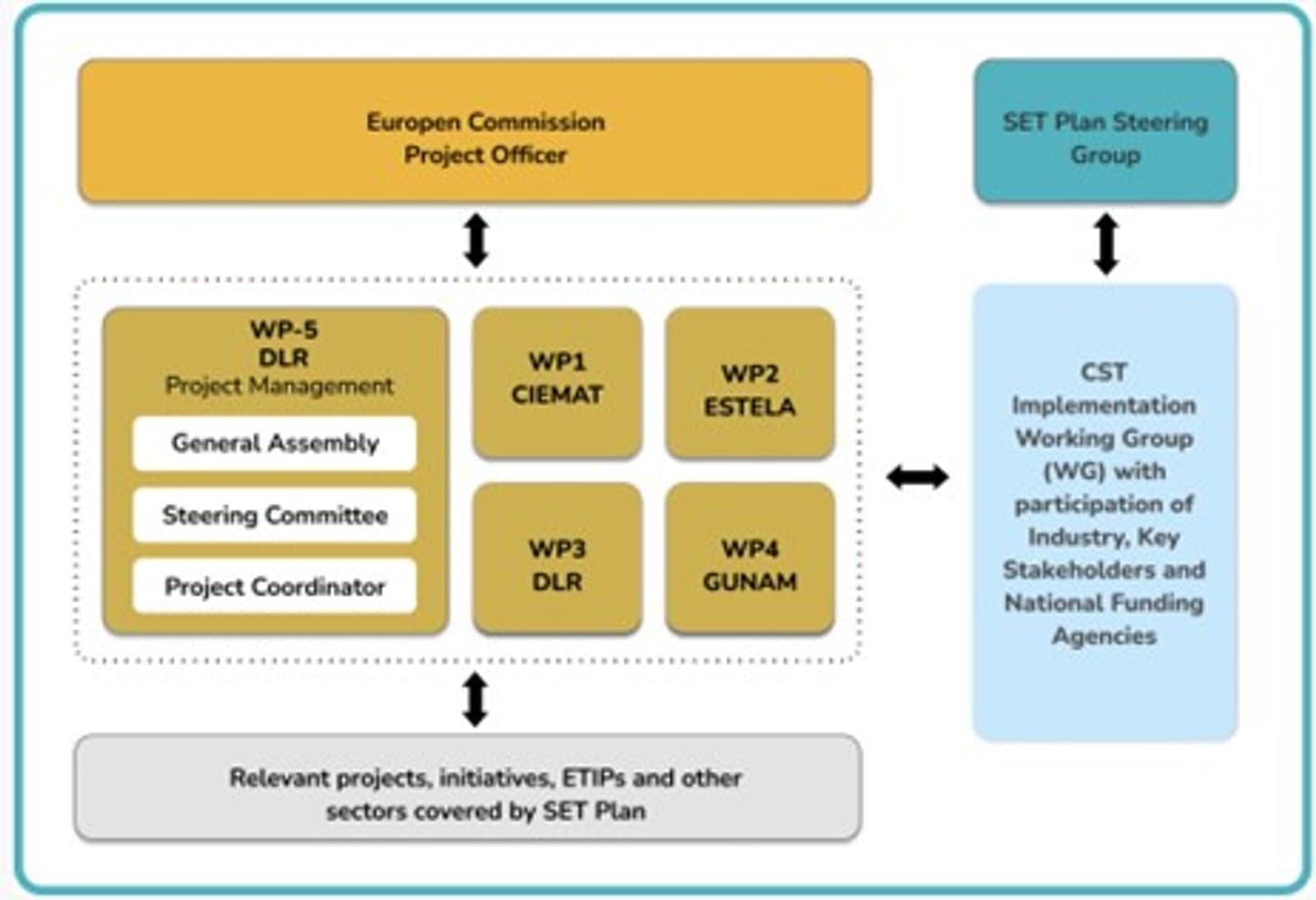
CST4ALL project structure
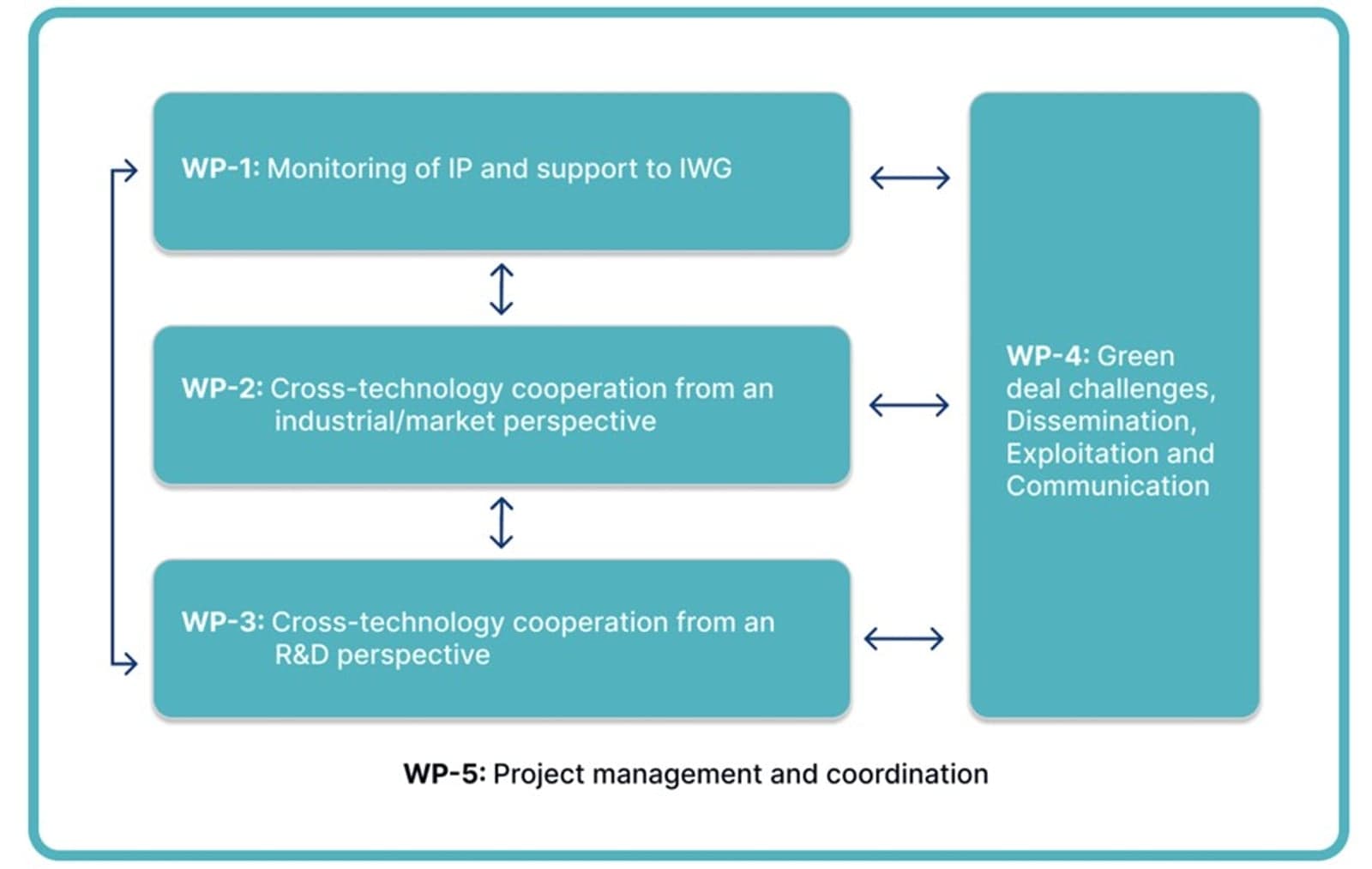
Each work package aims to integrate the unique needs of the CST ecosystem by engaging industry, research and technological organisations, primarily to support the CST Implementation Working Group, level-up the technology in the context of the European Strategic Energy Technology Plan (SET Plan), assess the conditions (energy policy strategies, financial conditions, etc) for the deployment of the technology and enable stronger collaboration between CST and non-CST actors.
The project also aims to create a network of experts for joint research and to look for strategies to reduce costs, enhance efficiency and durability of CST and the other involved renewable energy technologies.
The project will end in September 2025 and will have completed nine industry and R&D workshops.
Industry workshops
Key takeaways from the workshops are as follows.
CST-PV (22 February 2024)
It is recognised that PV and CST are not in competition, but are complementary to each other. Hybridisation can combine the strengths of both technologies to lower the levelised cost of energy and result in higher capacity and efficiency compared to single, independent plants/technologies.
CST-Biomass (7 May 2024)
Several case studies presented in the workshop have underscored the significant potential of hybrid CST-biomass technologies for clean, reliable, and secure energy generation. Among the key concerns raised included the complexity of integration and the bankability of emerging projects, highlighting the need for industry, research and policy stakeholders to work together to advance the deployment of these hybrid systems.
CST-Heat pumps (29 October 2024)
CST integration with heat pumps is a promising technological combination for decarbonising building heating, district heating and industrial processes. Participants identified the shared use of thermal energy storage to balance supply and demand as a key synergy between the two technologies. Scaling up demonstration projects and driving innovation in thermal energy storage solutions and heat pump technologies were highlighted as key priorities to address operational, financial and technical challenges.
CST-Geothermal (10 March 2025)
Registration is available through the CST4ALL website.
CST-Energy storage (April/May 2025).
More information will be available through the CST4ALL website.
R&D workshops
Material development and characterisation (9 November 2023)
Among common materials challenges and opportunities to address are environmentally durable and sustainable coatings to enhance optical and panel properties, improved coating for erosion prevention, standardised testing and qualification of new materials across sectors, molten-salt usage in CSP and nuclear reactors and enhanced material recycling.
Hybridisation challenges for electricity and/or heat (22 March 2024)
Different plant implementation examples and tools to optimise hybrid plants have shown that, despite the increased complexity, hybrid plants can offer improved techno-economic performance and flexibility, which can contribute to the development of more sustainable and resilient energy systems.
Meteorology (11 December 2024)
The workshop drew upon the discrepancy between research and application and highlighted the importance of data types (historical forecast and future projection), work to be completed for data harmonisation and data quality and problems to be addressed with higher penetration of renewable power in the grid. There are many meteorological models used in research and industry but best practices and user guidelines are essential in the field especially to investigate the effects of ‘Dunkelflaute’, climate change and extreme weather risks.
Future energy mix with 100% decarbonisation level (24 March 2025)
Registration is available through the CST4ALL website.
To stay up-to-date on CST4ALL’s activities and opportunities, follow the project on its website, LinkedIn or X, or sign up for the newsletter.
Contribute to the social science and humanities survey at CST4ALL Public Opinion Survey on Green Deal Challenges & SSH and Gender Aspects.
About the author

Dr Hande Eryilmaz is a senior researcher at ODTÜ-GÜNAM with an interdisciplinary background in industrial engineering and science and technology policy studies. She has both academic and sector experience and currently has leadership roles in EU-funded projects such as SolarHub and Solarize. Her research interests include innovation management, project and quality management, systems thinking, energy policy and governance, science communication and sustainability. She is a keen advocate of gender equality in the energy sector.