Europe Energy Briefs: Weather and climate and how they impact the energy system
Jonathan Spencer Jones
Posted on: 21 July 2025
Weather events are becoming both more extreme and more frequent bringing new challenges for power system operators and others such as energy traders.
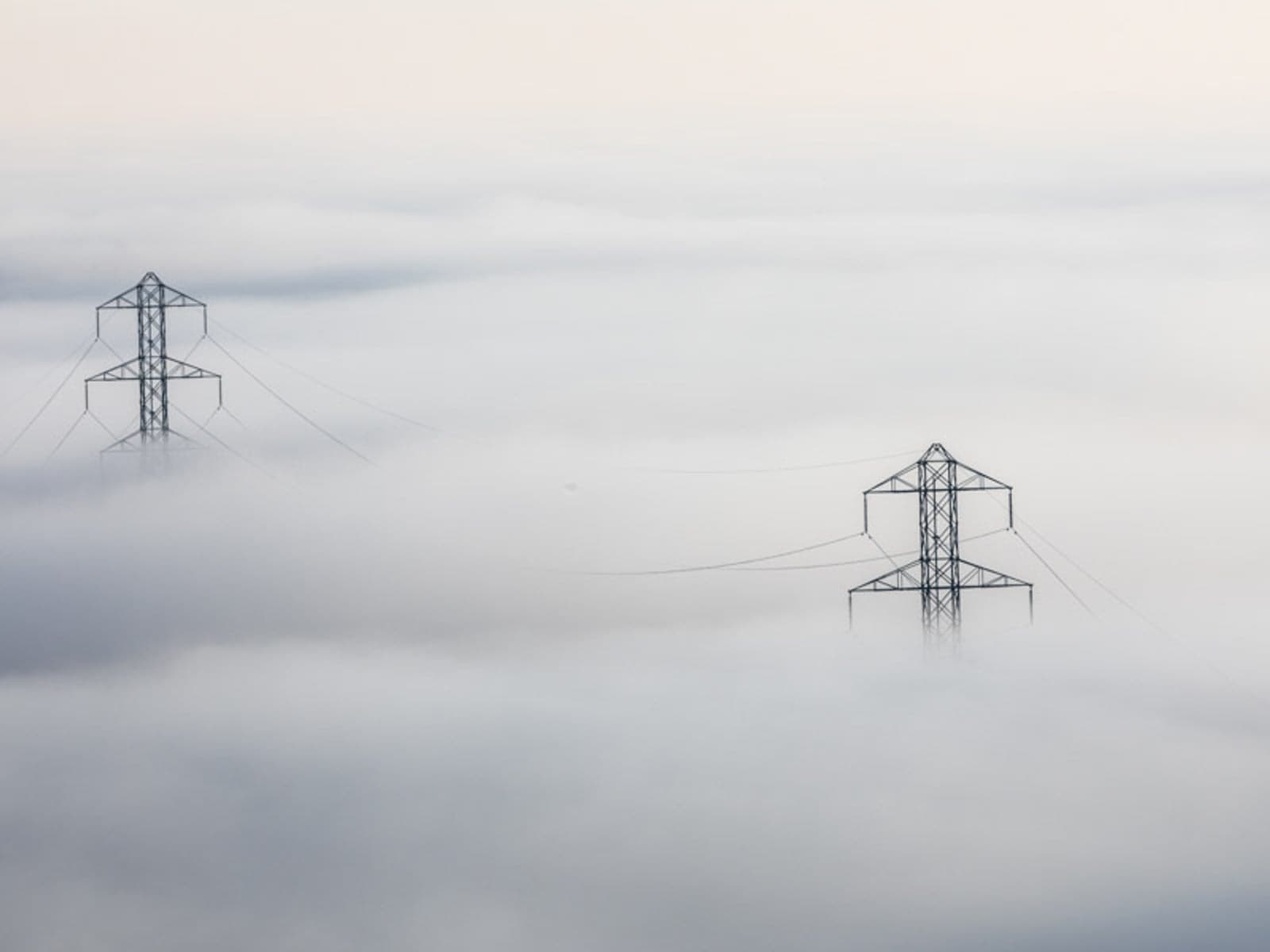
Weather events are becoming both more extreme and more frequent bringing new challenges for power system operators and others such as energy traders.
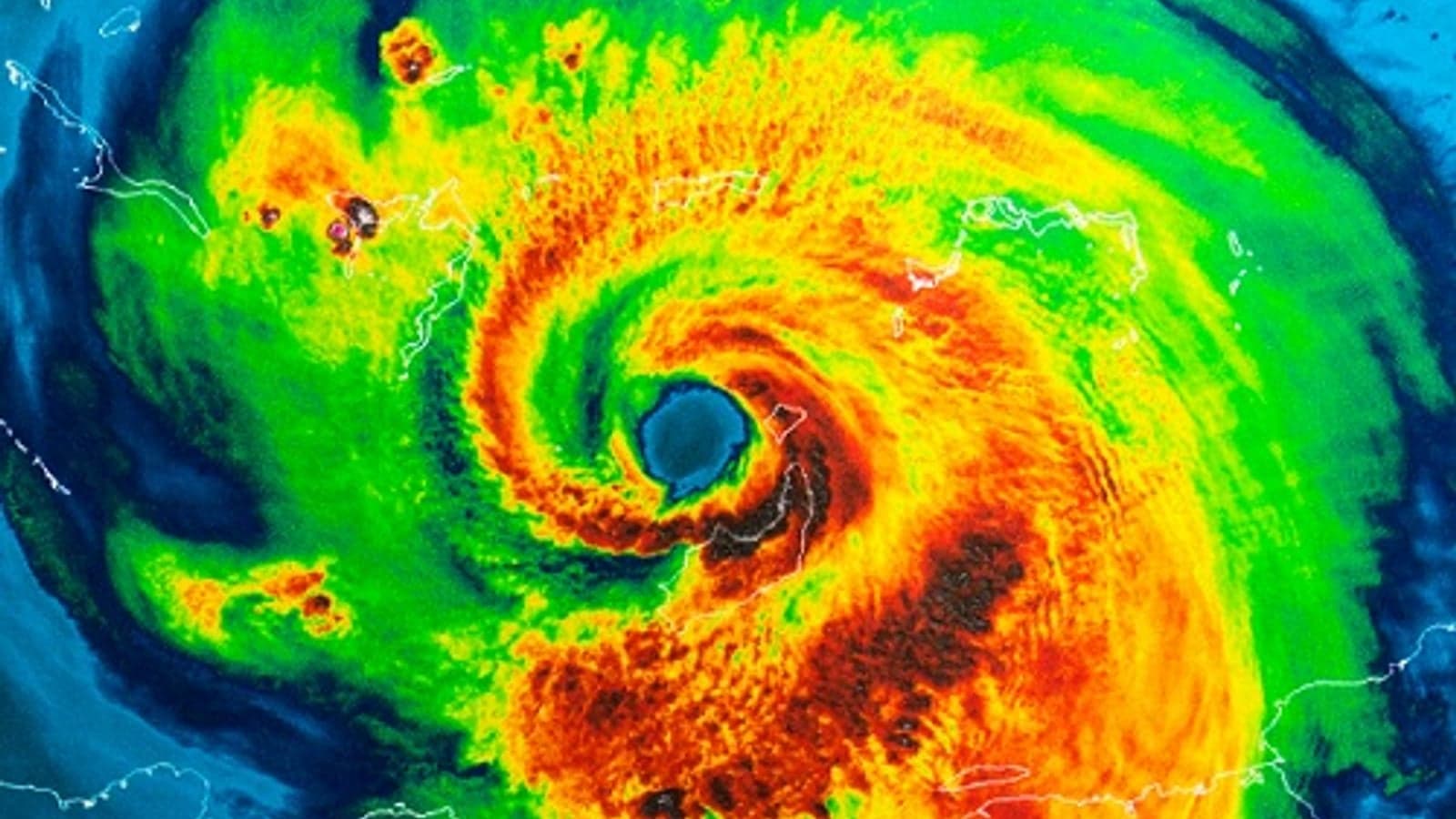
The day to day weather, punctuated by heat and fires and storms and flooding at the two extremes of the increasingly severe events being experienced, as currently in Europe, is a regular topic of conversation.
With potentially widespread impacts, extending across the economy, it also is highlighting the need for grid resilience and preparedness to minimise loss and damages.
But despite the advances in data collection and modelling, accurate forecasting remains a constant challenge for both forecasters and users.
Also of interest
Eurelectric proposes steps for DSOs to enhance climate change resilience
EU Energy Projects Podcast: Bridging the gap – how different visions shape the debate on energy flexibility
For example, recent research by the Switzerland headquartered Meteomatics among utilities in the US found that while two-thirds are using weather data at least weekly, over half said their forecasts are not accurate enough.
In particular the top challenge cited was insufficient accuracy, reliability and resolution, with others including inefficiencies around how their data is delivered and that it’s too complex to understand.
The majority also anticipated that both their spend and reliance on weather data would grow in the coming years, with almost all believing that AI and machine learning could help to make weather data more actionable for business decisions.
Notably almost all said their company had been impacted by extreme weather events, with hurricanes, flooding and heat waves having the largest impact and renewables being the number one day to day operation most impacted.
Although a survey from the US, more than likely broadly similar findings would emerge from utilities elsewhere – and note we are only talking about Earth weather and not space weather, which brings its own set of challenges.
Dunkelflaute
But there are other events less ‘aggressive’ events that can impact the energy system, of which arguably the most significant in a renewables based energy system is the so-called ‘Dunkelflaute’ compounded by a cold spell with demand on the increase, heavy cloud cover limiting the solar generation and unfavourable wind conditions limiting the wind generation.
“The effects are as severe if not more so,” said Marija Miletić, project officer - Energy Systems and Markets Modelling at the Joint Research Centre, opening a panel discussion on the impacts of extreme weather on energy supply and prices at EU Sustainable Energy Week 2025.
Referencing the Dunkelflaute of December 2024 in Germany, she pointed to its impact on energy prices reaching almost €1,000/MWh within the space of hours.
“These events can affect the system and prices and consumers in many ways.”
Commenting from the policy perspective Sebastian Sterl, Energy Analyst in DG Ener, said in the panel that the good news is that the EU is decarbonising with renewables and that these now form the backbone of the energy system.
However, he continued, the fundamental problem that has emerged from the modelling is the lack of flexible capacity in the system across multiple timescales.
While the daily timescales, for example to accommodate the midday solar peak, and the seasonal timescales, for example with changing demand patterns and higher solar production in summer but higher wind production in winter, are relatively predictable, the challenge is the timescales in between of days to weeks, i.e. including Dunkelflaute events, which are much more random than the others.
“This is a very important scale at which we need more flexibility,” said Sterl.
High energy prices
Addressing the high energy prices that resulted in Germany and other neighbouring countries from the Dunkelflaute in December 2024, Abi Olikathodi, Senior Analyst at Eurelectric, explained that these resulted from the increased utilisation of fossil fuel plants, which became the marginal price setter.
In addition Germany was a net importer of electricity, reaching a record net import position on several days – indicative of the role of the cross border market in such situations.
“The question is: should we be panicking about such price spikes?” Olikathodi asked rhetorically, pointing to data indicating the spikes occurred during only about 1% of the hours of the year, whereas negative prices occurred during 5% of the hours and for the majority of the hours the prices follow the residual demand.
Because of this short timeframe, the impact on retail electricity prices for consumers was minimal but fell on industries exposed to spot prices and for example a steel plant had to shut down operations over a two-day period.
“We need proper identification of system needs and we need an investment framework and a market and operations framework with renewables, flexibility and the grids to transfer the electricity.”
Delving more into the impact on industrial consumers, Andreas Tirez, Energy Expert at the Federation of Belgian Industrial Energy Consumers, said there is a need to focus on total system costs rather than the individual electricity or gas prices.
“Even massively scaling up solar or wind will not avoid Dunkelflautes and so there needs to backup estimated up to 85% of the maximum daily consumption and it needs to be net zero so will be costly,” said Tirez, adding that it will need to be paid for by grid users, i.e. the consumers.
Batteries will be good for only one or two days and other options such as hydrogen or biomethane also will need an additional infrastructure, adding to the costs.
“Technically, probably we can do it, but industry is already under stress and if one really wants to go to net zero and have these net zero molecules, it will probably be unaffordable. I think we will probably just go for 90 to 95% reduction and adding more and more intermittent renewables could lead to the fact that we will not reach net zero.”
Looking long term
Rounding out the discussion, Chiara Cagnazzo, Principal Scientific Officer at the European Centre for Medium-Range Weather, highlighted the need for monitoring the weather and climate, with data from the Copernicus climate change service – part of the EU’s earth observation programme – showing it is changing rapidly.
“In order to have transparent information for decision making, one needs the right data,” said Cagnazzo, noting that up to last year the ENTSO-E resource adequacy assessments were based on information about the past climate but now a climate change signal based on climate data is being introduced.
She added that climate research and the ability to predict climatic events has advanced significantly over the past 20 years or so with the availability of large amounts of data and improved modelling – and further advances are expected with the use of operational AI based models to address previously time intensive problems.
“We are really excited by this but of course there are still many gaps in understanding and a lot still to be done. It’s a huge topic!”