Partner content
Electrification via digitalisation will deliver resilience
Enlit Editorial Team
Posted on: 20 April 2026
Schneider Electric’s Infrastructure Segment SVP, Philippe Arsonneau says Europe is in a unique position to strengthen its industrial capabilities and secure a future-ready energy system.
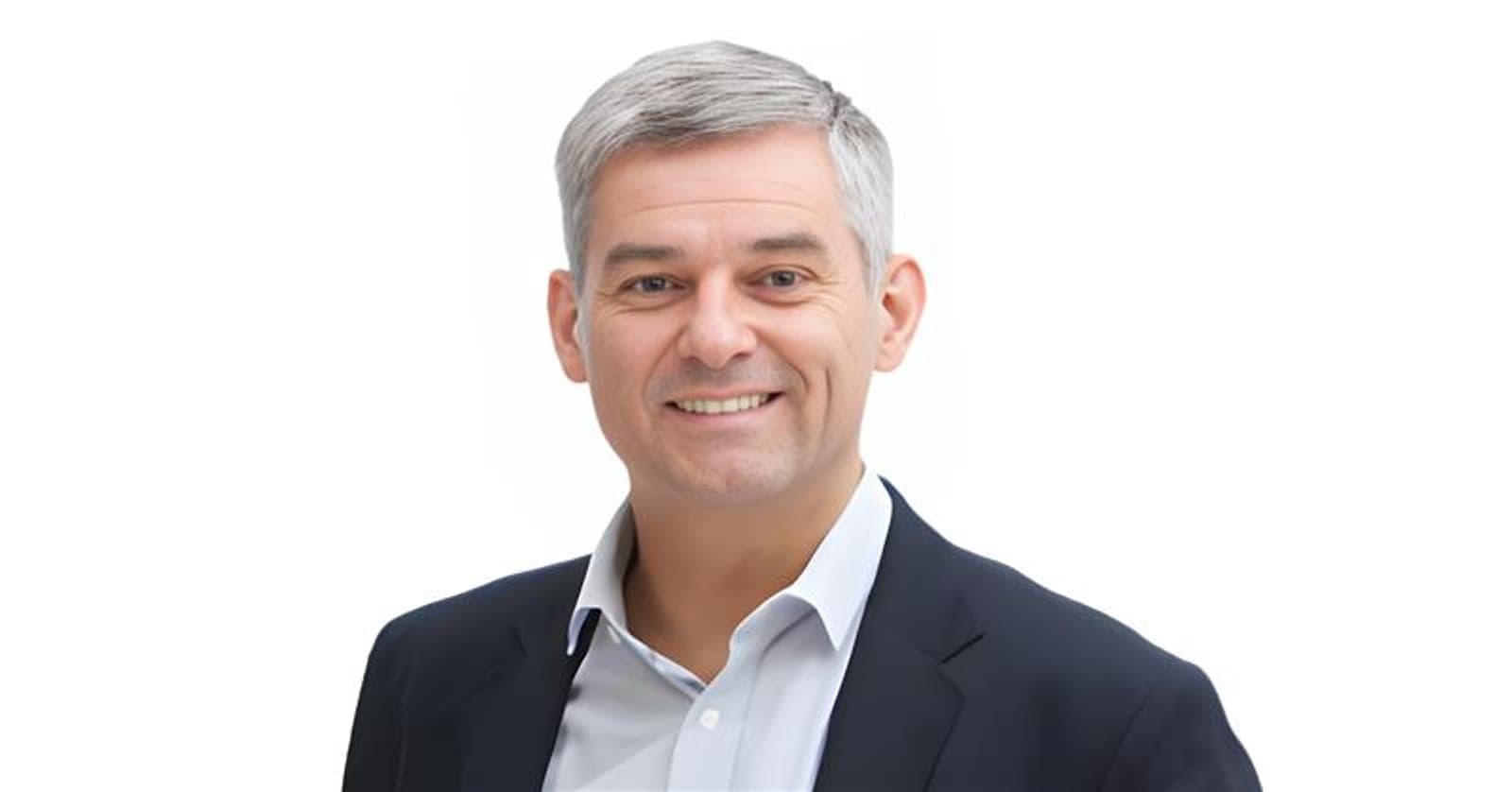
Philippe Arsonneau, Senior Vice President of Infrastructure Segment at Schneider Electric, outlines how Europe can transform shared climate ambition into tangible system-wide progress.
From digitalising grids and orchestrating distributed assets with AI to strengthening industrial resilience and closing the digital skills gap, he underscores what it will take to deliver competitive, secure and decarbonised energy.
How does the European energy sector turn shared ambition into collaborative action?
The shift from ambition to action is fundamentally about standardising governance and breaking down silos. Today, collaboration must be multi-level, aligning governance at EU level with grid operators, industry, and technology partners. Strategic direction alone is not enough; meaningful progress depends on technical integration, digital interoperability, and shared accountability across the entire energy ecosystem.
A strong sense of urgency has accelerated this shift. The 2022 energy crisis, driven by gas supply disruptions and a rapidly evolving energy landscape, underscored the risks of fragmented approaches. It highlighted the need for coordinated system-wide action to strengthen resilience.
Ongoing geopolitical and economic uncertainties have further reinforced this imperative, encouraging the European Commission and industry stakeholders to collaborate more closely and accelerate the deployment of scalable, practical solutions.
This is reflected in three major initiatives:
- The Grid Package: outlines how to build a secure, efficient, flexible, and future‑proof electricity grid capable of integrating renewables, data centers, and growing electrification needs.
- The Electrification Programme: accelerating the decarbonisation of industry, transport, and buildings to structurally reduce Europe’s dependency on gas.
- The Smart Energy Programme: introduces common data models and interoperability rules so the entire electricity system can operate with greater flexibility and optimise the balance between generation and consumption.
What does Europe need to do to deliver competitive, resilient energy by 2030?
Delivering competitive, resilient energy by 2030 lies in rapid electrification powered by digital and energy intelligence. As global investment in clean technologies intensifies, Europe is in a unique position to strengthen its industrial capabilities and secure a reliable, future-ready energy system.
Electrification is expanding across data centers, transport, heating, and industry. AI-enabled factories in Europe are driving productivity and efficiency, but their competitiveness is challenged as electricity prices are roughly twice those in other regions, making energy efficiency and intelligent consumption essential. A comprehensive digital transformation of the grid is essential.
This is not only about expanding infrastructure, but about making networks intelligent, from high-voltage transmission systems to local distribution grids. Integrating sensors, automation, and edge control capabilities will allow operators to manage decentralised, two-way power flows more efficiently and securely.
Resilience is also about controlling the costs and security of supply for our foundational technologies like batteries, power electronics and industrial software. Strengthening and localising the manufacturing of these critical components reduces strategic dependency and enhances long-term competitiveness.
This becomes even more important as Europe has made substantial investments in low‑carbon generation, wind, solar and nuclear. The next step is accelerating demand-side electrification and system flexibility across homes, buildings, transport, and industry.
With this, Europe can maximise the value of its clean energy investments, stabilise costs for consumers and industry, and build a truly integrated energy market that benefits all.
It’s 2030: what does Europe’s energy mix look like?
By 2030, Europe’s energy system will have shifted from a centralised architecture to a dynamic system of systems. While challenges remain, they highlight opportunities to innovate and lead. Expanding decarbonised generation and connecting new assets to the grid may take time, but these realities are driving the acceleration of digital solutions and smarter grid operations.
Securing transmission and distribution grid connections remains a complex, multi-year process with investment needs and permitting constraints. This gap puts additional pressure on the grid, reinforcing the need for urgent digitalisation, a priority clearly highlighted in the latest T&D Europe Grid Digitalisation Study, which indicated that digital grid technologies are essential to operate the grid under new conditions and to unlock flexibility at scale.
Without modern regulation enabling digital solutions, Europe risks sidelining crucial innovations needed to accelerate the energy transition.
Flexibility – from electric vehicle charging infrastructure, battery storage and smart residential loads – will act as the new shock absorber for the grid, balancing the intermittency of this massive clean power influx in real-time.
But flexibility must extend to everyone: prosumers across homes, buildings and industry should have both the right and the capability to contribute their flexibility whenever the system needs it.
This aligns with the International Energy Agency’s projections for 2030, which show distributed resources and demand-side participation will be central to balancing the evolving generation mix.
Is there another industry vertical which has vital lessons for energy sector?
The electricity energy sector is truly unique. While sectors such as healthcare, transport or ICT/telecom have seen rapid digital transformation, their models are completely different.
Energy operates under a unique equation: it relies on a century‑old, centralised grid, built long before today’s decentralised generation, electrification trends and two‑way power flows. Unlike ICT, developed on fully digital foundations, the power system still carries significant legacy constraints and evolves more slowly in physical terms, particularly when it comes to transmission and distribution infrastructure.
At the same time, the generation landscape is shaped by deep uncertainty, with renewables introducing variability that the original system was never designed to manage. Demand, meanwhile, is evolving faster than the grid itself, while the system is not yet fully digitalised or flexible end‑to‑end.
This unique mix of factors makes the energy sector unlike any other. While other industries can provide ideas or inspiration, none provide a direct blueprint for the scale and nature of the transformation required in the energy system.
What is the biggest workforce issue for the energy transition?
The biggest issue is the digital skills chasm. As our grids, renewables, and storage systems become software-defined and data-driven, we need to attract digitally fluent engineers who understand AI, cybersecurity, and advanced analytics as well as power systems.
At the same time, our experienced workforce holds deep operational and institutional knowledge that is invaluable. The priority, therefore, is to connect these two strengths: attract digitally skilled young talent into energy, invest in reskilling where needed, and ensure our seasoned experts’ mentor and inspire them. By blending digital fluency with decades of energy experience, we can build the hybrid workforce needed to lead the transition successfully.
Strategic direction alone is not enough; meaningful progress depends on technical integration, digital interoperability, and shared accountability across the entire energy ecosystem.
Is the energy sector making the most of the current AI tech?
The energy sector has already made meaningful progress with applying AI to high impact use cases like optimising generation dispatch and predictive maintenance. But the biggest opportunity is still ahead.
The next phase is AI for orchestration. This means using intelligent systems to orchestrate energy flow between millions of distributed assets like solar, batteries, and EV charging all in real-time. That’s where AI becomes the operating layer of a truly flexible, smart and decentralised energy system.
Beyond deploying AI technology, the sector must also support the growth of AI factories. The EU is expanding its network of these factories to develop and train advanced AI models and frontier systems, accelerating AI adoption across Europe’s economy and public sector. Achieving this will require modernising the grid infrastructure to meet Europe’s electricity demand, which is projected to increase 2.5 times by 2030.
How do you see the role of AI supporting/enabling your organisation's CX strategy?
In our segment, CX refers to the experience we deliver both to grid operators, who are our direct customers, and to the end‑users they serve, whose experience increasingly depends on system stability, efficiency and real‑time responsiveness. CX in energy is defined by system uptime, reliability and cost optimisation and AI enables us to deliver these proactively by transforming our operations.
- AI predicts operational inefficiencies across an entire infrastructure segment (e.g., a data center) and recommends optimisation actions before they impact reliability.
- Providing digitally managed platforms that use AI to automatically adjust usage based on market pricing and operational needs, maximising cost savings.
AI also helps operators deliver a better experience to their own customers from prosumers needing reliable grid connections to industrial users requiring predictable quality of supply. This is where AI supports our CX strategy end‑to‑end: improving how we serve grid operators while enabling them to serve their customers more efficiently and transparently.
What sustainability practice in your organisation are you most proud of? And how have you reduced your personal carbon footprint?
At Schneider Electric, I'm most proud that we've used our own global footprint as a blueprint for the energy transition. We're implementing our own digital energy management and microgrid solutions across our factories and offices worldwide, proving the scalability and effectiveness of the technology we sell.
In fact, we’re recognised as the ‘World’s Most Sustainable Company 2025’ by TIME Magazine and Statista. This is Schneider Electric’s second consecutive year atop the list, which ranks 500 of the World’s Most Sustainable Companies. We show transparent progress against our ambitious sustainability goals, which include a 25% absolute carbon reduction across our entire value chain by 2030 and Net-Zero CO2 emissions across the entire value chain by 2050.
On a personal level, I try to lead by example. I prioritise low-carbon travel, reduce energy at home through AI and automation solutions, and support initiatives that encourage sustainable behaviour across our teams.
Automated energy management such as smart thermostats, connected lighting, and home energy monitoring help minimise energy waste without compromising on comfort. Sustainability is not just a business goal, it’s a mindset that guides both our professional and personal choices.
What are the biggest challenges facing energy leaders today?
Electrical energy has become a strategic resource for countries. At Schneider Electric, we are committed to helping shape the future of energy through technology, enabling the transition to a clean, resilient, and intelligent energy system.
The biggest challenge is balancing three critical priorities simultaneously:
First, the shift to a decentralised, electrified system requires grid operators to orchestrate vast amounts of data from millions of assets (prosumers, data centres). Moving from a centralised, one-way system to a dynamic system-of-systems is the primary operational challenge.
Second, system-wide resilience must be embedded into grid operations to protect security of supply against increasing harsh climate events. This requires proactive investment in intelligent, adaptive infrastructure and an end-to-end cybersecurity approach for critical OT systems.
Third, advancing energy technology (AI, software-defined power) while evolving regulatory frameworks and workforce capabilities. By modernising regulations, fostering digitally fluent talent, and streamlining permitting processes, energy leaders can unlock the full potential of these solutions and accelerate deployment across Europe.
Interesting read: Energy crisis is resilience catalyst: Schneider’s Godemel
How are industry experts going to address these challenges at Enlit Europe in Austria?
At Enlit Europe, our focus is on turning ambition into action. Industry leaders will be sharing practical strategies to make Europe’s energy system more resilient, efficient, flexible, and decarbonised.
We are exploring how grid data hubs and digital twins bring value across the entire asset lifecycle, from planning and design through to fast operation and optimisation.
We will be demonstrating how software-defined power and advanced AI help grid operators orchestrate data architecture and manage demand-side flexibility (from microgrids, data centres and prosumers) to ensure the system is both flexible and resilient.
The event highlights the next-generation grid, showing how industrial clients and large energy users can actively participate in the transition and accelerate Europe’s decarbonisation journey.
If you had a magic wand what is one thing you would implement today?
If I had a magic wand, I would reduce electricity prices across Europe to accelerate electrification and increase adoption of electrification. Lower costs would make it economically viable for industries to switch from traditional fuels to electricity, support faster adoption of electric vehicles, and enable households and businesses to invest in energy-intensive innovations.
Today, much of Europe still relies on legacy power systems with high costs, which limits the pace of industrial transformation and slows the energy transition. By reducing electricity prices, we could unlock large-scale adoption of clean technologies, stimulate demand, and create a virtuous cycle of investment in renewable generation and grid modernisation.
The impact would be transformative: industries would electrify faster, EV adoption would surge, energy-intensive sectors could grow without constraint, and the country could achieve resilience, affordability, and sustainability – all the while accelerating the shift to a cleaner energy system.
Related tags
Latest content
+2
Schneider Electric's Kelly Becker on collaboration and innovation
Kelly Becker, Schneider Electric’s president for the UK and Ireland, Belgium and the Netherlands, shares with Kelvin Ross why she believes that the collaboration and innovation in this region are worth keeping an eye on.
- Kelvin Ross
- 14/10/2024