Eurelectric spotlights Europe’s energy security imperatives
Kelvin Ross
Posted on: 13 February 2026
Actions include a focus on mission-critical communications and learning lessons from already conflict-ready European nations.
The success of Europe’s energy security strategy depends on it learning lessons from those countries for whom preparedness for conflict is a constant threat.
That was the message from the leadership of European utilities’ organisation Eurelectric from the Munich Security Conference today.
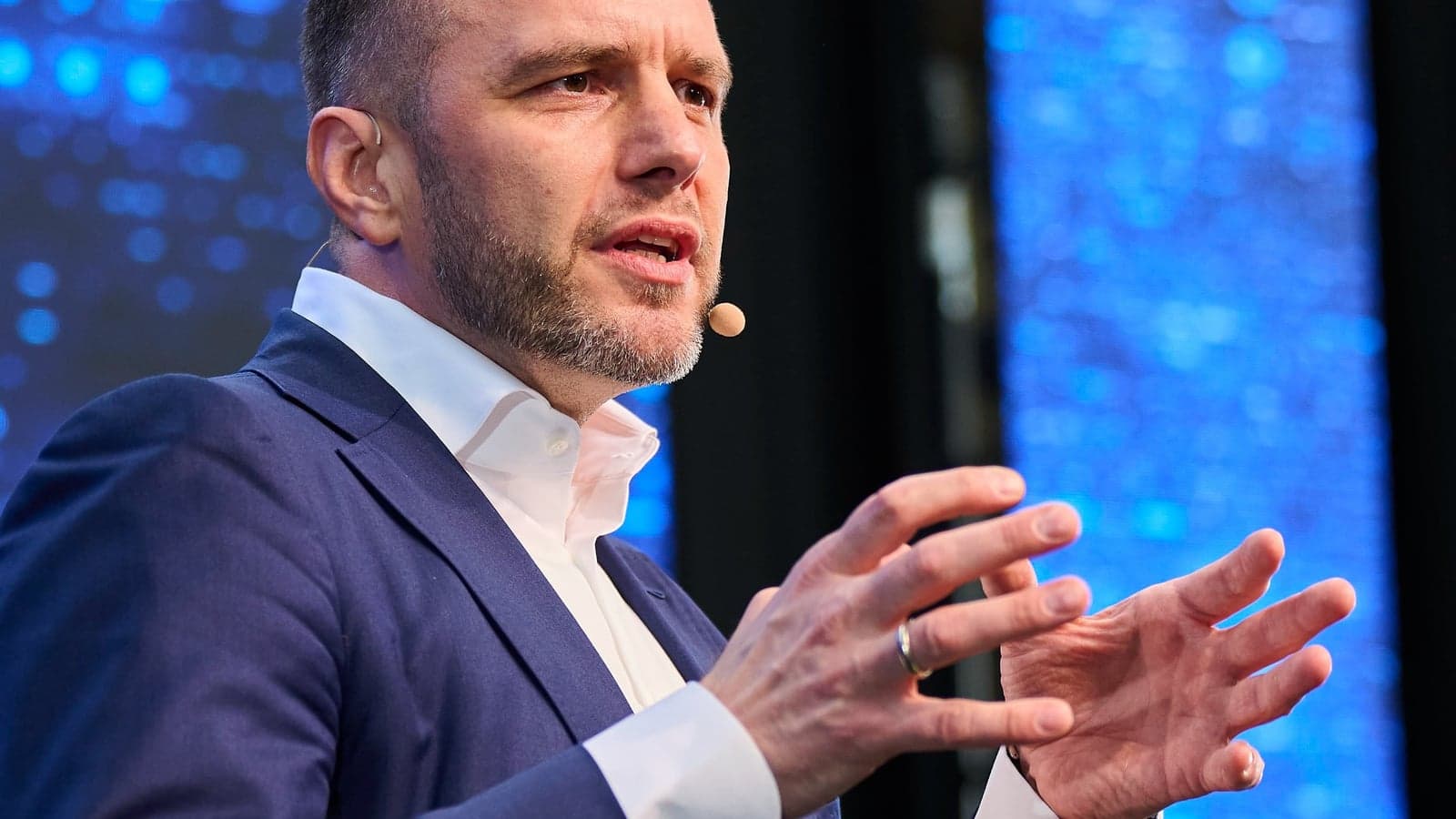
The European Commission has not published, despite the continuing conflict in Ukraine, a new energy security strategy in more than a decade, and speaking in a press conference, Markus Rauramo and Kristian Ruby pulled no punches in spelling out the urgency for a revised action plan.
Eurelectric secretary-general Ruby said utilities were now “on the front line of defence” and accused Europe of “pressing the snooze button too often” over alarms on security threats.
And Eurelectric president Rauramo said utilities across Europe “are being pushed into a new operating reality, where the boundary between peacetime and crisis is increasingly blurred”, and added that this meant resilience is “not just a technical issue, but a strategic necessity”.
'Total defence' mindset
Eurelectric used the platform of the Munich summit to launch a report on energy security, and Ruby said “the most important analytical finding” of the study was that there is “a variety in the level of preparedness” across Europe for both physical and cyber attacks.
“Geography plays a big role,” he said. “If you're close to the eastern flank of Europe, you just have a different mindset than if you're on the very western part.”
And few countries know this better than Finland, said Rauramo, who is chief executive of Finnish energy company Fortum. He said Finland has a “total defence” mindset, from government to industry and even citizens.
“Everybody plays their role. Citizens prepare for unusual situations. It's more likely that we'll have a natural catastrophe, or a technical blackout, than there would be outright hostile impacting. Citizens would be well advised to stock water, dry food, cash, torches, battery radios.
Planning for the worst
“In Finland, the building code requires that if you build a house, you have to build an alternative heat source so you can continue for days even without electricity.”
This mindset, he said, needed to be carried over to other countries and utilities where a similar “security culture is nowhere close”, particularly because “bad actors know this and tend to target vulnerable players”.
And he warned that in “in the new dynamics of geopolitics, any reluctance to respond is seen as weakness. We need to strengthen the security culture.”
Ruby was also keen to highlight the importance of mission-critical communications – something that came to the fore last year when blackouts hit Spain, Portugal and France.
“Communication channels are crucial when power is lost. In the Iberian Peninsula blackout in April, we saw big challenges for operators to be in touch around the blackstart that was necessary after the fallout.”
Exclusive content of resilience communications
Why Europe is at a tipping point on grid resilience
Telecoms critical to modernise Europe’s energy system
Europe’s energy grids need urgent modernisation
Those communication channels, he said, need to be in place “and they also need to be funded. It's the type of equipment that hopefully you'd only use once in a lifetime… but you need it very, very badly that one time.”
Both men said it was vital to realise that whe it comes to energy security in Europe, “nobody who can do this alone. Companies have a role to play in making sure their operations are as safe and as resilient as possible,” said Ruby, “but we need critical engagement with authorities at national level and local level. We need an overall supportive framework from the EU to make sure that that that this works at all levels.”
He said that he was looking to policymakers for “holistic planning: a 360 degree look at what we're dealing with. We have a lot of legislation in place, so it's not about reinventing the wheel, but the basic exercise here needs to be to update the energy security strategy of the EU, which was last updated in 2014.”
Exclusive:
Why Ann Mettler believes now is the time to catalyse Europe