Europe cannot afford to import its energy future
Areti Ntaradimou
Posted on: 28 April 2026
If you work in energy, policy or industry, you have probably seen this pattern before. A geopolitical crisis erupts somewhere else, markets react immediately, and Europe is reminded, again, that too much of its economic stability still depends on fuels priced beyond its control.
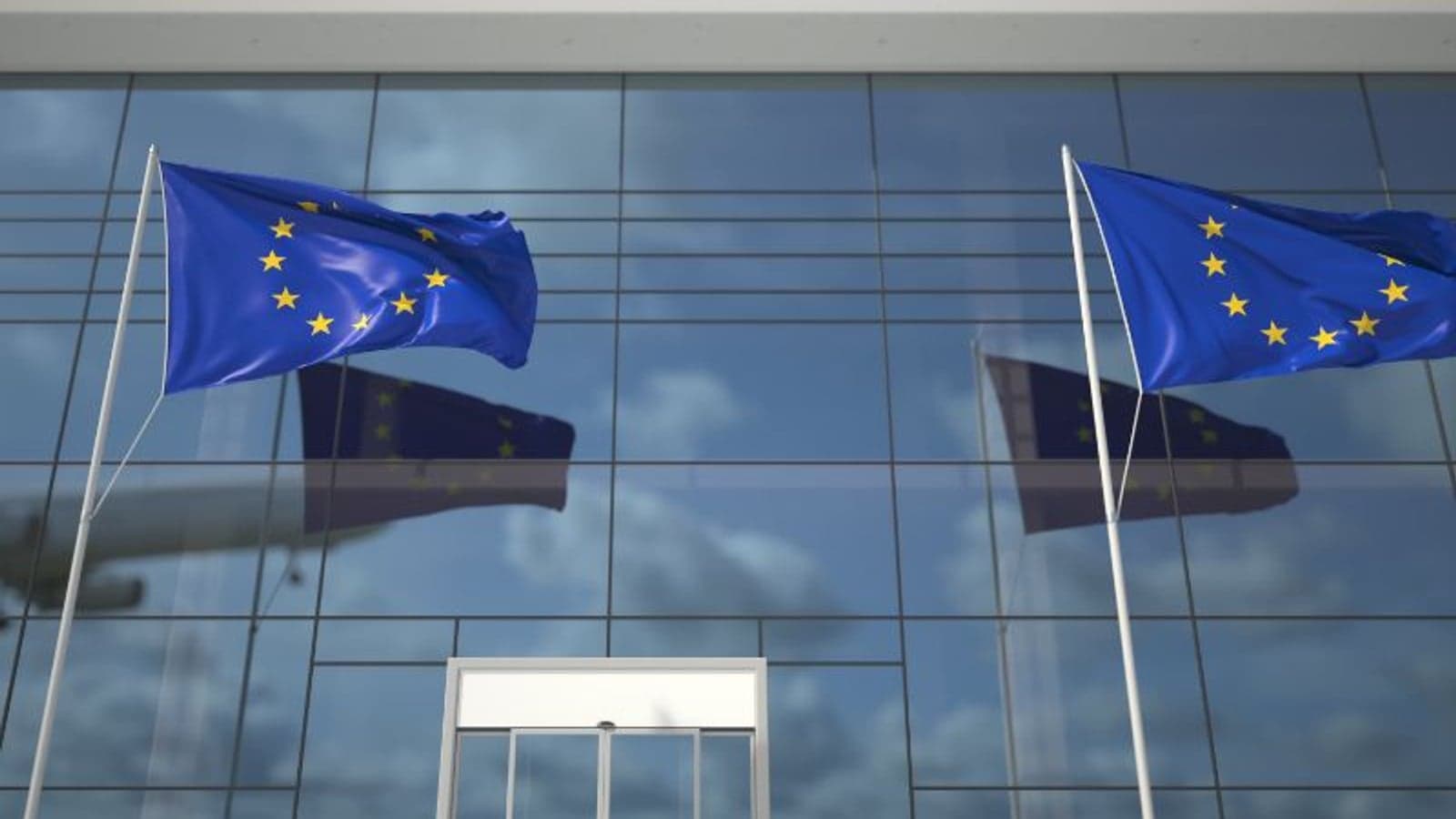
That is the backdrop to the European Commission’s new AccelerateEU initiative, which is many things at once: a reaction to war driven price volatility, a reassurance package for anxious consumers, and a renewed attempt to turn the clean energy transition into an instrument of security policy.
But more importantly, it is an admission that Europe remains more exposed to fossil fuel geopolitics than it would like to admit.
Now, the name AccelerateEU may sound like standard Brussels branding, but the issue behind it is real enough. Renewed instability in the Middle East, accompanied by the continuing Ukraine war, has pushed energy prices higher and added billions to Europe’s import bill. Once again, households worry about bills, businesses worry about competitiveness, and governments search for emergency responses.
For more on AccelerateEU
AccelerateEU launched to contain energy prices
By now, many of you will recognise the cycle, as do I.
What makes this package more interesting than the average Commission communication is that it finally places electrification, grids, efficiency and homegrown clean energy closer to the centre of Europe’s security debate. In other words, Brussels is beginning to say more openly what many in the sector have argued privately for years: the energy transition is not only about climate targets. It is also about protection, resilience and economic self-interest.
And frankly, that shift was overdue.
If you want Europe to be less vulnerable to global shocks, the answer is not simply to find a different supplier every time. It is to need suppliers outside the EU less. Every heat pump installed, every building renovated, every storage project connected, every industrial process electrified, every grid bottleneck removed, moves the continent in that direction.
Many of you reading this already know that. The frustrating part has never been the technology. It has been the pace.
Europe is often excellent at reacting to crises and slower at preventing them. We are efficient at designing temporary relief measures after prices spike. Less efficient, however, at speeding up permits before the next spike arrives. We speak often about competitiveness, while delaying the infrastructure competitiveness now depends on.
That is why AccelerateEU deserves both attention and scrutiny.
Yes, short-term consumer support matters. Citizens cannot be expected to carry every external shock alone. But if emergency aid once again becomes the main story, then Europe risks spending public money preserving the very vulnerability it says it wants to escape.
The deeper test is simpler.
Will grids be built faster?
Will electrification become cheaper and easier?
Will industry gain access to reliable affordable power?
Will consumers become less exposed to imported fossil fuel volatility?
If the answer to those questions is yes, then this package may prove meaningful.
If the answer is no, many of you in the sector will be reading another polished strategy while dealing with the same structural problems on the ground.
And that, ultimately, is where the debate should now move. Not whether the Commission has found the right slogan, but whether Europe is finally ready to build what energy sovereignty actually requires.
Because Europe cannot keep announcing independence while importing the risk.
Don’t you agree?