European metals sector at risk from high electricity prices warns Eurometaux
Pamela Largue
Posted on: 2 December 2025
"The industrial sector in Europe is not in a great shape because of the high electricity prices. That’s a reality and continuous challenge," says Adina Georgescu of Eurometaux.
Non-ferrous metals such as aluminium, copper and zinc are fundamental to Europe’s economy and indispensable for the energy transition. But high electricity prices are pushing this electro-intensive sector to the brink, raising concerns about its long-term ability to compete globally.
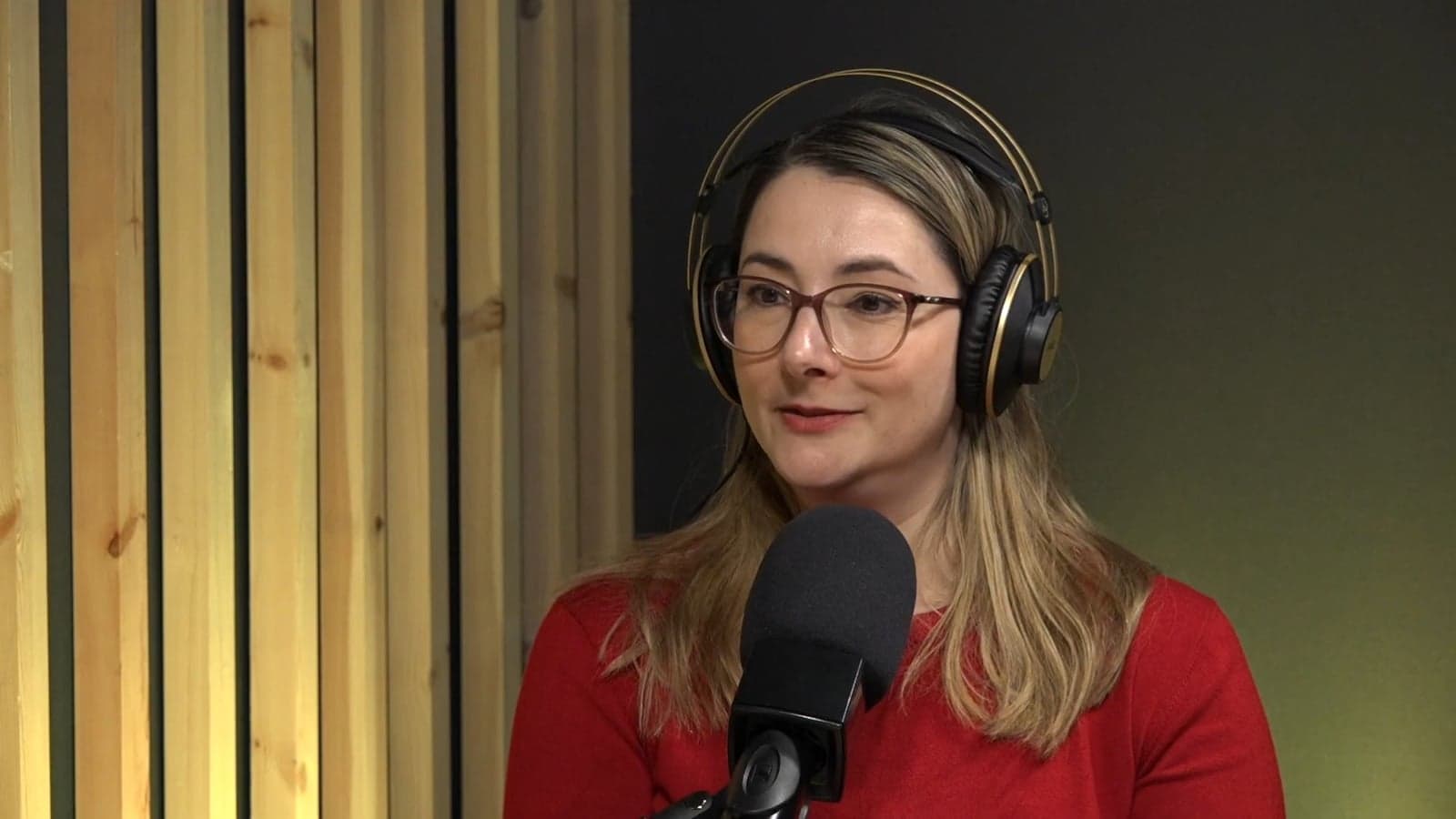
“The industrial sector in Europe is not in great shape because of the high electricity prices. That’s a reality and continuous challenge," says Adina Georgescu, Energy & Climate Change Director at Eurometaux, the association representing non-ferrous metals producers and recyclers in Europe.
Metal production is inherently energy hungry. In some countries, the industry can account for up to 6% of national electricity consumption, Georgescu explains.
“These are big consumers — and it’s not because of a lack of energy efficiency; it’s just how the process is.”
This increases the sector’s exposure to global competition, particularly from producers in regions where electricity is cheaper and policy frameworks are less demanding.
“We are competing on the global market against competitors based in countries that have different policies and regulatory frameworks and lower electricity costs,” Georgescu says. “We see the promised land of cheap electricity, but this will potentially be in the longer term.”
Pricing pressure from all sides
Coupled with the pressure from high electricity prices is the fact that non-ferrous metals are also what Georgescu refers to as price takers.
This means that the price of metals is set on the London Metal Exchange, which provides the benchmark price at which the sale of metals starts.
The obvious, in-our-face solution is we need to have globally competitive electricity prices in Europe
“This means we are squeezed between the local cost of producing and the benchmark price at which we have to sell, plus a premium which depends on the complexity and sophistication of the metal.”
It’s these pressures that have put this industry in such a tight spot, she says.
And because electricity is the backbone of the economy, Georgescu believes there is only one solution.
“The obvious, in-our-face solution is we need to have globally competitive electricity prices in Europe…and [electricity] costs, in order to be competitive and in order to keep investing on this continent.”
It’s not easy, Georgescu admits, especially in the current geopolitical context.
However, she is confident it can be done.
“We just need to be pragmatic in Europe and accept that you need to take some good, strong decisions when it comes to achieving globally competitive prices.”
When asked if the metals sector is being pushed beyond its limits under the pressure to decarbonise, Georgescu says: “We are getting to that point.”
Georgescu highlights that the non-ferrous metals sector has reduced its greenhouse gas emissions by more than 60% since 1990.
The sector has also done a lot to reduce consumption, a strategy that Georgescu considers “good business”.
Have you read?
Fighting for scraps: the challenges of the green steel transition
Partners explore next-gen nuclear to green Dutch industry
However, while the direct emissions have been reduced and investment has been made to boost energy efficiency, indirect emission reduction remains elusive.
Also, says Georgescu, the costs of deploying further energy efficiency measures are starting to outweigh the benefits of implementing them.
“The indirect emissions are outside our reach because we don’t control the political decisions of countries when they decide their energy mix.”
The sector simply needs cheaper, green electricity to decarbonise.
In terms of technologies such as hydrogen and CCS, Georgescu dismisses them as being too expensive, adding: “There is no one technology that can deliver the decarbonisation that we need.”
“We are stretched as far as we can [go],” she adds, stressing the need to match ambitious goals with reality.
Also of interest: Is the EU Clean Industrial Deal meaty enough to feed industry’s appetite for competitiveness?
“Being ambitious is fine. It’s just that sometimes reality, especially the technological reality, doesn’t match the ambition.”
Besides cheaper electricity, Georgescu is calling for investment in Europe to drive innovation.
“We need to create the business case for industry to thrive here in Europe and that will bring the innovation organically, [and the] investment in research and development...”
Europe will also need to create lead markets, which will require measures to drive demand and consumption of greener and more expensive products.
“Decarbonisation is expensive, we need to accept this as part of the reality,” she says.
However, the cost of inaction could be far higher. Without intervention, Europe risks losing both its metals industry and the strategic autonomy it underpins.
Watch the full interview with Adina Georgescu or listen to the podcast conversation.