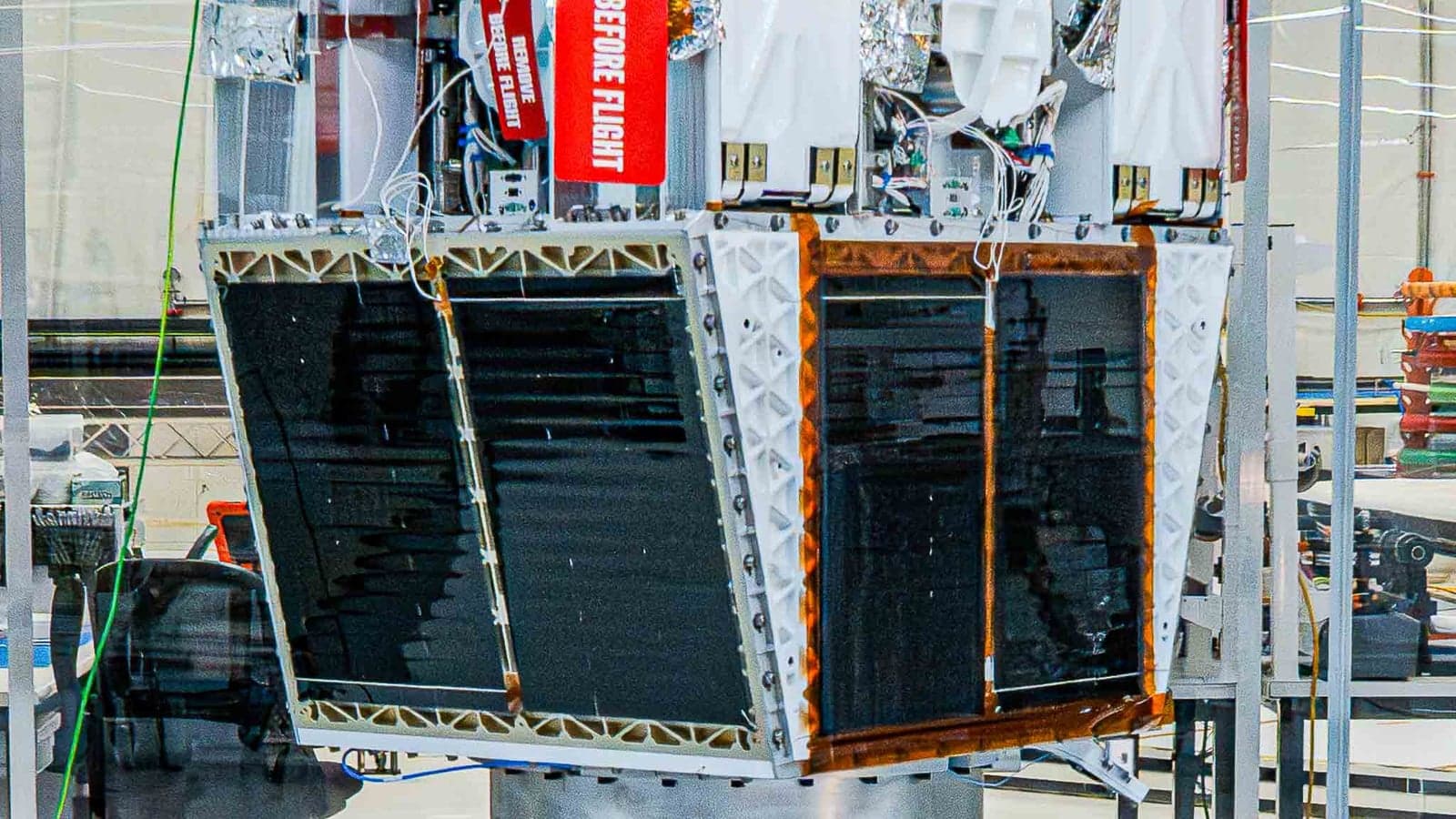
Superhot geothermal: technologically challenging but easier than flying to Mars
Pamela Largue
Posted on: 12 March 2026
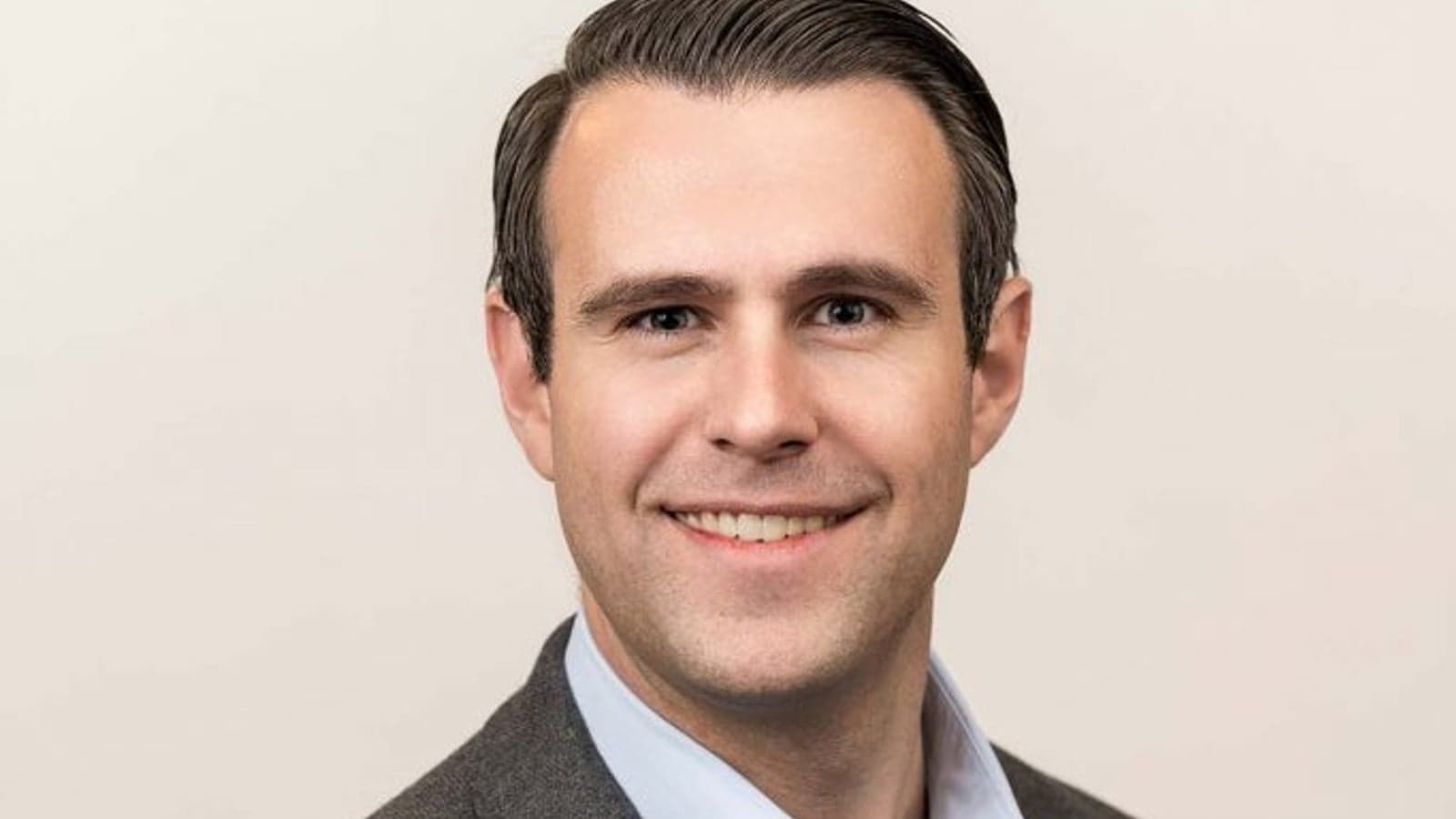
Lev Ring, President and Chief Technology Officer of Sage Geosystems, believes the future of geothermal lies in deeper drilling and higher temperatures.
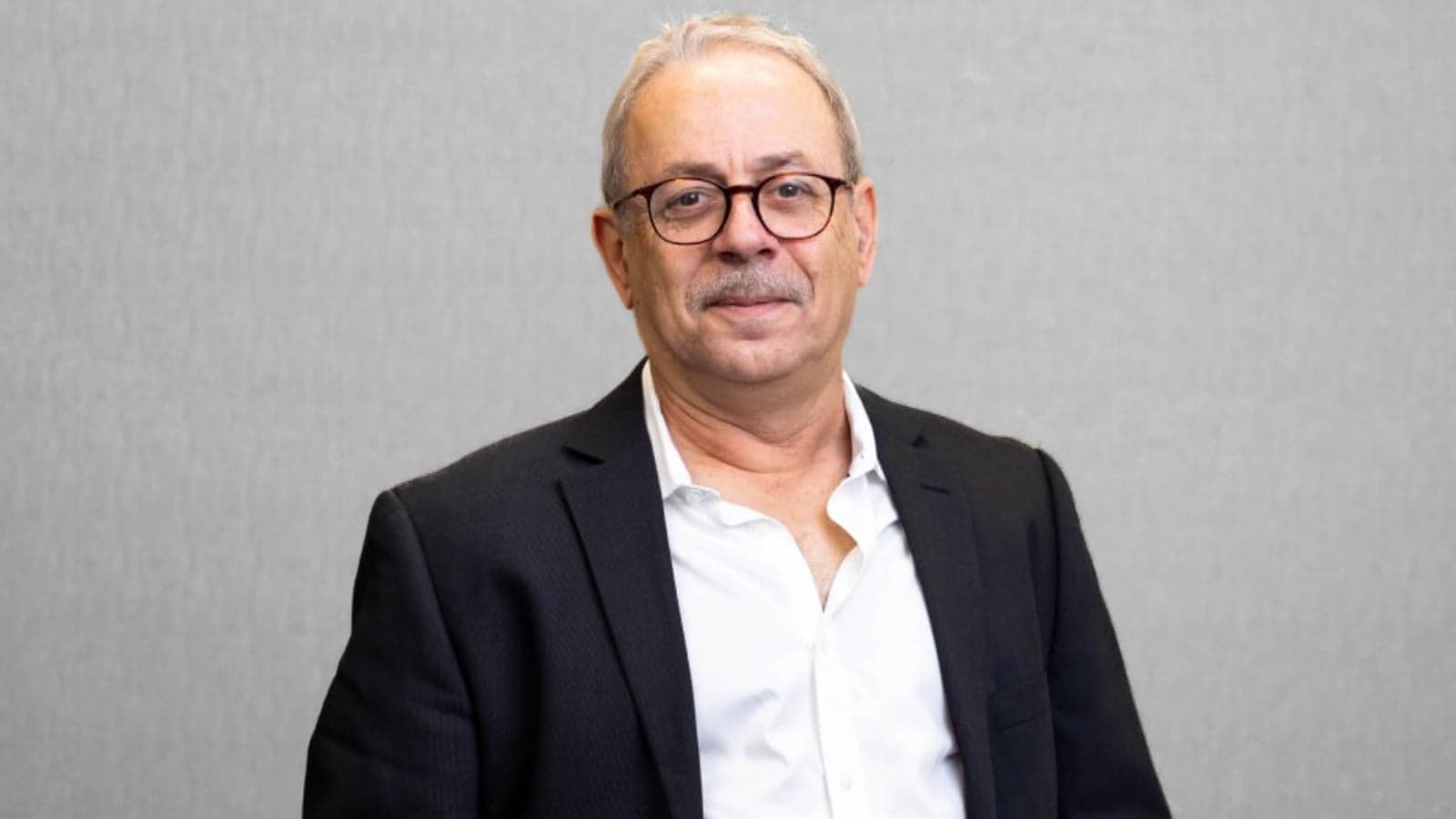
According to Lev Ring, President and Chief Technology Officer of US-based Sage Geosystems, deeper geothermal resources represent a new frontier for the industry.
An experienced aerospace engineer who emigrated from Russia to the US in 1993, Ring is passionate about both the trajectory of Sage and the wider geothermal sector.
For now, the company’s projects focus on rock temperatures of around 200°C.
“Today we are targeting around 200°C because current equipment and services already exist to support that,” he explains.
But in Ring’s view, the real future of geothermal, and of Sage, lies deeper underground, where higher temperatures could dramatically increase the economics of power generation.
“If you go to 300°C, your net power output can increase ten times compared with 200°C,” he says. “CapEx might only grow two or three times, so your levelized cost of electricity could be around four cents.”
At that cost level, geothermal could compete directly with almost any other form of electricity generation.
Have you read?
UK’s first geothermal plant starts powering the grid
Scotland's Aberdeen instals sensors to measure geothermal potential
“It’s technologically challenging,” Ring adds, “but it’s much easier than flying to Mars—and the impact could be enormous.”
A key advantage of geothermal power is its ability to operate continuously, providing reliable baseload electricity. That characteristic makes it particularly attractive for energy-intensive industries such as data centres. In fact, Ring sees hyperscale data centres as one of the sector’s most promising markets.
“We believe we will be much cheaper, and we will be able to deploy much faster,” he says, adding that the company is already engaging with potential large-scale customers.
Pressure geothermal power
Sage Geosystems is developing a new type of enhanced geothermal system and has recently completed a Series B funding round co-led by Ormat Technologies and Carbon Direct Capital.
In total, the team has raised more than $97 million, which will support the deployment of what Sage calls the world’s first commercial Pressure Geothermal power facility, located at an existing Ormat geothermal plant in Nevada.
Ring explains that Sage is part of a new wave of geothermal innovators targeting hot dry rock. Rather than relying on existing underground water, the company engineers its own geothermal reservoir within heated rock formations.
“We are part of this new generation geothermal—we are not looking for subsurface water aquifers—we are looking for hot dry rock.”
In the emerging hot-rock geothermal sector, two main technological approaches have taken shape.
One group focuses on enhanced geothermal systems (EGS), which create artificial fracture networks underground and circulate water through them to extract heat. The other group develops closed-loop systems that rely on long underground pipes to transfer heat.
Sage falls into the EGS category but uses a distinctive operating approach borrowed directly from oil and gas engineering.
“We do it differently,” Ring says. “Instead of drilling two horizontal wells and interconnecting them, we practice what in oil and gas is called huff-and-puff technology.”
The two-cylinder engine
In Sage’s system, pairs of wells are drilled into hot rock formations roughly three to six kilometres below the surface, depending on local geology. Hydraulic fractures are created in the rock to form an engineered reservoir where water can be heated.
Rather than circulating water continuously between wells, the company alternates injection and production in a cyclical process.
“We inject water in one well, we balloon fractures, and the water heats up,” Ring explains. “Then the stresses cause the fracture to close and push the water out, but it comes out hot.”
The heated water is then passed through a heat exchanger and an organic rankine cycle turbine system to generate electricity. Afterward, it is reinjected into the second well, where the process repeats in reverse.
“We change direction between the two wells every 12 hours,” Ring says.
“I always use the analogy of a two-cylinder engine. Each well with a fracture is a cylinder, and you pump from one cylinder to another.”
The moment geothermal will accelerate its growth is when we get access to project financing.
This approach, the company argues, solves several long-standing challenges associated with conventional EGS systems. Water losses, often a major issue in fractured rock, are significantly reduced.
“In our system, they are almost negligible,” Ring says. “And we also believe we have a more efficient method of harvesting heat from hot rock.”
Achieving that efficiency requires precise engineering of fracture systems that can remain open long enough to store and release heat energy.
“It’s critical to design fractures that stay open for many hours,” he says. “If we run a 12-hour cycle, that fracture needs to stay inflated for that entire period.”
To manage that complexity, Sage has developed advanced physical modelling tools that simulate how fractures behave under pressure, temperature changes and mechanical stress.
“They allow us to make educated engineering decisions without running full real-time simulations.”
Oil and gas expertise reapplied
A defining feature of Sage’s technology is its reliance on existing oil and gas expertise—from drilling techniques to well design.
“We use very advanced methods of well construction from the oil and gas field,” he says. “Designing wells that can handle thermal stresses and fatigue loading is very important.”
The strategy also influences where Sage is focusing its early projects. Regions with extensive oil and gas activity, such as Texas and Louisiana, already have well-characterised geology and supportive regulatory frameworks.
The company is also expanding in Nevada through its partnership with Ormat, which already operates geothermal generation facilities in the state.
“This is where we’re going to scale up our strategy,” Ring says.
Financing the first projects
Scaling geothermal innovation requires financing, which is why the recent funding round is considered such a critical milestone.
By partnering with an established geothermal operator like Ormat and investors such as Carbon Direct Capital, Sage hopes to demonstrate commercial viability and unlock future project financing.
“The moment geothermal will accelerate its growth is when we get access to project financing,” Ring says. “But for that we need to demonstrate long-term performance.”
Despite growing interest in geothermal innovation, financing remains one of the sector’s biggest hurdles.
Delivering new technology is like a drug. I’m addicted to it. That’s what drives me from early morning to late at night.
Traditional geothermal projects are considered high risk, largely because of the uncertainty involved in drilling and reservoir performance. As a result, lenders are cautious about financing new technologies until they have proven track records.
“Conventional geothermal is a high-risk industry,” Ring says. “When new technologies appear like enhanced geothermal systems, banks are very careful before they allow projects to be project-financed.”
Also of interest: Geothermal boom will see capacity triple by 2030 says IEA
That means early projects must rely heavily on equity investment rather than debt financing.
“Everything we’re doing today is to raise equity and spend it to build these first-of-a-kind projects,” he says.
The thrill of the drill
For Ring, the appeal of geothermal ultimately comes down to the thrill of building something new.
“Delivering new technology is like a drug,” he says. “I’m addicted to it. That’s what drives me from early morning to late at night.”
He sees geothermal not just as an energy solution, but as an engineering frontier waiting to be explored.
“Humanity needs power wherever you are,” Ring says.
“Geothermal has enormous potential to utilise the Earth’s natural heat to generate safe, reliable baseload electricity for years to come.”
His message to the broader scientific and engineering community is simple.
“There is a frontier here,” and now is the time to capture it.