How grid schools aim to close France's energy transition talent gap
Jonathan Spencer Jones
Posted on: 17 July 2025
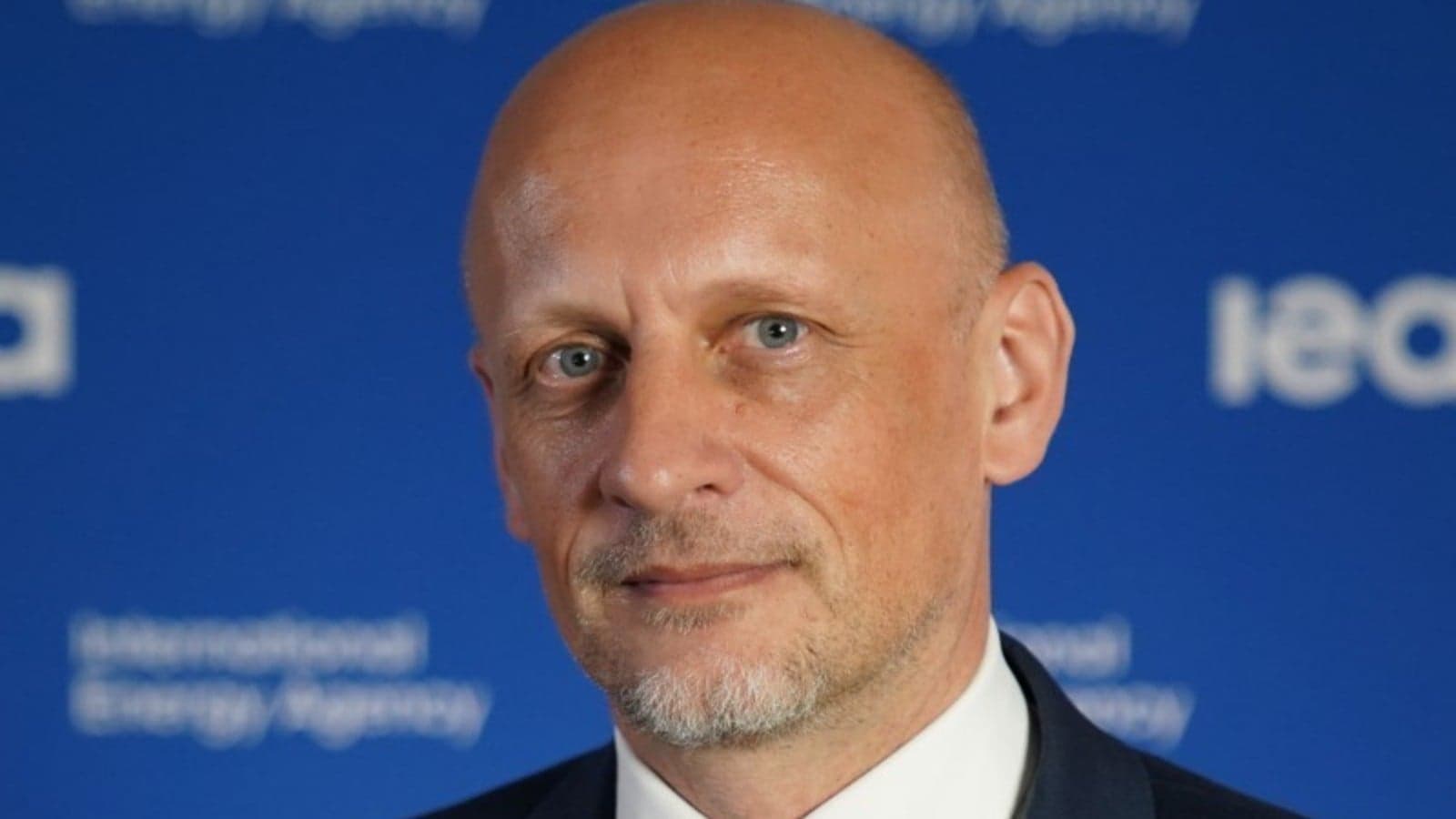
In an exclusive interview Alexandre Sine, director of the newly established ‘Grids Schools for the Energy Transition’ at Enedis, describes how energy sector skills challenges are being tackled in France.
In an exclusive interview, Alexandre Sine, director of the newly established ‘Grids Schools for the Energy Transition’ at Enedis, describes how energy sector skills challenges are being tackled in France.
The need for large numbers of people with the right skillsets to deliver the energy transition has increasingly moved centre stage as the magnitude and pace necessary to deliver is gaining recognition.
The need for sector players such as grid operators and equipment manufacturers to become involved also has grown as ultimately they are best placed to both assess the workforce requirements and support training activities but also they are the employees of the trainees that should emerge.
Skills needs in France
To address this issue in France, Sine, whose experience includes senior roles in the French education ministry, explains that Enedis, the DSO, along with the TSO RTE and representatives from the manufacturers, launched a comprehensive survey in 2023 to identify both the qualitative and quantitative requirements out to 2030 and beyond.
Overall, the electricity grids sector numbers around 56,000 people in the approximately 1,600 companies present in France.
Also of interest
Making it work – Tackling the energy transition workforce challenge
Energy Transitions podcast: Tackling the workforce challenge that threatens net zero
Of these, around 50,000 (in 2023) comprise the technical workforce. The survey found the need to expand by about 43,000 by 2030, which amounts to an over 80% increase and over 7,000 recruits per year, presenting the greatest priority.
“Comparing that to the capacity of the existing scholar system but also the pedagogical approaches, we were facing a massive challenge with recruitment in the technical and vocational roles such as installation and maintenance and supervision, and also for trainers,” Sine says.
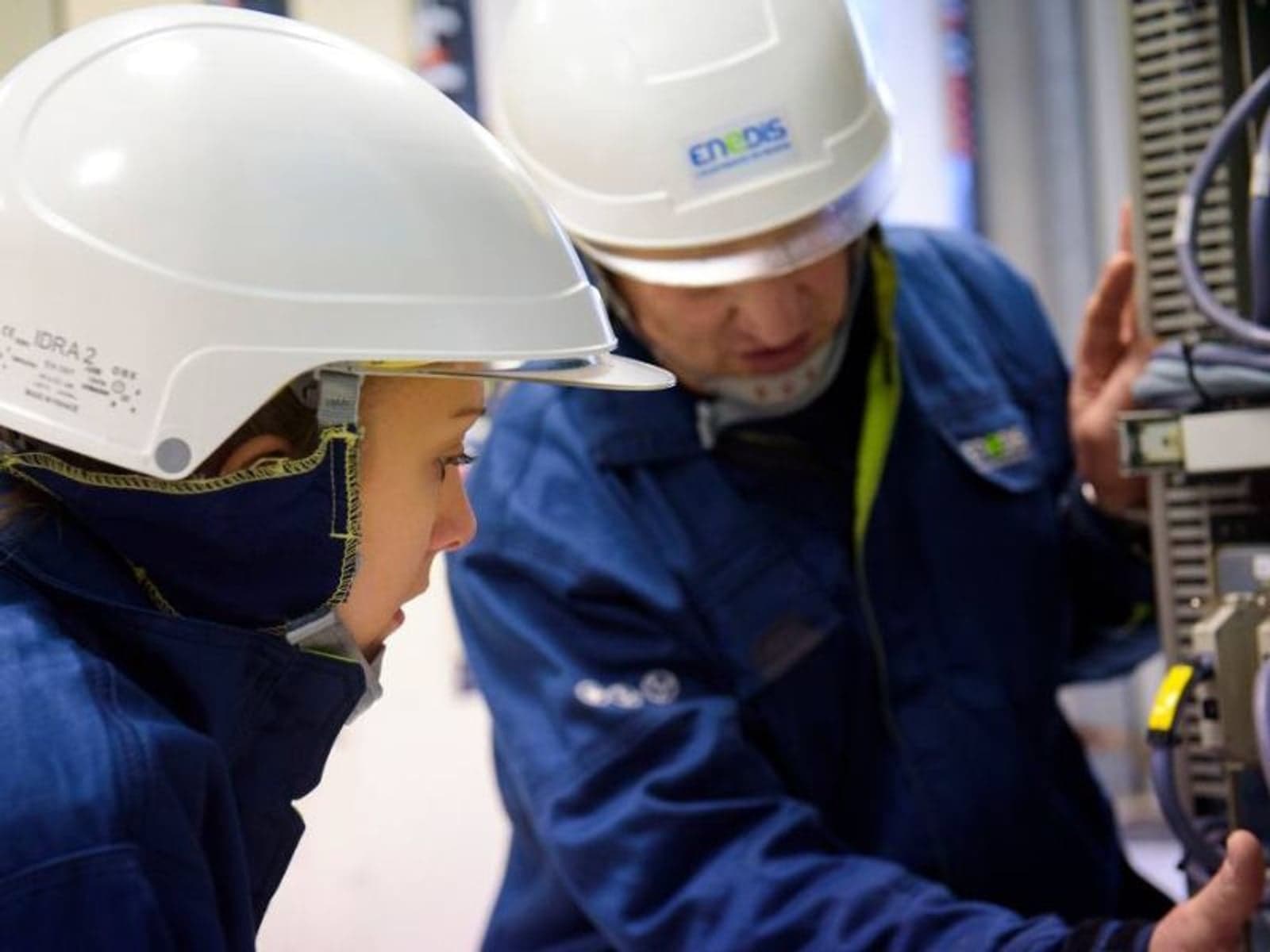
This led to the formation of the ‘Grids Schools for the Energy Transition’ (‘Les Écoles des réseaux pour la transition énergétique’) in partnership with the French education ministry. Through this, the companies are able to contribute sector-specialised content to the electrotechnical curricula through a range of initiatives at all levels of education and particularly the secondary or baccalaureate level.
“So far, we have achieved over 100 contracts with educational institutions for technicians at the baccalaureate level and the target is to reach between 150 and 170 in the next two years.”
Features include dedicating almost a third of the content to the industry and offering over four months of internships within partner companies, as well as initiatives to train teachers.
For more specialised technicians such as grid technicians, additional one-year training programmes are being introduced, with complementary qualifications.
Then at the higher level, Sine says there are emerging partnerships with universities to advance training for engineers, of which there is a general shortage in France. However, they are not an immediate priority for the energy sector compared with the need for technicians.
Here, a ‘hybrid’ approach is being developed, with training not only in engineering but also in areas aligned to future challenges of the grids, including IT and data.
'Attractiveness' of the energy sector
Sine says the core focus of the programme is on “attractiveness”, starting with actions for pupils around the age of 13 years to popularise the energy transition. There is also a special focus on young women so that they know they are welcomed to the sector – an aspect assisted with Marianne Laigneau, President of Enedis, as a female ‘role model’.
“We have a mix of actions and for example we are working with an ‘influencer’ who goes to schools. We also have a special presentation for schools with a game with superheroes who have to save a city from blackouts and are aiming to reach between 5 and 10% of all the pupils in the country or about 30,000 pupils every year.”
Similarly, a mix of offerings is being developed to train teachers, with retirees from the sector being approached to develop the resources for this, as well as for the cross-sector reskilling of workers.
When it comes to hiring this new generation of skilled workers, there is the potential for competition both among stakeholders within the sector but also with companies in the industrial sector associated with the energy transition.
“This may be good for salaries but in the long term, we need to develop a win-win solution both for employment and the energy transition. We need to work together with parties such as the ministry of education and ministry of employment to meet the challenge,” Sine says.
“I am working for Enedis, but I also try to defend the interests of the wider sector.”
He adds that the new generation tends to focus very much on salaries, but the energy sector is also very competitive on the need for values and commitment.
Having adopted this cross-industry approach to skilling workers for the energy transition, potentially a first in Europe, how reproducible is it in other countries?
Sine says that there are clearly similar challenges in other countries in Europe with attractiveness, training, hiring and feminisation in their energy sectors.
“It will depend on the individual education system but it is important for the sector companies to work together and to work with major stakeholders such as the relevant ministries and government agencies and also with the recruitment agencies.”
Latest content
+2
Moving the dial on the workforce challenge
The energy sector is facing a shrinking potential workforce and to address this effectively, a three-pronged approach is needed involving government, educational institutions and the sector at large. This was the overriding message in a conversation with Alison Lowrie, founder of UK-based talent management specialists STEM Select, and Tom Essex, founder of Dutch recruitment specialists KIGYO, about how to ensure the people and skills are available to reach our energy transition goals.
- Pamela Largue
- 07/05/2025