MEP issues ‘be careful what you wish for’ warning over Made-in-Europe energy policies
Kelvin Ross
Posted on: 6 November 2025
Anna Stürgkh warns Brussels conference that such policies must not “become a massively protectionist instrument”.

An MEP delivered a be-careful-what-you-wish-for warning to the energy sector over a ‘Made in Europe’ procurement policy.
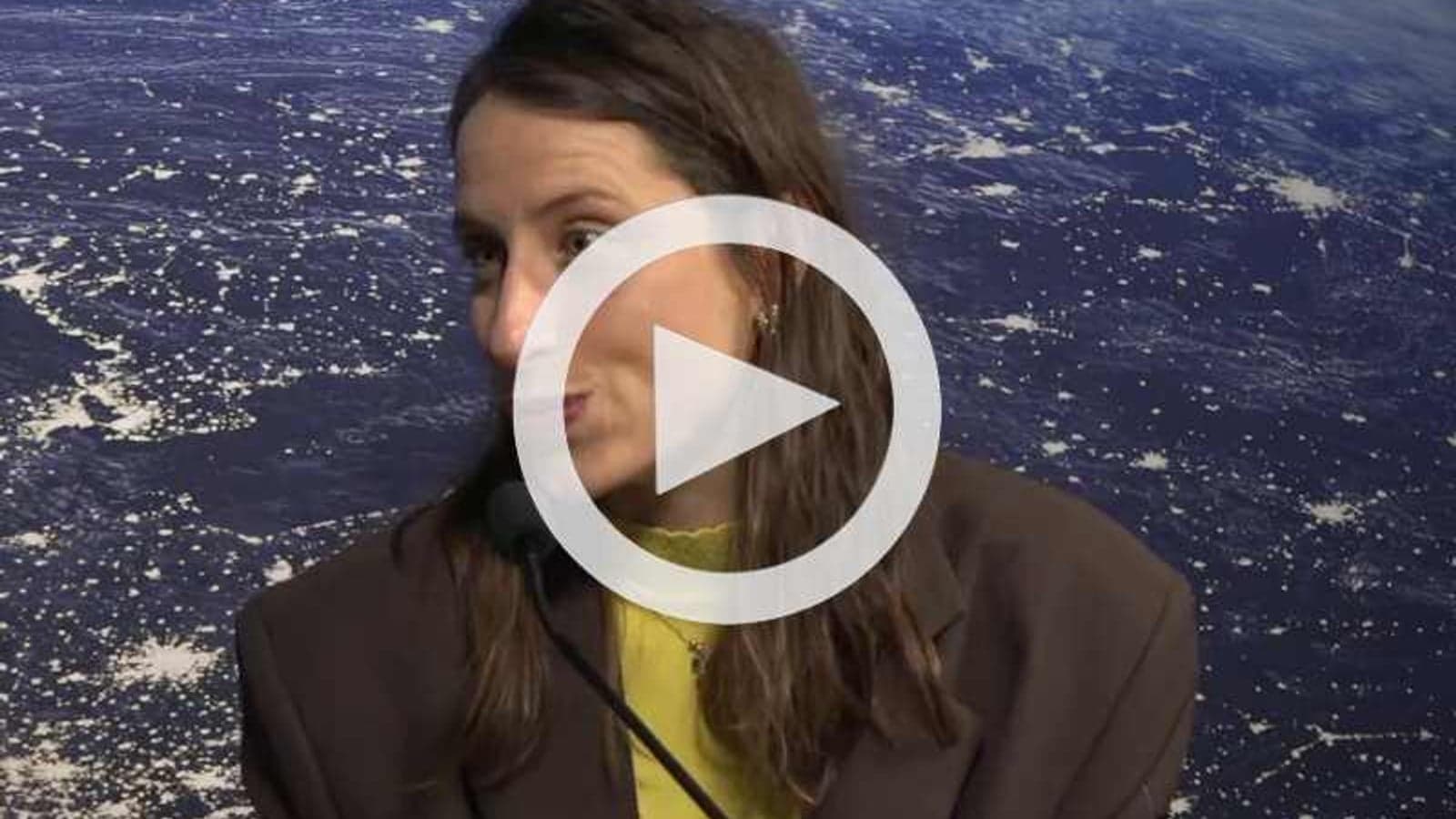
Anna Stürgkh was speaking in Brussels at the annual conference of Euroheat and Power, the heating and cooling trade association.
Stürgkh represents Austria’s liberal party NEOS, and she admitted that made-in-Europe and buy-European strategies were “more en vogue” thanks to concerns around competitiveness.
But she warned: “We have to be careful that something that comes from a very good place, such as the idea of made in Europe or buy European, doesn't become a massively protectionist instrument.
“Because that rule might support our economy, but it won't support our consumers overall.”
Stürgkh, who led a report on improving electricity grids in the EU which was successfully adopted by the European Parliament, said that Europe had a track record of being “incredible” first movers on many energy innovations.
“A lot of energy innovation is happening in Europe… but it's not staying in Europe. And we won't save that by having a ‘buy European’ policy in public procurement. What we need is to make sure that those companies, those ideas, find the right capital – and that can't just be covered by public money.
"We have to make sure that we have an investment structure where private investors are actually interested in putting their money in European businesses, because then we can keep the innovation. And then I'm also confident that we will have an energy system that is maybe based on European industry and European production.”
“A lot of energy innovation is happening in Europe… but it's not staying in Europe. And we won't save that by having a ‘buy European’ policy in public procurement.”
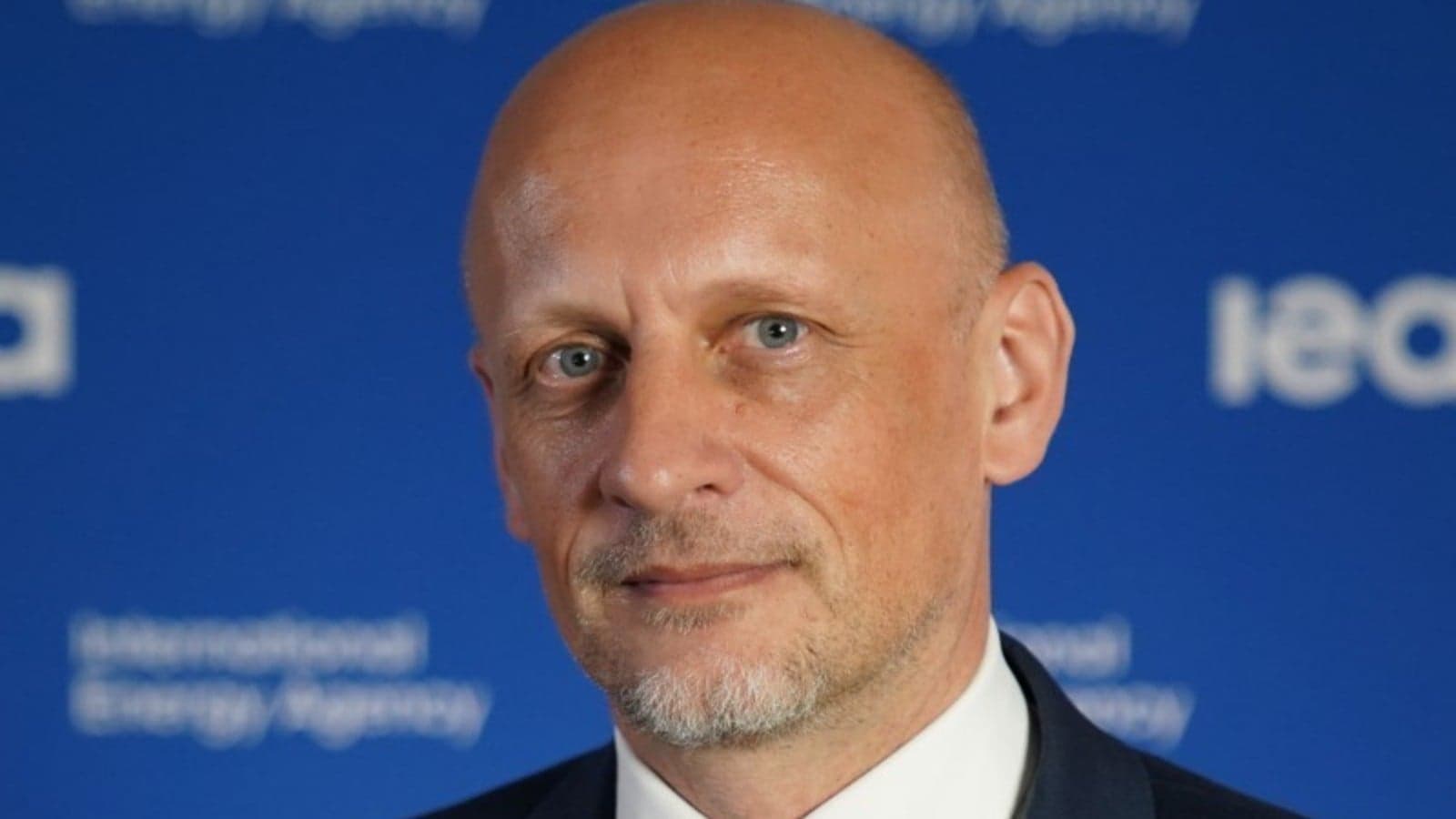
Belgian MEP Bruno Tobback also issued a similar warning over pulling natural gas from the energy mix.
While in no way lobbying for a continued use of gas – there was almost widespread consensus at the conference that it needs to be phased out of the heating and cooling mix as soon as possible - Tobback was keen to stress that the need to understand the full implications that this move would have.
“A lot of people seem to forget – or have not yet realised – that when you use gases as a fuel, you need a network to supply that gas.”
He took his own country as an example: “When we go into the rollout of heat pumps, right now 65% of homes are heated by gas. And they all pay for the network. When they start switching – and that’s going to happen gradually, it's not going to be a binary switch – there will be less and less people to finance the gas network.
Have you read:
How intelligent flexibility can make renewables more profitable
Growing skills gap is putting energy transition at risk warns E.DSO
He said everyone thinks the gas network “is just there, but it takes billions a year for maintenance, that cost would be put on the shoulders of the remaining users of gas”.
“It will kill many business cases for technologies that use gas and that want to get, for example, into flexibility markets.”
He said that he believed unequivocally that “electrification just makes sense: psychologically and economically, it’s the smartest choice we can make it. But it has an impact. And we have not yet calculated and seen that impact in its entirety.”