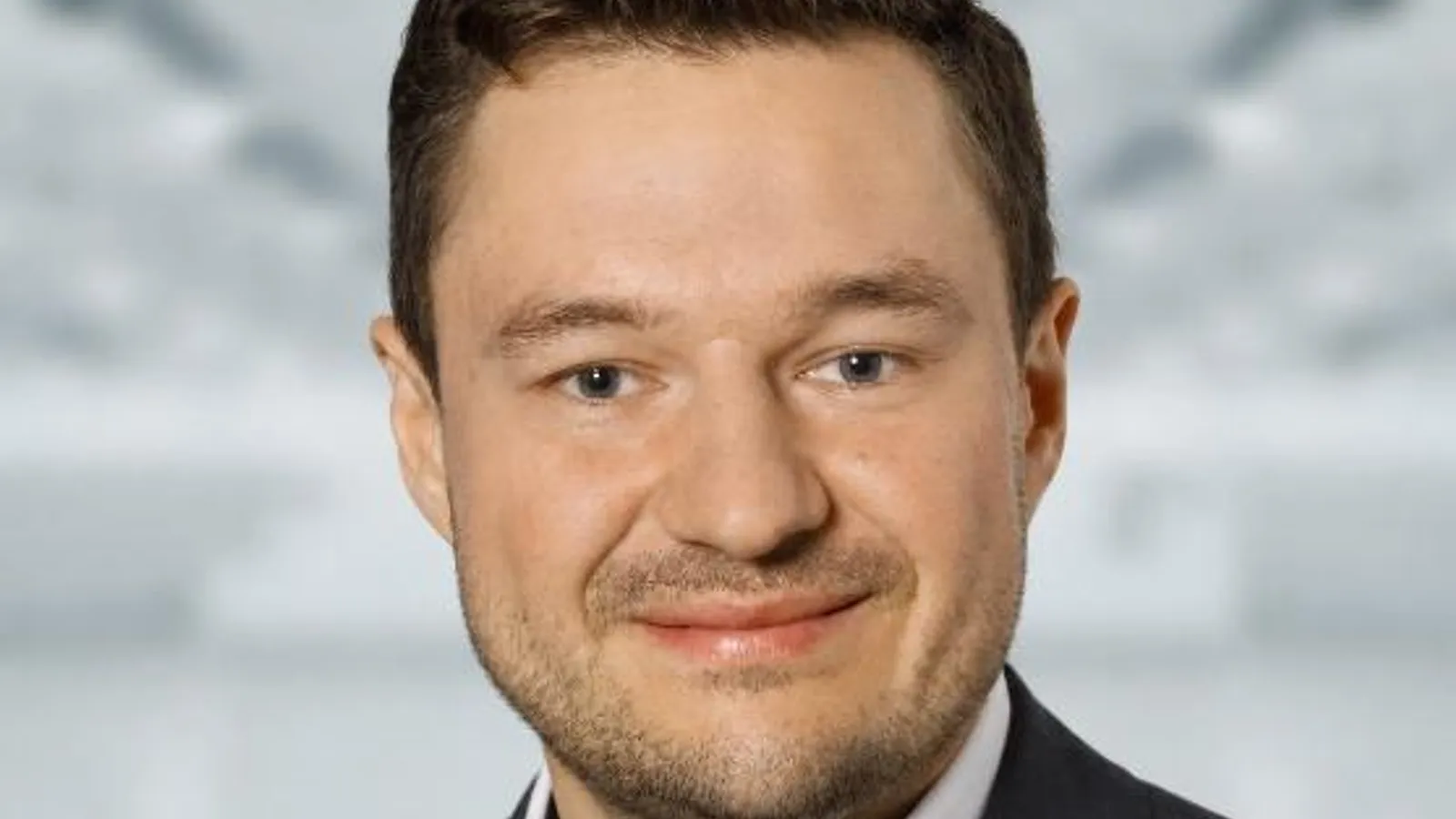
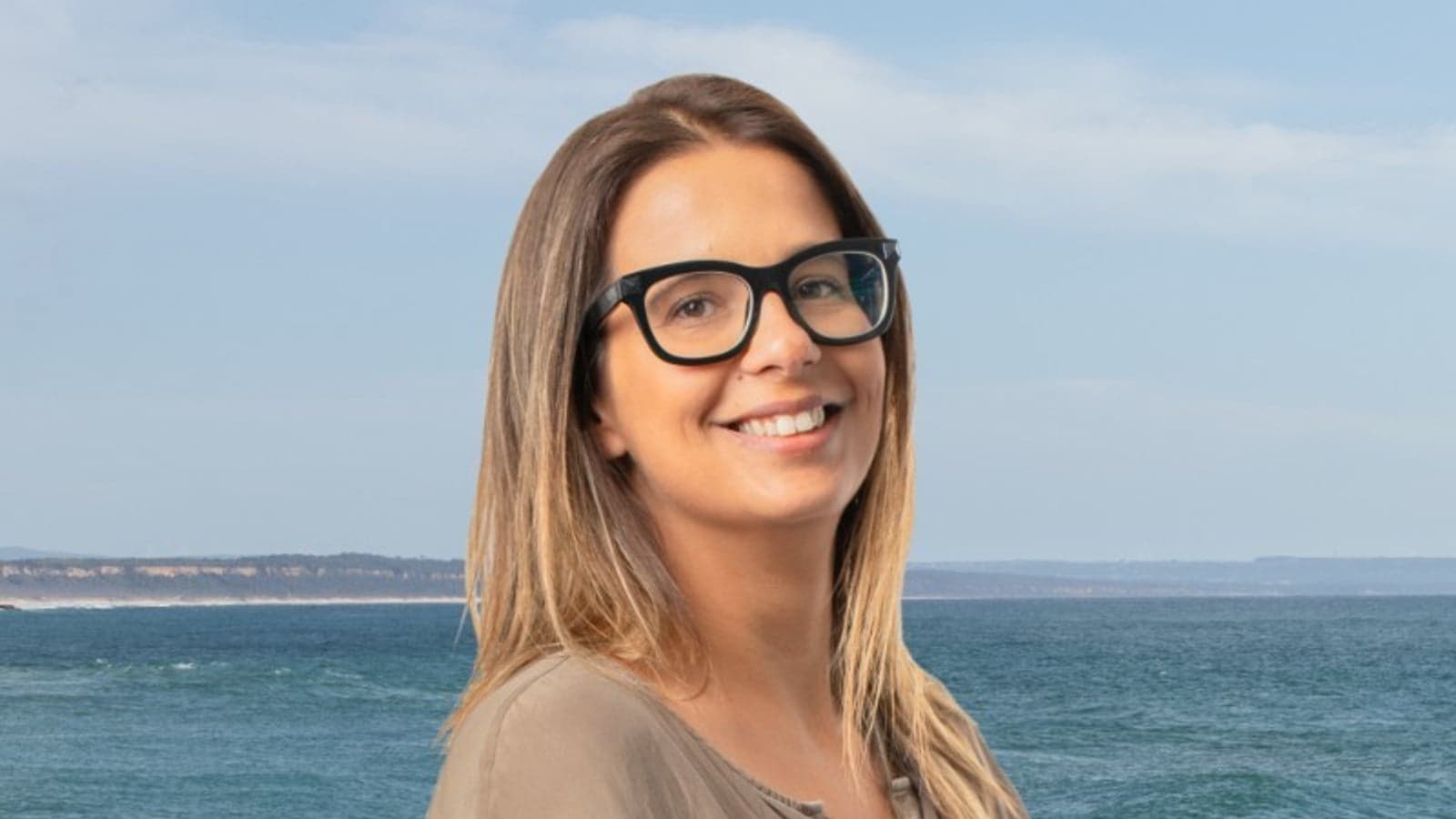
Milena Roveda leaves Gauss Fusion after conceptual milestone
Kelvin Ross
Posted on: 16 April 2026
Chief executive moves on from German fusion company after what she calls “the most rewarding experience of my professional career".
Milena Roveda has departed Gauss Fusion as its chief executive this week after leading the company to a landmark stage of its technology journey.
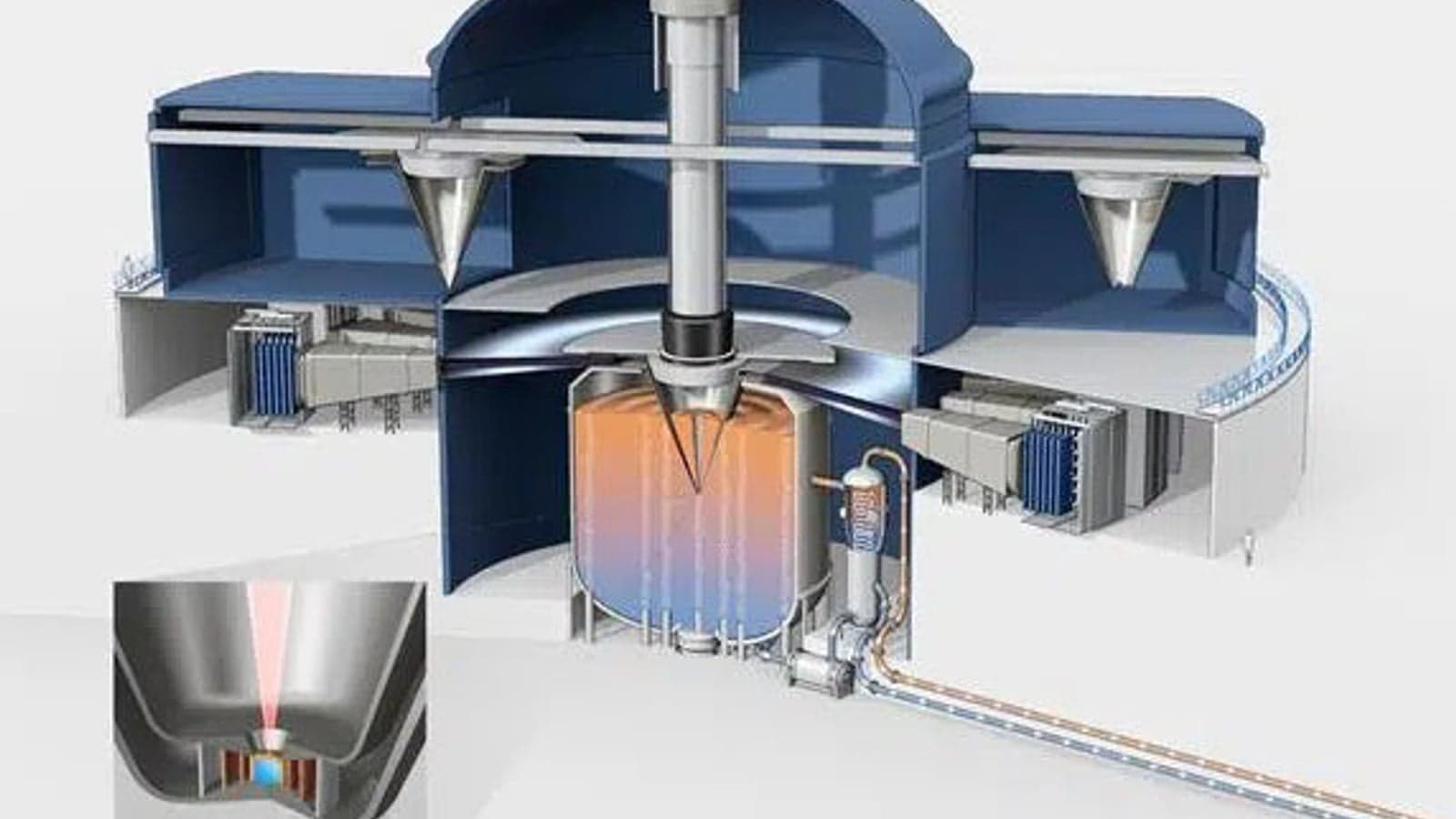
Late last year the German firm completed the conceptual design phase for its technology, and weeks later also delivered a major European-wide site-mapping study in collaboration with the Technical University of Munich.
Roveda, who has led Gauss since 2023, said completion of the conceptual design was “the right time for a leadership transition and for the next phase of the programme to move forward”.
The Gauss board will now oversee the company’s preparations for its next phase on the path to building what is hoped to be Europe’s first commercial-scale fusion power plant based on the stellarator technology first developed by Princeton University.
Gauss Fusion founder Dr Frank Laukien said Roveda “has done an amazing job in leading Gauss” and added that reaching the conceptual design phase was “an important milestone for Germany and all of Europe”.
Dr Christian Linsmeier, chair of Gauss Fusion’s Strategic and Scientific Advisory Board, said: “What Milena has achieved over the past three years is truly exceptional. In a remarkably short period of time, she has helped establish Gauss Fusion as a serious industrial voice in the European fusion landscape.”
More fusion news and exclusives:
Size matters: scaling down fusion for compactness and the desktop
UK supercomputer Sunrise to tackle fusion energy challenges
Proxima Fusion steps toward commercial fusion in Europe
Roveda joined Gauss from the technology and marketing services company Dept (The Carlyle Group) and had previously worked across Europe as well as in Mexico and Peru.
She said leading Gauss over the past three years “has been the most rewarding experience of my professional career and, without any doubt, the most ambitious endeavour I have had the privilege to be part of”.
“Over this time, I have dedicated myself fully to this journey, with passion, intensity, and a strong sense of responsibility, guided throughout by Gauss Fusion’s founding principle: fusion with integrity.”
She added that Europe “has all it needs to lead in fusion. What remains is the ability to come together – to align efforts, pool strengths and act with the unity and determination that such an endeavour requires. I remain convinced: only a united Europe will turn fusion into reality.”
Separately, Dr Michael Pekeler has joined the Gauss Fusion board, bringing over 25 years of deep-tech experience in high-energy accelerator and fusion modules and subsystems.
Pekeler is a managing director of fusion specialist RI Research Instruments GmbH in Bergisch Gladbach, Germany.
Potential fusion sites
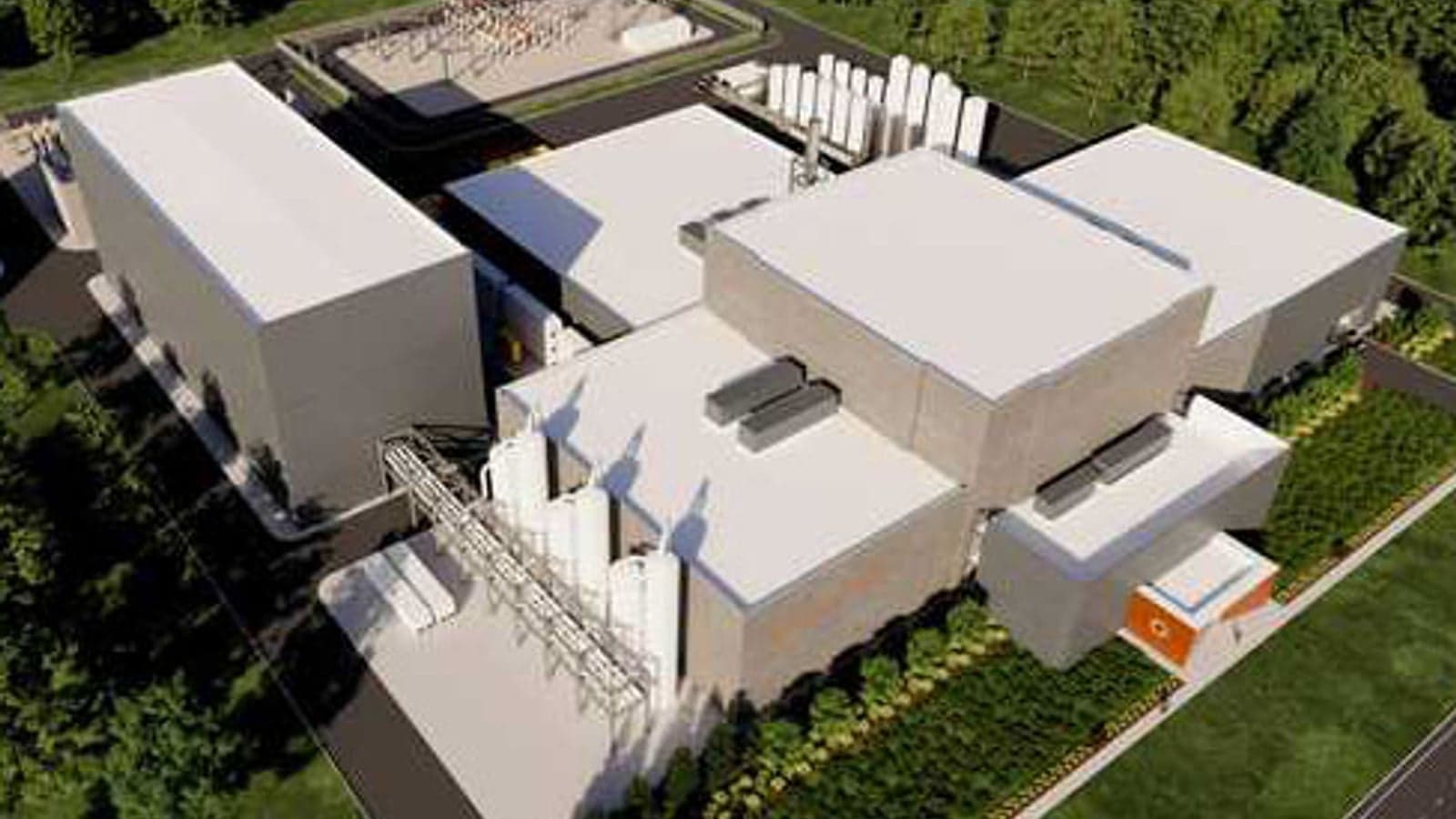
Gauss Fusion hopes to have its first commercial fusion plant operational by 2040. The TUM study identified 150 industrial clusters with 900 sites across Europe, all capable of potentially hosting the first generation of fusion power plants.
Potential sites have been identified across Germany, France, Italy, Spain, Switzerland, Denmark, the Netherlands, Austria and the Czech Republic, with sites typically located in high energy demand industrial centres or conurbations.
A final site selection is expected by the end of 2027.
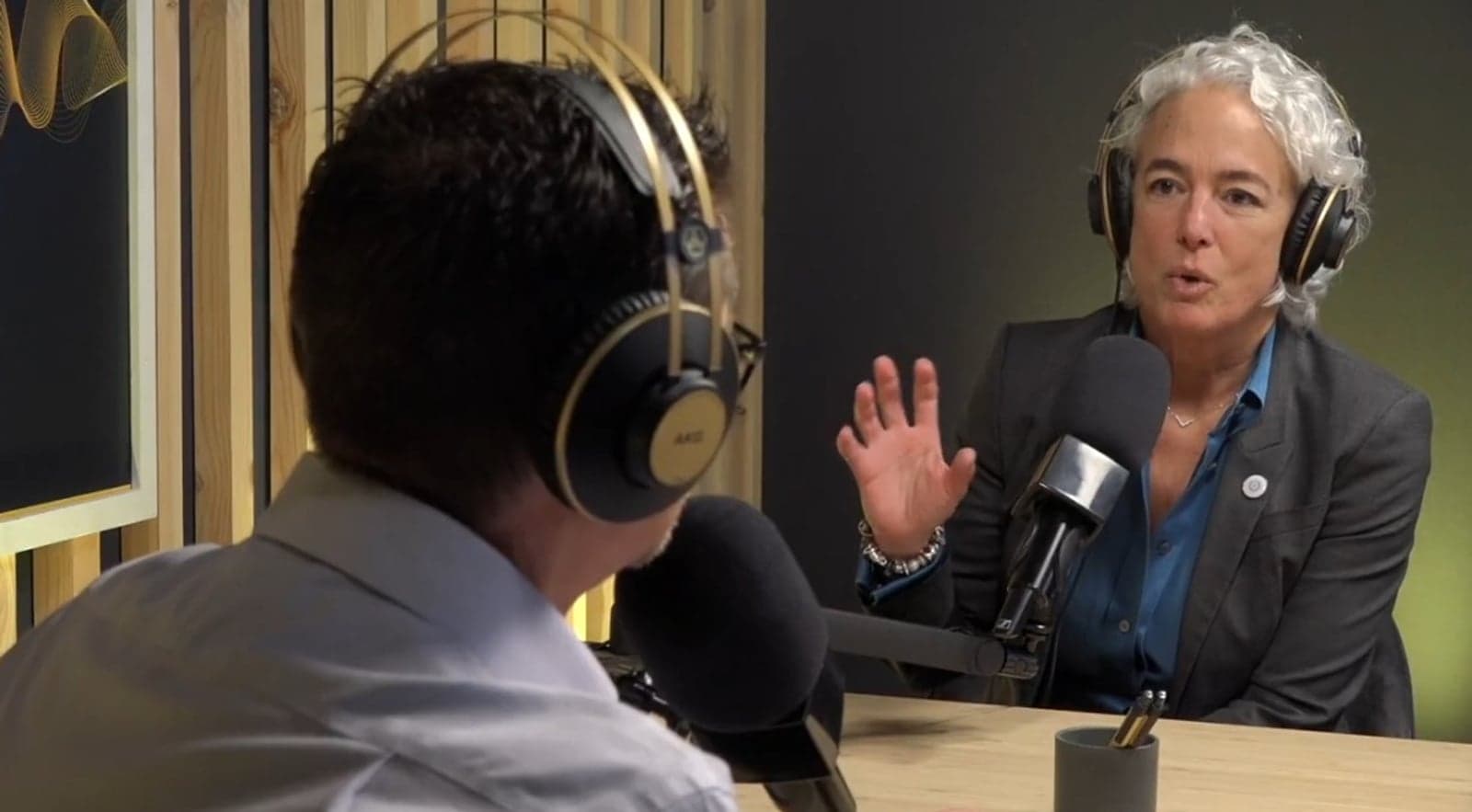
I interviewed Roveda at Enlit Europe in Bilbao last November, just weeks after Gauss had completed its conceptual design, which she described as “a bit of a bible – over a thousand pages”. She added that the company “knows what we don’t know, which is a very good place to be”.
Eszter Kantor of Proxima Fusion on why investors and policymakers are backing the technology
She described herself as a ‘fusionista’: “A fusionista is someone like me who believes that fusion is not science fiction: fusion is ready to go from the lab to the track, ready to be commercialised. And there are a lot of fusionistas working around the world to make this happen. The community is growing.”
With the current Middle East conflict prompting intense debate over energy security, sovereignty, and a Made-in-Europe policy, it was interesting to revisit some of Roveda’s remarks about competitiveness when we spoke in November.
“In Europe we are alone,” she said. “China and Russia were never ‘on our side’ so to speak in geopolitics: the US was always our ally. We are seeing that this is not the case anymore.
“And I think this is good: we cannot rely on others to protect us, to fight for us, to look out for us. We need to be independent. It’s important Europe starts waking up and taking its future in its own hands.”