Parkwind looks to AI to optimise offshore wind development
Power Engineering International
Posted on: 16 December 2024
Wind developer Parkwind has announced a strategic partnership with Shoreline Wind to implement its AI-powered Design software.
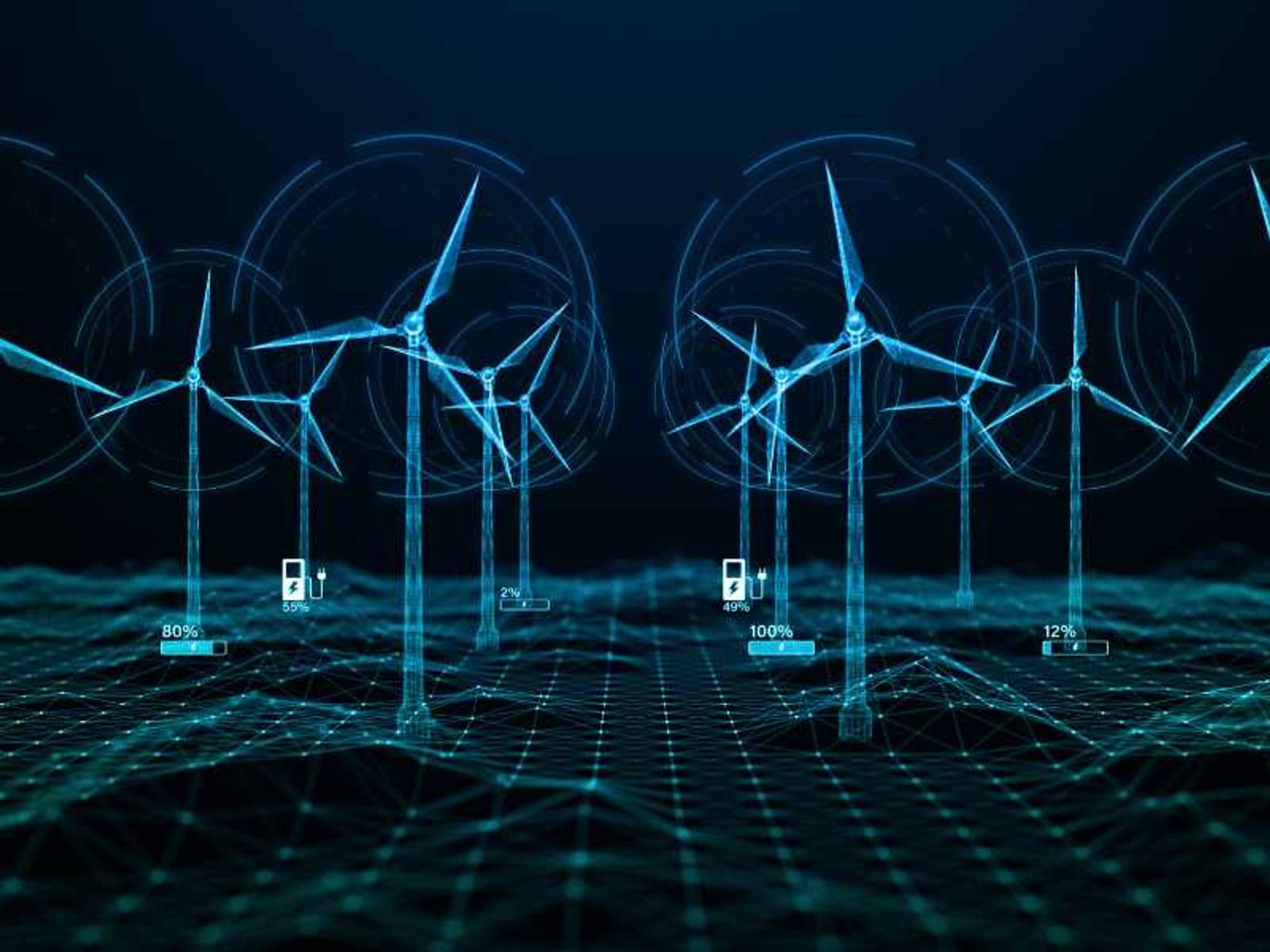
Wind developer Parkwind has announced a strategic partnership with Shoreline Wind to implement its AI-powered Design software.
Shoreline Wind's software simulates the project construction phase, which will allow Parkwind to analyse multiple data streams to maximise resource allocation and efficiency.
This includes analysing and predicting weather patterns to ensure resources such as jack-up vessels are dispatched to the right location at the right time. Furthermore, by using the design tool for precise scheduling of vessel operations, substantial savings can be achieved throughout the construction phase.
The partnership between Shoreline Wind and Parkwind, part of JERA Nex, the renewable energy subsidiary of JERA Co., will aid Parkwind in growing its portfolio of offshore wind projects.
Currently, Parkwind has over 1GW of operational wind assets across Europe and plans to expand its current portfolio to include the 1.5GW Sørlige Nordsjø II project in Norway (developed as a joint venture with Ingka) and the 375MW Oriel Windfarm off the coast of Ireland.
Have you read?
bp and JERA form global offshore wind joint venture
Forecaster brings blue sky thinking to wind farm tech
Daniel Castro, WTG package engineer at Parkwind, commented in a statement: “Parkwind’s offshore assets have grown consistently since its first project went online in 2010. We have now reached a critical point in our growth. Integrating Shoreline’s advanced Design software is an important and necessary step in scaling our operations globally while maintaining the highest standards of efficiency and sustainability.”
Shoreline Wind’s solution will facilitate intelligent planning for Parkwind's Operations and Maintenance (O&M) teams, simulating plans and schedules for when the site is fully operational.
Users can also customise their plans, setting response schedules for a variety of different equipment failure rates, allowing operators to simulate best and worst-case scenarios and plan ahead.
Generating optimised plans for maintenance and repairs from the outset, minimises operational disruptions but also helps prevent costly delays and unplanned outages in the short to mid-term of the project.
Jakob Bebe, head of Sales EMEA at Shoreline Wind, added: “By simulating design and construction phases with a full picture of necessary data, including expected weather patterns and resource availability, Parkwind will reduce downtime and maximise operational efficiency. This approach ensures that expensive resources, such as specialised vessels and engineering teams, are used more effectively, which is crucial in the challenging and often costly offshore wind environment.”
As the offshore wind industry continues to expand, both geographically and in terms of capacity, there is increasing pressure to cut costs and improve reliability at a site level. Therefore, there is increased scrutiny on the decisions made during the design phase, which will have long-term implications for operators across the lifetime of the site.